Building a home gym on a budget? This priority list shows exactly what to buy first, second, and third — a complete starter setup that stays under $200 total.
Home Gym on a Budget: An Equipment Priority List Under $200
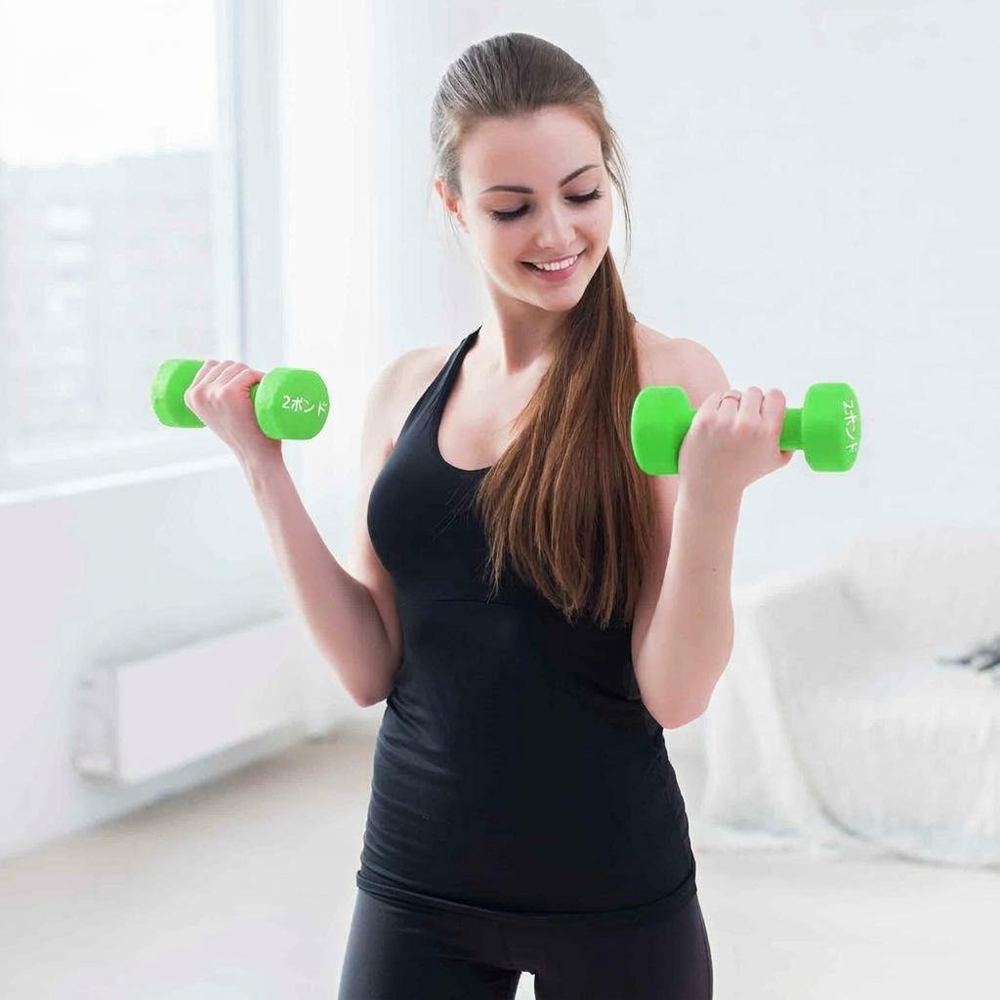
Here is the good news about a home gym on a budget: the first $200 buys you the most important training tools you will ever own. Everything after that is refinement. This guide is a priority list, not a shopping spree — buy item one, train with it for a few weeks, then move to item two. By the end, you will have a complete strength and conditioning setup for less than the cost of three months of a gym membership.
This guide contains affiliate links. If you buy through them, VÉLORA may earn a commission at no extra cost to you.
The Golden Rule of Budget Training
Spend money in the order of versatility per dollar. A tool that trains twenty movements is worth ten times a tool that trains two, no matter how shiny the two-movement tool is. Every item below is ranked by exactly that math — what it costs versus how much training it unlocks. Before you buy anything, it also helps to see the comparison in home gym vs. gym membership cost: even a modest home setup pays for itself in months.
Priority 1: Resistance Bands (~$15–$30)
Why first: nothing else delivers this much training for this little money. A set of loop bands or a handled tube set with a door anchor covers rows, presses, curls, leg curls, glute work, and core training. They weigh nothing, need no space, and are gentle on joints — ideal for true beginners.
What to buy: a set with multiple resistance levels (at least 3–4 bands) and, if possible, handles and a door anchor. Check stitching and handles before first use.
What it unlocks: a full-body beginner routine. See resistance band workout for women for a ready-made plan.
Sets and reps to start: 2–3 sets of 12–15 reps per movement, choosing a band that makes the last two reps challenging but clean.
Priority 2: A Dumbbell Starter Set (~$30–$60)
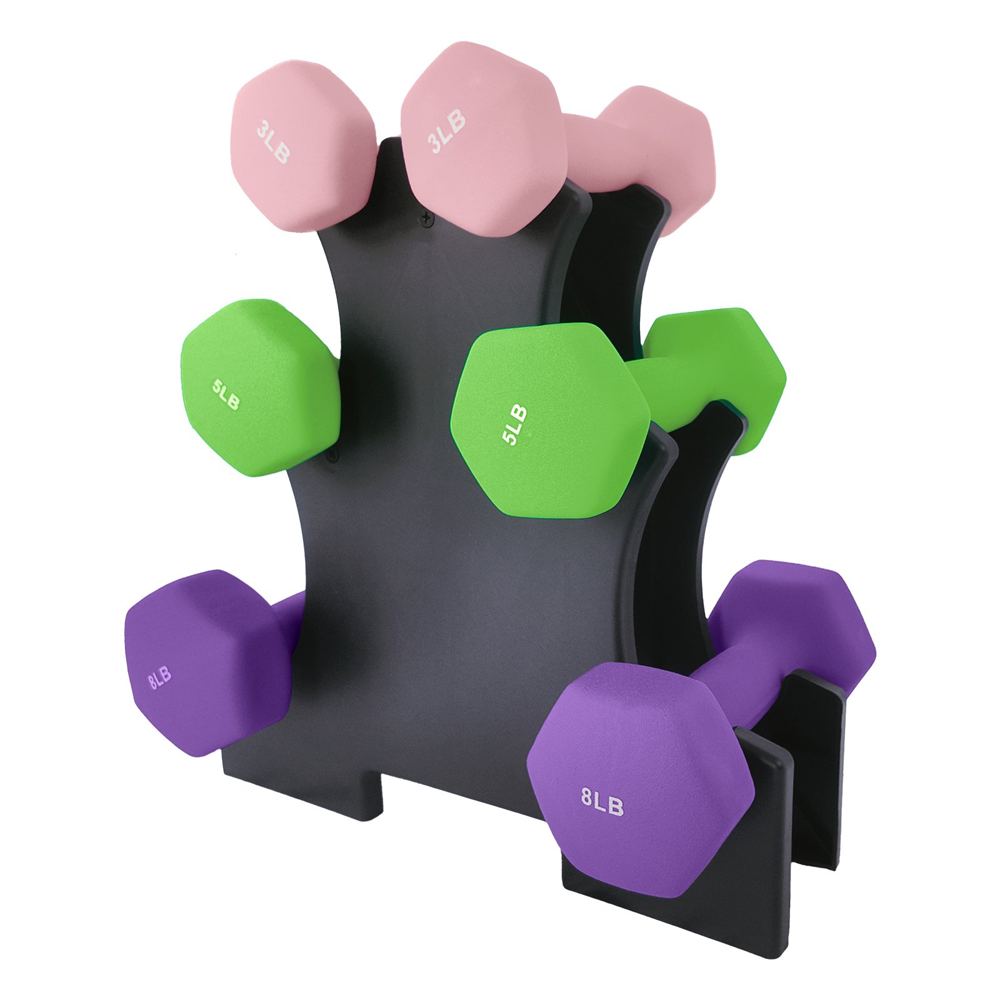
Why second: dumbbells are the backbone of home strength training. Presses, rows, squats, lunges, carries — the movement menu doubles the moment you own a pair. A starter set like the 3-pair PVC dumbbell set with case gives you three weight options in one tidy package, which is exactly what a beginner needs: light for shoulders, medium for chest, and the heaviest pair for legs.
What to buy: look for a set with at least two to three weight steps and a storage case. Coated handles (PVC or neoprene) are kinder to hands and floors than bare metal. Our how to choose dumbbells guide walks through the details.
What it unlocks: real progressive strength training. When a weight gets easy, you move up — that progression is the engine of results.
Sets and reps to start: 2–3 sets of 8–12 reps for upper-body moves, 10–15 for lower-body moves.
Priority 3: A Skipping Rope (~$8–$15)
Why third: cardio is the gap in most budget setups, and a jump rope is the cheapest serious cardio tool on earth. Ten minutes of easy skipping is genuinely demanding cardiovascular training, and it costs less than a takeaway meal. It also trains coordination, calves, and shoulders.
What to buy: an adjustable-length rope with comfortable handles. Speed ropes are for experienced skippers; a basic beaded or PVC rope is more forgiving to learn on. Our guide on how to choose a jump rope covers sizing.
What it unlocks: conditioning without a machine and without leaving home.
How to start: alternate 1 minute of easy skipping with 1 minute of rest, for 8–10 rounds. Land softly on the balls of your feet; if you have downstairs neighbors, skip on a mat.
Priority 4: A Doorway Pull-Up Bar (~$25–$40)
Why fourth: pulling strength is the hardest thing to train without equipment, and a doorway bar solves it completely. Pull-ups and chin-ups build the back, biceps, and grip — and even hanging from the bar for time is excellent for shoulder health and grip strength.
What to buy: a no-screw tension or leverage bar that fits standard doorframes, with a weight rating well above your body weight. Check your doorframe's trim first — some ornate moldings do not suit leverage bars.
What it unlocks: vertical pulling, the missing piece in most home routines.
How to start: if a full pull-up is out of reach (normal for beginners!), do 3–5 sets of dead hangs for 10–20 seconds, plus slow negatives: jump or step to the top, then lower yourself as slowly as possible. Our upper body workout for women maps out more pulling progressions to grow into.
Priority 5: A Thick Exercise Mat (~$20–$35)
Why fifth: core work, stretching, and floor exercises are miserable on a hard floor — and skipped workouts are the most expensive kind. A mat that is 6mm or thicker makes planks, bridges, and cool-downs something you will actually do.
What to buy: a high-density mat that does not slide on your floor type. Wipeable surfaces last longer.
What it unlocks: a comfortable floor-training station.
Priority 6 (Optional): One Adjustable Dumbbell (~$30–$50)
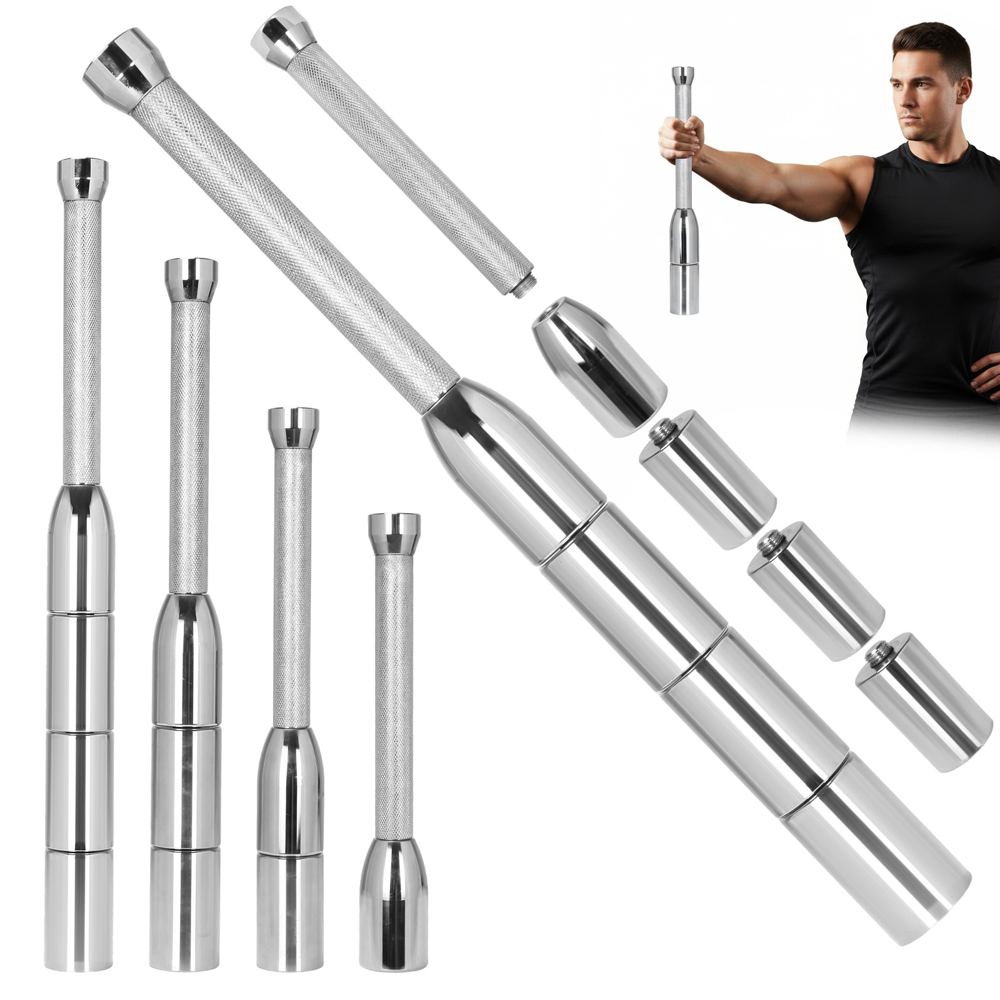
Why last: if your starter set runs out of challenge on leg moves, a single adjustable dumbbell with wear-resistant grips bridges the gap to heavier training without buying a whole rack. One adjustable dumbbell is enough for goblet squats, single-arm rows, and heavy carries.
The Full $200 Budget at a Glance
| Priority | Item | Est. cost | Running total | |---|---|---|---| | 1 | Resistance band set | $15–$30 | $15–$30 | | 2 | Dumbbell starter set | $30–$60 | $45–$90 | | 3 | Skipping rope | $8–$15 | $53–$105 | | 4 | Doorway pull-up bar | $25–$40 | $78–$145 | | 5 | Exercise mat | $20–$35 | $98–$180 | | 6 | Adjustable dumbbell (optional) | $30–$50 | $128–$230* |
*Skipping the optional item keeps you comfortably under $200; even with it, smart shopping lands near the line.
Buy in order, train with each addition for two to three weeks, and you will know exactly what your routine actually needs next — which is how budgets stay budgets.
Where to Find Deals (and What to Avoid Used)
Check for bundle deals (band + mat sets, dumbbell + case combos) before buying pieces separately. Buying used is smart for dumbbells and mats — iron does not expire — but avoid used resistance bands (elasticity fades) and used pull-up bars with worn padding or bent components. Whatever you buy, inspect it before the first workout: tug band anchors, check bar padding, confirm dumbbell collars tighten.
A Starter Week With Your Budget Gym
- Monday: dumbbell upper body (press, row, shoulder press) — 2–3 sets of 8–12 reps each
- Tuesday: 10 rounds of 1-minute skipping intervals
- Wednesday: dumbbell lower body (goblet squat, lunge, hip hinge) — 2–3 sets of 10–12 reps each
- Thursday: band workout (pull-aparts, band rows, band chest press) — 2–3 sets of 12–15 reps
- Friday: pull-up bar hangs and negatives + core on the mat
- Weekend: rest or a walk
This is a complete beginner program. If you want a structured women's plan to grow into, see women's home gym essentials and beginner home workout plan for women.
Frequently Asked Questions
Is a $200 home gym actually enough to build strength? For beginners and early intermediates, yes. Progressive overload — gradually doing a little more — is what builds strength, and a $200 setup supports months of progression. Results vary by person, but the training principle is identical to what works in a $50,000 gym.
Should I buy everything at once or one piece at a time? One at a time, in priority order. Training with bands for three weeks teaches you more about what you need next than any article can. It also spreads the cost.
Are cheap dumbbells safe? Cheap is fine; broken is not. Inspect every piece: collars should lock tight, handles should not spin loosely, and coatings should not flake. A women's home gym dumbbell kit with hex weights and a stand is a step up in stability if your budget stretches.
Can I lose weight with just this equipment? Exercise supports fat loss best alongside nutrition, sleep, and daily activity — no equipment choice guarantees weight loss, and be wary of anyone who promises it. What this setup guarantees is a way to train consistently, which is the part most people struggle with.
What should I buy after the $200 setup? A foldable bench is the classic next purchase — it multiplies what your dumbbells can do. Our best home gym equipment under $100 guide covers the next tier of additions.
Conclusion
A home gym on a budget is not a compromise — it is a strategy. Buy in priority order, train consistently with what you own, and let your routine earn each upgrade. Two hundred dollars, six tools, and a few months of showing up will take you further than a premium membership you never use.
