The women's home gym essentials actually worth buying first — dumbbells, bands, a mat and more — plus the overhyped gear you can safely skip until later.
Women's Home Gym Essentials: Equipment Worth Buying First
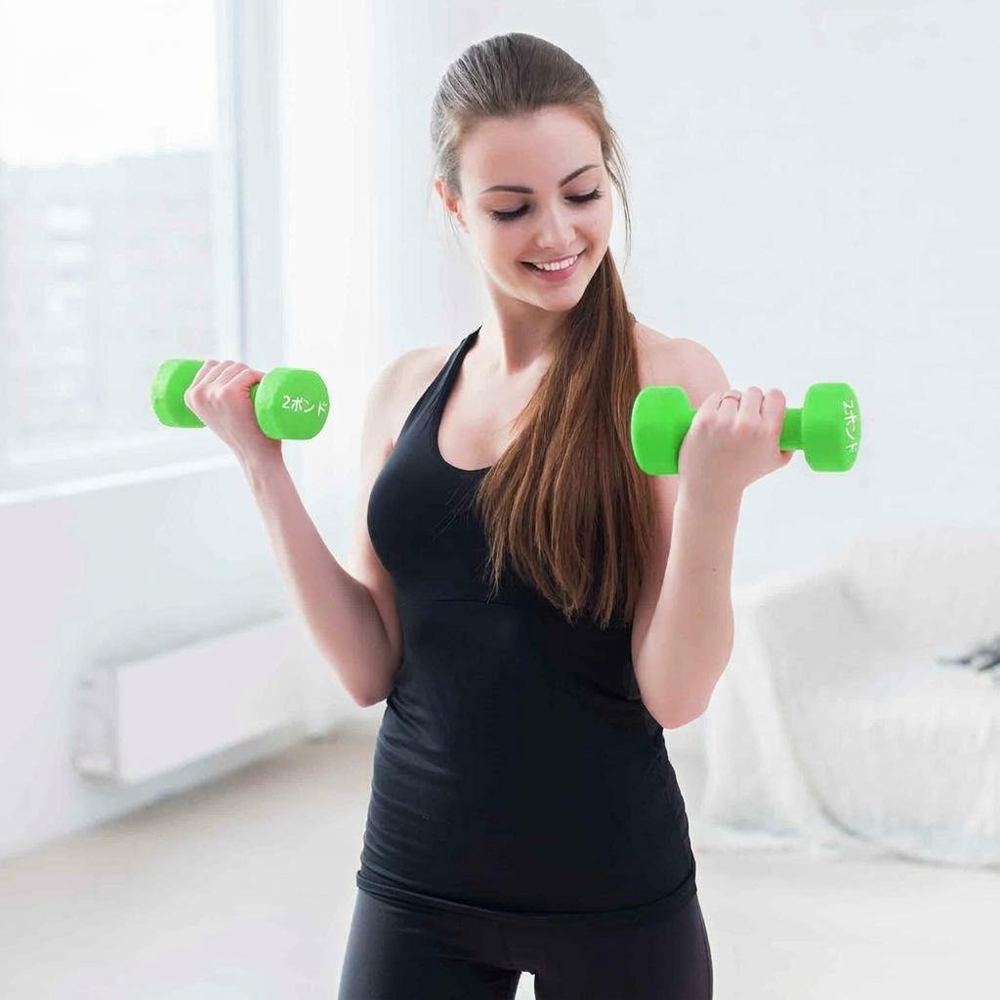
Walk into any fitness equipment store and it feels like you need a whole room of machines to get fit at home. You do not. The truth is simpler and cheaper: a well-chosen handful of tools covers nearly every strength, cardio, and mobility workout a woman training at home will ever need — and the wrong purchases just gather dust. This guide sorts the women's home gym essentials that are genuinely worth buying first from the gear that can wait.
Buy for the workout you will actually do, not the one you imagine in a burst of motivation. Most effective home routines are built on five basics: something to lie or kneel on, something to lift, something that resists, something that elevates your heart rate, and something sturdy to lean on or step up to. Everything else is optional.
Results vary from person to person, and no equipment guarantees any particular outcome. But good tools remove excuses — and that is most of the battle.
This guide contains affiliate links. If you buy through them, VÉLORA may earn a commission at no extra cost to you.
The First Five Buys
These five cover strength, cardio, mobility, and recovery for a complete beginner-to-intermediate home program. In rough priority order:
1. An exercise mat
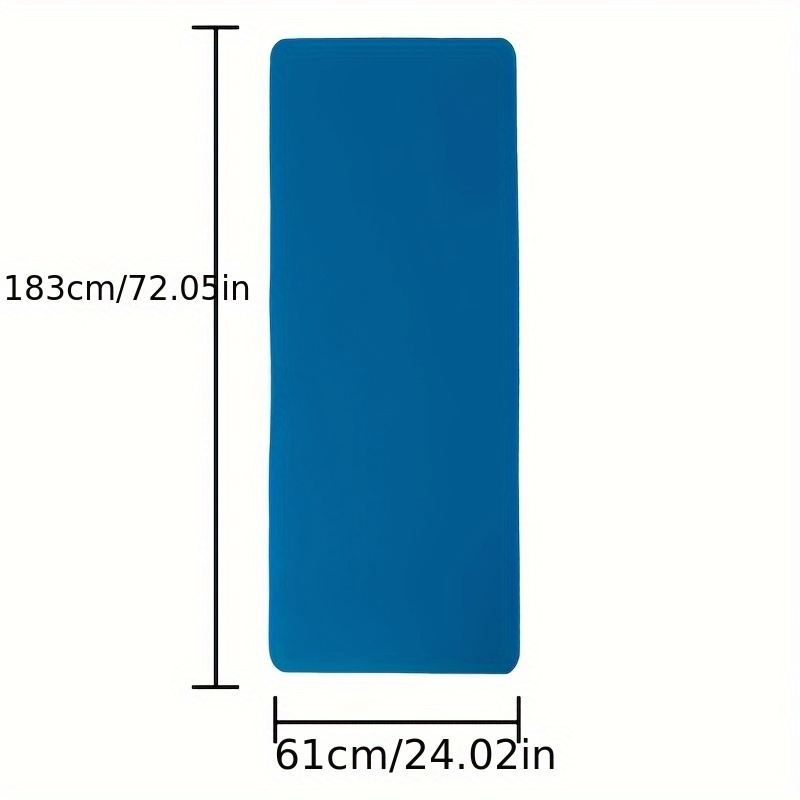
Every floor exercise — planks, bridges, stretches, cool-downs — is friendlier with cushioning under your knees and spine. A medium-thickness mat (around 6–8 mm) is the sweet spot: enough padding for comfort without feeling wobbly during standing balance work. The 1pc 8mm Thick Yoga Mat is exactly that kind of mat — non-slip on both sides and thick enough for kneeling planks without bruised knees. Our guide to choosing the right yoga mat thickness explains when thinner or thicker mats make sense.
2. Light to medium dumbbells
If you buy one thing for strength, make it dumbbells. They train every major muscle group, progress simply by going heavier, and store in a corner. Beginners usually need a light pair for shoulders and arms and a slightly heavier pair for legs and rows — which is why a small multi-weight set beats a single pair. The 3 Pair PVC Dumbbell Set with Case gives you that range in one tidy case, and the PVC coating is kind to floors. Our detailed dumbbell guide for women covers weights, coatings, and what to look for in detail.
3. Resistance bands
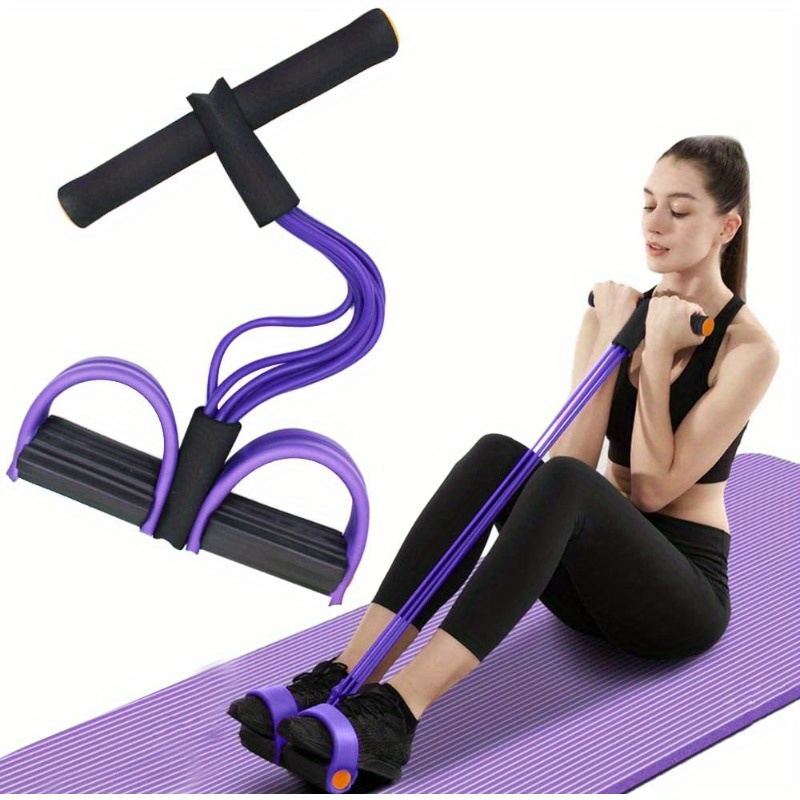
Bands are the most versatile budget buy in home fitness: they add resistance to glute and leg work, assist stretches, and travel anywhere. Tube bands with handles suit upper-body rows and presses; loop bands suit lower-body work. The Six-Tube Resistance Band Set includes multiple resistance levels with handles, covering both jobs in one kit. If you are torn between tools, our resistance bands for women guide and the comparison of bands versus dumbbells will help you decide.
4. Something for cardio
You do not need a treadmill. A jump rope raises your heart rate in minutes, costs little, and stores in a drawer — short bursts of 30–60 seconds between strength exercises work well. If jumping bothers your knees or pelvic floor, brisk walking or marching in place is a perfectly good substitute. The point is simply to have a go-to cardio option that takes zero setup.
5. A sturdy step or chair
Step-ups, tricep dips, elevated push-ups, Bulgarian split squats — a solid, non-slip chair or a low sturdy bench multiplies your exercise menu. Use something that will not slide or tip; test it before you trust it with your full weight.
Comparing the Essentials
| Equipment | What it covers | Rough cost | Space needed | | --- | --- | --- | --- | | Exercise mat | Floor work, stretching, cool-downs | Low | Rolls away | | Dumbbell set | Full-body strength training | Low–medium | One corner | | Resistance bands | Glute/leg work, upper body, stretching | Very low | A drawer | | Jump rope | Cardio bursts | Very low | A drawer | | Sturdy chair/step | Step-ups, dips, elevated moves | Free | Already owned |
Notice the pattern: the highest-value items are the cheapest and smallest. If your whole budget fits under $100, our roundup of the best home gym equipment under $100 shows exactly how to spend it.
What to Skip (For Now)
Honesty matters here: some popular home-gym buys are poor first purchases.
- A treadmill or bike. Expensive, huge, and most often used as a clothes rack. Build the habit with bodyweight and small tools first; add big machines later only if you genuinely love that style of cardio.
- A full weight bench. Useful, but a sturdy chair covers most beginner moves. Upgrade later if you get serious about pressing.
- Fancy gadgets. Balance boards, ab rollers with apps, vibration plates — fun, but none replaces basic strength work, and none is needed to start.
- Heavy weights too early. Buying a 20 kg kettlebell before you can squat well is how injuries happen. Start light; your joints will thank you.
Setting Up a Small Space
You need about the size of a yoga mat, ideally near a wall or sturdy furniture for balance support. Good light and a little ventilation make sessions far more pleasant than a dark corner. Keep your equipment visible, not boxed in a closet — the mat leaning against the wall and dumbbells in their case are a visual cue that shortens the gap between "I should work out" and actually starting. A towel and water bottle complete the setup.
A Starter Routine Using Your New Gear
Here is a simple full-body session using only the five essentials above. Do it 2–3 times a week with at least one rest day between.
- Goblet squat. Hold one dumbbell at your chest, feet about hip-width apart. Sit your hips back and down, chest lifted, knees tracking over your toes, then stand tall. 8–12 repetitions, 2–3 sets. Beginner option: bodyweight squats to a chair. Exhale as you stand.
- Banded glute bridge. Lie on your back, knees bent, a loop band above your knees. Press through your heels to lift your hips, pressing knees gently outward against the band; squeeze your glutes at the top and lower slowly. 10–15 repetitions, 2–3 sets.
- Dumbbell floor press. Lie on your back, dumbbells above your chest. Lower your elbows toward the floor with control, then press up. 8–12 repetitions, 2–3 sets. The floor protects your shoulders by limiting the range.
- Standing band row. Anchor a tube band at chest height (a closed door with a door anchor, or looped around a sturdy post). Pull the handles to your ribs, squeezing your shoulder blades together, then extend slowly. 8–12 repetitions, 2–3 sets.
- Jump rope or march intervals. 30–60 seconds of rope or brisk marching, repeated 3–5 times with 30 seconds rest between. Keep it low-impact if your knees or pelvic floor prefer it.
- Mat cool-down. Gentle stretches for calves, thighs, chest, and back, holding each 20–30 seconds without bouncing.
Pair this with our beginner home workout plan for women if you want a full 4-week schedule built around the same tools.
Common Mistakes
- Buying everything at once. Start with the mat and one strength tool. Add gear only when a specific workout you already do would be better with it.
- Choosing weights by ego. If your form breaks down, the weight is too heavy — full stop. Light weights lifted well build more strength than heavy weights lifted badly.
- Ignoring the warm-up. Five minutes of marching, arm circles, and gentle squats is part of the workout, not a bonus.
- Storing gear out of sight. Equipment you cannot see is equipment you will not use. Keep it visible.
Safety Notes
Check with your doctor before starting if you are pregnant, postpartum, managing a health condition, or returning from injury. Stop any exercise that causes sharp pain, dizziness, or numbness — mild muscle effort is fine, joint pain is not. Anchor bands to something genuinely immovable, and inspect bands for nicks or tears before each use; a snapped band under tension can hurt.
FAQ
Q: What is the single most useful home gym purchase for a woman starting out?
A set of light-to-medium dumbbells, such as the 3 Pair PVC Dumbbell Set. They cover every major muscle group, progress easily, and need almost no space. If the budget allows only one buy beyond a mat, that is the one.
Q: Are resistance bands as good as dumbbells?
They are different, not worse. Bands shine for glute and leg work, are gentler on joints, and cost very little; dumbbells are easier to progress precisely and suit upper-body pushing better. Many women end up using both — the comparison in our resistance band guide explains the trade-offs.
Q: How much space do I really need?
About the footprint of an exercise mat — roughly 2 by 1 meters. Nearly every beginner dumbbell, band, and bodyweight exercise fits in that space. A small apartment is no obstacle.
Q: Should I buy a treadmill for walking workouts at home?
Only if you already walk regularly outdoors and know you enjoy it. For most beginners, a jump rope or brisk marching covers cardio needs at a fraction of the cost and space. Big machines are better as a second-stage purchase.
Q: How often should I replace resistance bands?
Check them before each session. With regular use, most bands last 6–12 months before the elastic weakens or shows wear. Replace any band with nicks, cracks, or thinning spots immediately — do not wait for it to snap.
The Bottom Line
Women's home gym essentials are refreshingly simple: a mat, dumbbells, bands, a cardio option, and something sturdy to step on. That is a complete gym for under the cost of a few months of membership — and it lives in your corner, ready whenever you are. Buy the first five, skip the rest for now, and spend your energy on the workouts themselves. Consistency with simple tools beats the fanciest setup you never touch.
