A gentle 4-week beginner home workout plan for women: weekly schedules, simple exercises, and honest guidance to build a routine that lasts.
Beginner Home Workout Plan for Women: A 4-Week Starter Guide
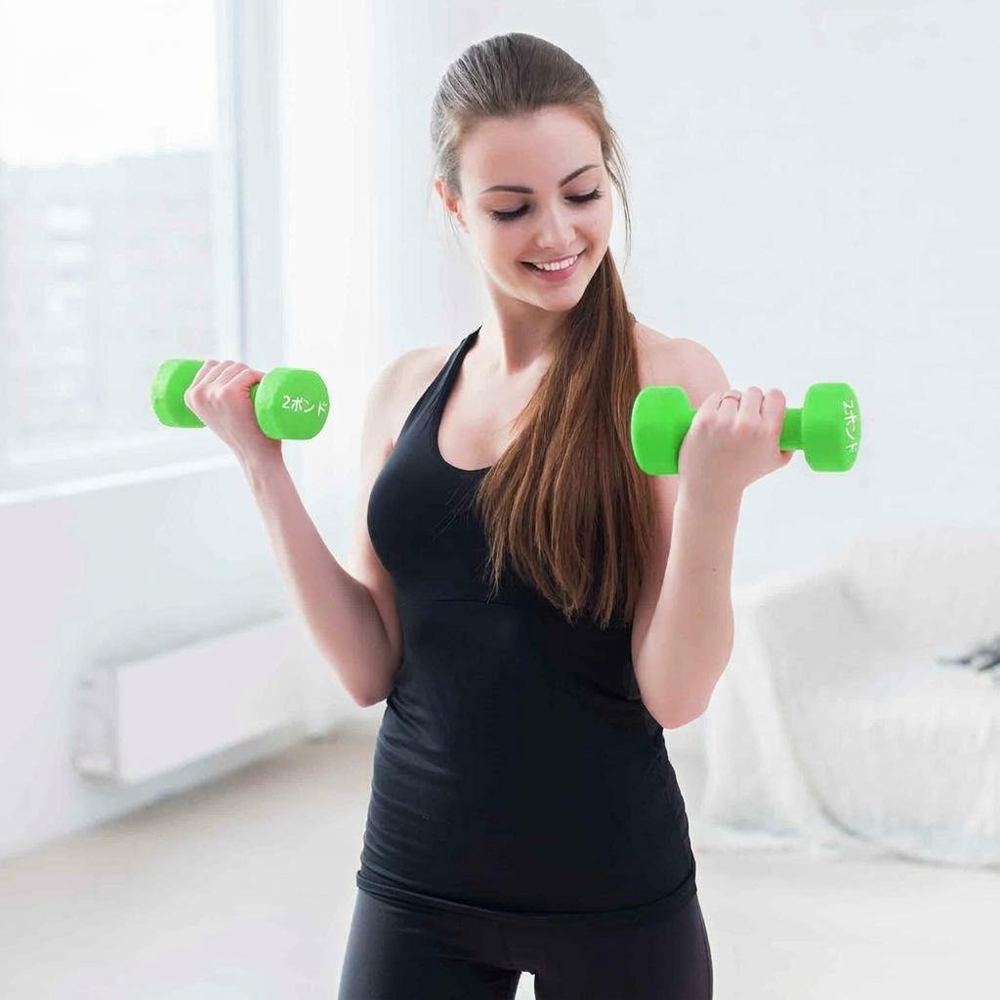
Starting to exercise at home sounds simple — no commute, no gym membership, no audience — yet the first week is where most people quietly give up. Usually it is not motivation that fails. It is the plan: too much, too soon, with no clear idea of what to do on day three. This beginner home workout plan for women fixes that. Over four weeks you will train three short sessions a week, learn the basic movement patterns your body uses every day, and build the habit gently enough that you actually want to keep going.
There are no extreme workouts here and no promises about what your body will look like in a month. What this plan does offer is structure: exactly what to do each day, how to make each exercise easier or harder, and how to progress week by week. Results vary from person to person — strength, energy, sleep, and confidence often improve at different rates — but a plan you can repeat is the part that makes any of it possible.
This guide contains affiliate links. If you buy through them, VÉLORA may earn a commission at no extra cost to you.
What This Plan Is (and Is Not)
This is a starter plan for healthy adults who are new to structured exercise or returning after a long break. The sessions use full-body movements — squats, hinges, pushes, pulls, and core work — because those patterns carry over to real life: lifting shopping bags, climbing stairs, gardening, carrying children.
It is not a medical program. If you are pregnant, recently postpartum, managing a health condition, or recovering from an injury, check with your doctor or a qualified physiotherapist before starting, and follow their guidance over anything written here. Stop any exercise that causes sharp pain, dizziness, or numbness. Mild muscle effort and next-day soreness are normal; joint pain is not.
What You Need to Start
Very little. You need a clear patch of floor, comfortable clothes, water, and ideally three simple tools:
No dumbbells yet? Every exercise below has a bodyweight version, so you can start today and add equipment when you are ready. Our roundup of home gym equipment under $100 is a sensible shopping list if you decide to build gradually.
How the Four Weeks Are Structured
Each week has three workouts (A, B, and C) on non-consecutive days — Monday, Wednesday, Friday is a classic pattern, but any three spread-out days work. Sessions last roughly 25 to 40 minutes including warm-up and cool-down. The weeks build like this:
| Week | Focus | Sets per exercise | Rest between sets | | --- | --- | --- | --- | | 1 | Learn the movements | 1–2 | 60–90 seconds | | 2 | Build the habit | 2 | 45–60 seconds | | 3 | Add a little challenge | 2–3 | 45–60 seconds | | 4 | Consolidate and progress | 2–3, slightly more weight or reps | 30–60 seconds |
Progress in small steps. If an exercise feels easy with good form by week 3, add 2–4 repetitions, slow the lowering phase down, or move to the next dumbbell size — change only one thing at a time.
The Workouts
Workout A: Full-Body Foundations
- Bodyweight squat to a chair. Stand in front of a chair, feet about hip-width apart. Sit your hips back and down until you lightly touch the chair, then stand tall. Keep your chest lifted and knees tracking over your toes. 6–12 repetitions. Beginner option: use the chair for balance. This teaches the squat pattern you use every time you sit and stand.
- Wall push-up. Hands on a wall at chest height, body in one straight line. Bend your elbows to bring your chest toward the wall, then press away. 6–15 repetitions. Harder option: move to a countertop or the floor on your knees.
- Glute bridge. Lie on your back, knees bent, feet flat. Push through your heels to lift your hips until your body forms a line from shoulders to knees; squeeze your glutes at the top, then lower slowly. 8–15 repetitions. This strengthens the glutes and the back of the thighs with no load on the knees.
- Bird dog. On hands and knees, extend one arm and the opposite leg, keeping your hips level. Pause, return, and switch sides. 5–8 repetitions per side. Breathe out as you reach. This builds core stability and balance.
Workout B: Lower Body and Core
- Sit-to-stand with dumbbells (optional). Hold a light dumbbell at your chest and repeat the chair squat from Workout A. 6–12 repetitions.
- Standing hip hinge (Romanian deadlift pattern). Hold light dumbbells in front of your thighs. Soften your knees, push your hips back as if closing a door behind you, keeping your back flat, until you feel a stretch in the back of your thighs. Stand by squeezing your glutes. 8–12 repetitions. Start very light — form matters far more than weight here.
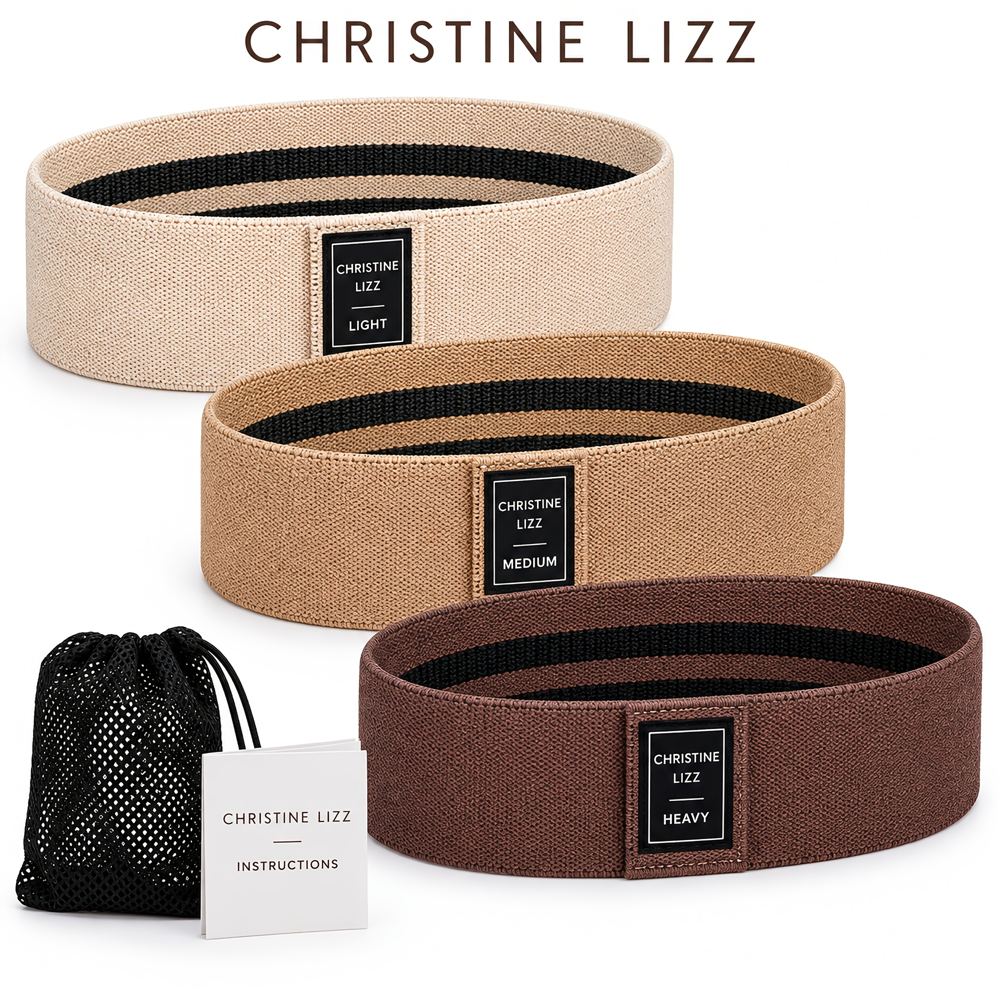
- Band glute bridge or banded march. Place a fabric band above your knees during bridges, pressing knees gently outward. 8–15 repetitions. The Fabric Hip Bands 3-Band Set offers three resistance levels, so you can start with the lightest.
- Dead bug. Lie on your back, arms up, knees bent at 90 degrees. Slowly lower one arm and the opposite leg toward the floor while pressing your lower back gently into the mat. Return and switch. 4–8 repetitions per side. If your back arches, make the movement smaller.
Workout C: Upper Body and Gentle Cardio
- Dumbbell floor press. Lie on your back holding light dumbbells above your chest. Lower your elbows toward the floor with control, then press up. 8–12 repetitions. The floor limits the range, which is friendly for shoulders.
- One-arm dumbbell row (supported). Rest one knee and hand on a sturdy chair or sofa edge, back flat. Hold a dumbbell in the free hand and pull it toward your hip, elbow skimming your ribs. 6–10 repetitions per side.
- March in place with light weights. Hold light dumbbells and march, lifting knees to a comfortable height, for 30–60 seconds. Keep it low-impact — no jumping needed.
- Standing calf raise. Rise onto the balls of your feet, pause, and lower slowly. Hold a wall or chair for balance. 10–15 repetitions.
Warm-Up and Cool-Down
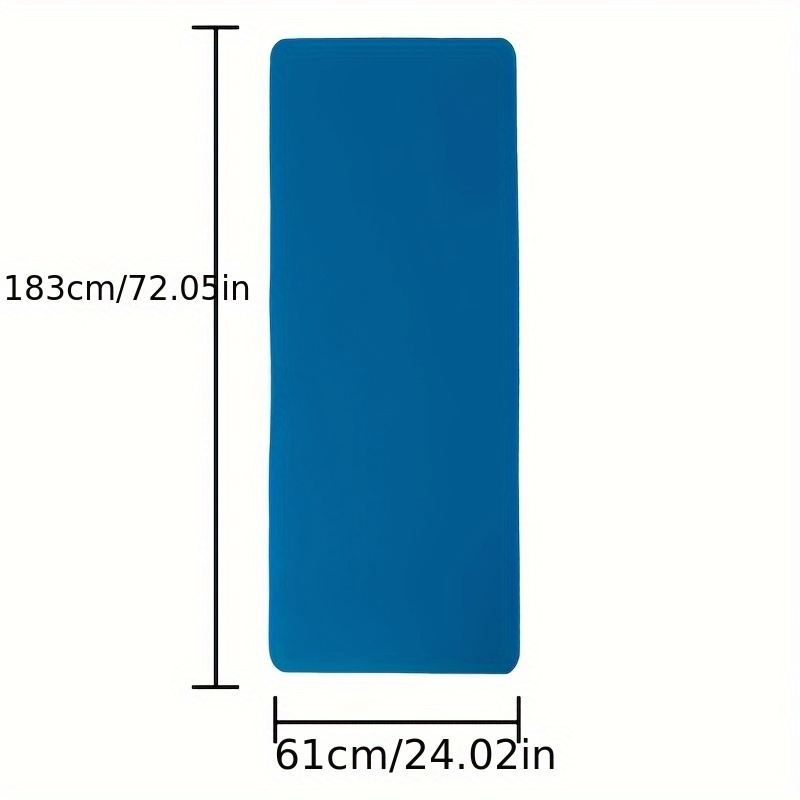
Never skip these; they are part of the workout, not an optional extra. Warm up for about five minutes: march in place, roll your shoulders, circle your arms, do a few gentle bodyweight squats and hip hinges. After the session, cool down with slow walking and gentle stretches — calves, thighs, chest, and back — holding each for 20–30 seconds without bouncing. A comfortable exercise mat makes floor stretches far more pleasant.
Safety Notes and Beginner Modifications
- Form before load. If you cannot keep the technique described, the weight is too heavy or the variation too hard. Drop down a level without guilt — that is training intelligently.
- Breathe steadily. As a rule, exhale on the effort (standing up, pressing, lifting) and inhale on the easier phase. Never hold your breath through a whole set.
- Expect some soreness. Mild muscle soreness 24–48 hours after a new session is common and usually eases as your body adapts. Sharp, stabbing, or one-sided joint pain is a signal to stop and, if it persists, to seek medical advice.
- Rest days matter. Muscles adapt between sessions, not during them. Easy walking, stretching, or complete rest on off days all count as good recovery.
- Hydrate and fuel normally. You do not need special products; regular meals and water support beginner training perfectly well.
FAQ
Q: How many days a week should a beginner work out?
Two to three sessions a week is a sensible starting range for most beginners. It gives each muscle group time to recover while still building a consistent habit. This plan uses three, but if two is what your schedule honestly allows, two done consistently beats three done sporadically.
Q: Do I need dumbbells to follow this plan?
No. Every exercise has a bodyweight version, and weeks 1–2 work well with no equipment at all. Light dumbbells like the 3 Pair PVC Dumbbell Set simply give you more ways to progress once bodyweight feels easy.
Q: What if I miss a week?
Just resume where you left off, or repeat the previous week if the break was long. Missing time is normal in real life; it does not erase your progress. The plan works because it is repeatable, not because it is never interrupted.
Q: Will this plan make me lose weight?
This plan builds strength, mobility, and a regular exercise habit. Body weight depends on many factors — overall activity, food, sleep, health, and genetics — and no exercise plan can promise a specific result or timeline. Think of these four weeks as building the foundation that supports longer-term goals, whatever yours are.
Q: I feel exercises in the wrong muscles. Is that normal?
Often, yes, at first — your body recruits whatever it can while learning. Slow down, reduce the weight, and re-read the form cues. If a muscle group consistently does all the work (for example, your lower back during glute bridges), use the easier modification and smaller range of motion until the pattern feels right.
The Bottom Line
A beginner home workout plan for women does not need to be complicated to be effective. Three short sessions a week, a handful of well-chosen movements, small weekly progressions, and honest rest days will carry you further than any punishing program you abandon by week two. Start with week 1 exactly as written, keep the weights light, and let consistency do the heavy lifting. When the plan starts to feel comfortable, you will know it is working — and you will be ready for the next step.
