Can exercise reduce belly fat? An honest, no-myth guide to what training can and cannot do for your waistline — and the approach that actually works.
The Truth About Belly Fat: What Exercise Can and Cannot Do
"Can exercise reduce belly fat?" It is one of the most searched fitness questions in the world — and one of the most lied-about. Between miracle waist trainers, 7-day flat-belly challenges, and influencers doing a hundred crunches a day, it is genuinely hard to know what is true.
So here is the truth, plainly: exercise helps reduce belly fat, but not the way most marketing claims. No exercise selectively burns fat from your belly. Crunches do not melt waist fat. But regular training — especially strength training and consistent movement — is one of the most powerful tools you have for reducing belly fat over time, because it works on the whole system, not one spot. This guide explains exactly what exercise can and cannot do, and the approach that actually works.
This guide contains affiliate links. If you buy through them, VÉLORA may earn a commission at no extra cost to you.
The Myth: Spot Reduction
Spot reduction is the idea that exercising a body part burns the fat covering it — that crunches burn belly fat, or thigh exercises burn thigh fat. It is intuitive, it sells millions of programs, and it is false.
Here is why: when you exercise, your body draws energy from fat stores systemically, based on genetics, hormones, and overall energy balance — not based on which muscle is working. Your abdominal muscles absolutely get stronger and firmer from ab training. But the fat lying on top of them shrinks only when your body as a whole is in a sustained calorie deficit, and where it shrinks first and last is largely decided by your genes, not your workout.
This is not a matter of opinion or one disputed study — it is the consistent finding of exercise physiology. Anyone promising that a specific exercise "targets belly fat" is either mistaken or selling you something. Our women's fitness myths guide covers this and other persistent myths in more depth.
What Exercise CAN and CANNOT Do for Belly Fat
| Claim | True or False | What Actually Happens | |---|---|---| | Crunches burn belly fat | False | Crunches strengthen the abdominal muscles; the fat layer above them is unaffected by which exercise you do | | Ab workouts give you a flat stomach | False on their own | Stronger abs improve posture and support, but stomach flatness depends mainly on overall body-fat levels | | Cardio reduces belly fat | Partly true | Cardio burns calories, which supports the overall deficit that reduces fat everywhere — including the belly, over time | | Strength training reduces belly fat | True, indirectly | Building muscle raises your resting energy expenditure and improves insulin sensitivity; combined with diet, it is among the most effective long-term strategies | | You can target where fat comes off | False | Fat-loss pattern is genetic and hormonal; you cannot choose the order, though consistency shrinks the total | | Exercise alone guarantees belly fat loss | False | Without attention to food intake, most people simply eat back the calories they burn; exercise is a partner to nutrition, not a replacement | | Less belly fat is achievable for most people | True | With sustained calorie balance, strength training, sleep, and patience, most people meaningfully reduce abdominal fat — results vary and take months, not days |
Why Belly Fat Deserves Attention (Beyond Looks)
This is not really about aesthetics. Abdominal fat — particularly visceral fat, the deeper fat around your organs — is linked to higher risks of heart disease, type 2 diabetes, and metabolic syndrome. That is worth taking seriously at any size and any age.
The good news: visceral fat is also the fat that tends to respond most readily to lifestyle change. Regular exercise, even without dramatic weight loss, measurably improves metabolic health markers. You do not need a flat stomach to be healthier; reducing abdominal fat through sustainable habits pays off long before any visible transformation.
The Approach That Actually Works
There is no secret. The approach that works is unglamorous, which is exactly why it does not go viral:
1. Strength train 2–4 times per week
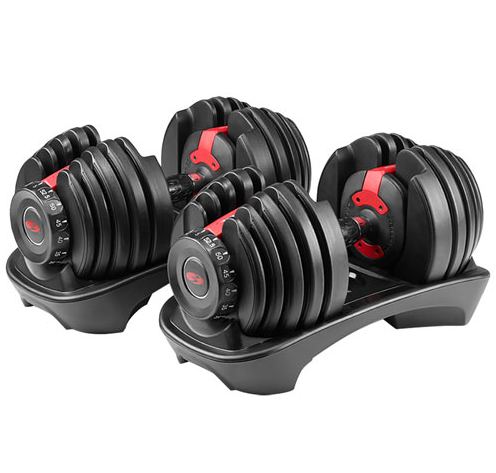
Muscle is metabolically expensive tissue — it burns energy around the clock, and strength training creates an afterburn effect as your body repairs. Full-body sessions beat ab-only routines every time: squats, hinges, pushes, pulls, and carries work far more muscle (and burn far more energy) than crunches. A pair of adjustable dumbbells or a simple PVC dumbbell set covers a complete home program — see our dumbbell exercises for women to get started.
2. Move daily
Formal workouts are only part of your energy expenditure. Daily walking is the most underrated fat-loss tool in existence — it burns calories, improves insulin sensitivity, lowers stress hormones, and nearly everyone can do it. Our walking workout guide shows how to make it progressive. Aim for consistency over heroic step counts; a daily 20–30 minute walk beats a sporadic 10,000-step crusade.
3. Eat in a modest, sustainable deficit
Exercise without nutrition awareness rarely moves the scale, because it is remarkably easy to eat back 300 burned calories (one muffin) while feeling virtuous about the workout. You do not need an extreme diet — a modest deficit of a few hundred calories daily, built on adequate protein, fiber, vegetables, and foods you actually enjoy, is what works long-term. Crash diets reliably backfire: they cost you muscle, slow your metabolism, and the weight returns.
4. Sleep 7–9 hours
Poor sleep raises ghrelin (the hunger hormone), lowers leptin (the fullness hormone), increases cravings for calorie-dense food, and elevates cortisol — which is specifically associated with abdominal fat storage. People who sleep poorly lose less fat on the same diet as good sleepers. Sleep is not a bonus; it is a pillar.
5. Manage stress realistically
Chronic stress keeps cortisol elevated, which promotes abdominal fat storage and drives comfort eating. You cannot eliminate stress, but regular movement, sleep, and even brief daily decompression (a walk, breathing exercises, time with people you like) blunt its metabolic effects.
6. Be patient — think in months
Healthy fat loss runs roughly 0.5–1% of body weight per week for most people, and the belly is often the last place to show it. Anyone promising visible belly-fat loss in days or weeks is not being honest with you. Results vary widely with starting point, age, hormones, consistency, and genetics.
A Sample Week That Follows This Approach

| Day | Activity | Purpose | |---|---|---| | Monday | Full-body strength (30–40 min) | Build muscle, raise metabolism | | Tuesday | Brisk walk (20–30 min) | Active recovery, calorie burn | | Wednesday | Full-body strength (30–40 min) | Build muscle, raise metabolism | | Thursday | Rest or gentle stretching | Recovery | | Friday | Full-body strength or bodyweight circuit (30 min) | Muscle + conditioning | | Saturday | Longer walk or activity you enjoy | Sustainable calorie burn | | Sunday | Rest | Recovery |
Notice what is missing: there is no "belly fat day," because there is no such thing. There is also no punishment — three strength sessions and daily walking is a program most women can sustain for years, and years are what change bodies. For scheduling help, see how often women should work out.
Safety and Sanity Notes
- Do not chase rapid weight loss. Losing weight too fast costs muscle, disrupts hormones, and is strongly associated with regain. Slow is not a flaw in the plan; it is the plan.
- Be wary of waist trainers, "fat-burning" teas, wraps, and vibration belts. None of them reduce belly fat; some are uncomfortable or unsafe.
- If you carry significant abdominal fat with other risk factors (high blood pressure, blood sugar issues, family history of heart disease), talk to your doctor — lifestyle change is powerful, and medical guidance makes it safer and more effective.
- Disordered eating patterns (bingeing, purging, extreme restriction) need professional support, not a workout plan. If food feels out of control, please reach out to a qualified counselor or dietitian.
FAQ
Q: Can exercise reduce belly fat?
Yes — but indirectly. Exercise burns calories and builds muscle, both of which support the overall fat loss that eventually includes the belly. No exercise reduces belly fat selectively or preferentially; it reduces total body fat, and your body decides the order. Strength training plus daily movement plus sensible eating is the evidence-backed combination.
Q: Will doing 100 crunches a day give me a flat stomach?
No. A hundred crunches strengthen your abs and may irritate your neck and back, but they do not burn the fat covering those muscles. A flat stomach is overwhelmingly a function of overall body-fat levels. If you enjoy core work, do it for strength and posture — our beginner core workout is a safer start than crunch marathons.
Q: Is cardio or strength training better for belly fat?
Both help, and the best choice is the one you will do consistently. Cardio burns more calories per session; strength training builds the muscle that keeps your metabolism higher around the clock and protects against muscle loss while dieting. Most experts recommend both. If you must pick one, pick strength training — muscle is the long-term investment.
Q: How long does it take to lose belly fat?
Longer than anyone selling a program will admit. With consistent training, sensible eating, and good sleep, most people notice their waistband loosening within 8–12 weeks, with meaningful change over 4–6 months. The belly is often the last area to visibly change. Anyone promising faster results is not being straight with you, and results vary considerably between individuals.
Q: Does stress really cause belly fat?
Chronic stress does not directly deposit fat, but it creates the conditions: elevated cortisol is associated with abdominal fat storage, and stress reliably drives poorer sleep and comfort eating — both of which undermine fat loss. Managing stress is a legitimate part of the strategy, not wellness fluff.
Q: I am doing everything right and my belly is not shrinking. Why?
Several honest possibilities: it may not have been long enough (belly fat is stubborn and last to go); the calorie deficit may be smaller than estimated (most people underestimate intake); sleep or stress may be undermining progress; or hormonal factors (perimenopause, thyroid, certain medications) may be involved. If you have been genuinely consistent for 3+ months with no change, it is worth discussing with your doctor rather than training harder.
The Bottom Line
Exercise can reduce belly fat — through total-body fat loss, not targeted melting. The formula is boring and it works: strength train regularly, walk daily, eat a little less than you burn, sleep well, manage stress, and give it months. Ignore anyone selling a shortcut to a flat stomach in days. Your waistline responds to systems, not tricks — and the system above is one you can live with.
