How many days a week should women work out? Honest guidance for beginners to advanced lifters, sample schedules, and how to spot overtraining.
How Many Days a Week Should Women Work Out?
"How often should I work out?" is one of the most-searched fitness questions — and one of the most overcomplicated. You will find confident answers ranging from two days to seven, usually from someone selling a program. The honest answer is less exciting but far more useful: it depends on your experience, your goals, your recovery, and the life you have to fit it around. This guide gives you clear, standard guidance for how many days a week women should work out — from complete beginners to experienced lifters — plus sample schedules and the warning signs that you are doing too much.
One principle runs through everything below: consistency beats volume. Three sessions a week done for a year will always outperform six sessions a week abandoned by March. And no schedule can promise specific results or timelines — individual results vary with genetics, nutrition, sleep, stress, and health.
This guide contains affiliate links. If you buy through them, VÉLORA may earn a commission at no extra cost to you.
The Short Answer (by Experience Level)
If you want the quick version, here it is — with the important caveats in the sections that follow:
| Experience level | Days per week | Session length | Notes | | --- | --- | --- | --- | | Complete beginner | 2–3 | 25–40 min | Full-body sessions, rest days between | | Beginner–intermediate (3–12 months) | 3–4 | 30–50 min | Can split upper/lower or add a cardio day | | Intermediate (1–2 years) | 3–5 | 40–60 min | Structured splits, planned rest days | | Advanced (2+ years) | 4–6 | 45–75 min | Higher volume, deload weeks needed |
These are ranges, not prescriptions. A busy mother of three doing two focused sessions a week is training "correctly." A retired woman walking daily plus lifting twice a week is training "correctly." The right frequency is the highest one you can sustain without dreading it.
Why Beginners Should Start with 2–3 Days
New exercisers adapt fastest with 2–3 full-body sessions per week, and there are solid reasons for this:
- Recovery takes longer when everything is new. Unfamiliar movements cause more muscle damage and soreness. Training the same muscles daily as a beginner is a fast track to burnout.
- Habit formation needs breathing room. Two or three sessions feel achievable; five feels like a second job. You can always add days later — you cannot get back motivation spent on an unsustainable start.
- Full-body sessions cover everything. At 2–3 days a week, each session trains the whole body (push, pull, legs, core), so no muscle group is neglected. Our beginner home workout plan is built exactly this way — three 25–40 minute sessions with built-in progression.
Leave at least one rest day between strength sessions when you are starting out. Walking, gentle stretching, or yoga on off days is fine and often helps soreness.
Strength vs. Cardio: How to Split Your Days
Most women benefit from both strength training and cardiovascular exercise. How you combine them depends on your days:
- 2 days/week: two full-body strength sessions. Add short walks on other days if you like.
- 3 days/week: two strength sessions + one cardio session, or three full-body strength sessions with a 10-minute cardio finisher.
- 4 days/week: two upper-body + two lower-body strength days, or three strength days + one dedicated cardio day.
- 5 days/week: a classic split — for example, upper, lower, cardio, upper, lower — with two full rest days.
- 6 days/week: only for experienced trainees with structured programming, planned lighter days, and regular deload weeks.
Combining strength and cardio in one session is perfectly fine — do strength first (when you are fresh and form matters most), then 15–25 minutes of cardio. A workout timer helps you keep rest periods and intervals honest without watching the clock.

Sample Weekly Schedules
Beginner: 3 Days (Full Body)
| Day | Session | | --- | --- | | Monday | Full-body strength A (squat, push-up, row, bridge, core) — 30 min | | Tuesday | Rest or 20-min walk | | Wednesday | Full-body strength B (hinge, press, pulldown, lunge, core) — 30 min | | Thursday | Rest or gentle yoga | | Friday | Full-body strength C (mix of A and B favorites) — 30 min | | Weekend | Rest, walking, life |
Intermediate: 4 Days (Upper/Lower Split)
| Day | Session | | --- | --- | | Monday | Upper body (push + pull) — 45 min | | Tuesday | Lower body (squat, hinge, glutes, calves) — 45 min | | Wednesday | Rest or easy cardio | | Thursday | Upper body — 45 min | | Friday | Lower body + 15-min cardio finisher — 50 min | | Weekend | Rest, one active day (hike, swim, yoga) |
Busy Schedule: 2 Days (Minimum Effective)
| Day | Session | | --- | --- | --- | | Day 1 | Full-body strength: squat, row, push-up, Romanian deadlift, plank — 40 min | | Day 2 (2–3 days later) | Full-body strength: lunge, pulldown, floor press, glute bridge, dead bug — 40 min | | Other days | Walk when you can; no guilt |
Two well-designed sessions beat zero sessions every time. If this is your reality right now, own it proudly.
Rest Days Are Training Too
Muscles do not grow during workouts — they adapt during recovery between them. Skipping rest is one of the most common ways women stall their own progress:
- Sleep matters as much as sessions. Most adults need 7–9 hours; hard training on chronic short sleep leads to plateau, not progress.
- Active recovery counts. Walking, gentle cycling, stretching, and yoga on rest days promote blood flow without adding fatigue. A comfortable exercise mat makes floor-based recovery work far more pleasant.
- Deload regularly. Every 4–8 weeks of structured training, take an easier week (roughly half the usual volume). You will come back stronger, not weaker.
Signs You Are Training Too Much (Overtraining)
More is not always better. Watch for these signals that your frequency or intensity exceeds your recovery:
- Persistent fatigue that does not lift after rest days.
- Performance declining — weights that used to feel manageable now feel heavy.
- Trouble sleeping, or waking unrefreshed despite enough hours.
- Frequent colds or slow healing.
- Loss of motivation or dreading sessions you used to enjoy.
- Nagging joint or tendon pain that never fully resolves.
- For some women, menstrual cycle disruptions — worth discussing with a doctor.
If several of these appear together, the fix is usually simple: cut back to 2–3 easier sessions for a week or two, sleep more, and reassess. Training should add energy to your life, not drain it.
Adjusting for Your Life Stage
- Women over 40: recovery can take a little longer, and strength training becomes even more important for bone density and muscle maintenance. Three to four sessions with emphasis on strength is a sweet spot for many. Our guide to fitness equipment for women over 40 covers the tools worth having.
- Pregnant or postpartum: get your provider's clearance before starting or continuing any routine, and follow their guidance over any general schedule. Walking and gentle strength work are commonly recommended, but every pregnancy is different.
- Managing a health condition: conditions like arthritis, diabetes, or heart disease change the equation — your doctor or physiotherapist should help set your frequency.
- High stress or poor sleep seasons: it is smart to temporarily reduce to 2–3 lighter sessions. Training is a stressor; during already-stressful periods, less is genuinely more.
Equipment That Supports Any Schedule
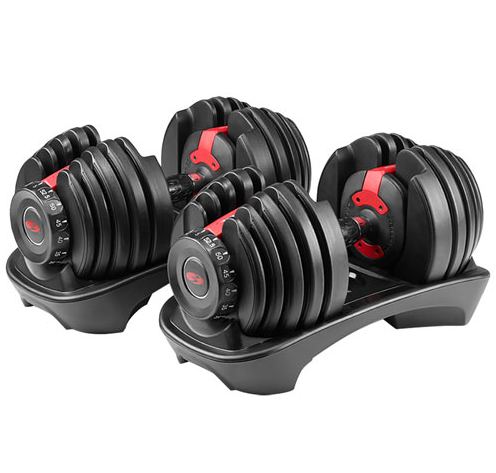
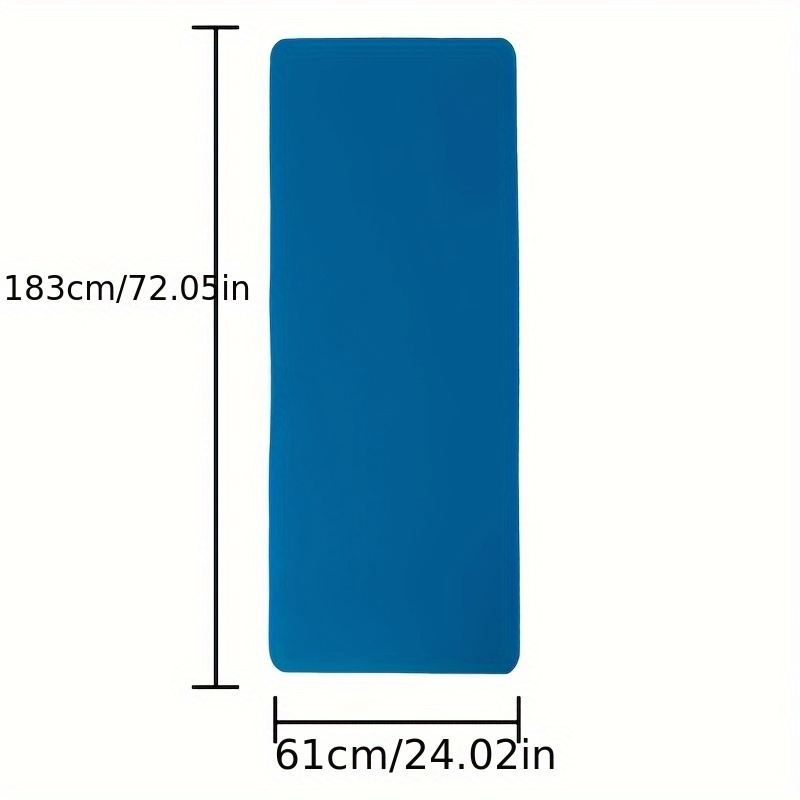
You do not need much to train 2–5 days a week at home. Adjustable dumbbells like the Bowflex SelectTech 552 pair replace a whole rack in one footprint — ideal when your program calls for different weights on different days. Our guide to choosing dumbbells walks through weights, coatings, and space considerations. Add a mat and you have a complete home setup for every schedule in this article.
FAQ
Q: Is working out every day bad?
Not necessarily — but daily hard training is. Active people who move every day usually mix hard sessions with easy ones: lifting 3–4 days, walking or yoga on the others. True rest days (or very easy days) are what let the hard days work. If every day is intense, expect the overtraining signs above within weeks.
Q: Can I work out just 2 days a week and still see progress?
Yes, especially as a beginner or when returning after a break. Two full-body strength sessions a week produce meaningful strength gains for months. Progress slows eventually compared to higher frequencies, but two consistent days will always beat an ambitious plan you cannot sustain.
Q: How long should each workout be?
For most women, 30–60 minutes is the practical range. Beginners do well with 25–40 minutes; intermediate sessions run 40–60. Beyond about 75–90 minutes, focus and form usually deteriorate unless you are deliberately programming long sessions with proper fueling and rest.
Q: Should I do cardio and strength on the same day or separate days?
Either works. Same-day sessions save calendar days (strength first, cardio after); separate days let you give each full energy. Choose based on your schedule, not on a rule. Total weekly volume matters far more than how you arrange it.
Q: I missed a week. Do I need to start over?
No. One missed week barely dents fitness — just resume your normal schedule, perhaps one notch lighter for the first session back. After 2–4 weeks off, spend a week or two rebuilding before returning to full intensity. Fitness is remarkably forgiving of interruptions; it punishes only permanent quitting.
Q: Does the time of day I work out matter?
Only in that the best time is the time you will actually do consistently. Morning exercisers tend to be more consistent; evening exercisers often perform slightly better. Neither difference is large enough to override your schedule and preferences.
The Bottom Line
How many days a week should women work out? Start with 2–3 full-body sessions if you are new, move to 3–5 as you gain experience, and treat rest days as part of the program — not laziness. Mix strength and cardio across your week, watch for the signs of doing too much, and adjust for your life stage and stress levels. The perfect schedule is not the one in a magazine; it is the one you can repeat, week after week, without dreading it. Pick your number, start there, and let consistency — not intensity — do the heavy lifting.
