The best exercise equipment for women over 40 is joint-friendly, low-impact and recovery-aware. Here are five gentle, effective picks for training at home.
Best Exercise Equipment for Women Over 40: Strong, Steady, Joint-Friendly
Something shifts in our forties. The workouts that used to leave us energized start leaving us sore in places we didn't know could be sore. Recovery takes an extra day. Knees have opinions. But here's the truth that matters more: this is precisely the decade when strength training pays the highest dividends — for bone density, balance, metabolism, and the simple confidence of feeling capable in your own body.
The best exercise equipment for women over 40 isn't about going harder. It's about training smarter: joint-friendly resistance, low-impact cardio that doesn't punish your knees, support for balance, and recovery tools that help you show up again tomorrow. We compared specs and buyer feedback to pick five affordable pieces that respect all of that — no jumping, no joint-wrecking, no gym required.
This guide contains affiliate links. If you buy through them, VÉLORA may earn a commission at no extra cost to you.
What to Look for After 40
Your criteria genuinely change in this decade, and good equipment choices reflect that rather than pretending otherwise.
- Joint-friendly resistance. Bands and light, controlled movements build muscle and support bone density without the joint load of heavy free weights or high-impact work. This is the foundation.
- Low-impact cardio. Your heart needs work; your knees need mercy. Steppers and climbers raise your heart rate while your feet stay supported — no pounding.
- Balance support. Balance quietly becomes a fitness priority. Equipment that can be used near a wall or sturdy chair, and mats with real grip, make training safer and more confident.
- Cushioning. A thin mat on a hard floor is a recipe for aching knees and wrists. Thickness — 8mm and up — stops being a luxury and becomes the point.
- Recovery tools. Recovery isn't indulgence now; it's programming. What helps you recover determines how often you can train, and frequency beats intensity at every age.
- Ease of starting. The best equipment is the kind with zero setup friction. If it lives in a drawer or stands in the corner ready to go, you'll use it.
A Sensible Weekly Rhythm
You don't need a complicated program. Three strength sessions a week with bands (30-40 minutes), low-impact cardio on two or three other days (even 15-20 minutes counts), and a few minutes of recovery work after sessions will cover strength, heart health, balance and mobility. Rest days are part of the plan, not a failure of it — muscles genuinely rebuild then, and they rebuild a little more slowly than they did at 25. That slower pace is fine. Consistency over months is what transforms how you feel.
Our Top Picks
3pcs TPE Light Resistance Bands — $1.70
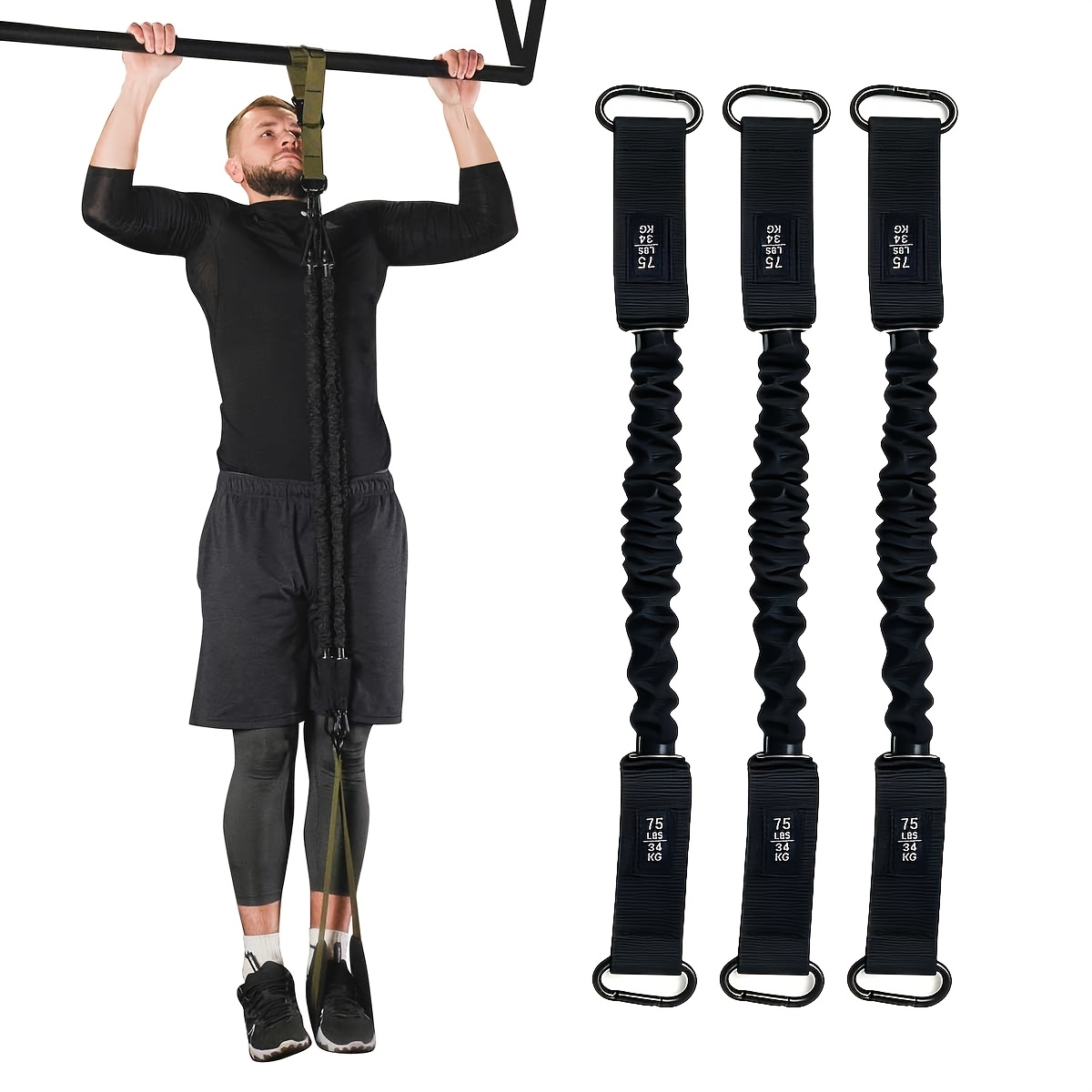
Start here. Light resistance bands are the gentlest possible entry into strength training — no weights to drop, no joints compressed under load, and resistance that increases smoothly as you stretch. This inexpensive 3-piece TPE set gives you options for arms, shoulders, glutes and gentle rehab-style work. At $1.70, it's quite possibly the highest-value item in this entire guide; keep a band in a drawer and "I don't have time" loses most of its power.
Pros:
- Extremely affordable — an easy, no-regret start
- Gentle, joint-friendly resistance ideal for beginners and returners
- Takes up zero space; travels anywhere
Cons:
- Light resistance only — you'll outgrow it for lower-body strength
- Bands wear out over time and need replacing
- No handles, so grip comfort depends on you
View on VÉLORA
8mm Thick Yoga Mat — $12.39
If you buy one thing for floor work, make it a thick mat. At 8mm, this one cushions knees during lunges and floor exercises, softens wrist pressure in modified planks, and makes stretching and balance work feel stable rather than punishing. The non-slip surface matters too — confidence in your footing is part of balance training. It pairs with everything else in this guide.
Pros:
- 8mm cushioning protects knees, elbows and hips on hard floors
- Non-slip surface supports balance work
- Versatile: strength, stretching, yoga, recovery
Cons:
- Thicker mats feel slightly less stable for standing balance drills — work near a chair
- Bulkier to roll and store than thin mats
- One mat, one thickness — no dual-density options
View on VÉLORA
Mini Stepper Machine with Resistance Bands — Rs 13,500
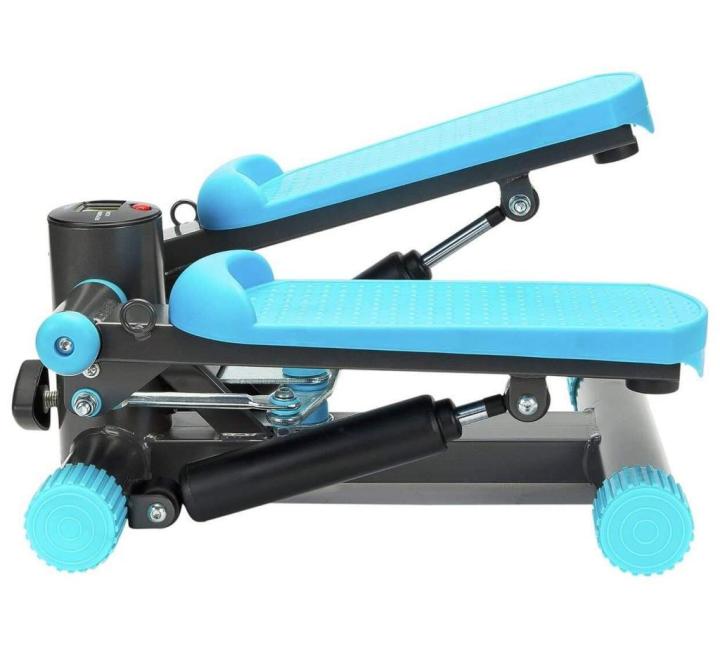
This is low-impact cardio with a bonus. The stepping motion raises your heart rate and works glutes and legs while your feet never leave the pedals — no impact, no jumping, nothing your knees will protest about tomorrow. The attached resistance bands let you add upper-body work (rows, presses, curls) while you step, turning one compact machine into a full session. It also fits in a corner and comes out only when you train.
Pros:
- True low-impact cardio — kind to knees and hips
- Resistance bands add upper-body training in the same session
- Compact footprint, easy to store
Cons:
- Stepping range of motion is modest; it's conditioning, not hiking
- Balance takes a session or two to trust — start near a wall
- Hydraulic steppers need occasional cool-down between long sessions
View on VÉLORA
Air Climber Aerobic Stair Stepper — Rs 24,999
The step up (no pun intended) from the mini stepper. The Air Climber's gliding stair motion is famously easy on joints — the movement is smooth and cushioned, more like climbing a gentle escalator than stomping stairs. It's aimed squarely at aerobic fitness: longer, steadier sessions that build stamina and support heart health without impact. If cardio consistency is your main goal and you have a bit more budget and floor space, this is the pick.
Pros:
- Smooth, cushioned climbing motion — very joint-friendly
- Built for longer aerobic sessions and stamina
- Low-impact way to genuinely raise your heart rate
Cons:
- Higher price and larger footprint than the mini stepper
- Focused on cardio; strength work needs the bands or mat alongside
- Assembly required out of the box
View on VÉLORA
Deep Tissue Massage Gun, Portable & Quiet — $20.75
The recovery pick, and not a luxury. A massage gun used for three to five minutes after training genuinely helps with the next-day stiffness that discourages so many women from staying consistent — and at this age, consistency is everything. This one is portable and quiet (the quiet matters more than you'd expect; a rattly gun gathers dust). Use it on calves, quads, glutes and shoulders at low settings, avoiding joints and bones. Honestly, for many women over 40, this is the purchase that makes all the other purchases work.
Pros:
- Eases post-workout stiffness — supports training consistency
- Portable and quiet enough for evening use
- Multiple attachments for different muscle groups
Cons:
- Not for use on joints, spine or injured areas
- Battery devices need regular charging
- Complements stretching; doesn't fully replace it
View on VÉLORA
Protecting Your Joints While You Build Strength
A few habits make all of this equipment work better. Warm up for five minutes — marching in place, gentle step touches — before anything else. Favor controlled tempo over speed; two seconds up, two seconds down builds muscle and spares joints. If knees are a concern, our guide to the best yoga mat for bad knees goes deeper on cushioning and setup. And explore the full range of gentle training gear in our home workouts collection. If you have a medical condition or a history of joint problems, check in with your doctor before starting — that's not caution theater, it's just smart.
Frequently Asked Questions
Is strength training safe for women over 40?
For most healthy women, it's not just safe — it's one of the most valuable things you can do. Resistance training supports bone density, muscle mass, balance and blood sugar control, all of which matter more in your forties and beyond. Start light, prioritize form, and progress gradually. If you have osteoporosis, joint replacements or other conditions, get your doctor's guidance on specifics first.
How often should a woman over 40 exercise at home?
A realistic target is strength work two to three times a week, plus low-impact cardio on two or three days — even 15-20 minutes counts — and daily gentle movement like walking. Build up over several weeks rather than starting at full volume. Rest days are part of the program.
What if my knees hurt when I exercise?
Choose low-impact options (steppers, bands, floor work on a thick mat), avoid deep knee bends under load, and keep range of motion in the pain-free zone. Mild muscle effort is fine; sharp or worsening joint pain is a stop signal. Persistent knee pain deserves a professional assessment, not just new equipment.
Can resistance bands really build bone density?
Bands provide genuine resistance that loads muscles and, through them, bones — especially with progressive challenges like squats, rows and hip work. They're a legitimate tool, though combining band work with weight-bearing cardio (stepping, walking) gives bones the fuller stimulus they respond to best.
Do I need recovery tools, or is that marketing?
Recovery support is real, with honest limits. A massage gun can ease perceived soreness and help you feel ready for the next session; sleep, protein and rest days do the heavy lifting behind the scenes. Think of recovery tools as consistency insurance — they make showing up tomorrow easier, and that's where results actually come from.
The Bottom Line
Begin with the bands and the thick mat — together they're under $15 and they cover gentle strength, floor work and balance. Add the mini stepper when you want low-impact cardio in the same small footprint, and the massage gun to keep soreness from breaking your streak. None of this asks your joints for permission they can't give. It simply asks you to start — kindly, consistently, and at your own pace.