Walking workouts for women: turn daily steps into real training with intervals, hills, pacing plans, and simple strength add-ons — no gym required.
Walking Workouts for Women: Turn Daily Steps Into Training

Walking is the most underrated workout there is. It needs no membership, no special skill, and no recovery day — yet most of us walk at exactly one speed, on exactly one route, and wonder why it stops feeling like exercise. The difference between a stroll and a walking workout is structure: deliberate pace changes, hills or intervals, and a plan that progresses week to week.
This guide shows how to turn the steps you already take into genuine training — for cardiovascular fitness, leg endurance, mood, and the habit of moving daily. No promises about weight or timelines: bodies respond differently, and walking's real superpower is that you can do it consistently for decades.
This guide contains affiliate links. If you buy through them, VÉLORA may earn a commission at no extra cost to you.
Why Walking Counts as Real Training
Brisk walking raises your heart rate into the moderate-intensity zone — the level health guidelines point to for cardiovascular benefit — while staying gentle on joints. It trains the calves, glutes, and postural muscles, clears the mind, and fits into a day without scheduling gymnastics. For beginners, returning exercisers, and anyone who dislikes intense workouts, it is arguably the best starting point in fitness. And unlike most exercise, it scales: the same walk can be easy recovery or a serious workout depending on how you structure it.
The Three Ways to Make Walking Harder
| Method | How it works | Best for | | --- | --- | --- | | Pace intervals | Alternate brisk and easy segments | Cardiovascular fitness, time efficiency | | Hills or incline | Climb during the walk | Leg strength, glute endurance | | Added load | Weighted vest or light ankle weights | Extra challenge once the basics feel easy |
You only need one method at a time. Beginners should master brisk steady walking first, add intervals second, and consider hills or load only when those feel comfortable.
Gear That Helps (All Optional)
- A step-tracking smartwatch. Seeing your pace, distance, and heart rate turns vague walks into measurable workouts — and the feedback loop is motivating. The Women's Smart Watch with Fitness Tracker tracks steps, sports modes, and heart rate without fuss.
- Supportive walking shoes. The single most important gear choice. They should fit with thumb-width space at the toes and feel good at minute 40, not just minute 4.
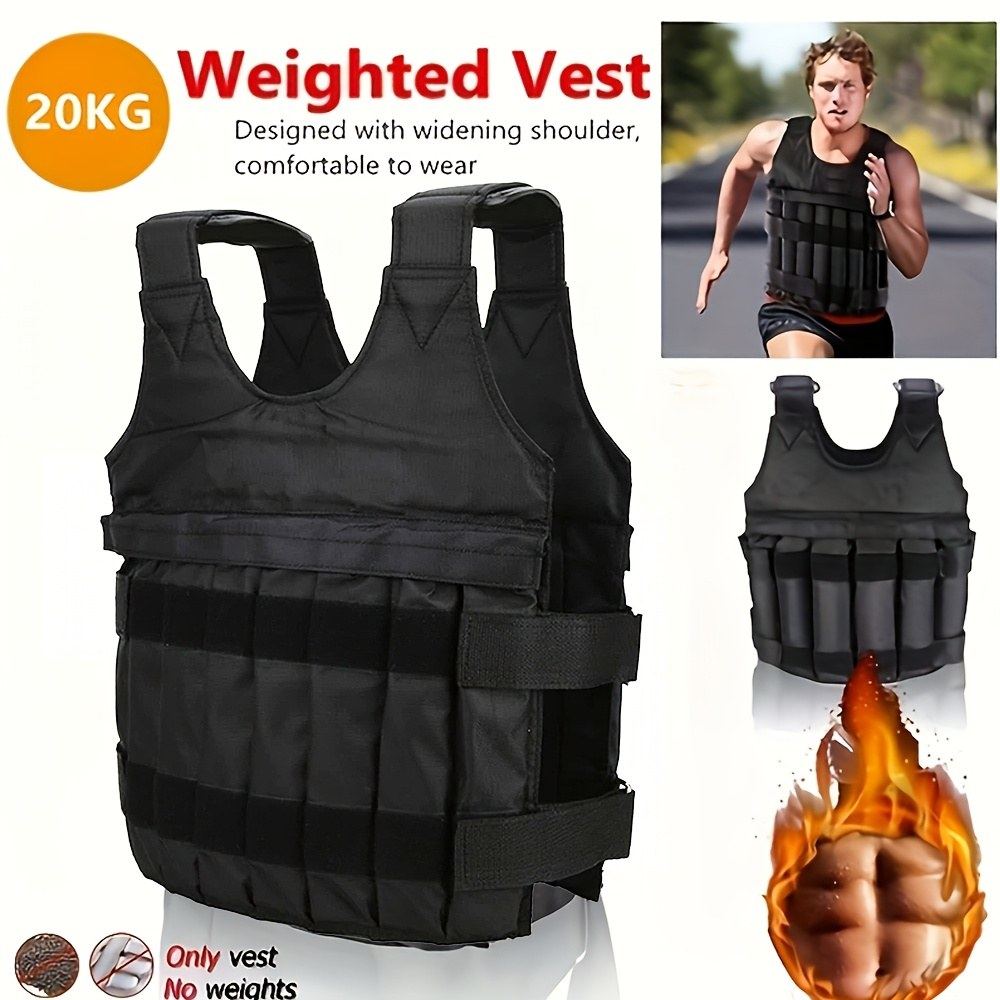
- A weighted vest (advanced). Adding load increases intensity without changing your route. The Unisex Adjustable Weighted Vest lets you start light and add weight gradually. Important: keep the load modest (a small fraction of body weight), skip it if you have back, knee, or pelvic-floor issues, and get provider clearance if you are pregnant or managing a condition.
- Light ankle weights (advanced). The Bala Bangles 3 lb Set can add gentle resistance to walks — but start with very short distances, as ankle loading changes your gait. Our ankle weights guide covers safe use in detail. Most walkers never need these; intervals and hills do the job.
- Water. Bring it on walks over 30 minutes, especially in heat.
A 4-Week Beginner Walking Plan
Walk 4–5 days a week. "Brisk" means you can talk in short sentences but not sing — you should feel your breathing deepen.
| Week | Session structure | Total time | | --- | --- | --- | | 1 | Steady comfortable pace throughout | 20–25 min | | 2 | Steady brisk pace throughout | 25–30 min | | 3 | Intervals: 3 min brisk / 2 min easy, repeated | 30 min | | 4 | Intervals: 4 min brisk / 1–2 min easy, repeated | 30–35 min |
If you miss days, just repeat the current week — the plan works because it is repeatable, not because it is never interrupted. Pair it with 2 days of basic strength work (our beginner home workout plan fits perfectly) for a complete routine.
The Interval Walking Workout (Your Core Session)
Once week 3 arrives, this becomes your main workout, 2–3 times a week:
- Warm up (5 minutes). Easy pace, letting your stride lengthen naturally. Roll your shoulders and unclench your jaw — tension wastes energy.
- Brisk intervals (15–20 minutes). Walk briskly for 3–4 minutes, then ease off for 1–2 minutes. Repeat 4–5 times. During brisk segments, pump your arms (bent elbows, hands relaxed) and push off firmly through the back foot.
- Hill option. If your route has a hill, do 3–5 repeats: brisk up, easy down. Shorten your stride uphill and keep your torso tall rather than leaning far forward.
- Cool down (5 minutes). Easy pace, then gentle calf, thigh, and hip stretches, holding each 20–30 seconds.
Breathing: breathe rhythmically through nose and mouth; if you cannot catch your breath, the brisk segment is too hard — slow it down. There is no prize for suffering.
Walking + Strength: The 10-Minute Add-On
Twice a week, finish a walk with this mini strength circuit — no equipment needed, though a loop band adds challenge (see our resistance band workout guide):
- Bodyweight squats: 2 sets of 8–15 reps, sitting back as if to a chair.
- Standing calf raises: 2 sets of 12–20 reps, slow lowering.
- Wall push-ups: 2 sets of 8–15 reps, body in one straight line.
- Standing march with high knees: 30–45 seconds, 1–2 rounds.
This combination — walking for the heart and lungs, simple strength for muscles and bones — covers the essentials of fitness in about 40 minutes.
Walking Form: Small Fixes, Big Difference
- Posture: tall through the crown of your head, shoulders relaxed and slightly back, gaze forward — not down at your phone.
- Stride: let it lengthen naturally from the push-off behind you, not by overreaching in front (overstriding jars the knees and slows you down).
- Arms: bent at roughly 90 degrees, swinging forward and back — not across your body.
- Feet: land on the heel or midfoot and roll through to push off the toes. Avoid stomping or shuffling.
Common Mistakes
- Always walking the same speed. Your body adapts quickly; without intervals or hills, progress stalls. Vary the stimulus.
- Skipping the warm-up. The first five easy minutes protect calves and Achilles tendons, especially on cold mornings.
- Adding load too soon. Master brisk intervals and hills before touching a weighted vest. Load on top of poor conditioning is how knees complain.
- Walking through pain. Muscle effort is fine; sharp shin, knee, or foot pain is a signal to stop, rest, and get advice if it persists.
Safety Notes
Check with your doctor before starting if you are pregnant, postpartum, or managing a heart condition, diabetes, severe arthritis, or balance problems. Walk facing traffic where there is no sidewalk, wear reflective gear in low light, and stay hydrated — especially in heat. Stop and seek care for chest pain, unusual shortness of breath, or dizziness.
FAQ
Q: How many steps a day should a woman aim for?
There is no magic number that fits everyone. The popular 10,000-step target is a marketing round number, not a medical prescription — research generally shows benefits climbing steeply up to roughly 7,000–8,000 daily steps and then leveling off, with every individual varying. Better goal: track your current average for a week with a fitness smartwatch, then add 1,000–2,000 steps gradually.
Q: Is walking enough to lose weight?
Walking supports an active lifestyle, which matters for long-term weight management — but body weight depends on overall activity, food, sleep, health, and genetics together, and no exercise can promise a specific result or timeline. Think of walking as the foundation habit that makes every other health goal easier.
Q: Should I walk every day or take rest days?
Easy walking can be daily — it is also active recovery. But your harder sessions (long brisk intervals, hill repeats, weighted walks) deserve rest or easy days between them, just like any training. Listen to persistent fatigue or soreness: they mean back off.
Q: Is it better to walk fast for 20 minutes or slow for an hour?
Both have value, and they are not interchangeable: brisk walking trains cardiovascular fitness more efficiently, while longer easy walks add total activity and are wonderful for mood and recovery. If time is short, choose brisk; if you have the time and enjoy it, longer easy walks are excellent too.
Q: Are ankle weights safe for walking?
For most people they are unnecessary, and they change your gait mechanics — which is why the guidance is cautious: keep them very light, use them only on short flat walks at first, and stop if your knees, hips, or stride feel off. Intervals and hills give most walkers all the challenge they need without the trade-offs.
The Bottom Line
Walking workouts for women need no gym, no special talent, and no recovery day — just structure. Walk briskly, add intervals, find a hill, track your progress, and sprinkle in a little strength work. Do that most days and you have built one of the most sustainable fitness habits that exists: training disguised as the simplest thing you already do.
