Nine persistent women's fitness myths, gently debunked: lifting won't make you bulky, spot reduction doesn't work, and what to do instead.
Women's Fitness Myths: 9 Claims That Need to Go

Fitness advice aimed at women has a long memory — and much of what it remembers is wrong. Well-meaning friends, old magazines, and gym-floor folklore keep repeating claims that were shaky decades ago and have not improved with age. The result is that many women train cautiously, avoid the very exercises that would help them most, or feel guilty about things that were never problems to begin with.
This guide takes nine of the most persistent myths about women's fitness and examines each one honestly. Where a myth contains a grain of truth, you will find it. Where it is simply wrong, you will find what the evidence actually suggests instead — and what to do differently. Results vary from person to person; there are no promises of transformations here, only clearer thinking and better training decisions.
This guide contains affiliate links. If you buy through them, VÉLORA may earn a commission at no extra cost to you.
Myth 1: Lifting Weights Will Make You "Bulky"
This is the most famous one, and the one that has kept the most women away from the weight room. It is understandable: if you have seen bodybuilders with enormous arms, you might assume any lifting leads there.
The reality is far less dramatic. Building substantial muscle mass takes years of dedicated, progressive training, a deliberate calorie surplus, and favorable genetics — and for women, notably lower testosterone levels make it harder still. What lifting usually produces, especially in the first year or two, is a stronger, firmer, more defined version of the body you already have.
Practical takeaway: do not be afraid to pick up weights that challenge you. A set like the 3 Pair PVC Dumbbell Set with Case gives you light, medium, and slightly heavier options so you can progress as movements get easy. If you want to understand how strength training actually changes body composition, our guide on toning versus building muscle breaks it down in detail.
Myth 2: You Can Burn Fat From Specific Areas
Endless crunches to shrink your waist, thigh exercises to slim your thighs — the idea of "spot reduction" is one of the most commercially successful myths in fitness history. Unfortunately, your body does not work that way.
When you exercise, your body draws energy from fat stores all over, not preferentially from the muscles being worked. What targeted exercises do accomplish is strengthening and firming the muscles underneath — which is genuinely worthwhile. But no crunch count flattens one specific spot.
Practical takeaway: train muscles for strength, and think of overall activity, sleep, and eating habits as the levers for general fat loss. Strength training plus regular movement beats a thousand crunches.
Myth 3: Cardio Is the Only "Real" Fat-Loss Exercise
Cardio — walking, cycling, swimming, dancing — is excellent for heart health, stamina, and mood. But the myth says it is the only exercise that matters for managing body weight, and that weights are for people who just want to look a certain way.
Strength training builds and preserves muscle, and muscle is metabolically active tissue. The most effective general routine is not cardio or weights but both: strength sessions two to three times a week plus regular cardio you enjoy.
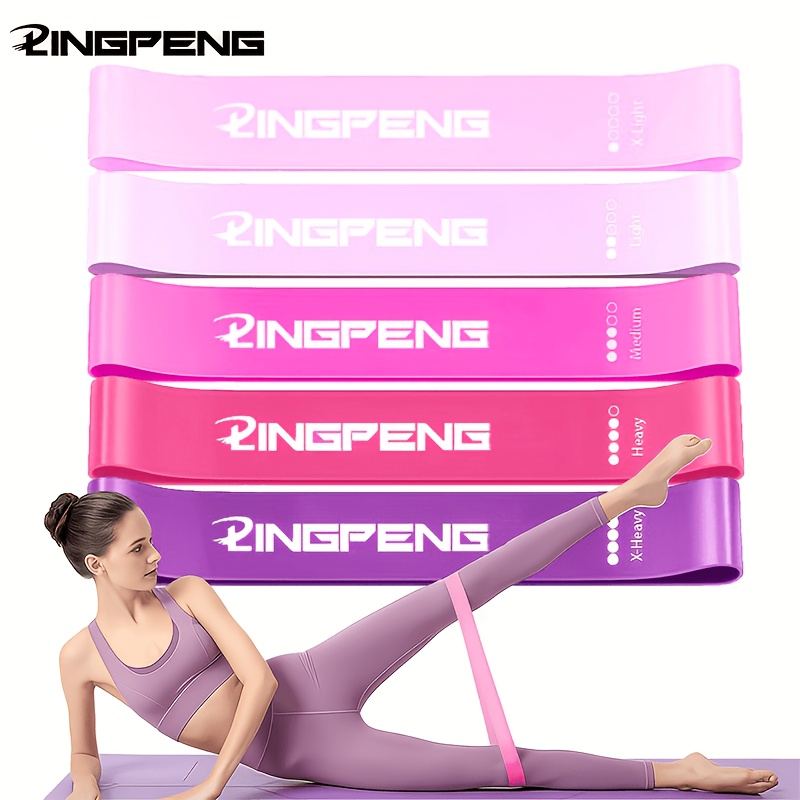
Practical takeaway: if your schedule is tight, you do not need an hour. Short strength circuits with bands — our resistance band workout takes about 20 minutes — and brisk walks on other days cover both bases nicely.
Myth 4: There's a Special "Toning" Workout That's Different From Building Muscle
"Toning" is not a physiological process. It is a marketing word. What people mean by a "toned" look is a combination of two things: some visible muscle, and not much fat covering it. And both of those respond to ordinary strength training and overall activity — there is no separate toning exercise style, no secret high-rep-light-weight formula that science endorses over standard progressive training.
This matters because the word makes many women train very lightly — tiny weights, huge reps, no progression — which is less effective than simply getting a little stronger over time. There is nothing wrong with light weights as a starting point. But staying there forever, because a bigger weight might "build muscle," is myth 1 wearing a different costume.
Practical takeaway: progress your training the same way anyone does — gradually more weight, more reps, or better form. Our full toning vs. building muscle guide explains why the distinction was always false.
Myth 5: No Pain, No Gain — You Must Be Sore Every Time
Some soreness after trying something new is normal. But soreness is not a receipt proving a workout worked, and the absence of soreness does not mean a workout was wasted. As your body adapts, workouts that once left you aching will leave you fresh — that is progress, not failure.
Chasing soreness leads people to train too hard, too often, with too little recovery — which stalls progress and raises injury risk. Good training leaves you pleasantly tired, with energy for the rest of your day.
Practical takeaway: judge your training by whether you are getting a little stronger or more consistent over weeks — not by how much you hurt the next morning.
Myth 6: Women Over 40 Should Only Do "Gentle" Exercise
There is a special flavor of this myth for women over 40, 50, and 60: the suggestion that heavier weights and intensity are off-limits past a certain age. Age does call for sensible adjustments — longer warm-ups, attention to joint comfort, respect for recovery time — but it does not cancel strength training. If anything, the decades after 40 are when maintaining muscle and bone through resistance exercise matters most.
Practical takeaway: choose exercises that feel good in your body and progress gradually. Gentle has its place — walking and stretching are wonderful — but "only gentle" is an unnecessary restriction.
Myth 7: Eating After a Certain Hour Causes Weight Gain
The "no food after 6 p.m." rule persists because it sounds like discipline. But your body does not reset its calorie accounting at sunset. What matters for body weight over time is the total picture — overall energy intake and expenditure across days — not the hour at which you ate dinner.
The myth can actually backfire: going to bed hungry often leads to poor sleep and heavy snacking the next day. If you train in the evening, a post-workout meal is entirely reasonable and supports recovery.
Practical takeaway: eat on a schedule that keeps your energy stable and your sleep sound. Consistency beats arbitrary cutoffs.
Myth 8: Crunches Are the Way to a Flat Stomach
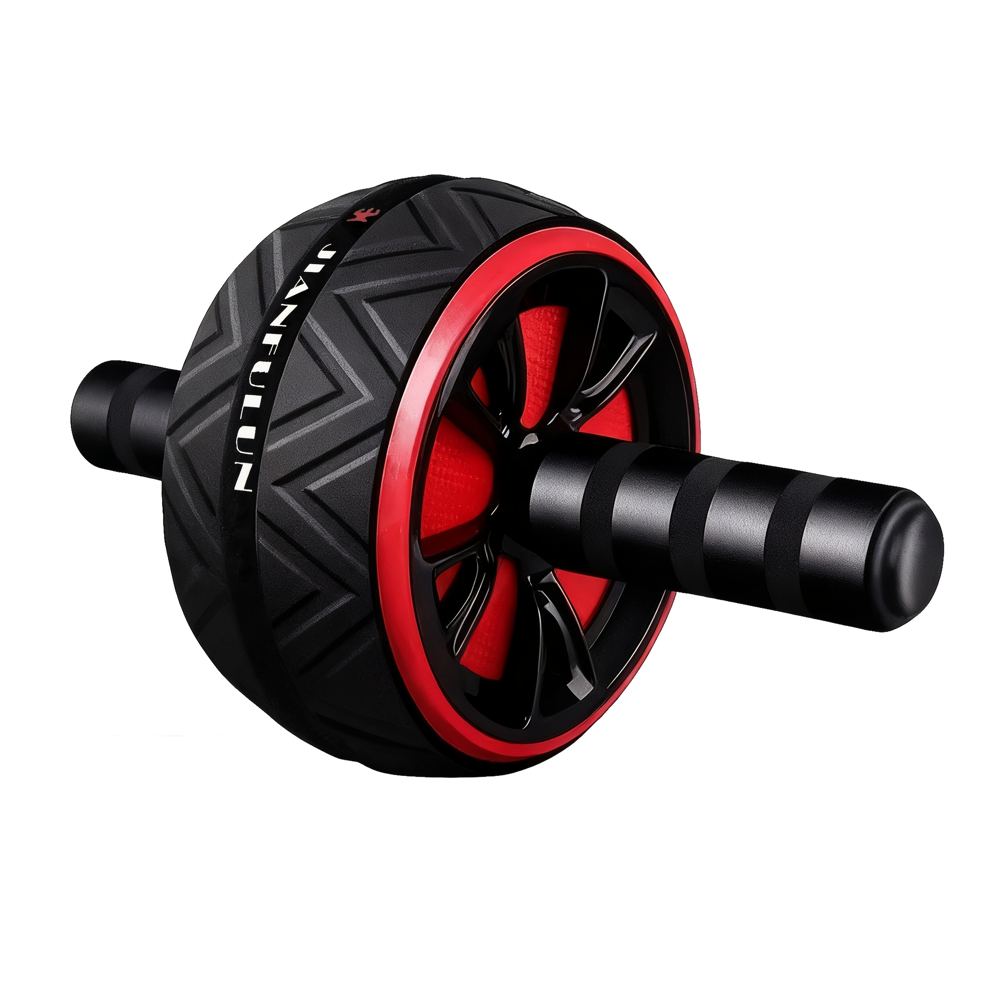
Related to myth 2, but with its own staying power. Crunches strengthen the front abdominal muscles in a small range of motion, and they are hard on the neck and lower back for many people. Whole-core training — exercises like dead bugs, bird dogs, glute bridges, and planks that teach the midsection to stabilize the spine — does far more for real-world strength.
Practical takeaway: trade crunch marathons for stability exercises. They build a core that protects your back when you lift, carry, and bend — which is what a strong core is actually for.
Myth 9: You Can Out-Train Your Diet
This one cuts both directions. Some treat exercise as permission to eat anything without consequence; others treat diet as so powerful that training hardly matters. The truth sits in the middle.
Exercise is a superb tool for strength, heart health, bone density, mood, and sleep — but its contribution to body weight management is smaller and slower than many hope. Meanwhile, an unsustainably restrictive diet undermines training: you recover worse and lose motivation. The sustainable approach is moderate, nourishing eating plus consistent movement, without turning either into punishment.
Practical takeaway: think of food as fuel for the training you enjoy, and training as investment in strength and health — not as opposing forces in an equation.
Quick Reference: Myth vs. Reality
| Claim | What to believe instead | | --- | --- | | Lifting makes women bulky | Substantial muscle takes years of deliberate effort; lifting builds firm, functional strength | | Crunches burn belly fat | Fat loss is whole-body; targeted exercises build muscle underneath, not melt fat on top | | Cardio is all you need | Strength + cardio together outperform either alone | | More soreness = better workout | Soreness fades as you adapt; track progress, not pain | | Over 40 means gentle only | Adjust for joints and recovery, but strength training remains valuable | | Eating at night causes weight gain | Total patterns matter, not the clock | | Crunches are the core workout | Stability exercises protect and strengthen far better | | Exercise cancels out eating | Both matter; sustainable habits beat extremes |
How to Train Well Once the Myths Are Gone
With these claims cleared away, good training is refreshingly simple:
- Lift something challenging 2–3 times a week. Dumbbells, bands, or bodyweight — choose what you will actually use. Our guide to choosing dumbbells for women helps you pick sensible weights.
- Move regularly in ways you enjoy. Walking, cycling, dancing, swimming — consistency beats intensity for long-term adherence.
- Progress gradually and recover honestly. Small steps compound; sleep, rest days, and food you enjoy are part of training, not rewards for it.
- Ignore absolute rules. Any program claiming guaranteed results in a fixed number of days deserves skepticism.
FAQ
Q: If I lift heavy weights, how long before I look "bulky"?
There is no timeline because it is not a normal outcome of general strength training. Women who look very muscular have typically trained with extreme dedication, large calorie surpluses, and sometimes more than nature provides. A normal strength routine builds firmness and shape, not mass. If you ever felt you were gaining more muscle than you wanted, you could simply adjust your training — but very few people reach that point by accident.
Q: Is it true women should only do light weights with high reps?
No. Light weights have their place as a starting point, but training with challenging loads is safe and effective for women. The light-only advice comes from the same fear as myth 1. Our guide to choosing dumbbells gives practical weight ranges.
Q: Do I really need to strength train, or is walking enough?
Walking is excellent — do not stop. But it does little for upper-body strength, bone density under load, or the muscle mass women lose with age. Two short strength sessions a week alongside your walking give you benefits walking alone cannot.
Q: Are "fat-burning" workouts different from regular workouts?
Not meaningfully. All exercise burns energy; none burns energy only from the area you are working. The best fat-loss training is simply training you can sustain — strength sessions plus regular movement you enjoy — combined with sensible eating habits.
The Bottom Line
The nine claims above survive because they feel true — they flatter our fears, sell products, and get passed along by people who mean well. Releasing them is freeing: you can lift real weights, train your whole body, eat dinner at a normal hour, and stop chasing soreness, without any of it being wrong. Train for strength, health, and energy. Results vary, progress compounds, and the program you keep doing beats the perfect one you abandon.
