Looking for home gym equipment small spaces can handle? These 7 compact, quiet, storage-friendly picks deliver full-body training in an apartment, corner, or closet.
Best Home Gym Equipment for Small Spaces
You do not need a garage or a spare bedroom to build a real home gym. You need a corner, a doorframe, and the right gear. The best home gym equipment for small spaces shares three traits: it folds or stores away, it trains more than one thing, and it will not rattle your downstairs neighbor. This buying guide walks through seven picks that meet that bar, plus the shopping rules that keep you from buying space-hogs you will regret.
This guide contains affiliate links. If you buy through them, VÉLORA may earn a commission at no extra cost to you.
What "Small Space" Equipment Must Do
Before the picks, the criteria. Anything you bring into a small home should pass four tests:
- Footprint: how much floor it uses during the workout — and, more importantly, where it lives afterward.
- Versatility: one piece should replace three. A dumbbell beats a single-purpose gadget every time.
- Noise: apartment living demands low-impact, quiet tools. See our guide to quiet home gym equipment for apartments for the full picture.
- Setup friction: if it takes ten minutes to assemble, you will not use it. The best small-space gear is grab-and-go.
The 7 Best Picks
1. Adjustable Dumbbells — the Space-Saving King
One pair of adjustable dumbbells replaces a full rack of fixed weights. Twist or slide the handle and you jump from 5 lb to 25 lb in seconds, which covers everything from shoulder presses to goblet squats to rows. In a small space, this is the single highest-value purchase you can make — see our detailed breakdown in are adjustable dumbbells worth it and the model-by-model best adjustable dumbbells for small spaces.
Stored size: about the footprint of a shoebox per dumbbell. Best for: full-body strength.
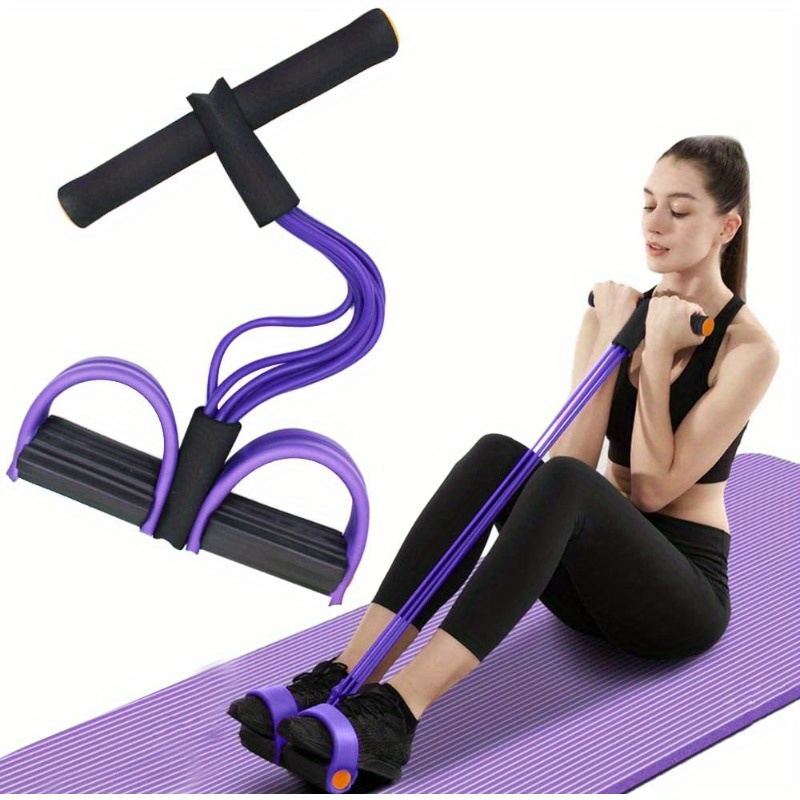
2. A 5-Level Resistance Band Set With Handles
Bands are the lightest, cheapest, most storable strength tool that exists. A five-level set with handles and a door anchor gives you rowing, pressing, curls, and leg work with genuinely progressive resistance — loop the bands together for heavier sets as you get stronger. They weigh almost nothing, cost very little, and slide into a drawer. Our guide on how to use resistance bands safely covers anchor points and inspection so a band never snaps mid-rep.
Stored size: a small tote bag. Best for: travel, beginners, joint-friendly training.
3. A Foldable Adjustable Bench
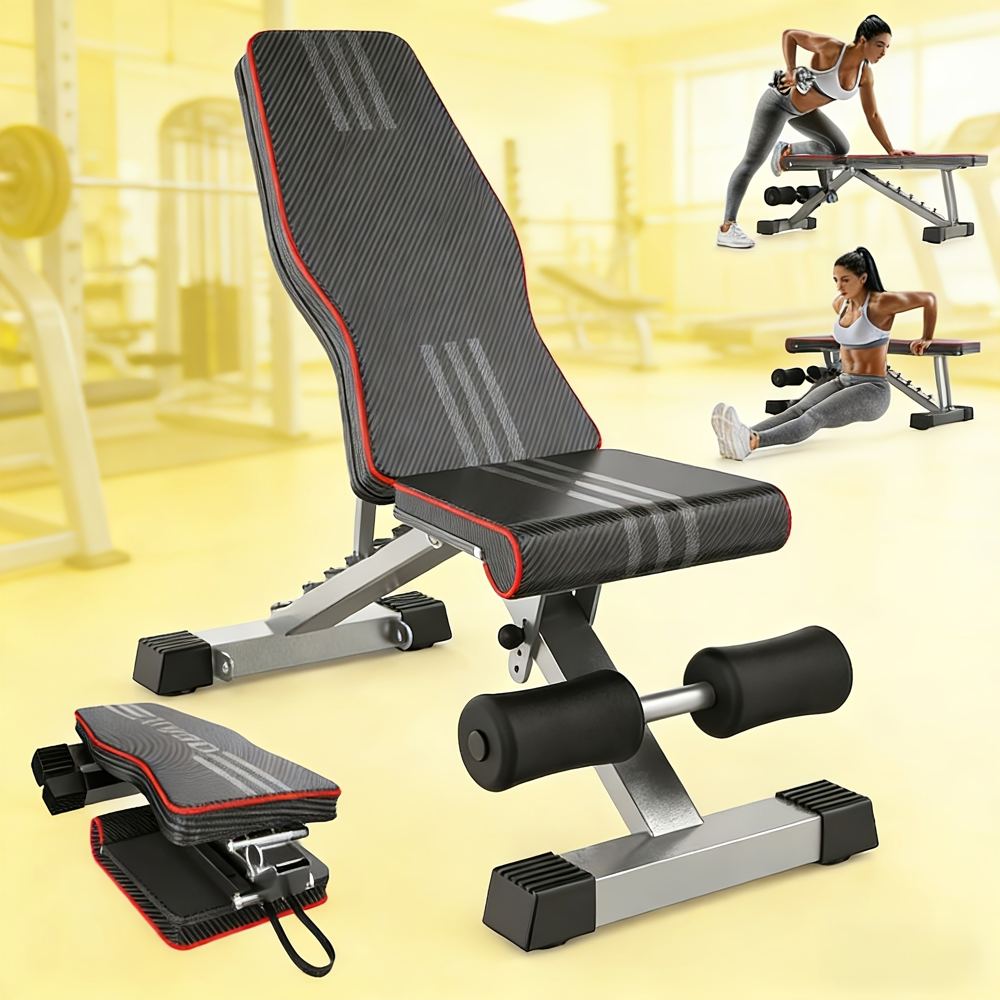
A bench that folds flat and leans against a wall turns any corner into a strength station. Flat for presses and rows, inclined for shoulder work and incline pressing — the Adjustable Weight Bench locks into multiple angles and folds away in seconds. Combined with adjustable dumbbells, this duo alone covers 80 percent of a beginner program. Choose a model with a high weight rating and solid locking pins — wobble is the enemy of confidence.
Stored size: roughly 4 inches deep against a wall when folded. Best for: anyone doing dumbbell work.
4. A Suspension Trainer Strap
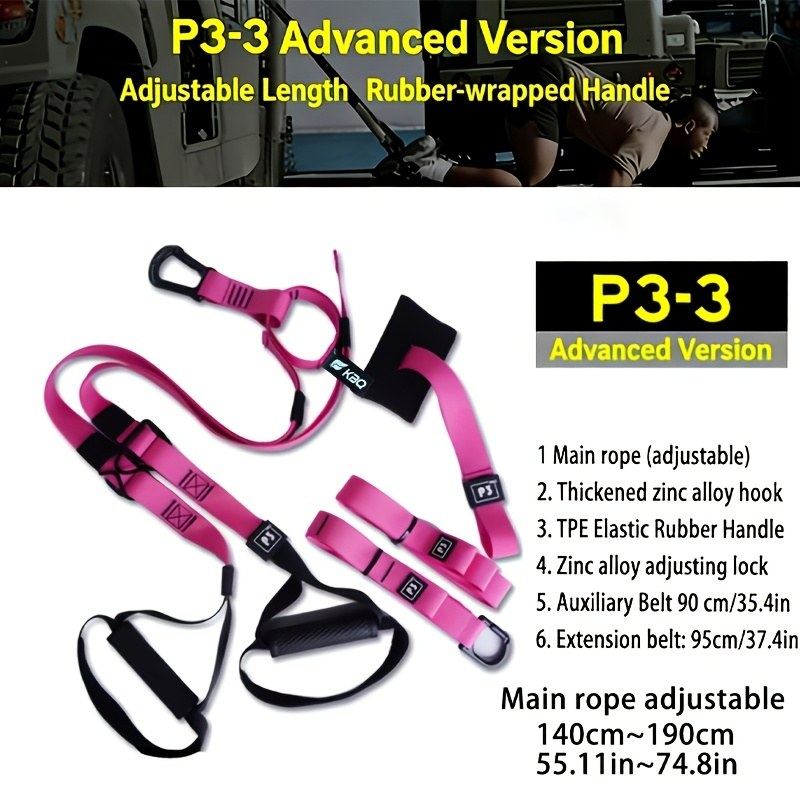
Anchor it in a doorframe and you have rows, push-ups, planks, lunges, and core work with your body weight as the load. The TRX-style suspension trainer strap is adjustable in seconds, packs into a fist-sized pouch, and is silent — a dream for apartments with thin floors. Beginners can dial the difficulty down simply by standing more upright.
Stored size: a drawstring pouch. Best for: bodyweight training anywhere.
5. One Soft Kettlebell
A single medium-weight kettlebell unlocks swings, goblet squats, deadlifts, carries, and Turkish get-ups — one of the most versatile single pieces you can own. Choose a soft, cushioned model if you train near furniture or on hard floors. If you are unsure about weight, our kettlebell weight guide for women walks through sensible starting points.
Stored size: about one square foot of floor. Best for: conditioning + strength in one tool.
6. A Foldable Exercise Bike
Cardio is the hardest thing to fit in a small home, and a foldable bike solves it. Look for magnetic resistance (quiet), a model that folds to under a foot wide, and a weight rating comfortably above your body weight. Fifteen to twenty minutes of steady pedaling while watching a show is genuine cardio training — no gym commute required.
Stored size: folds to roughly the size of a vacuum cleaner. Best for: low-impact cardio at home.
7. A Good Yoga Mat (Thicker Than You Think)
Every small-space routine ends on the floor — core work, stretching, mobility. A mat that is too thin discourages you from doing it. For hard apartment floors, 6mm or thicker makes planks and knees-down work dramatically more comfortable. Our how to choose yoga mat thickness guide matches thickness to your floor and your joints.
Stored size: rolled in a corner. Best for: core, stretching, cool-downs.
Space and Cost at a Glance
| Equipment | Active footprint | Stored footprint | Typical cost range | |---|---|---|---| | Adjustable dumbbells | 2 sq ft | 1 sq ft | $$ | | Resistance band set | 4 sq ft | Drawer | $ | | Foldable bench | 8 sq ft | Against wall | $$ | | Suspension trainer | Doorway | Pouch | $ | | Kettlebell | 1 sq ft | 1 sq ft | $ | | Foldable bike | 6 sq ft | Closet | $$$ | | Yoga mat | 6 sq ft | Corner roll | $ |
All seven together fit in a single 6×6-foot corner and store in a closet. That is the real promise of small-space training: you never need more room than the space your body already occupies, plus a few feet around it.
What NOT to Buy for a Small Space
Honest buying advice means telling you what to skip. Avoid full power racks, long barbells, treadmills (unless you have a dedicated room), and any machine that does one thing. Also avoid "as seen on TV" all-in-one contraptions with vague resistance claims — if a product cannot tell you the weight range, it probably does not have one. When in doubt, compare against apartment-friendly workouts with no jumping to see how little equipment you actually need.
Setting Up Your Corner
- Floor protection: an interlocking foam tile set or a thick mat protects both your floor and your neighbor's ceiling.
- Ventilation: a small fan makes a bigger difference than any gear upgrade.
- Layout: keep the heaviest items (dumbbells, kettlebell) closest to the wall, and give yourself a clear 6×4-foot working zone.
- Routine: anchor training to an existing habit — many people train best right after the morning coffee or before the evening shower. Our home workout motivation guide has more on making it stick.
Safety Notes
- Check door-anchor straps and band handles for wear before every session; retire any band with nicks or tears.
- Verify a foldable bench's locking pins engage fully before lying on it.
- Keep a clear path to the door — small spaces get cluttered fast, and tripping over gear is the most common home-gym injury.
Frequently Asked Questions
Can I really get fit with just a corner of my apartment? Yes — your muscles cannot tell whether the dumbbell is in a gym or a living room. What matters is progressive, consistent training: gradually doing a little more over time. A corner with dumbbells, bands, and a bench supports genuine strength training; results vary by person, but the training stimulus is the same.
What is the one piece of equipment to buy first? Adjustable dumbbells. They replace an entire weight rack, store in a square foot, and train every major muscle group. Everything else in this guide is optional.
How do I keep workouts quiet for downstairs neighbors? Choose low-impact tools (bands, dumbbells, suspension trainer), skip jumping entirely, lower weights rather than dropping them, and train on a thick mat or foam tiles. Rubber-coated weights are quieter than bare metal.
Is a foldable bike worth it in a tiny apartment? If cardio is your priority and outdoor options are limited, yes — a folding magnetic bike is the quietest, most storable cardio machine. If you already walk or run outside, bands and dumbbells cover the rest and you can skip the bike.
What budget should I plan for a small-space home gym? A genuinely complete setup — adjustable dumbbells, bands, and a foldable bench — typically lands between $150 and $300 total depending on brands and sales. Start with one piece and add as your routine grows.
Conclusion
Small spaces are not a limitation; they are a filter. They force you to buy only the versatile, quiet, storable tools that actually earn their place — and those happen to be the best training tools, period. Pick one piece, start training this week, and let your routine tell you what to buy next.
