Do waist trainers and ab belts shrink your waist? An honest look at the claims, the evidence, the risks, and what genuinely works for a stronger midsection.
Waist Trainers and Ab Belts: Do They Actually Work?
Waist trainers promise a smaller waist while you wear them — and, in the bolder versions of the pitch, a permanently smaller waist, melted belly fat, and an hourglass figure, all from wearing a tight garment. Ab belts (electrical muscle stimulation belts) promise toned abs while you sit on the sofa. The marketing is confident. The evidence is not.
This guide gives you the honest version: what these products actually do, what they cannot do, the real risks of wearing them, and what genuinely works for a stronger, healthier midsection. No hype, no scare tactics — just the facts so you can decide for yourself.
This guide contains affiliate links. If you buy through them, VÉLORA may earn a commission at no extra cost to you.
What Waist Trainers Claim vs. What the Evidence Says
A waist trainer is a tight, usually latex or neoprene garment worn around the midsection. Ab belts are a separate category — they use electrical pulses to make the abdominal muscles contract. Let us separate the claims from reality for both.
| Claim | What the evidence shows | |---|---| | "Permanently shrinks your waist" | No credible evidence. The waist looks smaller only while the garment is worn — that is compression, not change. | | "Burns belly fat / melts fat" | No. Fat loss cannot be targeted to one area by any garment, cream, or device. Sweating under neoprene is water loss, not fat loss, and it returns when you rehydrate. | | "Trains your waist into an hourglass shape" | Bones, rib structure, and genetics determine your shape. A garment cannot reshape your skeleton or permanently reposition tissue. | | "Ab belts tone your abs while you relax" | Electrical stimulation can cause muscle contractions, and it is used in rehabilitation settings under professional guidance — but consumer ab belts used while sitting have no credible evidence of producing visible toning or fat loss. Real muscle development needs progressive resistance and effort. | | "Improves posture" | A tight garment can remind you to sit up straight while worn — similar to how any snug clothing cues posture. It does not strengthen the muscles that hold you upright; only training does that. |
The bottom line on the claims: temporary compression and temporary water loss through sweat are the only reliably real effects. Neither is fat loss, and neither lasts.
The Honest Risks
Waist trainers are not the most dangerous product in the world, but the risks are real and worth knowing before you buy one:
- Restricted breathing. A tightly cinched midsection limits how fully your diaphragm can expand. During workouts this is counterproductive — your body needs full breaths to perform — and for everyday wear it can leave you feeling short of breath.
- Digestive discomfort. Sustained compression of the abdomen can cause acid reflux, heartburn, and general digestive discomfort, especially after meals.
- Skin irritation. Neoprene and latex trap heat and sweat against the skin. Rashes, chafing, and irritation are common with regular use.
- Weakened core reliance. Wearing a rigid garment that holds your trunk for you is the opposite of training. Over time, leaning on external support instead of your own muscles does nothing for the strength that actually supports your back and posture.
- Discomfort during exercise. The marketing often shows waist trainers worn during workouts. Restricting your breathing and trunk movement while exercising makes workouts less effective and less safe — bracing your core properly requires freedom to breathe and move.
This is not scare-mongering — millions of people have worn these without serious harm. But the risk-to-benefit picture is poor: real, documented downsides against benefits that vanish the moment the garment comes off.
Why the Before-and-After Photos Look Convincing
Two honest explanations for the dramatic photos:
- Compression is instant. Any tight garment makes the waist look smaller in a photo taken while wearing it. That is what compression garments do — it is not evidence of lasting change.
- Photos are curated. Lighting, posture, timing, and selection do heavy lifting in marketing imagery. The photos that do not show a difference never get published.
If waist trainers permanently reshaped waists, the evidence would show up in controlled studies — and it has not.
What Actually Works for Your Midsection
If the goal behind the waist trainer is a stronger, firmer, healthier midsection, here is what genuinely works. None of it is instant, and none of it comes from a garment — but all of it is real.
1. Strength training, 2–4 times per week. Full-body strength work — squats, hinges, presses, rows — builds the trunk along with everything else, because your core braces through every compound lift. Add focused core work (planks, dead bugs, crunches, side planks) in short sessions. Our beginner strength guide for women and core workout for women lay out exactly how to start.
2. Daily activity. Walking is underrated and free. Regular daily movement contributes far more to overall body composition over months than any device — see our walking workout guide.
3. Sustainable nutrition. No single diet is required and no food needs to be feared. Consistent, reasonable eating patterns sustained over months matter more than any short-term restriction. If you want guidance, a registered dietitian is worth more than any product.
4. Sleep and stress management. Poor sleep and chronic stress genuinely affect appetite, energy, and where your body tends to store fat. They are unglamorous levers, but they are real ones.
5. Patience with your shape. Rib cage width, hip structure, and fat distribution patterns are largely genetic. Training improves strength, firmness, and posture — all real and visible changes — but it will not redesign your skeleton. Working with your body beats fighting it.
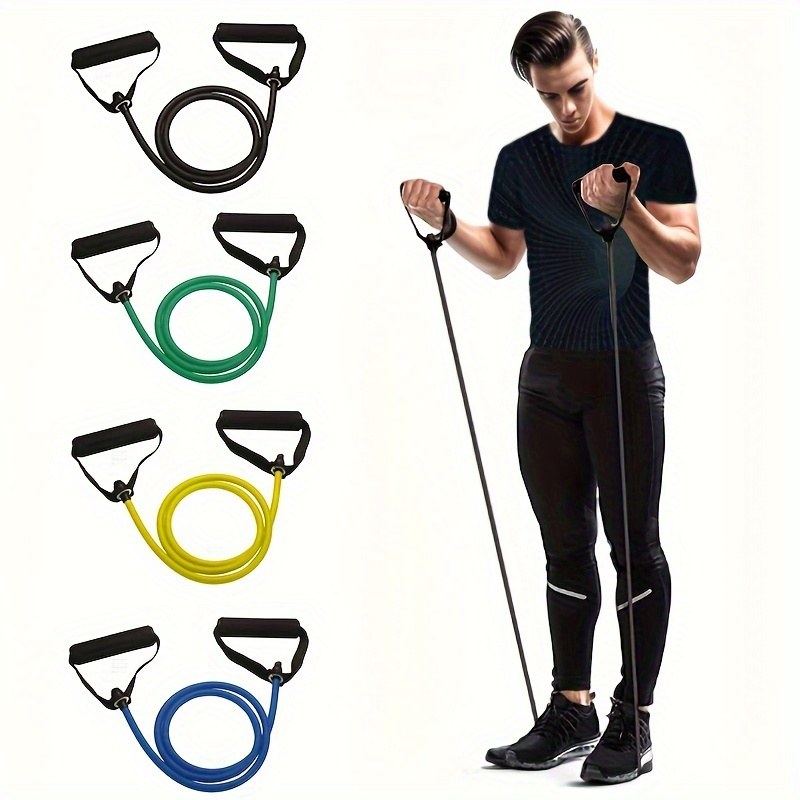
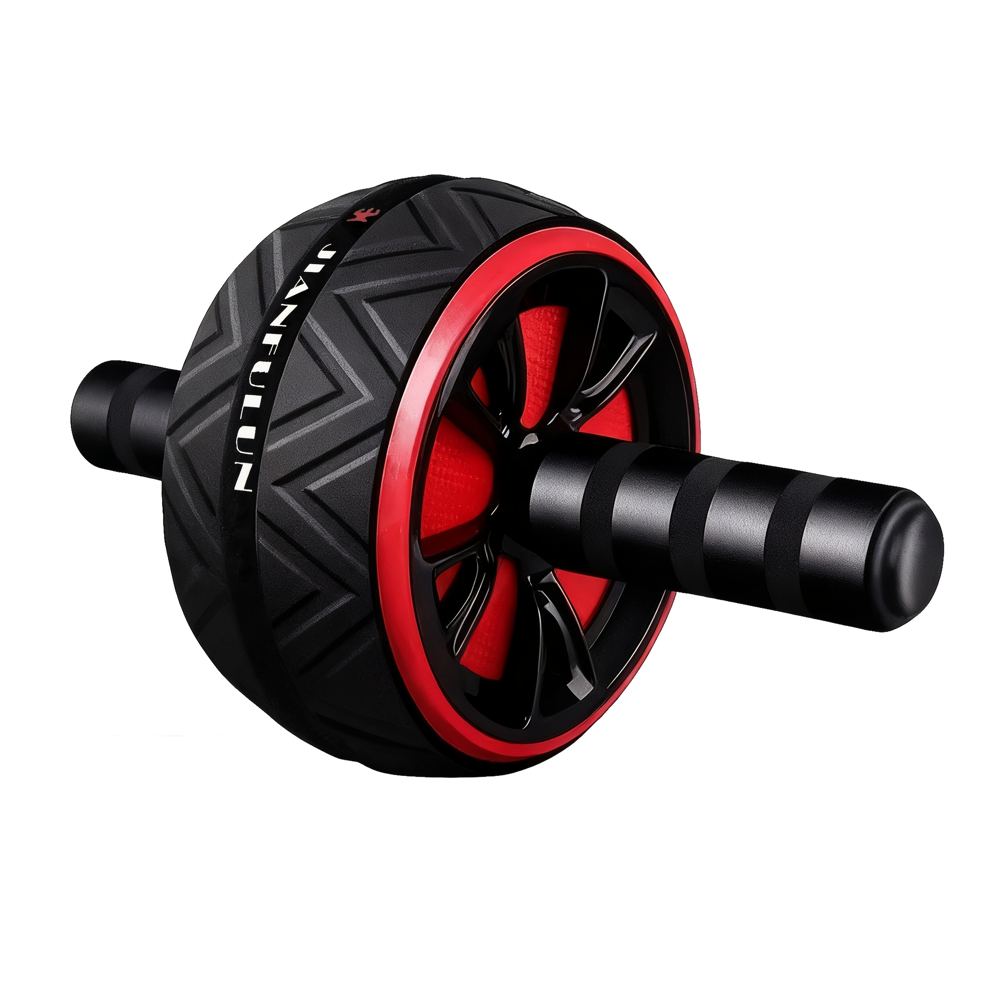
Simple, affordable tools support this far better than any trainer garment: a set of resistance bands for full-body strength at home, an ab wheel for progressive core challenge once planks feel easy, and a thick mat that makes floor work something you actually do.
If You Already Own One
No judgment — the marketing is persuasive, and many women own one. A few honest guidelines:
- Do not wear it during workouts. It restricts the breathing and bracing your training depends on.
- Do not wear it very tight or for long hours. If you cannot take a full, comfortable breath, it is too tight.
- Do not wear it as a substitute for training. Ten minutes of planks and dead bugs does more for your trunk than ten hours in a garment.
- Stop wearing it if you notice reflux, numbness, dizziness, or skin problems — those are signals, not things to push through.
And if you are pregnant or postpartum: do not use a waist trainer. Your body needs professional guidance during those phases, not compression — see our pregnancy exercise safety guide and postpartum guide, and talk to your provider.
FAQ
Q: Do waist trainers work for losing belly fat?
No. They compress the waist while worn and can cause temporary water loss through sweating, but they do not burn fat — from the belly or anywhere else. Fat loss comes from sustained activity, nutrition, and sleep.
Q: Will wearing a waist trainer give me an hourglass figure?
No. Your waist-to-hip proportions are determined by bone structure and genetics. A garment can squeeze tissue temporarily while worn; it cannot permanently reshape your body.
Q: Are ab belts (EMS belts) effective for toning abs?
There is no credible evidence that consumer ab belts produce visible toning or fat loss when used while sitting or going about your day. Electrical muscle stimulation has legitimate rehabilitation uses under professional supervision, but that is a different thing from a consumer belt promising abs.
Q: Is it safe to work out in a waist trainer?
It is not recommended. Restricted breathing and limited trunk movement make workouts less effective and can make bracing — the thing that protects your spine under load — harder to do properly. Train without it.
Q: What about "sweat belts" for water weight before an event?
Sweating out water weight produces a temporary, small change on the scale and in how clothes fit — and it reverses as soon as you drink water. It is dehydration, not fat loss, and deliberately dehydrating yourself is not a health strategy.
Q: What should I do instead for a smaller-looking waist?
Build the muscles that shape the midsection (obliques, transverse abdominis, and the whole trunk through strength training), keep up daily activity, eat sustainably, and give it months. Posture work helps too — standing tall with engaged core muscles genuinely changes how your waistline looks, and unlike a garment, it stays with you.
The Bottom Line
Waist trainers and ab belts do not do what their marketing claims. The smaller waist exists only while the garment is on, the "fat burning" is water loss, and the toning belts have no credible evidence behind them — while the real risks (restricted breathing, reflux, skin irritation, weaker reliance on your own muscles) are documented. The unglamorous truth is also the empowering one: strength training, daily movement, sustainable nutrition, and patience build a midsection no garment can fake, and the results are actually yours.
