Wondering how to start strength training as a woman? This beginner roadmap covers your first weights, weekly structure, progression and recovery.
How to Start Strength Training as a Woman: A Beginner's Roadmap
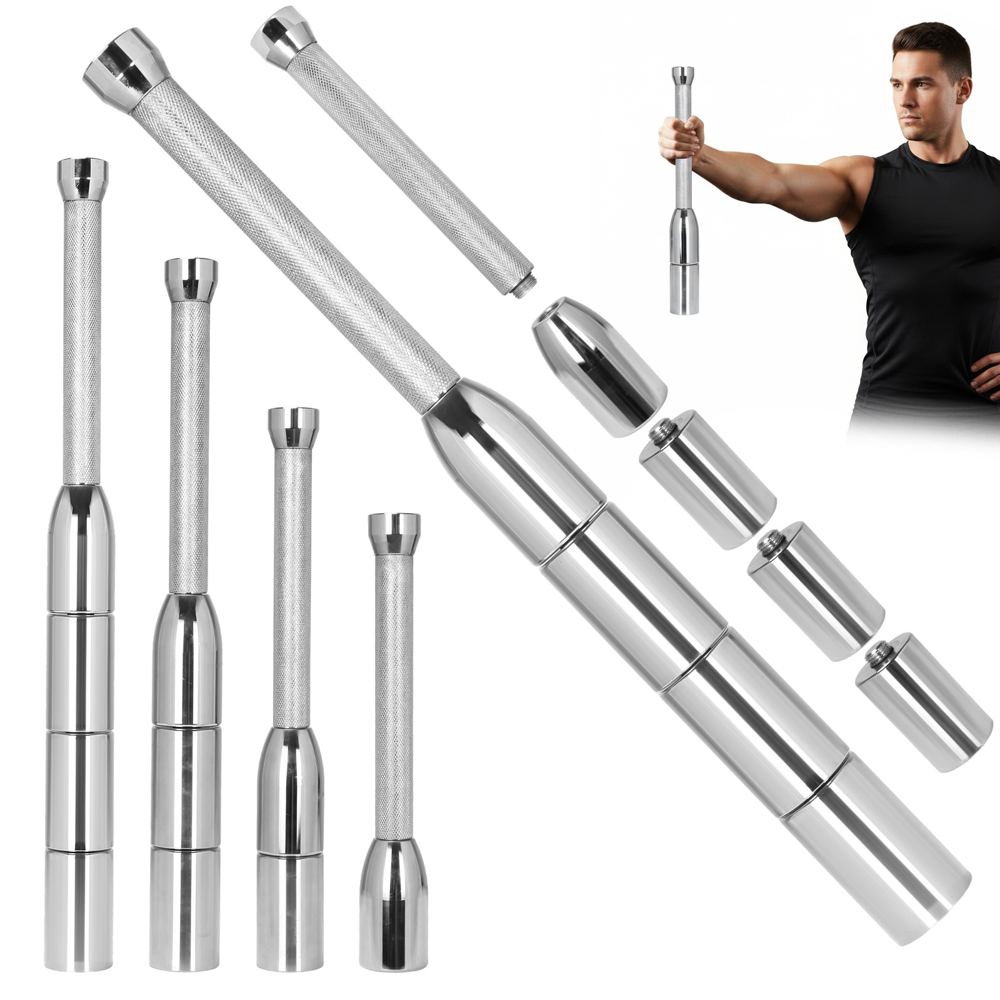
If you have ever thought "I know strength training is good for me, I just don't know where to start," you are exactly who this guide is for. Maybe the weight room feels intimidating. Maybe you have bought equipment before and watched it gather dust. Maybe you are worried about getting hurt, doing it wrong, or — the concern we hear most — accidentally ending up "bulky." None of those worries mean strength training is not for you. They mean you deserve a clear, calm roadmap instead of a wall of conflicting advice.
Here is the honest version: pick a few basic movements, learn them with light weights, train two or three times a week, add a little challenge at a time, and recover properly. That is genuinely most of it. This roadmap walks through each step — what to buy (and skip), how to choose your first weights, how to structure your week, and how to progress safely.
This guide contains affiliate links. If you buy through them, VÉLORA may earn a commission at no extra cost to you.
Why Strength Training Is Worth Starting
Strength training supports the things women actually ask for: bones that stay denser as we age, joints supported by stronger muscles, better posture, and easier everyday lifting. It is also one of the most reliable ways to feel more capable in your own body — and that confidence tends to show up long before any visible change does.
Two honest notes before we go further. First, strength training does not spot-reduce fat from any particular area — no exercise does; overall changes come from your total activity, nutrition, sleep, and time. Second, results vary widely and arrive gradually, in weeks and months rather than days. Anyone promising a transformation on a deadline is selling something. The process below works for real beginners because it is built on consistency rather than intensity.
Step 1: Choose Your First Equipment (Keep It Small)
You need far less than social media suggests. One of these three starting points is enough:
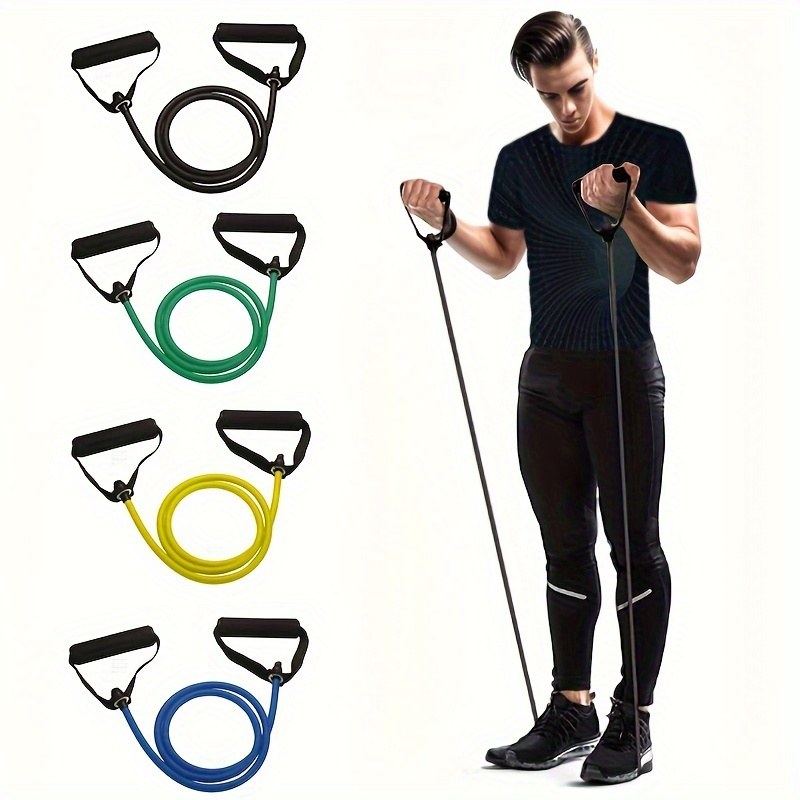
Skip, for now: barbells, machines, weighted vests, ankle weights, and anything a video told you was "essential." You can add tools later, when you know what you enjoy.
Step 2: Choose Your Starting Weights
This is where most beginners freeze, so here is a practical method instead of a chart.
The two-rep rule: pick a weight you can lift with good form for the target reps, where the last two reps feel hard but doable. If you could easily do five more, it is too light. If your form falls apart halfway, it is too heavy.
Rough starting points many beginners find reasonable (treat these as a first guess to adjust, not a rule):
| Exercise type | Common beginner starting range | |---|---| | Bicep curls, lateral raises | 3–8 lbs per hand | | Shoulder presses, chest presses | 5–12 lbs per hand | | Rows | 8–15 lbs per hand | | Squats, deadlifts, hip hinges | 10–25 lbs total or per hand |
Notice the pattern: legs and back start stronger than arms and shoulders — normal anatomy, not a flaw. Keep a simple note of what you used for each exercise, and choosing weights soon becomes automatic.
Step 3: Learn the Five Foundational Movements
Nearly every beginner program is built from five patterns. Learn these and you can train your whole body:
- Squat — sitting down and standing up with control. Trains legs and glutes.
- Hinge — pushing your hips back with a flat back, as in a deadlift or kettlebell swing's foundation. Trains the back of the legs and glutes, and protects your back in daily life.
- Push — pressing weight away from you: floor presses, wall or knee push-ups, overhead presses.
- Pull — drawing weight toward you: rows in all their forms. Essential for posture.
- Carry and brace — holding weight and walking (farmer's carry), or bracing your trunk in planks and dead bugs. Trains grip and deep core stability.
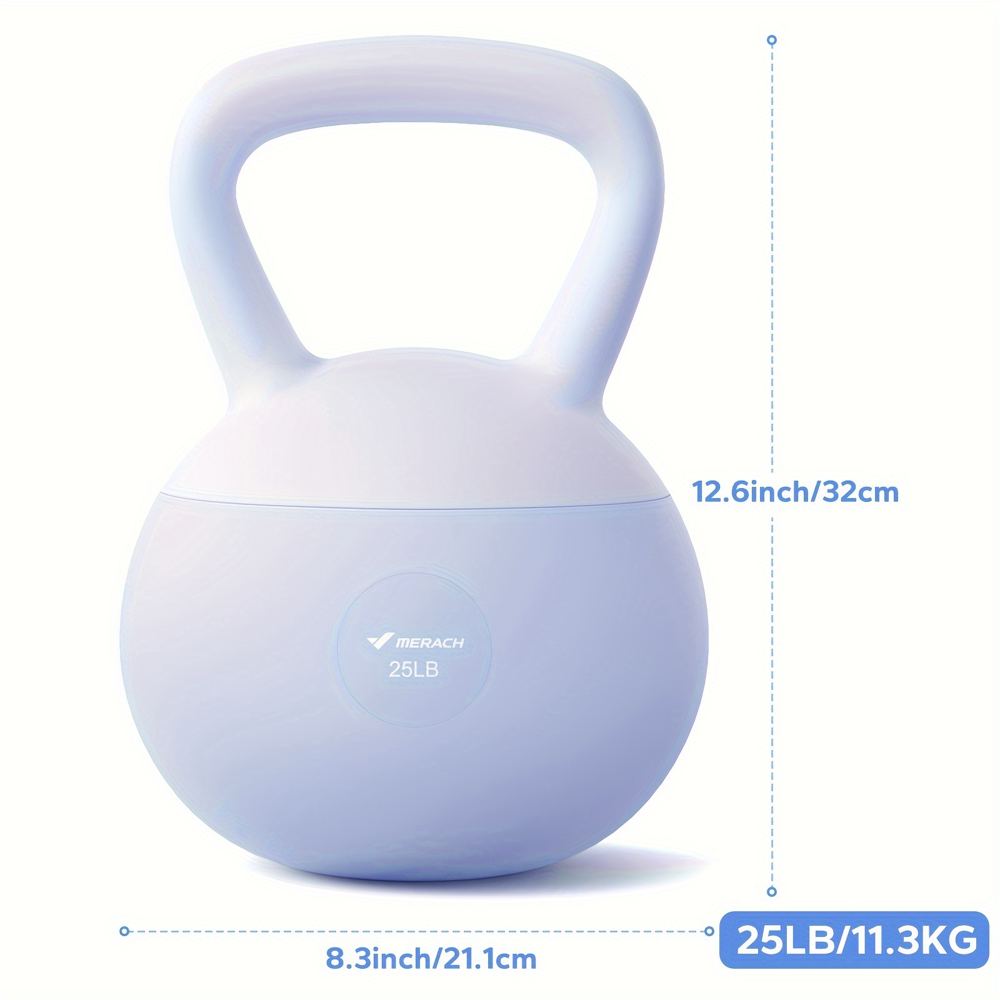
For hinge and swing patterns later on, a soft kettlebell like the MERACH Soft Kettlebell is forgiving on floors and wrists; if you are torn between the two classic tools, our comparison of Kettlebell vs Dumbbell and our picks for the Best Kettlebells for Women will help.
Technique basics for everything: move slowly enough to stay in control (about two seconds up, two seconds down), breathe out on the effort and in on the return, keep joints aligned rather than locked or caved, and stop a set when your form breaks down — not when you are completely exhausted.
Step 4: Structure Your Week
Two or three full-body sessions per week is the sweet spot for beginners. They beat complicated body-part splits at this stage because you practise each movement more often, sessions stay flexible if you miss a day, and every muscle gets worked and then rested.
A simple template (repeat 2–3 times weekly, on non-consecutive days):
- Warm-up: 5 minutes of marching, arm circles, hip hinges with no weight, and bodyweight squats
- Squat pattern: 2–3 sets of 8–12
- Push (floor press or push-up variation): 2–3 sets of 6–12
- Hinge (dumbbell deadlift): 2–3 sets of 8–12
- Pull (one-arm row): 2–3 sets of 8–12 per side
- Carry or core finisher: 2 rounds of 30–45 seconds
- Gentle stretching: 3–5 minutes
Each session takes about 30–45 minutes. What matters is the rest day between sessions, because muscles adapt and strengthen during recovery, not during the workout itself. If two sessions a week is what your life honestly allows, do two — a modest plan you keep beats an ambitious one you abandon by week three.
Step 5: Progress in Small, Boring, Effective Steps
Progression is simply asking slightly more of your body over time. Use this order:
- Add reps first. When a set of 8 feels solid, work toward 10, then 12, across a few sessions.
- Then add weight. Once you reach the top of the rep range with good form on all sets, move up by the smallest step available — often just 1–2 lbs on upper-body exercises, a little more on legs.
- Expect uneven progress. Lower-body lifts usually progress fastest; shoulder exercises slowest. Some weeks you will repeat the same weights — that is how real training looks, not a plateau to panic about.
- Every fourth week, go easier. Lighter weights or one fewer set lets accumulated fatigue clear and often unlocks your next step up.
Keep your training notes. Watching "rows: 8 lbs → 12 lbs" written down over two months is more motivating than any mirror check, because strength gains are the most reliable early evidence that the process is working.
Step 6: Recover Like It Is Part of the Program — Because It Is
- Sleep is when much of the repair happens; chronically short sleep blunts progress for almost everyone.
- Protein at meals supports muscle repair; you do not need supplements or a special diet to begin — regular balanced meals are a fine starting point.
- Rest days are training days too. Walking, gentle stretching, and ordinary movement on off days help without interfering.
- Soreness one or two days after a new session is common and usually fades as your body adapts over the first few weeks. Sharp pain, joint pain, numbness, or pain that alters how you move is different — stop and, if it persists, get it checked by a medical professional.
- Special circumstances deserve professional input. If you are pregnant or postpartum, managing a condition such as osteoporosis or arthritis, or returning from injury or surgery, a doctor or physiotherapist can adapt this roadmap to you — and if you are over 40 and choosing equipment, see Fitness Equipment for Women Over 40.
Let's Address the "Bulky" Worry Directly
This concern stops more women from starting than any other, so let us be precise. Visible, large-scale muscularity is the product of years of deliberate, high-volume heavy training combined with a sustained calorie surplus and a nutrition plan built specifically for size. It does not happen accidentally, quickly, or from two or three moderate sessions a week.
The physiology is straightforward: women, on average, have significantly lower testosterone than men, and testosterone is a primary driver of large muscle growth. That is why women typically build muscle more slowly and in smaller total amounts — the training that makes a man noticeably bigger over a year tends to make a woman stronger, firmer, and more defined over the same period. What beginners notice first is not size at all: it is strength, posture, and how their clothes fit. Pursuing maximum muscle would be a separate, intentional project; ordinary strength training will not sneak you there.
Common Beginner Mistakes (and Their Easy Fixes)
- Starting too heavy to "feel it more." Muscles respond to controlled effort, not struggling. Fix: apply the two-rep rule, erring light in week one.
- Copying advanced workouts from social media. Complex, jumpy routines are entertainment as much as instruction. Fix: master the five foundational movements first.
- Skipping the warm-up and the rest days. Both quietly raise injury risk and stall progress. Fix: treat both as non-negotiable parts of the plan.
- Changing programs every week. Novelty feels productive; repetition builds strength. Fix: keep the same template for at least 6–8 weeks, progressing within it.
- Comparing your chapter one to someone's chapter fifty. Starting weights say nothing about your potential. Fix: compare yourself only to your own notes from last month.
FAQ
Q: How many times a week should a beginner strength train?
Two to three full-body sessions per week, on non-consecutive days, is the range most beginners thrive in. It is enough stimulus to progress steadily while leaving the recovery time muscles need to adapt.
Q: Do I need a gym membership to start strength training?
No. A small set of dumbbells or resistance bands and enough floor space for a mat cover the full beginner roadmap in this guide. A gym becomes useful later if you want heavier weights, machines, or classes — it is an option, never a prerequisite.
Q: How long are beginner workouts supposed to take?
About 30–45 minutes, including the warm-up. Shorter is fine while you are learning — a focused 20-minute session done consistently does far more than an occasional exhausting hour.
Q: When will I notice a difference?
Most beginners notice strength changes first — everyday loads feeling lighter, movements feeling more coordinated — within the first several weeks. Visible changes develop more slowly over months and vary a great deal between individuals. Judge the first two months by strength and habit, not the mirror.
Q: Is it normal to feel nervous before my first session?
Yes, and it fades fast. Nervousness comes from unfamiliarity, not danger: by your third or fourth session the movements feel ordinary. Practising first with no weight — or a water bottle — is a perfectly good way to begin.
Q: What if I have an old injury or a health condition?
Start by talking to your doctor or a physiotherapist, who can tell you which movements to favour or avoid. Strength training can often be adapted around limitations — seated variations, bands instead of weights, reduced ranges of motion — but personalised medical guidance comes first, always.
Your First Week, Decided for You
If decisions are the barrier, here is week one, whole and simple. Session one (about 30 minutes): warm up, then bodyweight squats, wall or counter push-ups, dumbbell deadlifts with your lightest weight, and one-arm rows — 2 sets each, stopping while your form is still clean. Two days later, session two: the same template, slightly slower and more confident. Write down what you used. That is it — you are now a woman who strength trains, and everything after this is gradual, well-earned progress.
