Exercise during pregnancy explained gently: what is generally considered safe, what to avoid, key warning signs, and getting your provider's clearance.
Exercise During Pregnancy: What's Generally Safe and What to Avoid

If you are pregnant and wondering whether you can — or should — keep exercising, you are asking exactly the right question. For most women with uncomplicated pregnancies, major obstetric guidelines are reassuring: staying moderately active is generally encouraged, and women who were active before pregnancy can usually continue, with sensible modifications. At the same time, pregnancy changes your body in ways that make some activities unwise, and a few warning signs should always stop a session immediately.
This article walks through exercise during pregnancy safety in plain language: what is generally considered safe, what to avoid, how to adapt as your body changes, and how to know when to stop and seek care. It is supportive general information — never a substitute for the advice of the team caring for you and your baby.
This guide contains affiliate links. If you buy through them, VÉLORA may earn a commission at no extra cost to you.
Please Read This First: Clearance Comes Before Exercise
This article is general information only. It is not medical advice, and it does not know your pregnancy, your history, or your individual risks. Some pregnancies have complications or conditions where exercise needs to be limited or avoided entirely, and only your own doctor, midwife, or healthcare provider can judge that.
So the first step is always the same: talk to your provider before exercising in pregnancy — ideally at your first prenatal appointment, and again whenever something changes. If you were sedentary before pregnancy, that conversation matters even more: the general guidance is to start very gently and build slowly, not to launch into a new vigorous routine.
Stop exercising immediately and contact your provider (or seek urgent care) if you experience any of the following during or after activity:
- Pain — including abdominal, pelvic, or chest pain
- Vaginal bleeding or spotting
- Dizziness, faintness, or a severe headache
- Regular, painful contractions
- Fluid leaking from the vagina
- Calf pain or swelling
- Shortness of breath that does not settle with rest
- Noticeably reduced fetal movement (later in pregnancy)
Never exercise through these signs, and never wait to "see how it goes" with bleeding, leaking fluid, or reduced movements — call promptly.
What Mainstream Guidance Generally Says
Bodies such as the American College of Obstetricians and Gynecologists (ACOG) have long taken the position that, in uncomplicated pregnancies, regular moderate-intensity exercise is beneficial and safe for most women. The commonly repeated principles are:
- Moderate intensity, guided by the talk test. You should be able to hold a conversation while exercising. If you cannot speak in full sentences, you are working too hard — ease off.
- Continuity beats intensity. Women who were active before pregnancy can generally continue their usual moderate activities, adjusting as their body changes. Pregnancy is not the time to chase personal bests.
- Beginners start low and slow. If you are new to exercise, begin with short, gentle sessions after clearance and build gradually.
- Never exercise to exhaustion. Stop while you still feel you have something in reserve.
- Stay cool and hydrated. Avoid overheating, drink water, and skip hot environments (more on this below).
Notice what is not promised anywhere in responsible guidance: specific outcomes, timelines, or weight targets. Pregnancy is not a time for weight-loss goals. The aim of exercise now is comfort, strength, stamina, mood, and supporting your changing body — nothing more, and nothing less.
Activities Commonly Considered Lower-Risk
With your provider's agreement, the activities most often listed as generally suitable during uncomplicated pregnancies include:
- Walking. The most accessible option of all — free, scalable, and easy on the joints. Short, frequent walks are a perfectly good routine.
- Stationary cycling. All the cardiovascular benefit of cycling without the balance and fall risks of a moving bike.
- Swimming and water exercise. The water supports your weight, keeps you cool, and is gentle on joints and your back.
- Prenatal yoga and gentle stretching, with modifications. Choose classes designed for pregnancy, or adapt regular gentle practice: avoid deep twists, strong backbends, and anything that compresses the abdomen, and never push into a stretch — pregnancy hormones make joints and ligaments more flexible, which makes overstretching easier, not safer.
- Light-to-moderate resistance training with good form. Many women continue with light weights or bands, focusing on posture, legs, back, and arms. Favour controlled movements, breathe out on the effort, and avoid straining or holding your breath.
- Low-impact aerobics and dance-style classes designed or adapted for pregnancy.
For floor-based work at home, a supportive mat matters more as pregnancy progresses — kneeling and side-lying positions feature heavily in prenatal exercise. The 8mm Thick Yoga Mat gives cushioning and grip for exactly this. If you are choosing between thicknesses, our guide on how to choose yoga mat thickness walks through the trade-offs, and the best yoga mat for bad knees guide is helpful if your joints are already sensitive.
What to Avoid
Mainstream guidance is consistent about the categories to skip during pregnancy:
- Contact sports and activities with a risk of abdominal impact — such as martial arts, football/soccer, basketball, and hockey.
- Activities with a high fall risk — downhill skiing, horse riding, gymnastics, and outdoor cycling on uneven terrain.
- Hot yoga, hot Pilates, and exercising in hot, humid conditions. Raising your core temperature significantly is specifically discouraged; choose cool, ventilated environments instead.
- Lying flat on your back for long periods, especially later in pregnancy. This position can reduce blood flow; use side-lying, inclined, or seated alternatives instead, and change position if you feel dizzy or nauseous while on your back.
- Scuba diving, which is not considered safe in pregnancy.
- Exercising to exhaustion, heavy maximal lifting, and breath-holding strain. If you need to hold your breath and brace hard to complete a lift, it is too heavy for now.
- High-altitude exercise if you are not already acclimatised to it.
When in doubt about a specific activity, ask your provider rather than guessing — that conversation is always worth having.
How Your Changing Body Affects Exercise
Pregnancy changes the terms of movement in a few predictable ways, and adapting to them is part of exercising safely:
- Your balance shifts. As your centre of gravity moves, movements that felt automatic may feel wobbly. Slow down, use support (a wall, chair, or counter), and choose stable positions.
- Joints are looser. Hormonal changes increase ligament flexibility, so joints are less protected. Prioritise control and comfortable ranges of motion over depth or intensity.
- You overheat and tire faster. Build in rest breaks, exercise at cooler times of day, dress in breathable layers, and keep water nearby.
- Your pelvic floor is under more load. Notice any heaviness, pressure, or leaking during exercise — these are signs to modify the movement and mention it at your next appointment.
- Blood pressure responses change. Rise slowly from the floor to avoid light-headedness, and avoid long motionless standing.
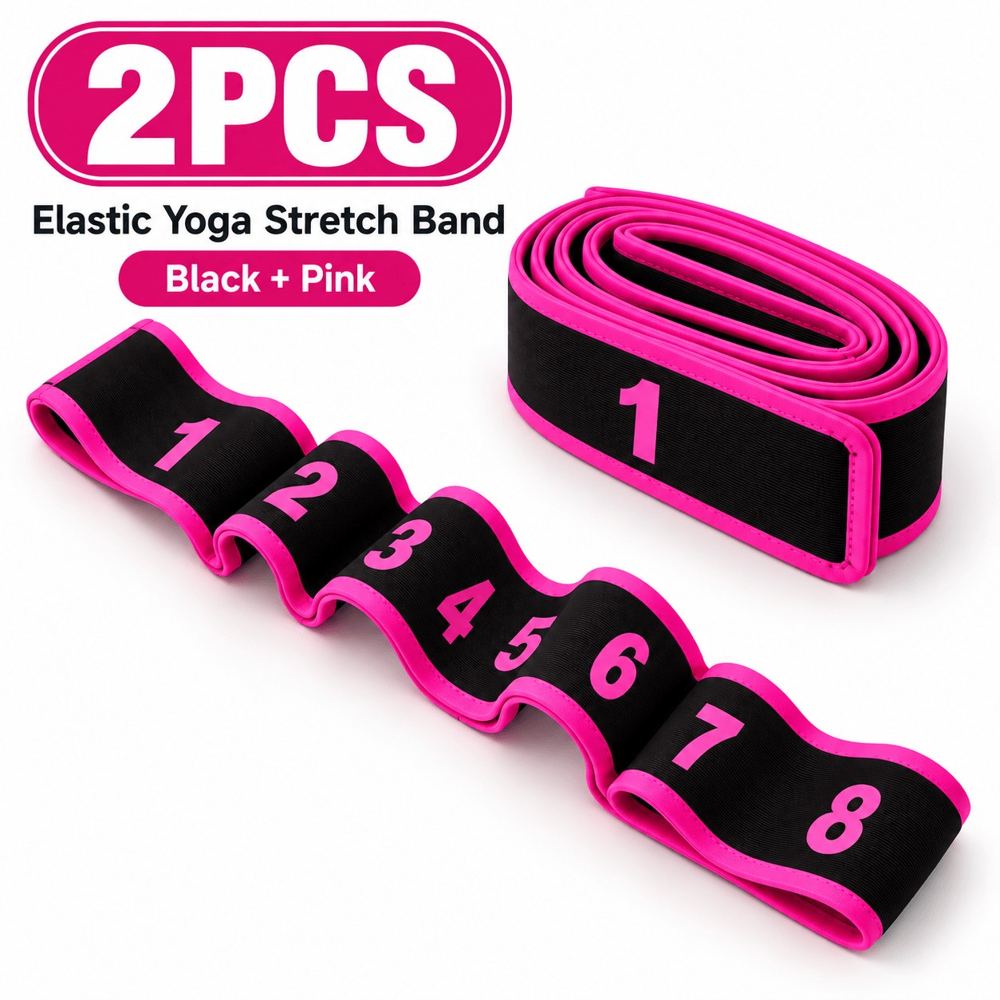
Support tools can make adapted exercise easier. Stretching straps such as the 2pcs 8-Loop Yoga Stretching Straps let you stretch gently without reaching or straining around your bump, and light elastic bands like the 5pcs Elastic Bands for Yoga allow seated or standing arm, shoulder, and hip work with easily adjustable effort.

A Gentle Session Framework
Once cleared, a typical gentle session might look like this — adapt freely, and always privilege how you feel over any plan:
- Warm up slowly with a few minutes of easy walking or marching in place and gentle joint movements.
- Move moderately for a comfortable period — walking, stationary cycling, or a gentle prenatal routine — keeping the talk test in range throughout.
- Add light strength work if it feels good: sit-to-stands, wall push-ups, band rows, and pelvic floor exercises are common choices.
- Cool down and stretch gently, using straps or support as needed, and finish with a few minutes of relaxed breathing.
- Check in afterwards. You should feel pleasantly tired, not drained. Unusual fatigue, pain, or any warning sign means scaling back and speaking to your provider.
FAQ
Q: Can I exercise in the first trimester?
For most uncomplicated pregnancies, yes — with your provider's knowledge and agreement. Many women find fatigue and nausea are the real limits in the first trimester, so sessions may become shorter and gentler. Avoid overheating, skip the avoid-list above, and rest whenever you need to.
Q: I didn't exercise before pregnancy. Can I start now?
Generally, yes — starting gently is usually encouraged after clearance, but "gently" is the key word. Begin with short walks and simple low-impact movement, build gradually over weeks, and do not jump into vigorous or unfamiliar training. Mention your plans at your prenatal appointments so your provider can tailor the advice.
Q: Is it safe to lift weights while pregnant?
Light-to-moderate resistance training with good technique is commonly considered acceptable in uncomplicated pregnancies, particularly if you lifted before. Avoid maximal loads, breath-holding and straining, and exercises lying flat for long periods later in pregnancy. If you are new to weights, pregnancy is the time for professional instruction, not experimentation.
Q: Are abdominal exercises safe during pregnancy?
Gentle deep-core and pelvic floor work is often encouraged, but traditional heavy crunch-style training is generally not the focus in pregnancy, and any exercise that causes doming along the midline, pain, or pressure should be stopped and discussed with your provider or a pelvic health physiotherapist. After the first trimester, follow your provider's advice on positions — many women move abdominal work to inclined, seated, or side-lying variations.
Q: What should I do if I feel dizzy while exercising?
Stop, sit or lie on your side, sip water, and let it pass. Dizziness is a recognised reason to end a session. If it recurs, happens with other symptoms, or you faint, contact your provider promptly. Rising slowly from floor positions and avoiding overheating help prevent it.
The Bottom Line
Exercise during pregnancy, for most women with uncomplicated pregnancies, is not something to fear — it is something to adapt. Get your own provider's clearance first, keep intensity moderate enough to talk through, favour walking, swimming, stationary cycling, prenatal yoga with modifications, and light controlled resistance work, and steer clear of contact sports, fall risks, hot environments, and exhaustion. Above all, treat the warning signs in this guide as non-negotiable stop signals, and bring every question — however small it seems — to your doctor or midwife. Their guidance is written for your pregnancy; this article is only here to help you have that conversation well-informed.
