A gentle postpartum exercise guide: healing first, a pelvic-floor-led progression, warning signs to watch, and why your provider's clearance comes first.
Postpartum Exercise: A Gentle Guide to Getting Moving Again
Giving birth is one of the most physically demanding things a body can do — and yet in the weeks afterwards, many new mothers feel an unspoken pressure to "get back" to exercise quickly. This postpartum exercise guide takes the opposite approach. Here, recovery comes first. Movement returns gradually, led by your pelvic floor and your healing, and your progress is measured by how you feel and function — not by how fast you return to anyone's idea of a pre-baby routine.
There is no deadline here. Some women feel ready for short walks within days of an uncomplicated birth; others need many weeks before gentle exercise feels right. Both are normal. What follows is a calm, step-by-step way to think about moving again, with clear guidance on what to avoid, what to watch for, and when to ask for professional help.
This guide contains affiliate links. If you buy through them, VÉLORA may earn a commission at no extra cost to you.
Please Read This First: This Is Not Medical Advice
This article is general information only. It is not medical advice, and it cannot take your individual birth, recovery, or health history into account. Before you begin any postpartum exercise — beyond the gentle daily movement your own care team has already encouraged — get clearance from your doctor, midwife, or healthcare provider, ideally at your postpartum check-up.
Stop exercising and contact your provider promptly if you notice any of the following:
- Bleeding that increases, restarts after easing off, or becomes heavy
- Pain that is new, worsening, or sharp — in your abdomen, pelvis, back, or a healing wound
- A feeling of heaviness, pressure, or bulging in the pelvic floor or vagina
- Wound problems after a caesarean birth or perineal tear, such as opening, oozing, redness, or a bad smell
- Dizziness, faintness, chest pain, or unusual breathlessness
- Fever, or feeling generally unwell
- Leaking urine or stool that is getting worse rather than better
A pelvic health physiotherapist can also be a wonderful ally in the postpartum months. If anything in this guide conflicts with advice you have been given personally, your provider's advice always wins.
What Early Recovery Actually Looks Like
In the first days and weeks, your body is doing serious repair work: a healing uterus, recovering abdominal and pelvic floor muscles, shifting joints, and — if you had a caesarean birth or stitches — healing surgical tissue as well. Rest is not the opposite of recovery; it is part of it.
For most women after an uncomplicated vaginal birth, the earliest "exercise" is simply moving around the house, short slow walks as comfort allows, and gentle breathing and pelvic floor awareness. After a caesarean birth, recovery is usually slower, lifting is limited for longer, and your provider will guide your timeline — driving, stairs, and carrying limits all vary. Treat any timeline in any guide (including this one) as a rough landscape, never as a personal deadline.
Two ideas shape a safe return:
- Pelvic floor first. The pelvic floor and deep core system recover and re-coordinate before they are ready to manage load again. Rebuilding that foundation first makes everything you add later safer and more comfortable.
- Load comes last. Walking, mobility, and gentle activation come before resistance; light resistance comes before heavier training; impact (running, jumping) comes much later and only when the earlier stages feel completely symptom-free.
Reconnecting With Your Pelvic Floor and Core
After birth, the deep core system — diaphragm, pelvic floor, deep abdominals, and back muscles — often needs help "finding" each other again. Gentle reconnection work is where most postpartum exercise begins:
- Breathing with the pelvic floor. Lying on your side or back with knees bent, breathe in slowly and let your belly and pelvic floor soften. As you breathe out, gently lift and squeeze the pelvic floor, as if stopping the flow of urine, and feel your lower tummy draw in slightly. Release fully before the next breath. The release matters as much as the squeeze.
- Gentle heel slides and toe taps. Once comfortable, slow leg movements while keeping the breathing pattern above help the deep core switch on without strain.
- Short walks. Walking is the foundation of postpartum fitness: it supports circulation, mood, and stamina, and you can scale it minute by minute.
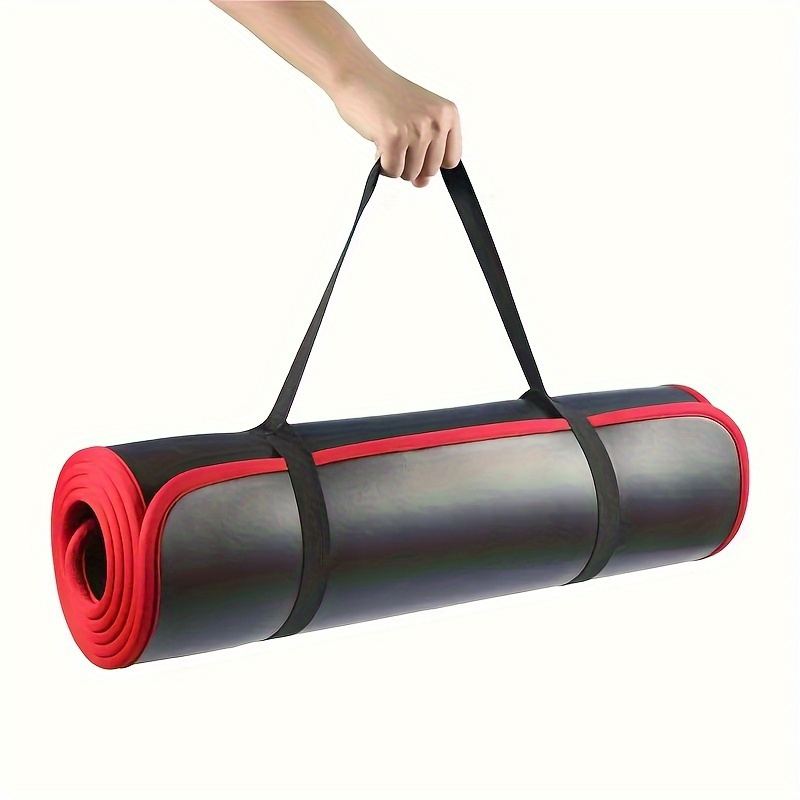
A thick, cushioned surface makes floor work far more comfortable on tender knees, tailbone, and wrists. The Extra-Thick 10mm Yoga Mat offers generous padding for exactly this kind of slow floor work — if sore knees are a concern for you generally, our guide to the best yoga mat for bad knees explains what to look for.
A Gentle Progression, Stage by Stage
Think of your return as stages rather than weeks. Move to the next stage only when the current one feels easy and leaves you symptom-free during the session and for the rest of the day.
Stage 1: Rest, breathe, walk
Prioritise sleep when you can, short walks, breathing and pelvic floor reconnection, and gentle mobility for your neck, shoulders, and back — the muscles that work overtime feeding and carrying a baby. A few minutes of easy stretching on a mat can relieve a surprising amount of tension.
Stage 2: Rebuild the basics
After your provider's clearance, add slow, controlled strength basics: sit-to-stands from a chair, wall push-ups, glute bridges, and gentle core work that keeps your breathing pattern. Keep loads light, move slowly, and rest generously between efforts. This is also the stage where a pelvic health physiotherapy assessment is especially valuable if you have any symptoms at all.
Stage 3: Add light resistance
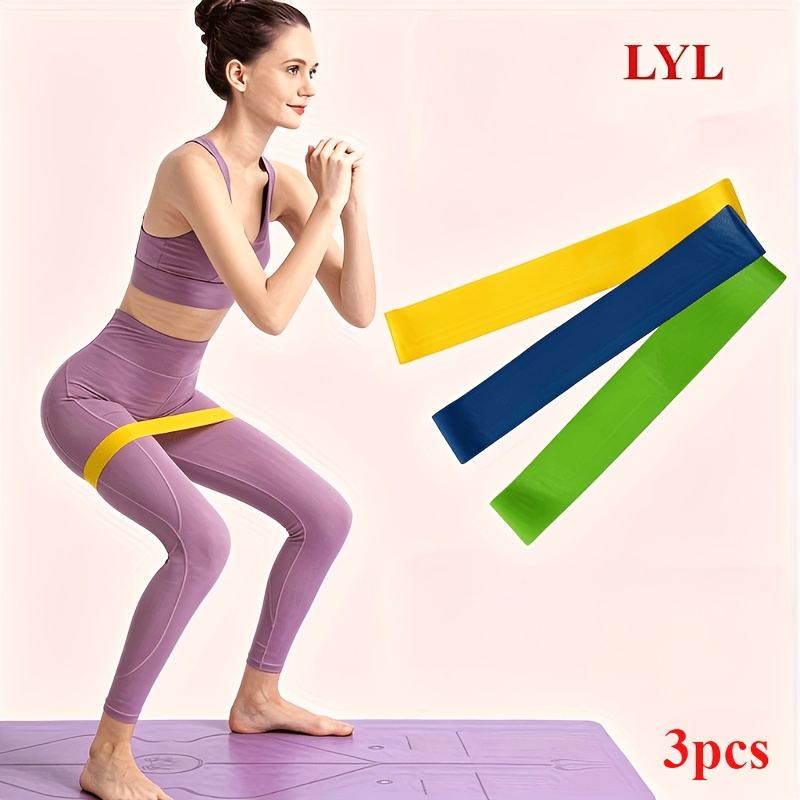
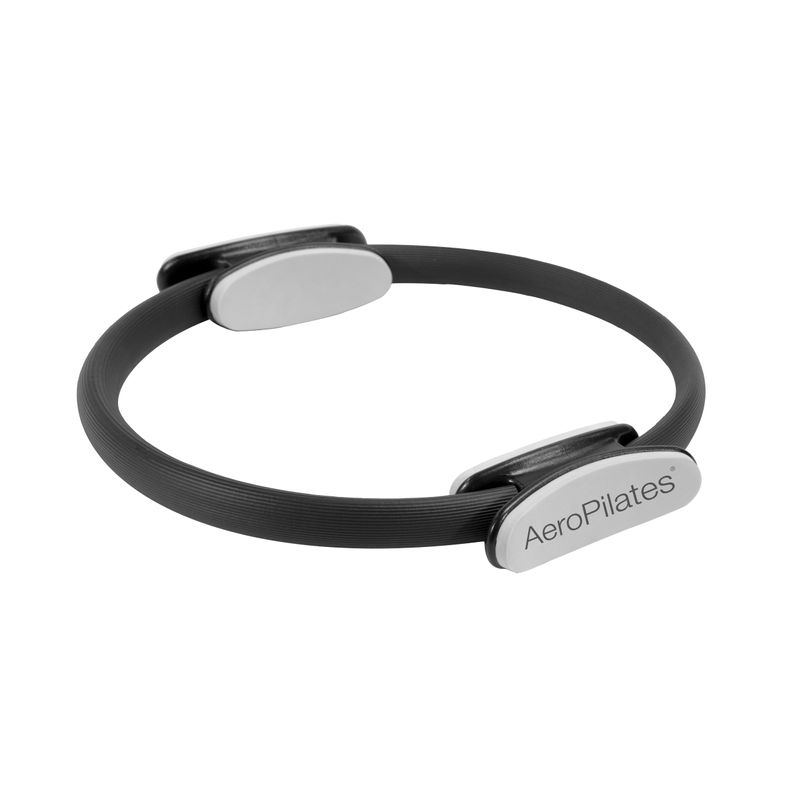
When the basics feel solid, light resistance bands can add variety without heavy weights or joint stress. The 3pcs TPE Light Resistance Bands come in gentle levels suited to rows, presses, and glute work at home. Pilates-style training fits beautifully here too — slow, precise, floor-based movement that respects the core. A ring such as the AeroPilates Magic Circle can add gentle resistance to leg and arm work once your provider is happy for you to progress; our roundup of the best Pilates equipment for home covers the main options.
Stage 4: Return to the exercise you love — gradually
Swimming (once bleeding has stopped and any wounds are healed, with your provider's agreement), low-impact classes, and progressively heavier strength training can all come back in time. Impact exercise such as running is generally a later-stage goal: mainstream postpartum guidance commonly suggests building a solid base of walking, strength, and pelvic floor function first, and checking in with a professional if you have any pelvic floor symptoms. If something causes pain, heaviness, leaking, or bleeding, that is information — step back a stage and seek advice, rather than pushing through.
A Note on Diastasis Recti
During pregnancy, the two sides of the abdominal wall naturally separate to make room for the baby, and for many women this gap narrows again in the weeks after birth. For some, a wider separation (often called diastasis recti) remains. This guide cannot diagnose it, and you should not try to grade your own gap from internet tests alone — a pelvic health physiotherapist or your provider can assess you properly.
Practical, cautious principles that are widely recommended:
- Watch for "doming" or "coning" — a visible ridge pushing out along the midline of your tummy during an exercise. It is a sign that the movement is more than your abdominal wall can currently manage; modify or stop that exercise.
- In the early stages, favour the breathing-led core work described above over heavy loaded crunch-style movements.
- Be patient: abdominal recovery is measured in months, and gradual, well-managed loading is the approach professionals generally recommend.
Moving With Your Baby, and Being Kind to Yourself
Some days, a ten-minute walk with the pram will be the whole workout — and that counts, completely. Feeding demands, broken sleep, and a baby who needs you constantly are real constraints, not excuses. Short, frequent sessions often fit new-mother life far better than long workouts, and gentle upper-back and shoulder release work (our guide to the best foam rollers can help you choose one) can ease the aches of feeding and carrying.
Please also let go of the idea of "bouncing back." Your body has done something remarkable, and it deserves the same patient, progressive approach you would give any major physical recovery — because that is exactly what this is.
FAQ
Q: When can I start exercising after giving birth?
It depends on your birth and your recovery. Gentle walking and pelvic floor awareness often begin early after an uncomplicated birth, but structured exercise should wait for your provider's clearance, usually discussed at your postpartum check-up. After a caesarean birth or a complicated delivery, expect a slower timeline guided by your own care team.
Q: Is it normal to leak urine when I exercise postpartum?
Leaking is common, but it is not something you simply have to accept forever. It is a sign your pelvic floor needs more support and rehabilitation. Reduce the load or impact of whatever triggers it, and ask your provider for a referral to a pelvic health physiotherapist — this is very treatable territory.
Q: Can I do abdominal exercises after birth?
Yes, eventually — but the order matters. Begin with breathing-led pelvic floor and deep core reconnection, progress under guidance, and watch for doming along the midline. Heavy crunch-style work is a later-stage addition, and if you suspect diastasis recti, get assessed before loading your core.
Q: When can I run again after having a baby?
Running is high-impact, and most professional guidance treats it as a later milestone: first rebuild walking tolerance, strength, balance, and pelvic floor function, and be completely symptom-free (no leaking, heaviness, pain, or bleeding) during lower-level training. A pelvic health assessment before returning to running is a wise step for many women.
Q: What if exercise makes my bleeding increase?
Stop, rest, and contact your provider. Increased or returning bleeding after exercise is a recognised sign that you have done too much, too soon, and it should always be taken seriously rather than pushed through.
The Bottom Line
A safe postpartum return to exercise is slow on purpose: clearance from your own provider first, pelvic floor and breathing before load, walking before resistance, and symptoms — pain, heaviness, leaking, bleeding — treated as stop-and-ask signals, never obstacles to push through. Progress in stages, keep sessions short and kind, and remember that recovery is not a race. If you take one thing from this guide, let it be this: when in doubt, ask your doctor, midwife, or pelvic health physiotherapist. Personal guidance beats any article — including this one — every time.
