The best pilates equipment for home doesn't need a reformer. Start with a bar kit, magic circle and loop bands — here's what to buy, in what order.
Best Pilates Equipment for Home: Start With a $10 Bar Kit, Build From There
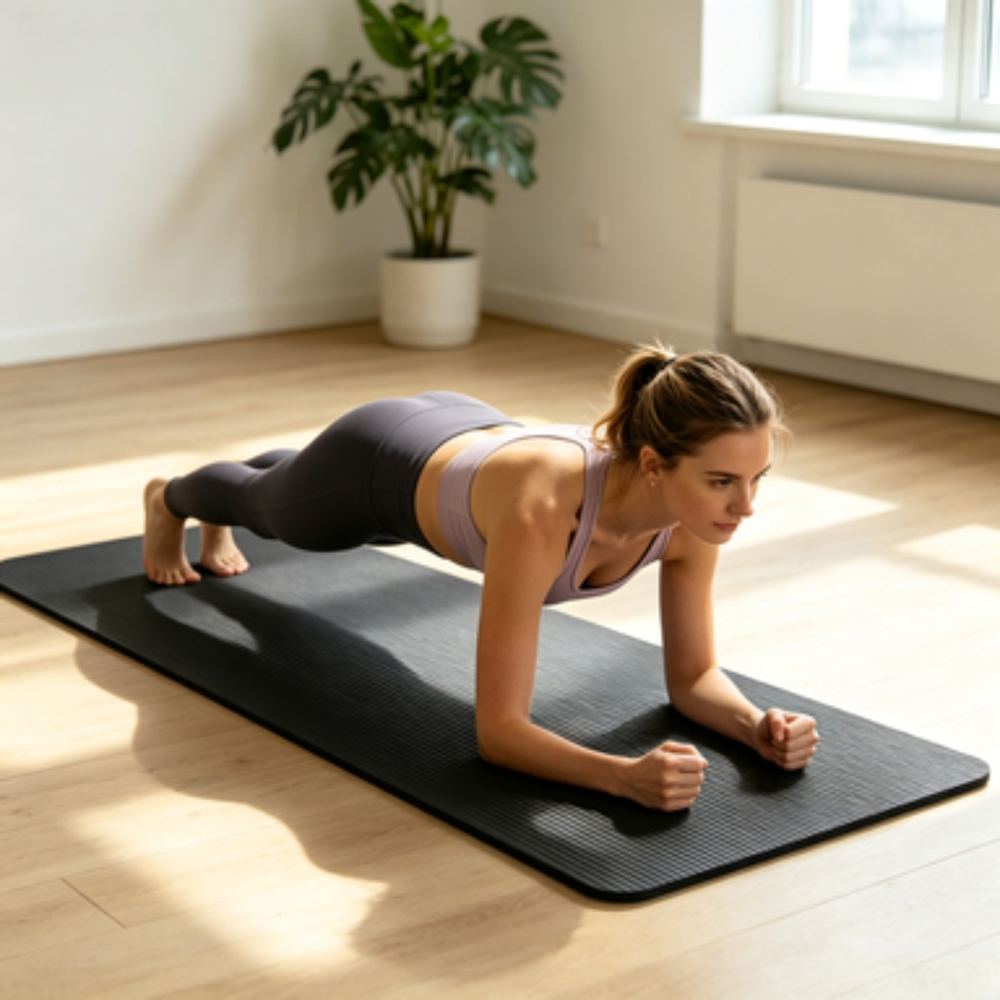
Pilates has a marketing problem. Scroll social media and you'd think it requires a $3,000 reformer, a sunlit studio and matching activewear. The reality is much friendlier: classical mat Pilates was designed around bodyweight and a handful of small props, and the best pilates equipment for home still follows that logic. A resistance bar kit, a magic circle, a set of loop bands and a decent pair of grip socks will carry you from your first roll-up to genuinely advanced core work — for less than a month of studio classes.
This guide lays out what to buy and in what order. We compared specs, sizes and buyer feedback on the most useful home props, with honest notes on what each piece actually does in a session. Whether your budget is $11 or you're building a small dedicated corner, this is the sensible path in.
This guide contains affiliate links. If you buy through them, VÉLORA may earn a commission at no extra cost to you.
What to Look for in Home Pilates Equipment
Resistance you can progress
Pilates props work by adding challenge to controlled movement. The useful question for any purchase is: can this get harder as I get stronger? Band-based kits score well here because you can swap bands, double them up or shorten your grip. Fixed props like the magic circle progress differently — through slower tempos, longer holds and more demanding variations.
Grip and stability come first
So much of Pilates is about not sliding: feet pressing into a ring, hands anchoring on a mat, heels staying put during leg work. Non-slip socks, a mat with real grip and bands that don't roll or snap mid-rep matter more than any brand name. Cheap latex bands that roll into ropes are the classic false economy.
Size and fit
Magic circles come in sizes — a 14-inch ring suits most adults for both inner-thigh and arm work, while smaller rings can feel cramped between the knees. Loop bands should be wide enough to stay flat on your legs. Bar kits should adjust or assemble to a length that suits your height for standing work.
Storage reality
The quiet miracle of mat Pilates equipment is that an entire "studio" fits in a drawer. If space is your constraint, prioritize props that stack flat: bands, a ring, socks, and a bar kit that breaks down. Bulky gear is where home programs go to die.
The Best Pilates Equipment for Home
Pilates Bar Kit with Resistance Bands — the best starter pick
If you buy one thing, buy this. For $10.78, the bar kit is essentially a portable reformer substitute: a sturdy stick with resistance bands and foot loops that lets you replicate rowing, leg press, standing arm work and dozens of classical exercises with something to push and pull against. It turns mat work from "floor exercises" into connected, full-body resistance training, which is the feeling Pilates people are actually chasing.
The kit assembles and breaks down quickly, travels in a bag, and the bands give beginners an honest starting resistance with room to progress. Experienced practitioners still find it useful for travel and variety days. At this price, it's the easiest recommendation in this entire guide.
Pros
- Just $10.78 for a genuinely versatile full-body tool
- Replicates reformer-style exercises at home
- Breaks down for storage and travel
Cons
- Band resistance tops out for very strong users
- Assembly instructions on budget kits can be minimal
Price: $10.78
View on VÉLORA
AeroPilates Magic Circle 14-inch — the classical prop
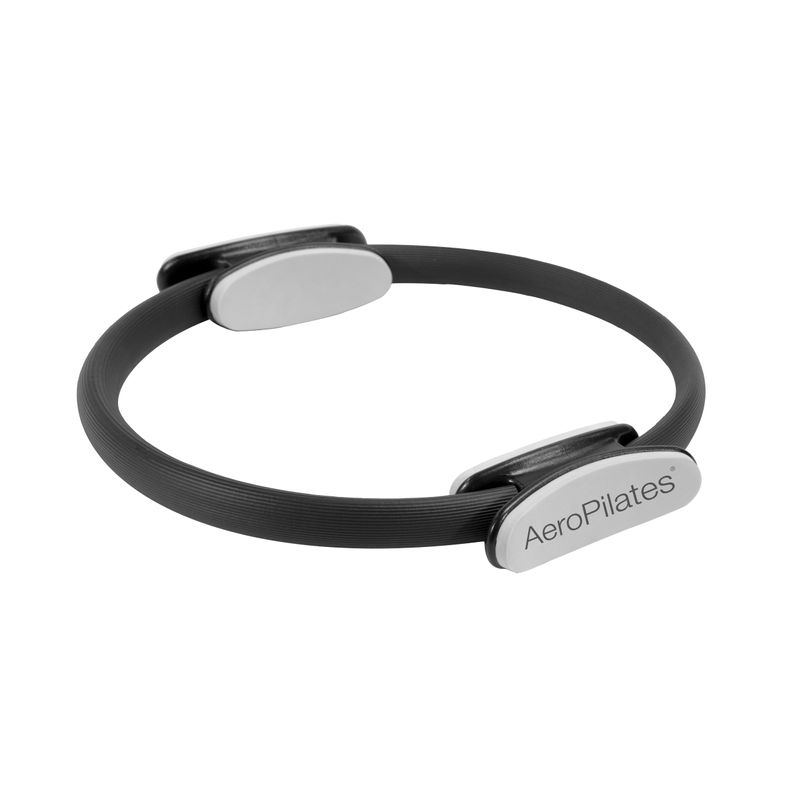
The magic circle is Joseph Pilates' own invention — a flexible ring you squeeze between your hands, ankles or knees to find the deep, connected effort that defines the method. The AeroPilates version at $44.99 is the reference design: a 14-inch ring with padded handles on both sides, so it stays comfortable against inner thighs and palms through long sets.
This is the premium pick here, and the price jump over generic rings buys you spring quality — even resistance through the squeeze and a ring that returns to shape for years. If you follow classical or contemporary mat sequences, this is the prop those instructors are picturing when they cue "magic circle."
Pros
- Authentic 14-inch size suits most bodies and exercises
- Padded dual handles for comfort in leg and arm work
- Durable spring that keeps its resistance
Cons
- Premium price compared with generic rings
- One resistance level — progression comes from programming
Price: $44.99
View on VÉLORA
Dual Grip Pilates Magic Ring — the smart-value ring
For readers shopping on Daraz, this dual grip magic ring at Rs 1,650 delivers the same essential tool as the premium pick for a fraction of the price. The dual grips help it sit comfortably between the knees or in the hands, and it covers the full magic circle repertoire — inner thigh work, chest and arm presses, and those deceptively brutal standing sequences.
Honest expectations: budget rings typically have a slightly softer squeeze and less refined padding than the AeroPilates. For most home practitioners, especially anyone adding a ring to their routine for the first time, that difference is hard to notice in practice. This is the value-savvy way to find out how much you'll use one.
Pros
- Rs 1,650 — excellent local value for the same core tool
- Dual grips for comfortable placement
- Light and easy to store
Cons
- Softer resistance than premium rings
- Padding is basic
Price: Rs 1,650
View on VÉLORA
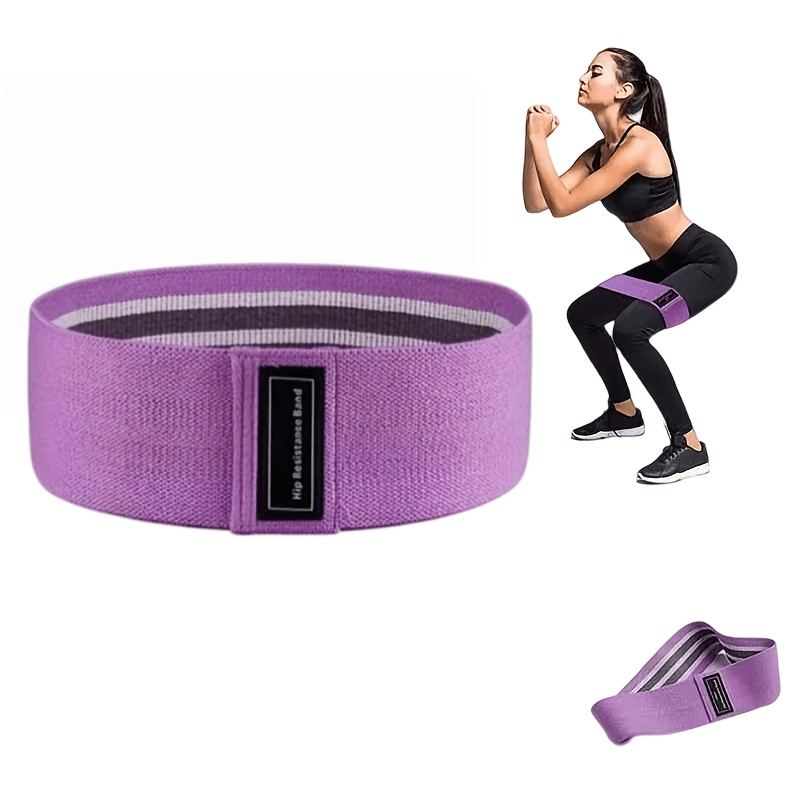
Resistance Loop Band Set of 5 — the progression engine
Five loop bands, five resistance levels, Rs 1,499. Loop bands are the quiet workhorse of home Pilates: above the knees for glute medius work, around the wrists for arm series, under the feet for leg springs and roll-downs. A graded set means you always have the right challenge — light for mobility and shoulder work, heavy for clamshells and standing leg work that should genuinely burn.
Look for bands that lie flat and stay put; sets like this one earn their keep by covering the full range in a single purchase. This is also the easiest add-on if you already own a bar kit — the two together cover almost every mat exercise ever programmed. For a deeper dive into choosing bands, see our guide to the best resistance bands for women.
Pros
- Five graded resistances for real progression
- Versatile across glute, arm and core work
- Takes up virtually no space
Cons
- Latex bands need replacing eventually with heavy use
- Can roll on bare skin during some leg exercises
Price: Rs 1,499
View on VÉLORA
Ladies Pilates Socks, Non-Slip — the small upgrade that changes sessions
Grip socks sound like an accessory. In practice, they're equipment. At Rs 750, these non-slip ladies' Pilates socks solve the constant micro-sliding that ruins form in standing work, planks, lunges and any exercise where your feet are supposed to anchor and push. The grip also adds confidence on smooth floors, and honestly, warm feet make winter morning sessions much more likely to happen.
Studios often require grip socks for hygiene on shared equipment; at home, the case is purely performance — and it's a strong one. If your mat work involves any standing series at all, these pay for themselves in frustration avoided.
Pros
- Just Rs 750 for noticeably better stability
- Reliable grip on mats and smooth floors
- More hygienic and warmer than bare feet
Cons
- Sizing matters — check the size guide before ordering
- Grip dots wear down over many washes
Price: Rs 750
View on VÉLORA
Your Buying Order, Simplified
Starting from zero? Bar kit first ($10.78) — it gives you a complete session from day one. Add the loop band set next for glute and progression work. Then the magic circle, whichever tier suits your budget, for classical connection and inner-thigh/arm work. Grip socks whenever you notice your feet sliding — probably week two. Total for the whole drawer-sized studio: less than one month of boutique classes, and it never expires.
Frequently Asked Questions
Can I do Pilates at home without a reformer?
Absolutely. Mat Pilates is the original form of the method, and small props like bar kits, magic circles and loop bands replicate most of the reformer's resistance work for home practice. A reformer adds variety and spring-based assistance, but it is not a requirement for strong, effective Pilates.
What is a Pilates bar kit, and is it worth it?
A bar kit is a rigid stick connected to resistance bands with foot loops. You stand on or hold the bands and push or pull against the bar, mimicking reformer exercises like leg press, rowing and arm work. At around $11, it is widely considered the best-value entry into equipment-based Pilates at home.
What size magic circle should I buy?
A 14-inch ring suits most adults for both leg and arm exercises. If you are petite or mainly want the ring for arm and chest work, a smaller ring can work, but 14 inches is the standard size instructors assume in most follow-along classes.
Do I really need grip socks for Pilates at home?
If your practice includes standing work, planks or lunges on a mat or smooth floor, yes — the grip noticeably improves stability and form. For purely supine mat work they're optional, but at this price most people find them worth it within a session or two.
How often should beginners do Pilates?
Two to three sessions a week of 20–40 minutes is an ideal start. Pilates rewards consistency and precision over marathon sessions, and the equipment in this guide stores so small that keeping it within reach makes the habit easy to keep.
The Bottom Line
Home Pilates doesn't need a reformer-sized budget. Start with the $10.78 bar kit, layer in loop bands and a magic circle as your practice grows, and don't underestimate the humble grip sock. Browse everything in one place on the Pilates category page, and read our best resistance bands for women guide to get the most from every band you own.