Sweaty equipment wears out fast and smells worse. Learn simple cleaning and maintenance routines for mats, dumbbells, bands, cardio machines, and benches that extend their life.
How to Clean and Maintain Home Gym Equipment
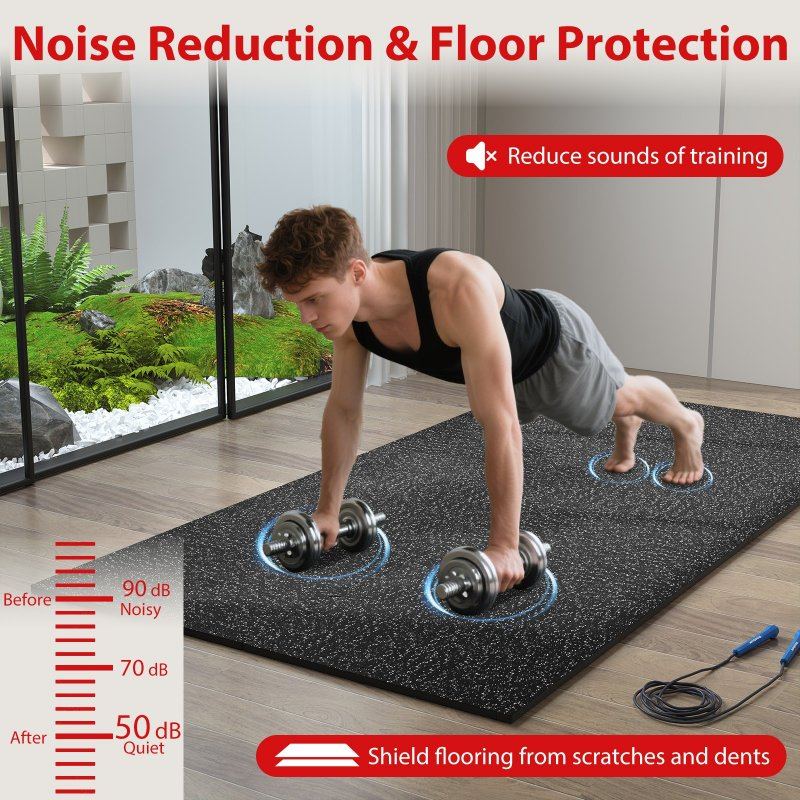
Your home gym takes a beating — sweat, dust, shoe scuffs, and the slow grind of daily use. A little regular care does three things at once: it keeps your gear hygienic, it extends the life of everything you bought, and it makes your workout space somewhere you actually want to spend time. Most of it takes less than ten minutes a week.
This guide gives you practical cleaning and maintenance routines for every common piece of home gym equipment: mats, dumbbells, resistance bands, benches, cardio machines, and the small accessories that quietly collect grime. No harsh chemicals, no complicated procedures — just sensible habits that keep your investment in good shape.
This guide contains affiliate links. If you buy through them, VÉLORA may earn a commission at no extra cost to you.
The Golden Rules of Equipment Care
Before the equipment-by-equipment breakdown, four principles that apply to everything:
- Wipe down after every session. A quick pass with a damp cloth or a mild soap solution takes 60 seconds and prevents sweat from corroding metal, degrading rubber, and feeding odor.
- Avoid harsh chemicals. Bleach, strong solvents, and abrasive cleaners damage rubber, foam, vinyl, and coatings. Mild dish soap and water handle nearly everything; a diluted white-vinegar solution works for odor.
- Dry thoroughly. Moisture trapped under equipment or in crevices causes rust and mildew. Air-dry mats and benches before rolling or stacking them.
- Inspect while you clean. A loose bolt, a fraying cable, or a cracking mat edge is easiest to catch during your regular wipe-down — and catching it early is the difference between a quick fix and a replacement.
Cleaning and Maintenance by Equipment Type
| Equipment | After each use | Weekly / monthly | Watch for | |---|---|---|---| | Yoga / exercise mats | Wipe with damp cloth + mild soap | Deep clean monthly; hang or lay flat to dry | Cracking, peeling, persistent odor | | Rubber floor tiles | Sweep; damp-mop with mild soap | Deep scrub monthly; check interlocks | Lifting edges, compression dents | | Dumbbells / kettlebells | Wipe handles with damp cloth | Check coatings monthly; oil-free rust spots | Rust, loose adjustable parts, chipped rubber | | Resistance bands | Wipe with damp cloth | Powder latex bands lightly; inspect for nicks | Tears, stickiness, loss of snap | | Weight bench | Wipe vinyl pads | Check bolts and hinges monthly | Torn vinyl, wobbling frame | | Cardio machines | Wipe touch surfaces and rails | Dust internals monthly; check belts | Squeaks, slipping belts, error codes | | Foam rollers / balls | Wipe with damp cloth + soap | Air-dry fully; replace when deformed | Flattened spots, crumbling foam |
Mats: Yoga Mats, Exercise Mats, and Floor Tiles
Mats absorb the most sweat per square inch of anything in your gym, so they need the most attention.
After every workout: wipe the surface with a damp cloth and a drop of mild dish soap, then wipe again with a clean damp cloth to remove soap residue. If your mat is a foldable style like the black folding gym mat with PU foam padding, fold it open for the wipe-down and let it air-dry unfolded before folding it away — trapped moisture between folds breeds mildew.
Weekly: for heavier use, do a fuller clean — lay the mat flat, wash with a soft sponge and soapy water, rinse with a damp cloth, and hang over a railing or lay flat to dry completely. Never machine-wash foam mats; the agitation tears them apart.
Floor tiles: interlocking rubber tiles like the 12-piece rubber-top exercise mat set handle a damp mop with mild soap well. Sweep first so grit doesn't scratch the surface. Check the interlocking edges monthly — a lifting corner is a trip hazard and lets moisture underneath.
Odor: mist a solution of one part white vinegar to three parts water, then wipe off. For stubborn smells, sprinkle baking soda on the dry mat, leave 30–60 minutes, and wipe away.
Dumbbells and Kettlebells
Metal and rubber-coated weights are low-maintenance, but sweat is corrosive — it will rust bare metal handles and slowly degrade rubber coatings.
After each use: wipe the handles and any exposed metal with a slightly damp cloth, then dry. This single habit prevents nearly all handle rust.
Monthly: inspect coatings — small chips are cosmetic, but flaking coating exposes metal to moisture. On adjustable dumbbells, check that locking mechanisms, selector pins, and collars move freely and seat correctly; a wobbly selector is a safety issue to fix before your next workout. For more on choosing between types, see our adjustable vs fixed dumbbells guide.
Rust spots: remove light surface rust with a soft cloth and a little mineral oil, then wipe dry. Deep pitting means the metal is compromised — replace the weight rather than risking a handle failure under load.
Resistance Bands
Bands are the most maintenance-sensitive item in a home gym because their entire function depends on the elasticity of the material.
After each use: wipe with a damp cloth to remove sweat and body oils, which break down latex and rubber over time.
Storage: keep bands away from direct sunlight, heat, and sharp edges — UV and heat are the two fastest band-killers. Hang them or lay them flat; don't leave them stretched around a door anchor between sessions. A very light dusting of talc or cornstarch every couple of months stops latex surfaces sticking to themselves.
Inspection: before each use, give bands a quick visual check and a gentle stretch. Retire any band showing nicks, tears, discoloration, stickiness, or loss of snap — a band that fails under tension can snap back hard. Our types of resistance bands guide helps you pick the right replacement, and our safe band use guide covers technique that also reduces wear.
Weight Benches and Racks
After each use: wipe the vinyl pads with a damp cloth and mild soap. Sweat left on vinyl eventually cracks it.
Monthly: check every bolt, hinge, and adjustment pin — hardware loosens under dynamic loads. Tighten anything that's backed out and confirm adjustment pins seat fully with no play. If a bench wobbles on a level floor, stop using it until you find the cause: a loose bolt, a bent leg, or a worn hinge. Lubricate sticking hinges sparingly with silicone-based lubricant.
Vinyl care: patch small tears with vinyl repair tape to keep moisture out of the foam. Once foam is exposed and compressing unevenly, replace the pad.
Cardio Machines: Bikes, Treadmills, Rowers
Cardio machines have moving parts, electronics, and belts — they reward a slightly more structured routine.
After each use: wipe down handlebars, seats, consoles, and any surface you touched. Sweat corrodes electronics and makes grips slippery.
Weekly: dust around and under the machine — dust shortens motor and electronics life. On treadmills, check belt alignment and tension per the manual; a drifting belt wears unevenly and can become a fall risk. On bikes and rowers, confirm pedals, seats, and foot straps are secure.
Monthly: listen for new squeaks, grinding, or knocking — early warnings of wear. Check power cords for damage, and keep chains (on some rowers and bikes) clean and lightly lubricated per the manual. Don't train through mechanical warnings or persistent error codes; consult the manual first.
Small Accessories: Rollers, Balls, Jump Ropes, Gloves
Foam rollers and massage balls: wipe with a damp cloth and mild soap; air-dry fully before storing. Replace rollers with flattened or crumbling spots — they no longer distribute pressure evenly.
Jump ropes: wipe handles, check cables for kinks or fraying, and store coiled loosely — tight coils kink cables permanently.
Gloves and wrist wraps: air out after every session and wash per the label (most handle a gentle machine wash in a laundry bag). Replace when padding compresses flat or seams split.
Towels: wash workout towels frequently and keep a dedicated one for benches — it protects both you and the vinyl.
Setting Up a Maintenance Schedule That Sticks
The routines above sound like a lot written out, but in practice it's about ten minutes a week:
- Every session (2 min): wipe down what you touched — mat, handles, bench pads, machine surfaces.
- Weekly (5 min): deeper clean on the most-used mat, quick hardware check on bench and rack, dust around cardio machines.
- Monthly (10 min): full inspection — bands, cables, bolts, belts, coatings, vinyl.
Tie the monthly check to the first workout of the month. If you're building your home gym from scratch, our home gym setup guide and women's home gym essentials cover which pieces are worth the investment. For budget-friendly flooring that's easy to wipe down, the rubber-top exercise mat set and 8mm non-slip sports mat are built for daily use.
Safety Notes
- Unplug cardio machines before any cleaning near electronics or motors.
- Never spray liquid directly onto a console or into vents — spray your cloth, then wipe.
- Don't use bleach, ammonia, or abrasive pads on rubber, foam, vinyl, or coated weights.
- Retire — don't repair — load-bearing items with structural damage: cracked bench frames, frayed cables, torn bands, deeply pitted handles.
- Keep cleaning supplies out of reach of children and pets, and store equipment so small parts (pins, collars) aren't choking hazards.
FAQ
Q: How often should I clean my home gym equipment?
Wipe down everything you touched after every session — that's the single most important habit. Deep-clean mats weekly, and run a full inspection (bolts, bands, belts, coatings) monthly. Total time: roughly ten minutes a week plus the two-minute post-workout wipe.
Q: Can I use disinfectant wipes on my yoga mat?
Occasional use is fine, but check the ingredients — wipes with bleach or harsh solvents dry out and crack foam and rubber over time. Mild soap and water is gentler for daily cleaning; if you prefer wipes, choose alcohol-free ones made for fitness equipment.
Q: Why does my home gym smell, and how do I fix it?
The smell is almost always sweat-soaked mats, unwashed gloves, or damp towels left in a gym bag. Deep-clean the mats (vinegar-water solution, then baking soda), wash gloves and wraps, launder towels, and ventilate the room. Prevention — the post-workout wipe-down and airing things out — beats any deodorizer.
Q: How do I stop my dumbbell handles from rusting?
Wipe them down after every use and dry them — sweat is the main cause. Store weights in a dry room, not a damp garage or basement corner. Light surface rust can be removed with a soft cloth and mineral oil; deep pitting means replacement time.
Q: My treadmill belt is slipping. Is that a maintenance issue?
Often, yes — belt tension and alignment drift with use, and most manuals show how to adjust them with an Allen key. Dust buildup under the belt can also cause slipping. If adjustment and cleaning don't fix it, or the belt is visibly worn, contact the manufacturer rather than continuing to use it.
Q: When should I replace equipment instead of cleaning it?
When cleaning can't restore function or safety: torn resistance bands, cracked bench frames, frayed cables, deeply pitted metal, crumbling foam, or electronics throwing persistent error codes. Cosmetic wear — scuffs, faded color, minor chips — is fine to live with.
Conclusion
Maintaining a home gym isn't a project — it's a habit, and a cheap one. Two minutes of wipe-downs after each session, five minutes weekly, ten minutes monthly, and your equipment stays hygienic, safe, and working like it should for years instead of months. The gear you bought was an investment in your training; a damp cloth and a little consistency are what protect that investment. Start with tonight's workout: wipe it down before you walk away.
