New to fitness? Follow this balanced 7-day beginner plan with cardio, strength, mobility and rest days — plus duration ranges and a 4-week progression guide.
Beginner Weekly Activity Plan: A Balanced 7-Day Template
Starting a fitness routine is easy. Starting one you can actually stick with is the real challenge. Most beginners fail not from lack of motivation but from plans that are too ambitious: six hard days, complicated splits, and no rest — a recipe for burnout by week three.
This guide gives you something better: a balanced 7-day template designed for true beginners. It mixes cardio, strength, mobility, and rest in a rhythm your body can recover from. Every day includes duration ranges (not rigid prescriptions), beginner modifications, and a clear 4-week progression so you know exactly how to grow. No gym required — everything here works at home with minimal equipment.
This guide contains affiliate links. If you buy through them, VÉLORA may earn a commission at no extra cost to you.
The Principles Behind This Plan
Before the day-by-day template, the logic it runs on:
- Three kinds of training, one week. Cardio builds your heart and stamina, strength builds muscle and bone, mobility keeps your joints happy. Beginners need all three, in small doses.
- Hard days are separated by easy days. You never do two demanding sessions back-to-back. Recovery is scheduled, not hoped for.
- Ranges, not rigid numbers. Every session lists a duration range (e.g., 15–25 minutes). Start at the low end. There's no failing — there's only starting where you are.
- Consistency beats intensity. A 20-minute walk you do beats a 60-minute workout you skip. This plan is built to be repeatable.
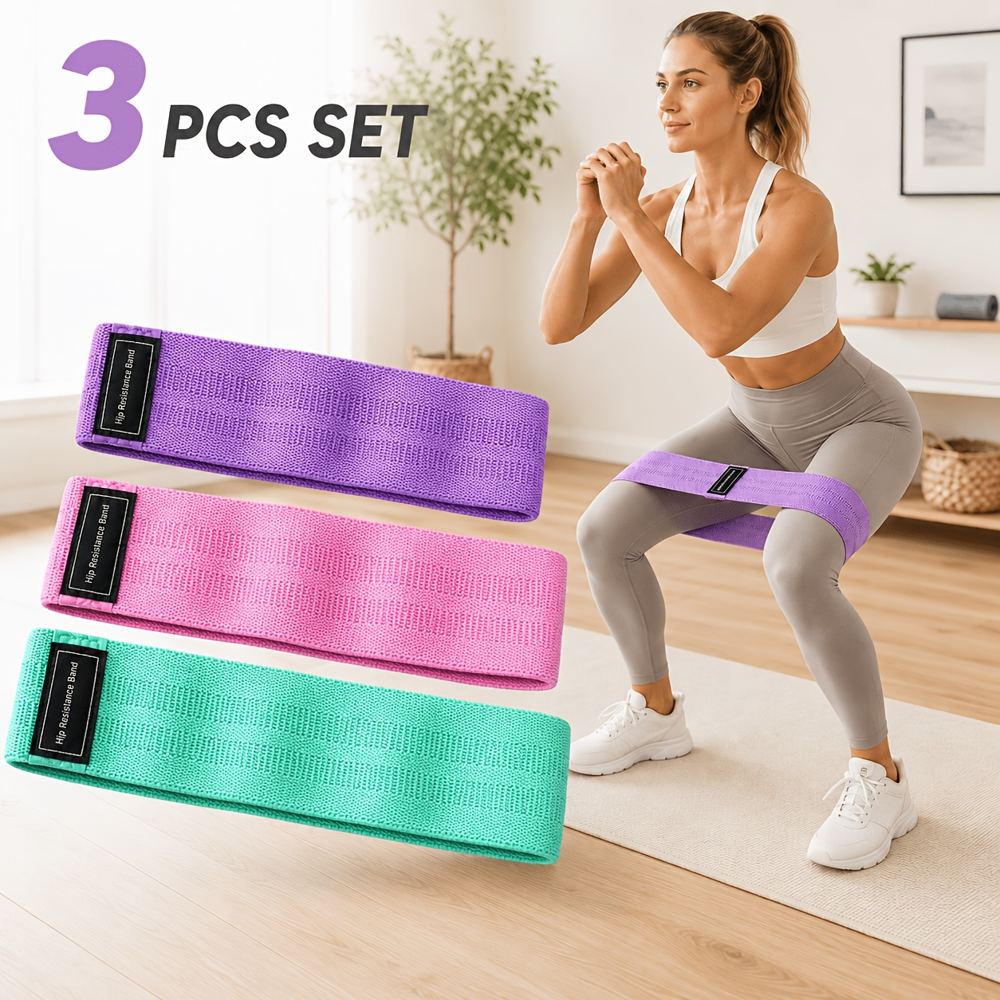
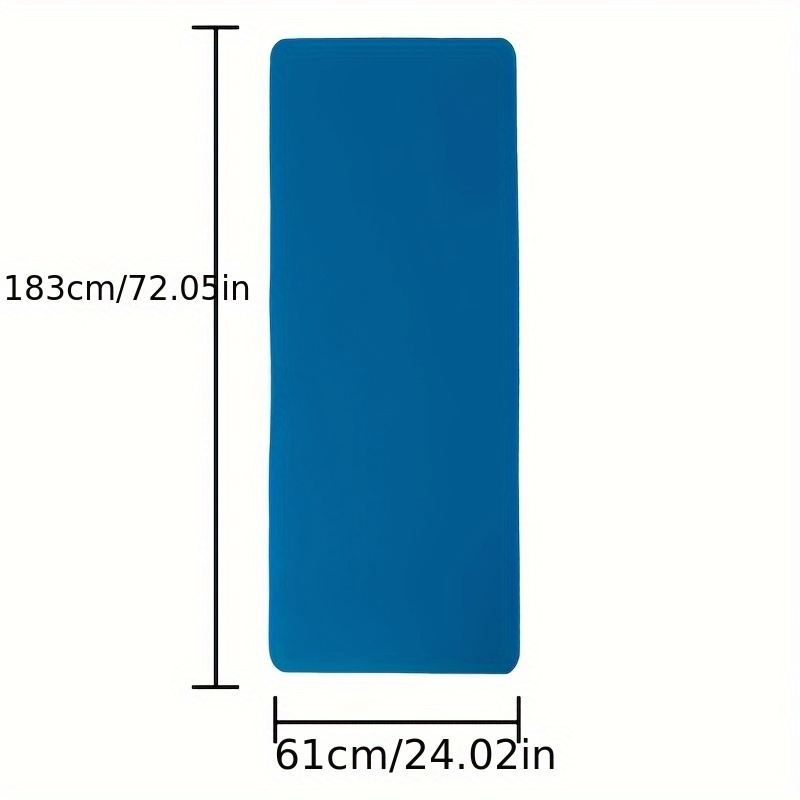
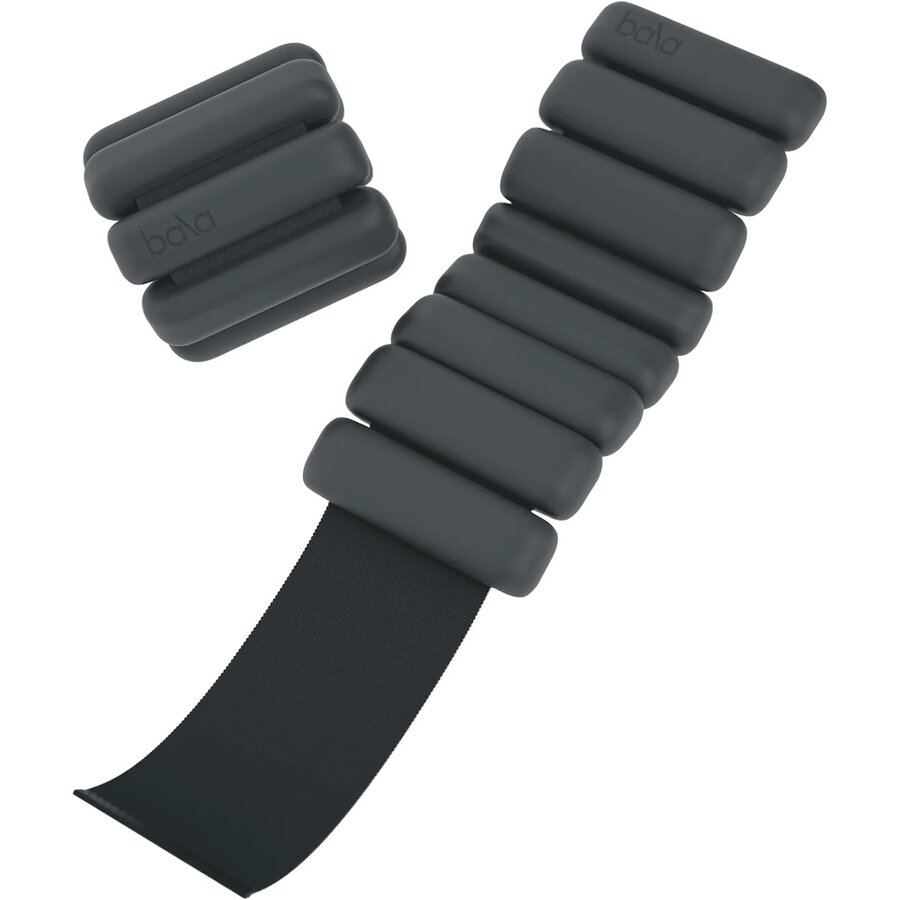
Equipment that helps (all optional): a 3-pack of fabric resistance bands for strength days, an 8mm non-slip yoga mat for floor work, and a set of 3 lb wrist and ankle weights for adding gentle challenge to walks and bodyweight moves later on.
The 7-Day Template
Monday — Cardio Day (20–30 minutes)
What: Brisk walking, easy cycling, marching in place, or a beginner dance video — anything that raises your heart rate and breathing while still letting you talk.
How: Warm up with 3–5 minutes of easy walking. Then 15–20 minutes at a "brisk but comfortable" pace (effort 4–6 out of 10). Cool down with 3–5 minutes of slow walking and gentle stretching.
Beginner modification: If 15 minutes feels like a lot, do 3 × 5-minute bouts with short rests between. It counts the same.
Tuesday — Strength Day: Lower Body (20–30 minutes)
What: Bodyweight or light-band strength for legs and glutes: squats (or chair sit-to-stands), glute bridges, standing calf raises, and side-lying leg lifts.
How: 2 rounds of: 8–12 squats or sit-to-stands, 10–15 glute bridges, 10–15 calf raises, 8–10 leg lifts per side. Rest 60–90 seconds between rounds. The fabric resistance bands add gentle resistance to bridges and leg lifts when bodyweight feels easy.
Form cues: knees track over toes in squats, squeeze glutes at the top of bridges, move slowly — 2 seconds up, 2 seconds down.
Wednesday — Mobility + Gentle Walk (15–25 minutes)
What: An active recovery day. 10–15 minutes of gentle full-body stretching (neck rolls, cat-cow, hip circles, hamstring stretches, chest opener) plus a 10-minute easy walk.
How: Move slowly, breathe deeply, and never push into pain. This day should leave you feeling looser and calmer. Our full-body stretching routine is a perfect fit here.
Thursday — Cardio Day (20–35 minutes)
What: Same idea as Monday, slightly longer if you feel up to it — or try a different activity for variety. Many beginners enjoy alternating walking days with a beginner cardio video.
How: 3–5 minute warm-up, 15–25 minutes at conversational effort, 3–5 minute cool-down. If Monday felt easy, add 5 minutes. If it felt hard, repeat the same duration — that's still progress.
Friday — Strength Day: Upper Body + Core (20–30 minutes)
What: Push-ups (wall or knee version), band rows or band pull-aparts, overhead presses with light bands, dead bugs, and glute bridges.
How: 2 rounds of: 6–10 wall or knee push-ups, 10–15 band rows, 8–12 band overhead presses, 6–8 dead bugs per side. Rest 60–90 seconds between rounds.
Form cues: keep your trunk braced (ribs down, no arching back), press through full range, and stop a rep or two before failure — beginners build strength fastest with clean reps.
Saturday — Your Choice: Fun Movement (20–40 minutes)
What: Anything active you genuinely enjoy — a longer walk, beginner yoga video, swimming, cycling, dancing in your living room. This day exists to remind you that movement can be fun, not just "training."
How: Keep effort easy to moderate. If you'd rather rest, take the rest — swap Saturday and Sunday freely.
Sunday — Full Rest
What: Nothing structured. Normal daily life, that's it. Rest is when your body adapts to the week's work — it's part of the plan, not a gap in it.
For guidance on structuring workouts as you advance, see our how to structure a workout and womens workout schedule guides.
Warm-Up and Cool-Down Basics
Every cardio and strength day starts the same way: 3–5 minutes of easy movement (marching in place, arm circles, leg swings, gentle torso twists) to warm your joints and raise your heart rate gradually. Never skip it — cold muscles and stiff joints are how beginners get hurt.
Every session ends with 3–5 minutes of easy movement plus gentle stretching for the muscles you used. This isn't optional either: it helps you wind down and reduces next-day stiffness. For more detail, our stretching before vs after workout guide explains the difference.
The 4-Week Progression
Repeat the same template for four weeks, but nudge one variable each week. Small, steady increases beat big jumps.
| Week | Cardio | Strength | What changes | |---|---|---|---| | Week 1 | 15–20 min sessions | 2 rounds, bodyweight only | Learn the movements; everything easy | | Week 2 | 20–25 min sessions | 2 rounds, add light band | Add 5 min cardio; introduce bands | | Week 3 | 25–30 min sessions | 2–3 rounds | Add a third round if form stays clean | | Week 4 | 25–30 min sessions | 3 rounds, slightly harder band | Consolidate; notice how much easier it feels |
The golden rule of progression: increase only one thing at a time — duration, rounds, or resistance — never all three at once. If a week feels hard, repeat it before moving on. There is no deadline.
After week 4, you can keep progressing the same way, or explore our beginner home workout plan for women for the next step up.
Beginner Modifications for Every Level
- Very deconditioned or returning after years off: halve every duration and do 1 round of strength instead of 2. Walk instead of brisk walk. That's a perfect week 1.
- Joint issues (knees, back): swap squats for chair sit-to-stands, swap floor work for standing alternatives, and keep everything pain-free. Our low-impact workout plan for beginners is built for exactly this.
- Short on time: even 10-minute sessions count. Two 10-minute walks beat zero walks. Shrink the plan rather than skipping it.
- Pregnant or postpartum: get your provider's clearance first, then favor walking, gentle strength, and pelvic-floor-safe movements.
Common Beginner Mistakes
- Doing too much in week 1. Enthusiasm is wonderful; crippling soreness is not. Start at the low end of every range.
- Skipping rest days. The plan has two rest days for a reason. Training every day as a beginner is the fastest route to burnout or injury.
- Comparing to others. Someone else's week 20 is not your week 1. Run your own race.
- Waiting for motivation. Motivation follows action, not the other way around. Schedule your sessions like appointments and show up.
- Ignoring pain. Muscle tiredness is normal; sharp, joint, or worsening pain is a stop sign. Rest it and reassess.
Safety Notes
- Get medical clearance before starting if you have a heart condition, uncontrolled blood pressure, diabetes, or any condition your doctor monitors.
- Stop exercising for chest pain or pressure, severe shortness of breath, dizziness, or faintness — and seek medical attention if symptoms are serious.
- Stay hydrated, especially on cardio days.
- Wear supportive footwear for walking and cardio; a non-slip mat protects knees and wrists during floor work.
FAQ
Q: How many days a week should a beginner work out?
Four to five active days with two rest days is the sweet spot for most beginners — enough stimulus to adapt, enough rest to recover. This template uses exactly that: two cardio days, two strength days, one fun-movement day, and two rest days.
Q: How long should beginner workouts be?
Twenty to thirty minutes per session is plenty to start. Shorter sessions you actually complete beat longer ones you dread. As fitness builds over weeks, you can extend toward 30–45 minutes — there's no rush.
Q: Should beginners do cardio or strength first?
Do both, on different days — that's what this plan does. If you must combine them in one session, do strength first while you're fresh, then cardio. But separate days are simpler and work just as well for beginners.
Q: When will I see results from a beginner plan?
Strength and stamina improvements often show up within 3–4 weeks — stairs feel easier, you recover faster, movements feel smoother. Visible body changes take longer and vary widely between individuals depending on nutrition, sleep, consistency, and genetics. Focus on what you can feel first; the rest follows with time.
Q: What if I miss a day?
Just continue with the next scheduled day — don't try to "make up" missed sessions by doubling up. One missed day changes nothing; the habit is what matters. If you miss a whole week, repeat your last comfortable week rather than jumping ahead.
Q: Do I need equipment to start?
No. Every exercise in this plan works with bodyweight alone. Bands, a mat, and light ankle weights make things more comfortable and add progression options, but they're conveniences, not requirements. Start with what you have.
Conclusion
You don't need a perfect plan — you need a repeatable one. This template gives you balanced weeks: cardio for your heart, strength for your muscles and bones, mobility for your joints, and real rest days for recovery. Start at the low end of every range, progress one small step per week, and trust the process. Four weeks from now, you won't just be fitter — you'll be someone who works out regularly. And that's the result that actually lasts.