A full-body stretching routine in 15 minutes — a guided head-to-toe sequence for neck, shoulders, back, hips, and legs with hold times and modifications.
Full-Body Stretching Routine: 15 Minutes, Head to Toe
Fifteen minutes is enough. Not enough to transform your body overnight — no honest guide will promise that — but enough to systematically release tension from every major area: neck, shoulders, chest, back, hips, hamstrings, quads, and calves. Done regularly, a short full-body stretching routine keeps you moving comfortably, eases the stiffness of desk work and training alike, and gives you a daily check-in with how your body actually feels.
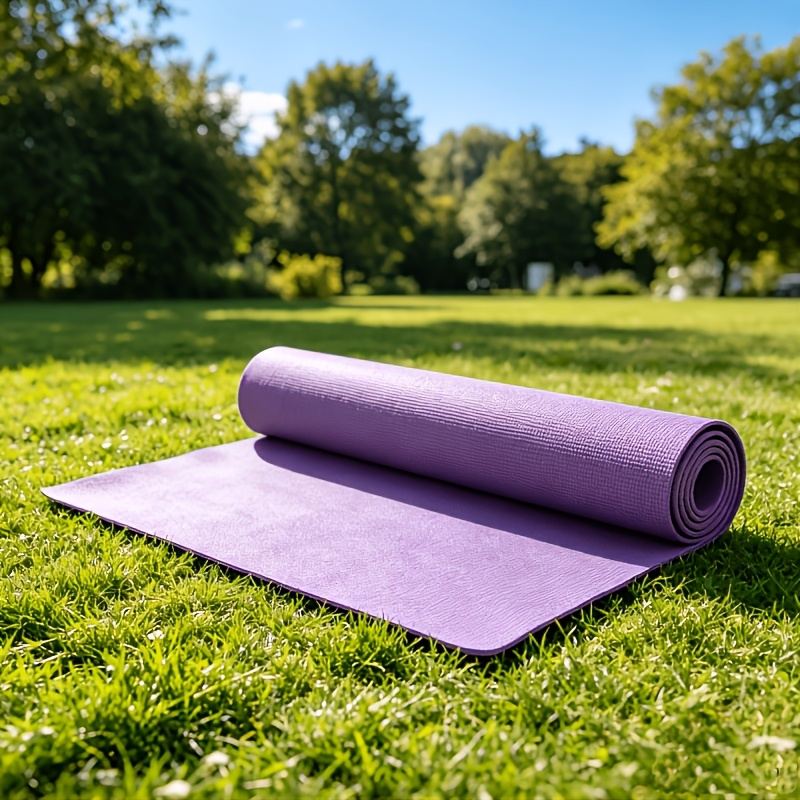
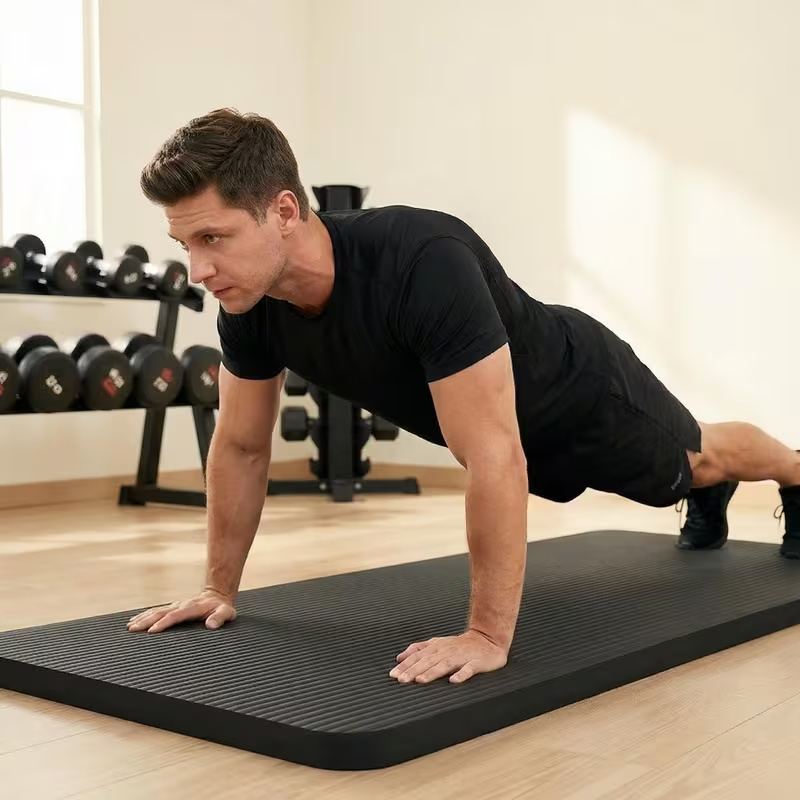
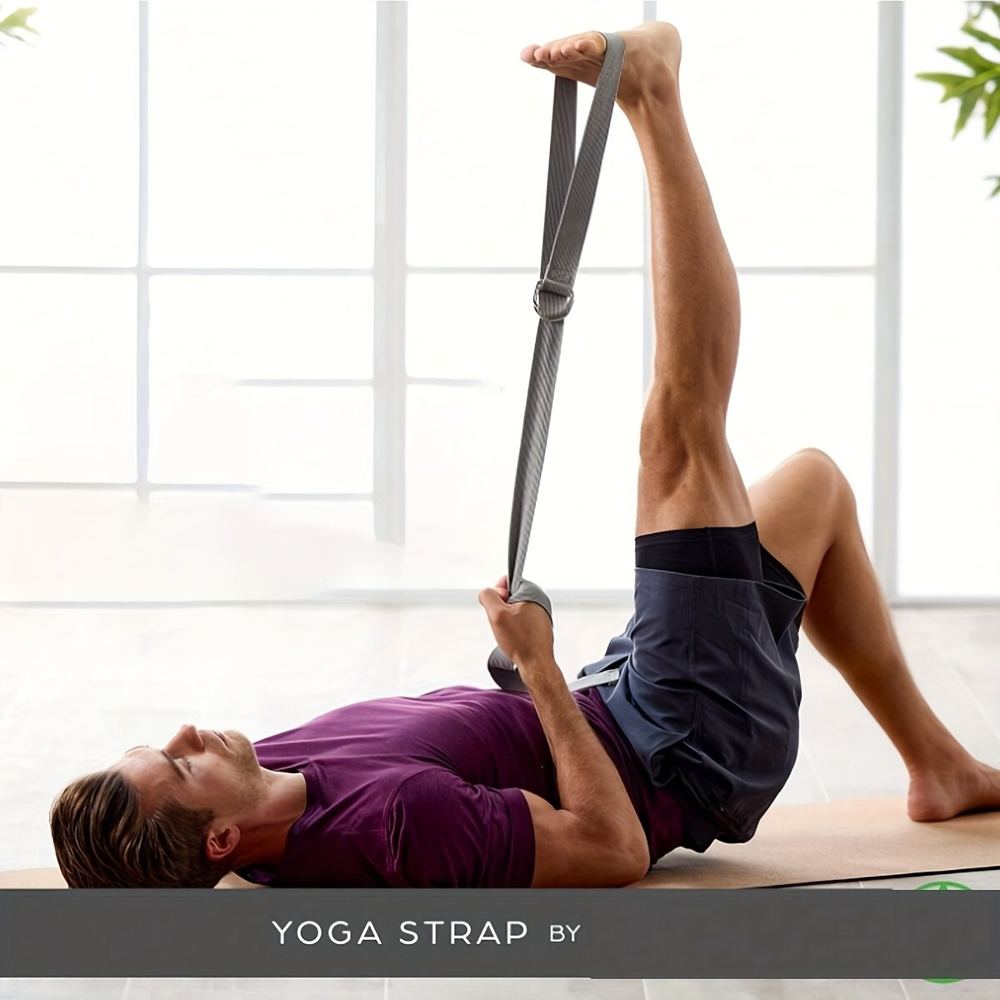
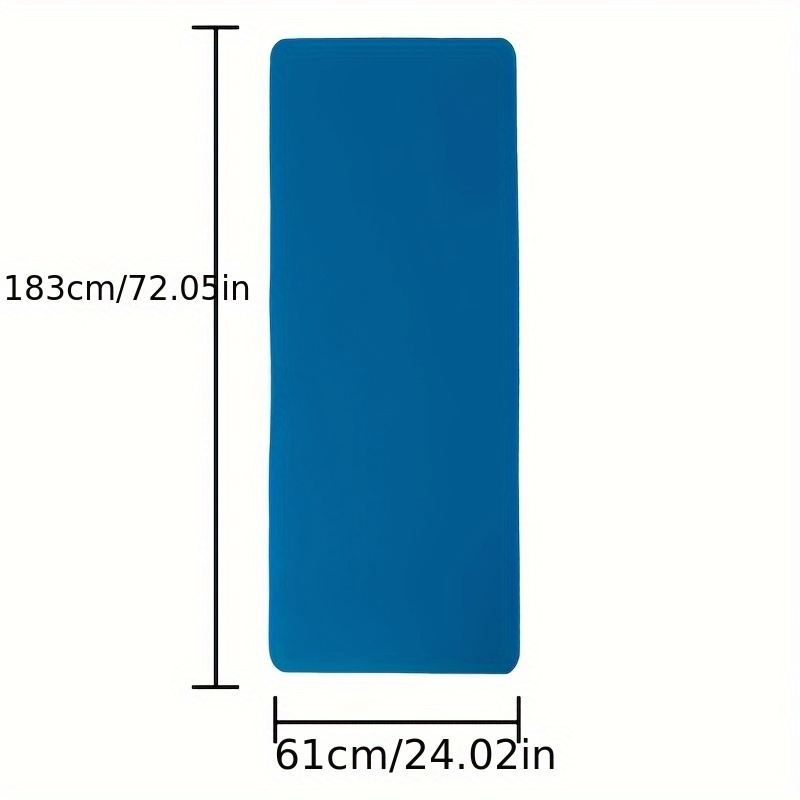
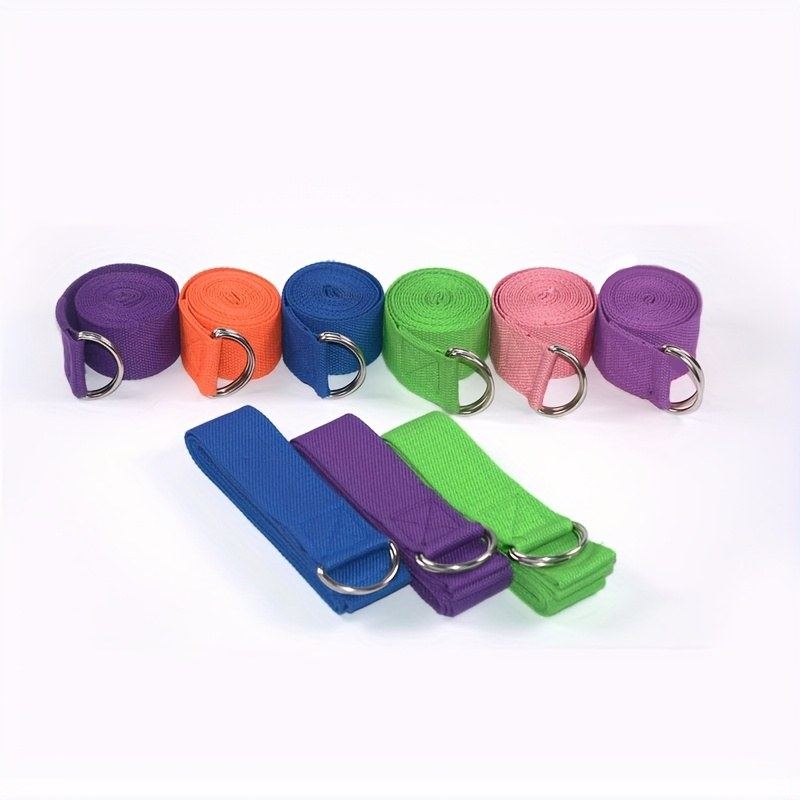
This routine works head to toe in a logical order, so you never wonder what comes next. Each stretch includes a hold time, breathing cues, and a beginner modification. You need only a little floor space — a comfortable mat like the 8mm Thick Non-Slip Yoga Mat makes the floor work far more pleasant, and a nylon yoga strap helps in the leg stretches if your hands do not reach comfortably.
A note on expectations: stretching improves how you feel and, over weeks, your comfortable range of motion — but progress is gradual and varies between people. Stretching does not spot-reduce fat, and flexibility gains follow consistency, not intensity. Never stretch into sharp pain.
This guide contains affiliate links. If you buy through them, VÉLORA may earn a commission at no extra cost to you.
How This Routine Works
Order: Neck down to calves, so transitions flow naturally without awkward repositioning.
Hold times: 20–45 seconds per stretch per side — long enough for muscles to release, short enough to keep the routine at 15 minutes.
Breathing: Breathe slowly throughout. On each exhale, consciously soften a fraction deeper. Never hold your breath — if you catch yourself bracing, the stretch is too intense.
Intensity: Aim for a 4–6 out of 10 stretch sensation — clearly felt, completely tolerable, no pain. Forcing range is how strains happen.
When to do it: After workouts (muscles are warm), in the morning to undo sleep stiffness, or in the evening as a wind-down. Stretching cold muscles first thing? Move gently for the first minute and ease into each position. This routine also works beautifully as the cool-down for a beginner home workout plan.
The Routine
Neck and Shoulders
1. Neck tilts. Sit or stand tall. Tilt your right ear toward your right shoulder until you feel a gentle stretch along the left side of the neck. For more stretch, rest your right hand lightly on the left side of your head — let its weight do the work, do not push. 20–30 seconds per side. Common mistakes: rolling the neck in full circles (stick to tilts); hunching the shoulders. Beginner modification: hands in lap, smaller tilt.
2. Shoulder rolls. Lift shoulders to ears, roll them back and down in big slow circles. 10 slow rolls backward, then 10 forward. Less a stretch than a reset — it breaks up hunched desk posture. Technique tip: make the circles as large as possible; the backward direction matters most.
3. Chest doorway stretch. Stand in a doorway, forearms on the frame at shoulder height, step one foot through until you feel a stretch across the chest and front shoulders. Tight chest muscles pull the shoulders forward all day; this is the antidote. 30–45 seconds, 2 rounds. Beginner modification: use a wall corner, one arm at a time.
Arms and Upper Back
4. Overhead triceps and side stretch. Raise your right arm overhead, bend the elbow so the hand drops behind your head, gently press the elbow with your left hand. Then extend the arm overhead and lean gently left for a side-body stretch. 20–30 seconds per side. Common mistakes: arching the lower back — keep ribs drawn in.
5. Cross-body shoulder stretch. Extend your right arm across your chest and hook it with your left forearm, drawing it gently closer. 20–30 seconds per side. Beginner modification: light pressure is enough — no yanking.
Spine and Torso
6. Cat-cow. On hands and knees: inhale as the belly drops and chest lifts; exhale as the spine rounds toward the ceiling. Move slowly with the breath. 6–8 cycles. Beginner modification: folded towel under the knees; smaller range of motion.
7. Child's pose. Sit hips back toward heels, arms extended, forehead on the mat. 30–60 seconds, breathing into the back. Beginner modification: knees wide; forehead on stacked fists if it does not reach the floor.
8. Supine twist. Lie on your back, hug one knee in, guide it across the body while the opposite shoulder stays grounded. 30–45 seconds per side. Common mistakes: forcing the knee down; lifting the shoulder to get more rotation.
Hips and Glutes
9. Figure-four stretch. Lie on your back, cross your right ankle over your left knee, draw the left thigh toward you until you feel a deep stretch in the right glute and outer hip. 30–45 seconds per side. Tight outer hips contribute to a surprising amount of lower-back and knee discomfort in people who sit all day. Beginner modification: keep the foot on the floor and gently press the crossed knee away instead of pulling in.
10. Low lunge (hip flexor stretch). Half-kneel, right foot forward. Gently tuck the pelvis and shift forward until you feel a stretch at the front of the left hip. 30–45 seconds per side. Common mistakes: arching the lower back instead of tucking the pelvis — the tuck targets the hip flexor rather than compressing the spine. Beginner modification: pad the back knee with a folded towel.
Legs
11. Standing hamstring stretch. Place your right heel a stride ahead, toes up, knee soft. Hinge forward at the hips with a flat back until you feel the stretch behind the thigh. 30–45 seconds per side. Alternative: lie on your back, loop a strap around the foot, and extend the leg upward — the nylon yoga strap keeps your back flat while the hamstring gets a full stretch. Common mistakes: rounding the back to reach further; locking the knee hard.
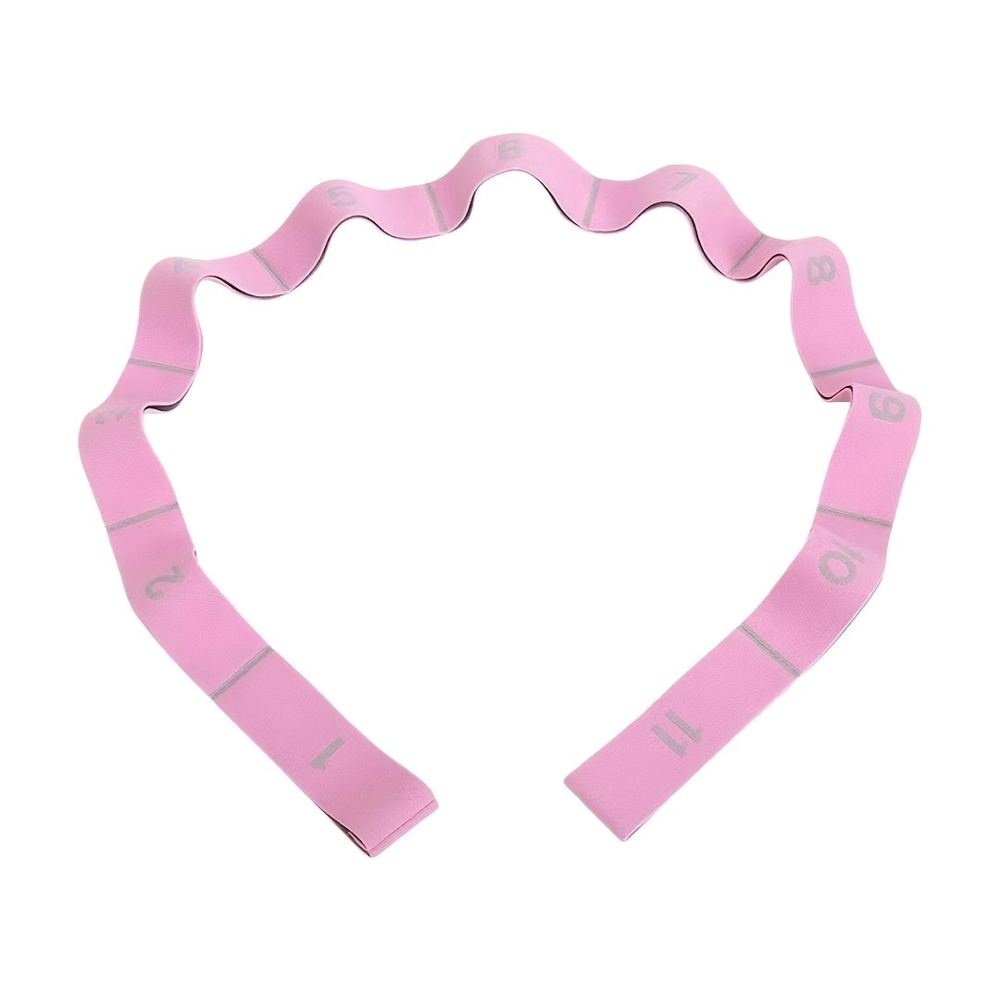
12. Standing quad stretch. Stand tall (hold a wall for balance), bend one knee, draw the heel toward your glute, knees together. 30–45 seconds per side. Beginner modification: loop a strap or towel around the ankle if you cannot reach your foot. Common mistakes: pulling the knee out sideways; arching the back.
13. Calf stretch. Face a wall, step one foot back, back leg straight, heel pressed down; lean in. Then bend the back knee (heel still down) to shift the stretch lower toward the Achilles. 30 seconds in each position per leg. Beginner modification: bring the back foot closer to reduce intensity.
The 15-Minute Sequence at a Glance
| Area | Stretch | Hold | | --- | --- | --- | | Neck | Ear-to-shoulder tilts | 20–30 sec per side | | Shoulders | Shoulder rolls | 10 slow each direction | | Chest | Doorway chest stretch | 30–45 sec × 2 | | Arms | Overhead triceps + side stretch | 20–30 sec per side | | Shoulder | Cross-body shoulder stretch | 20–30 sec per side | | Spine | Cat-cow | 6–8 breath cycles | | Back | Child's pose | 30–60 sec | | Torso | Supine twist | 30–45 sec per side | | Hips | Figure-four stretch | 30–45 sec per side | | Hip flexors | Low lunge | 30–45 sec per side | | Hamstrings | Standing or strap-assisted stretch | 30–45 sec per side | | Quads | Standing quad stretch | 30–45 sec per side | | Calves | Wall calf stretch (straight + bent knee) | 30 sec each per leg |
Work straight through with minimal rest — transitions are your rest. Short on time? The highest-value subset is: chest stretch, cat-cow, figure-four, low lunge, hamstring stretch — about 7 minutes covering the areas that stiffen most from sitting.
What to Expect
Right after, you should feel looser and a little taller — real, though partly temporary, as muscles gradually return toward resting length over hours. Lasting change comes from repetition: 3–5 sessions per week over several weeks is where comfortable range of motion genuinely improves. Track something simple, like how far you can hinge in the hamstring stretch with a flat back, and retest monthly. For placing stretch days around training, see our guide on how often women should work out.
Common Mistakes
- Bouncing. Ballistic stretching triggers the stretch reflex — the muscle contracts to protect itself, the opposite of what you want. Ease in and hold still.
- Stretching cold aggressively. Gentle movement first, deeper holds after. Morning sessions start at half intensity.
- Holding your breath. If you cannot breathe easily in a stretch, back off until you can.
- Chasing symmetry. Everyone is tighter on one side. Give the stiffer side extra breaths rather than forcing the looser side to match.
- Stretching an injury. A pulled muscle or inflamed tendon wants rest and professional assessment, not stretching. Stretching through acute pain delays healing.
- Skipping the hips. People stretch hamstrings religiously and ignore hip flexors and glutes — the actual culprits behind most sitting-related stiffness.
FAQ
Q: Should I stretch before or after a workout?
Do dynamic movement (leg swings, arm circles, bodyweight squats) before training, and save static holds like these for after. Static stretching right before strength work can temporarily reduce performance; afterward it aids the cool-down. As a standalone daily practice, any time works.
Q: Can I do this routine every day?
Yes — gentle static stretching is safe daily for most people. If an area feels sore or irritated, give it a rest day. Daily practice is how lasting flexibility improvements accumulate.
Q: How long until I see flexibility improvements?
Most people feel looser within a week or two; measurable range-of-motion gains typically build over 4–8 weeks of consistent practice (3–5 sessions per week). Genetics, age, and history all influence pace — gradual is normal.
Q: Is it normal for one side to be much tighter?
Completely normal. Handedness, old injuries, and habitual postures create asymmetries in everyone. Give the tighter side a few extra breaths per stretch.
Q: My lower back feels tight — should I stretch it more?
Often a "tight" lower back is an overworked one compensating for stiff hips. This routine addresses the hips directly (figure-four, low lunge), which resolves many cases. If back pain is persistent, sharp, or radiates down the leg, see a professional rather than stretching harder.
The Bottom Line
Fifteen minutes, thirteen stretches, head to toe — no equipment beyond a mat and optionally a strap, no experience required. Do it after workouts, in the morning, or as an evening wind-down; three to five times a week and your body will move noticeably better within a month. The best stretching routine is not the most intense one — it is the one you will actually repeat. This one is built to be repeated.