Stretching before vs after a workout: what exercise science generally finds about dynamic warm-ups, static cool-downs, timing, and how to stretch without hurting performance.
Stretching Before vs After a Workout: What the Evidence Says
Stretch before, stretch after, or skip it entirely? Ask five trainers and you will get six answers. The confusion is understandable — stretching advice has swung wildly over the decades, from "always stretch before exercise" to "never stretch before exercise."
The current picture, based on what exercise science generally finds, is more nuanced and more useful than either extreme. The key insight: the type of stretching matters more than the fact of stretching. Dynamic stretching before a workout and static stretching after serve different purposes, and mixing them up is where most of the trouble starts.
This guide breaks down what the evidence generally says, when each type of stretching earns its place, and gives you practical routines for both ends of your workout.
A note on honesty: research in this area is ongoing, individual studies vary in quality, and findings do not apply identically to every person. This article summarizes broad, widely repeated patterns in the exercise-science literature — not miracle claims. No stretching protocol guarantees injury prevention or performance gains, and anyone promising that is overreaching.
This guide contains affiliate links. If you buy through them, VÉLORA may earn a commission at no extra cost to you.
The Two Types of Stretching
Dynamic Stretching
Dynamic stretching means moving joints through their range of motion with control — leg swings, arm circles, walking lunges, hip openers. The muscles lengthen and shorten actively, blood flow rises, and body temperature climbs. It is essentially movement preparation.
Static Stretching
Static stretching means taking a muscle to a comfortable length and holding it there — typically 20–60 seconds per stretch. Think of the classic standing quad stretch or seated hamstring stretch. The body is still; the tissue relaxes into the position.
These are not interchangeable. Using the wrong one at the wrong time is the source of nearly all the "stretching is bad" headlines.
What the Evidence Generally Says
Here is the broad consensus as it stands:
Before a workout: favor dynamic. Research literature has repeatedly found that prolonged static stretching immediately before explosive or strength activities can temporarily reduce power output and strength in the stretched muscles. The effect is most noticeable after long holds (60+ seconds) and appears to fade within about 15–30 minutes — but the practical takeaway is simple: save the long static holds for later. Dynamic warm-ups, by contrast, are widely associated with better movement preparation and are the standard recommendation before training.
After a workout: static stretching is fine and useful. Post-exercise static stretching does not carry the same performance concern, because the performance is already done. It is commonly used for cool-down, relaxation, and maintaining or gradually improving flexibility. Evidence for stretching as a standalone injury-prevention tool is mixed — it helps some people and contexts, but it is not a guarantee, and total training load, technique, and recovery matter more.
Stretching and soreness. Static stretching after exercise has not been shown to reliably prevent next-day muscle soreness. Light movement, sleep, and sensible training progression do more for soreness than any stretch routine.
Flexibility gains. For actually becoming more flexible over time, regular static stretching works — it just works best as its own practice or post-workout habit, done consistently over weeks, not as a rushed pre-workout ritual.
Before vs. After: The Short Version
| | Before workout | After workout | | --- | --- | --- | | Best choice | Dynamic stretching + light movement | Static stretching (20–60 sec holds) | | Purpose | Raise body temperature, activate muscles, rehearse movement patterns | Cool down, relax, maintain flexibility | | Duration | 5–10 minutes | 5–10 minutes | | Avoid | Long static holds (60+ sec) right before heavy lifting or sprints | Ballistic bouncing; stretching through sharp pain | | Evidence pattern | Dynamic warm-ups linked to better movement prep; long pre-exercise static holds linked to temporary power reduction | Useful for cool-down and flexibility; mixed evidence as injury prevention |
The Pre-Workout Dynamic Routine (5–10 Minutes)
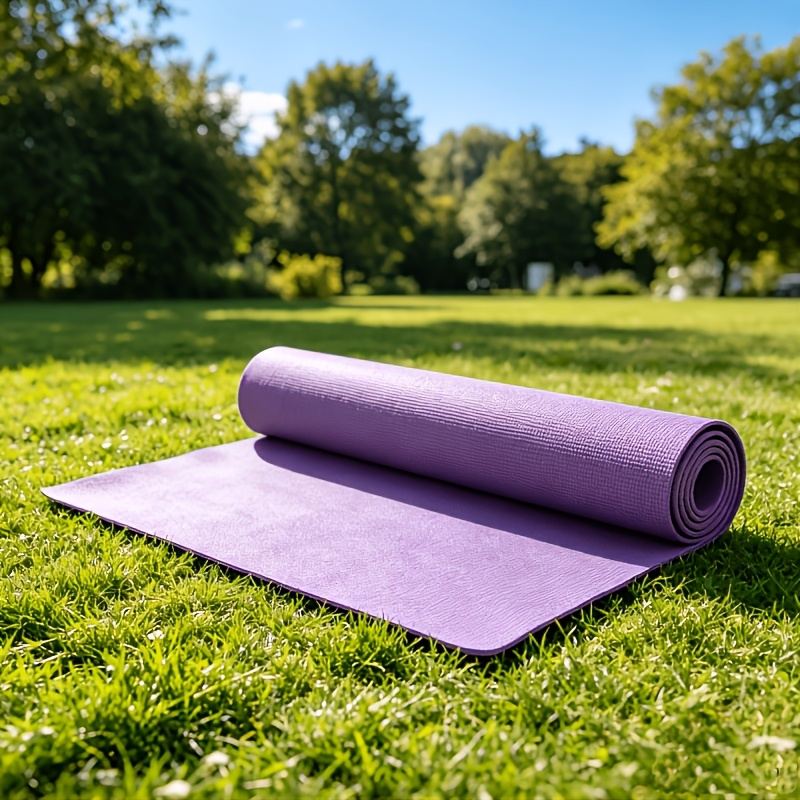
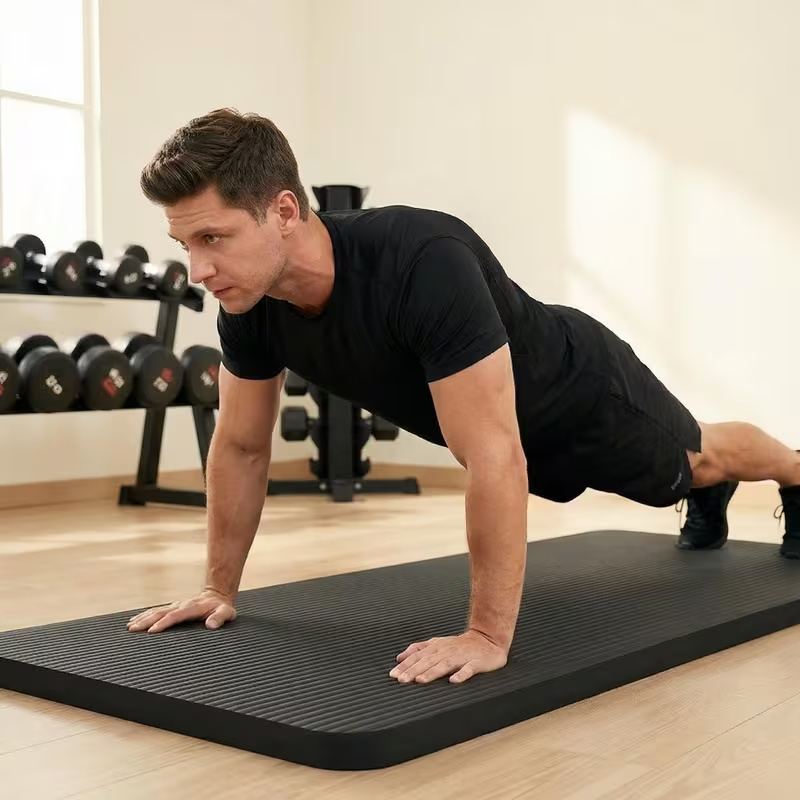
Do these before strength training, cardio, or any yoga practice. Move continuously and smoothly — this should feel like warming up, not a workout. A non-slip yoga mat gives you stable footing for the floor-based moves.
Purpose: Increase blood flow, activate key muscles, and rehearse the movement patterns of your session. Starting position: Standing, in enough space to take a few steps. Technique: Perform each move for 30–45 seconds or 8–12 repetitions per side, flowing from one to the next. Breathing: Breathe naturally and continuously — never hold your breath during the warm-up. Beginner modifications: Reduce the range of motion and move more slowly. March in place instead of jogging. Common mistakes: Turning the warm-up into a workout (keep it at 50–60% effort); skipping the muscles you are about to train. Safety: Stop any movement that causes joint pain. Warm-ups should feel like gentle activation, never strain.
The Moves
- March in place (1 min) — lift knees to hip height, swing arms naturally.
- Arm circles (30 sec each direction) — big, smooth circles, gradually widening.
- Leg swings (10 per leg) — hold a wall for balance, swing each leg forward and back.
- Walking lunges (8 per leg) — step forward into a lunge, keep the torso tall.
- Hip circles (10 each direction) — hands on hips, draw big circles with the hips.
- Cat-cow (8 rounds) — on all fours, alternate arching and rounding the spine in time with slow breaths.
- Bodyweight squats (10–12) — smooth and controlled, to a comfortable depth.

The Post-Workout Static Routine (5–10 Minutes)
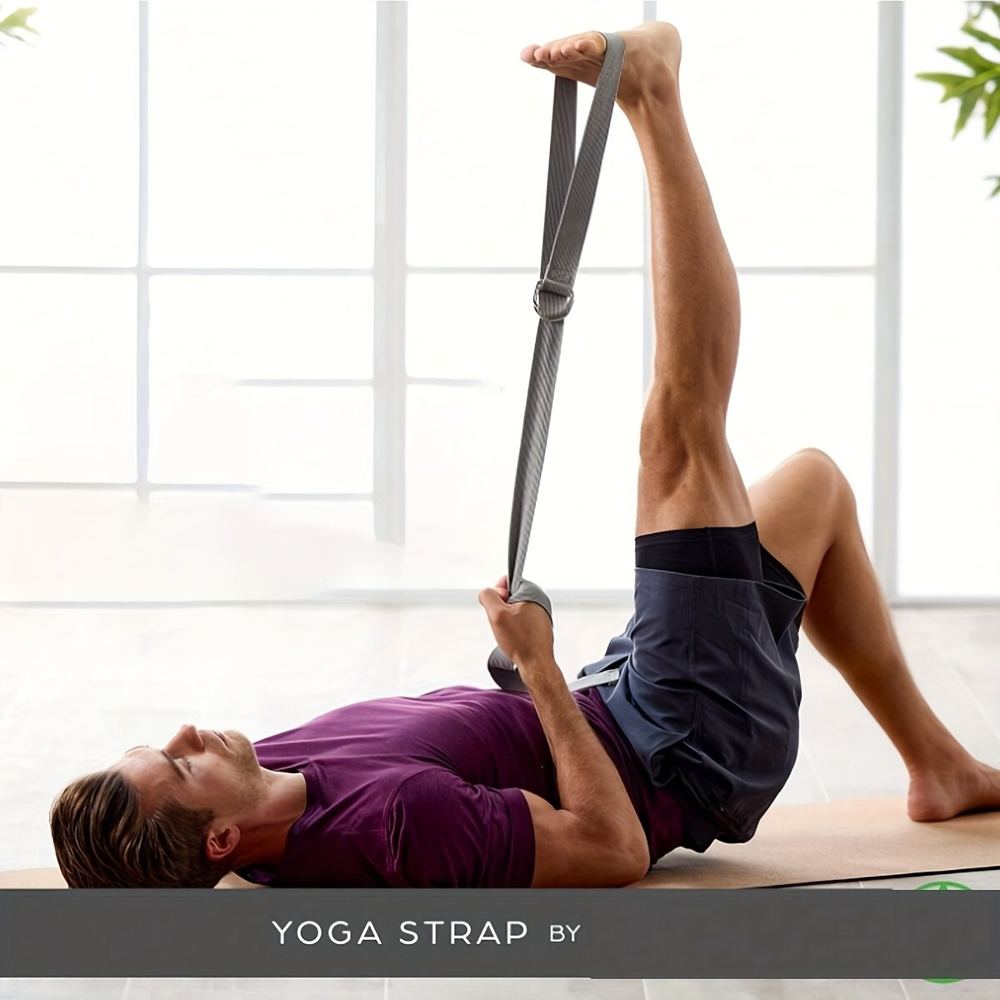
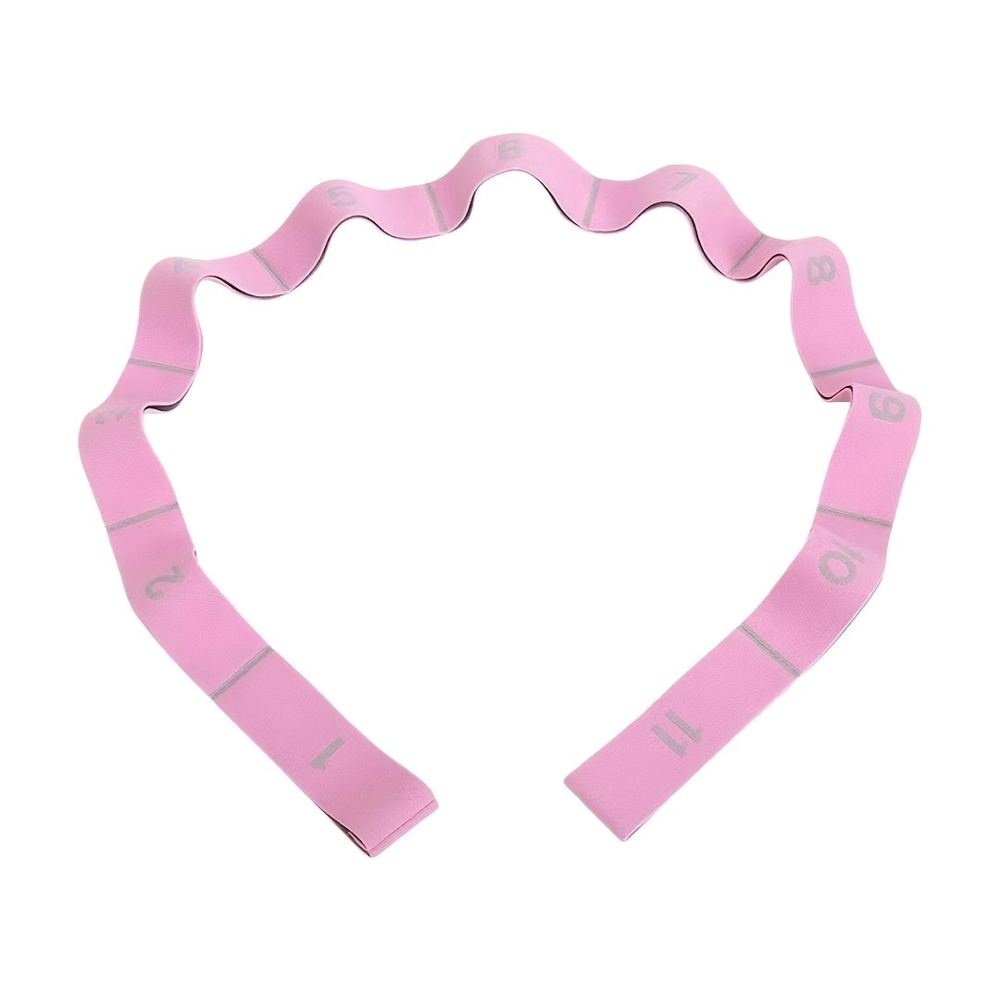
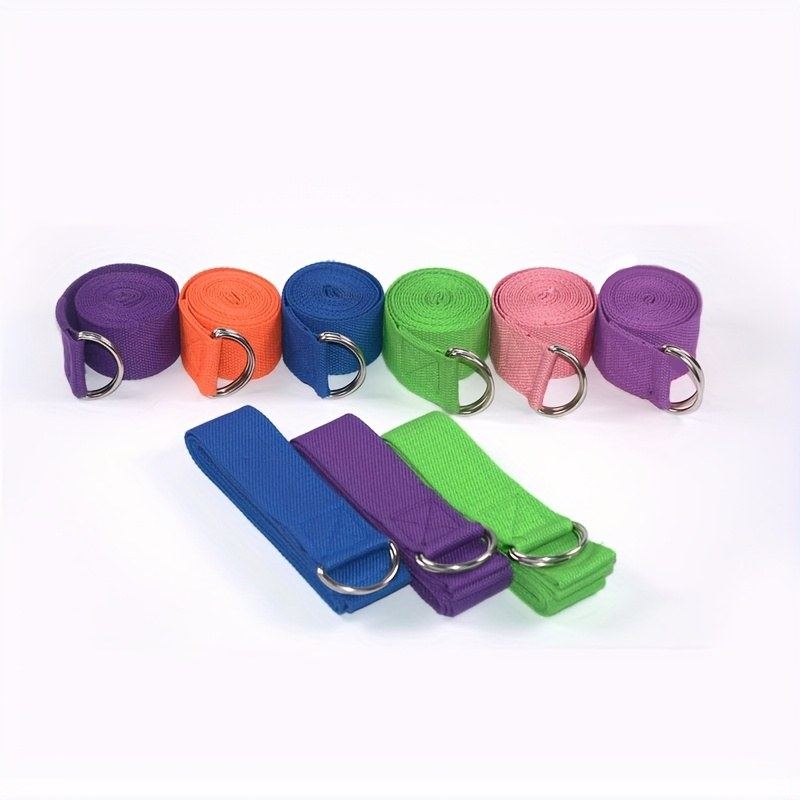
Do these after your workout, when muscles are warm. Hold each stretch for 20–60 seconds per side, breathing slowly. A yoga strap helps you hold hamstring and shoulder stretches without straining.
Purpose: Cool down, ease tension, and maintain flexibility. Starting position: On your mat, moving from standing stretches to seated or lying ones. Technique: Ease into each stretch to the point of mild tension — about a 5 or 6 out of 10 — and hold. The sensation should soften as you hold; if it intensifies, ease off. Breathing: Slow exhales help the muscles release. Aim for 4–6 breaths per hold. Sets/duration ranges: 1–2 holds of 20–60 seconds per muscle group. Beginner modifications: Shorten the holds to 15–20 seconds at first. Use the strap or a towel to bridge any reach gap. Common mistakes: Bouncing in the stretch (ballistic stretching raises injury risk); holding your breath; stretching cold muscles aggressively. Safety: Never stretch into sharp, shooting, or joint pain. Mild muscular tension is the target sensation.
The Moves
- Standing quad stretch — hold a wall, pull one foot toward your glutes, keep knees together and torso tall. 30 sec per side.
- Standing calf stretch — hands on a wall, one leg back, heel pressed down. 30 sec per side.
- Seated hamstring stretch — sit with one leg extended, strap around the foot, fold gently from the hips. 30–45 sec per side.
- Chest doorway stretch — forearms on a doorframe, step through gently. 30 sec.
- Seated figure-four (glutes) — ankle over opposite knee, ease the torso forward. 30 sec per side.
- Child's pose — knees wide, arms extended, forehead resting down. 60 sec.
- Supine twist — lying on your back, knees dropped to one side. 30–45 sec per side.
Special Cases
- Before yoga or Pilates: A short dynamic sequence (cat-cow, gentle sun-salutation-style flows) works better than static holds. Save deep static stretching for the end of class.
- Before running: Leg swings, walking lunges, and ankle mobility drills. Save the standing quad and calf stretches for after.
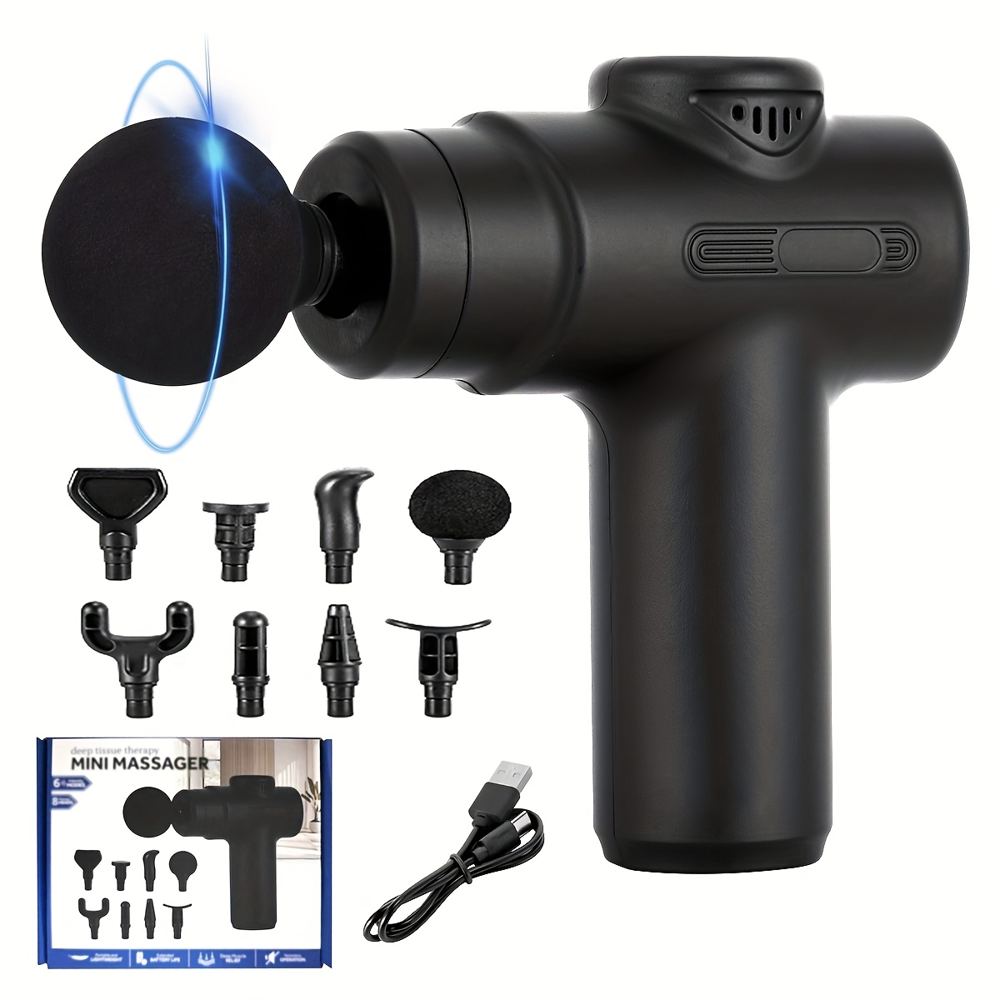
- Foam rolling and massage guns: Tools like a portable fascia massage gun are popular for pre-workout muscle activation and post-workout relaxation. Treat them as a complement to — not a replacement for — the routines above. For more on recovery tools, see our best foam rollers guide.
- Older adults or very stiff beginners: Warm up longer (8–10 minutes of gentle movement) before any stretching, and keep all ranges modest. Our low-impact workouts for women guide pairs well with this approach.
Common Mistakes
- Static stretching cold muscles before training. The single most common timing error. Warm up with movement first.
- Bouncing to "go deeper." Ballistic stretching triggers the stretch reflex and increases strain risk. Ease in and hold still.
- Holding stretches for 5 seconds. Flexibility adaptations need time — 20–60 seconds per hold is the practical range.
- Only stretching what is sore. Stretch the muscles you trained, not just the ones complaining.
- Expecting stretching to fix everything. Tightness sometimes signals weakness or overload elsewhere. If a muscle stays chronically tight despite consistent stretching, strength work or a physiotherapist's assessment may be the real answer.
FAQ
Q: Should I stretch before or after a workout?
Both — but different kinds. Do dynamic stretching (controlled movement) before, and static stretching (held positions) after. The type matters more than the timing debate suggests.
Q: Is it bad to do static stretches before lifting weights?
Long static holds (around a minute or more per muscle) immediately before heavy lifting have been linked in research to temporary reductions in strength and power. Short, gentle static stretches are less of a concern, but dynamic warm-ups are the better default before strength work.
Q: Does stretching prevent injuries?
The evidence is mixed. Stretching alone has not been shown to reliably prevent injuries across the board. A good warm-up, sensible progression, good technique, and adequate recovery matter more. Stretching is one piece of a sensible routine — not a shield.
Q: How long should I hold a static stretch?
The practical range most guidelines converge on is 20–60 seconds per muscle group, 1–2 times each, after exercise or as a separate flexibility session. Shorter than 15 seconds does little; longer than 60 seconds offers diminishing returns for most people.
Q: Can I stretch on rest days?
Yes — rest days are excellent for a gentle static stretching or yoga session. Keep it easy: the goal is relaxation and mobility maintenance, not a second workout. Pair it with ideas from our weekly workout schedule guide to place recovery sessions well.
The Bottom Line
The before-vs-after debate resolves simply once you separate the two types: move dynamically before you train, stretch statically after. Five to ten minutes at each end, done consistently, covers what the evidence supports — better movement preparation up front, calmer muscles and maintained flexibility afterward. Skip the extremes, skip the guarantees, and let the routine do its quiet work.