Low-impact workouts for women: protect your joints while building strength and cardio with walking, cycling, swimming, and gentle home routines.
Low-Impact Workouts for Women: Joint-Friendly Strength and Cardio
Low-impact does not mean low-effort. It simply means at least one foot stays on the ground (or on a pedal, or in the water) at all times — no jumping, no pounding, no jarring landings. For women with sensitive knees, achy joints, arthritis, extra weight, or a long break from exercise, low-impact workouts for women offer a way to build real strength and fitness without beating up the body in the process. They are also the smartest choice for rest-day movement, pregnancy-safe activity (with provider clearance), and training that needs to stay neighbor-friendly.
This guide covers the best low-impact workout options, how to structure them, and how to make them genuinely challenging. No workout can promise specific results or timelines — and results vary — but a consistent low-impact routine builds strength, stamina, and confidence just like any other well-designed program.
This guide contains affiliate links. If you buy through them, VÉLORA may earn a commission at no extra cost to you.
What Counts as Low-Impact?
An exercise is low-impact when it spares your joints from repeated hard landings. Walking instead of running, cycling instead of jumping, swimming instead of burpees. Your heart rate can still climb and your muscles can still work hard — the difference is that your knees, hips, and ankles are not absorbing shock on every rep.
Low-impact is not the same as easy. A steep hill walk, a hard cycling interval, or a slow set of Bulgarian split squats can be brutally challenging while remaining entirely joint-friendly. The goal is intensity without impact.
The Best Low-Impact Cardio Options
Walking (the underrated champion)
Walking is the most accessible low-impact cardio there is. Brisk walking — fast enough that you can talk but not sing — raises the heart rate meaningfully. Hills, stairs, and weighted vests (added only once the habit is established) increase the challenge without adding impact. Aim for 20–45 minutes, 3–5 times a week to start.
Stationary Cycling
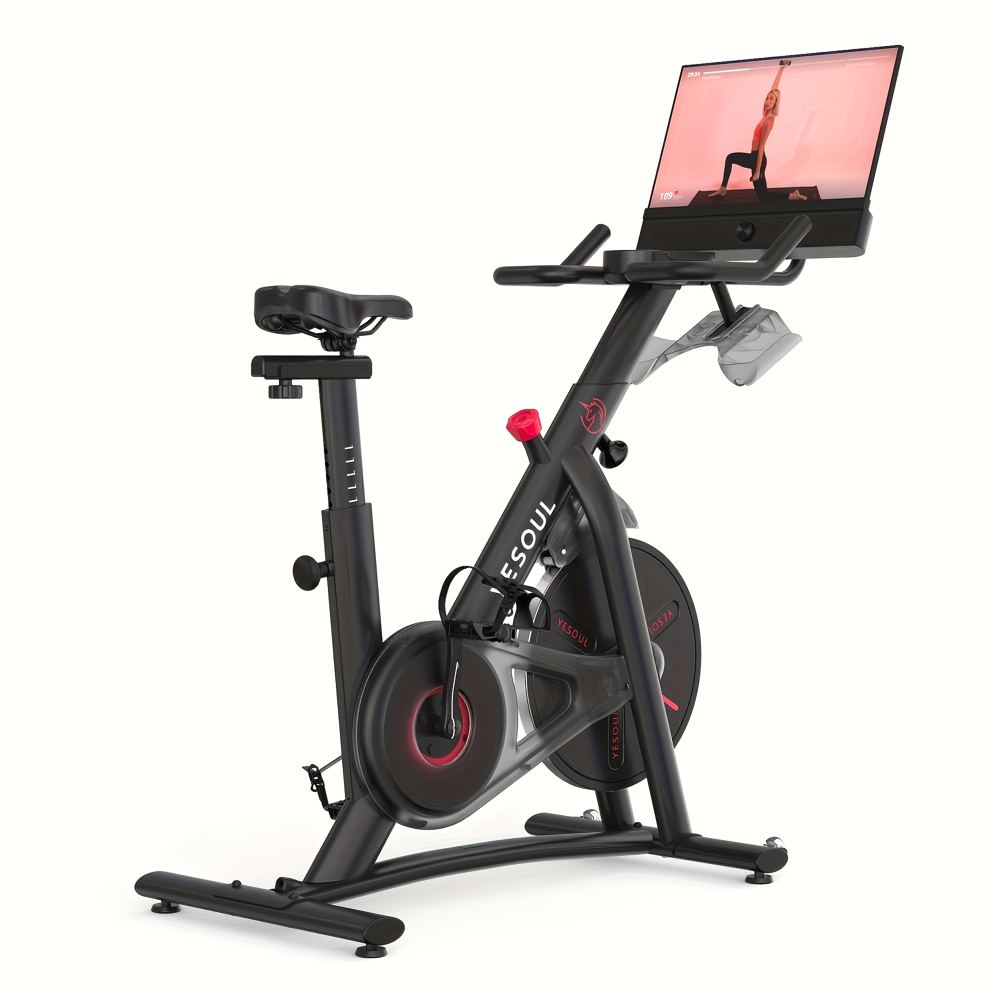
Cycling removes impact almost entirely while letting you control the resistance precisely. A quiet stationary bike makes this possible at home without disturbing anyone — relevant if you live in an apartment, where our guide to quiet home gym equipment has more neighbor-friendly picks. Try 20–40 minute rides, alternating 2 minutes of moderate pedaling with 1 minute of harder effort once you have a base.
Swimming and Water Aerobics
Water supports your body weight, making swimming the lowest-impact cardio available. Even walking laps in chest-deep water gives the legs a serious workout. If you have access to a pool, 20–30 minutes of laps or water walking 2–3 times a week is excellent cross-training.
Elliptical and Rowing
Both keep the feet planted while working the whole body. Rowing in particular doubles as upper-back and core strength work — a useful complement to the pulling exercises in our back exercise guide. Start with 15–25 minutes and build duration before intensity.
Low-Impact Strength Training
Cardio is only half the picture. Strength training protects joints by building the muscles that support them — and it can all be low-impact.
Bodyweight and Band Strength
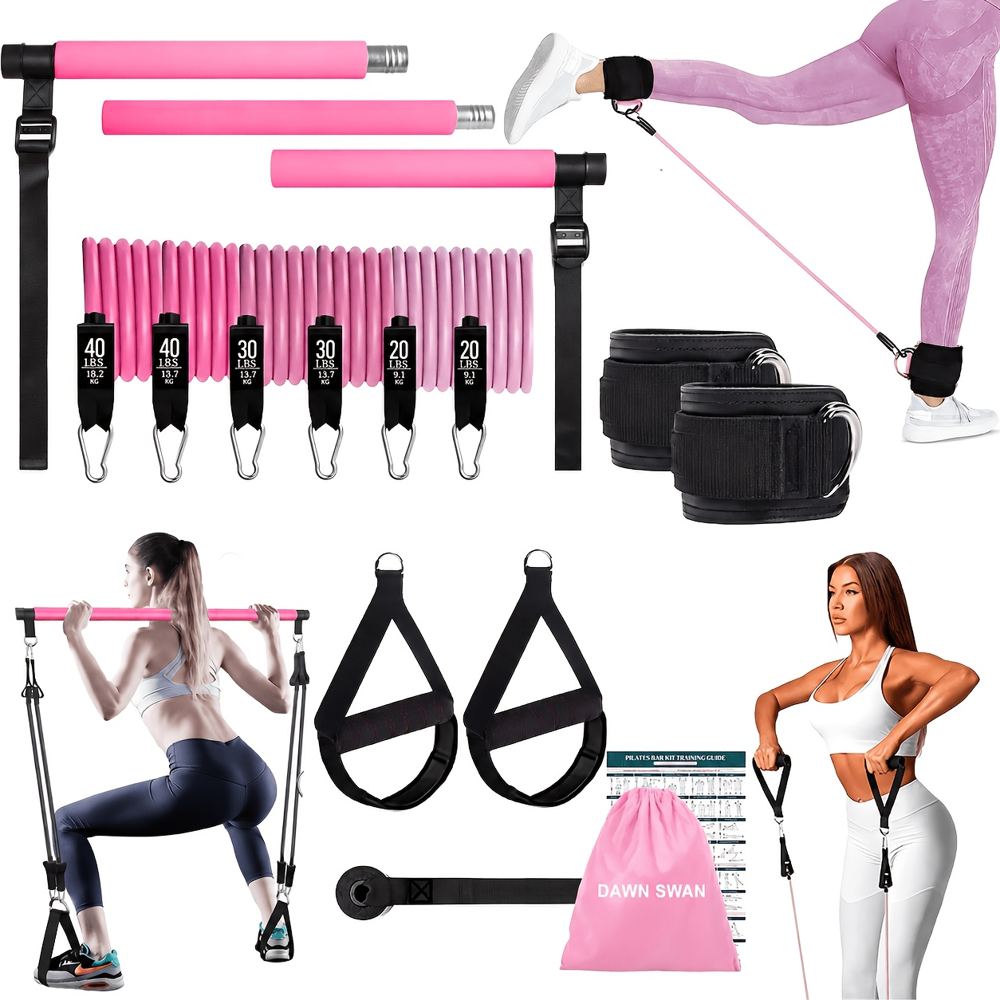
Squats, lunges, glute bridges, push-ups (on knees or elevated), and planks are all low-impact. A Pilates bar kit with resistance bands adds adjustable resistance to rows, presses, squats, and deadlift patterns without any jumping or weights clanking. If you are choosing between tools, our comparison of resistance bands explains the options.
Sets/reps: 2–4 sets of 8–15 repetitions per exercise, 2–3 strength sessions a week, resting 45–90 seconds between sets.
Dumbbell Work
Dumbbell squats, Romanian deadlifts, rows, floor presses, and overhead presses are all joint-friendly when done with control. The key is tempo: lower each rep slowly (2–3 seconds), pause, and lift with control. Slow eccentrics build strength without impact and are kinder on tendons than fast, bouncy reps.
Yoga and Pilates
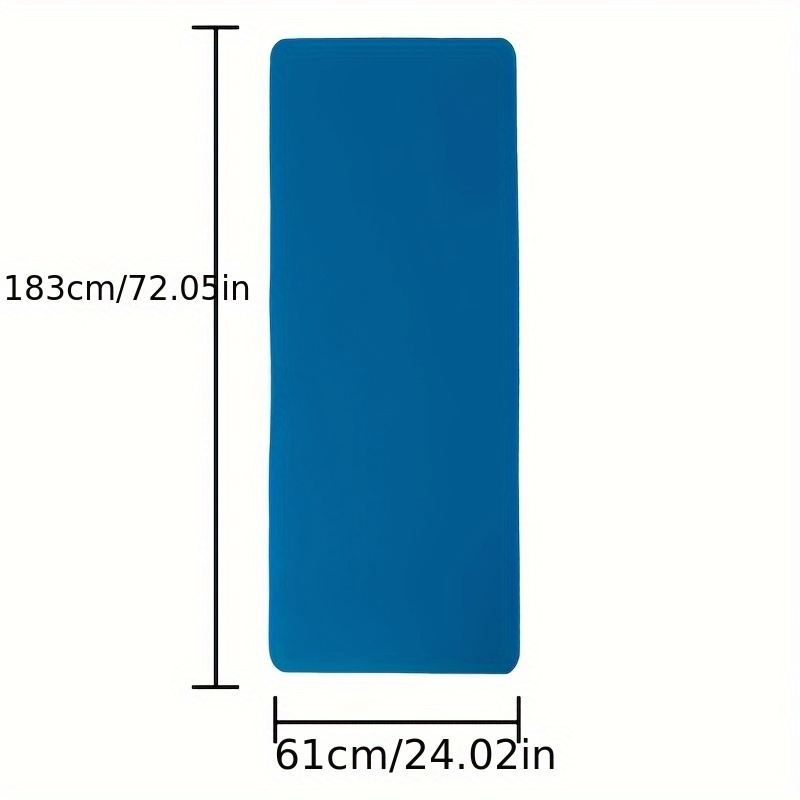
Both are inherently low-impact and build the mobility, balance, and core strength that support everything else. A thick non-slip mat makes floor work comfortable — our guide to yoga mats for bad knees covers what to look for if kneeling is uncomfortable. One or two yoga or Pilates sessions a week pair beautifully with walking or cycling days.
Comparing Low-Impact Workout Types
| Workout | Joint stress | Cardio | Strength | Needs | | --- | --- | --- | --- | --- | | Brisk walking | Very low | Good | Low | Shoes, a route | | Stationary cycling | Very low | Excellent | Low–moderate | Exercise bike | | Swimming | Minimal | Excellent | Moderate | Pool access | | Rowing | Low | Excellent | Good (upper body) | Rowing machine | | Band/dumbbell strength | Low | Low | Excellent | Bands or dumbbells | | Yoga/Pilates | Very low | Low–moderate | Moderate | Mat |
No single option wins — the best program combines one cardio choice with strength work and some mobility.
A Sample Low-Impact Week
This is a template, not a prescription. Adjust days and durations to your life; consistency beats perfection.
| Day | Workout | Duration | | --- | --- | --- | | Monday | Full-body strength (bands or dumbbells) | 30–40 min | | Tuesday | Brisk walk or easy cycle | 25–35 min | | Wednesday | Yoga or Pilates | 20–30 min | | Thursday | Full-body strength (bands or dumbbells) | 30–40 min | | Friday | Cycling intervals or swim | 25–35 min | | Saturday | Long walk, easy pace | 40–60 min | | Sunday | Rest or gentle stretching | — |
Progress gradually: add 5 minutes to cardio sessions or a set to strength work every week or two. If you are over 40 and returning to exercise, our guide to fitness equipment for women over 40 has age-aware recommendations that pair well with this plan.
Making Low-Impact Harder (When You Are Ready)
The most common complaint about low-impact training is that it feels too easy after a few months. It does not have to stay that way:
- Add resistance, not impact. Heavier bands, heavier dumbbells, higher bike resistance, hillier walks.
- Slow down. A 4-second lowering phase on every rep transforms "easy" bodyweight exercises.
- Shorten rest. Cutting rest periods from 90 seconds to 45 raises the cardiovascular demand of strength sessions.
- Add intervals. Alternate 1 minute hard / 2 minutes easy on the bike, in the pool, or on foot — intensity without a single jump.
- Increase range of motion. Deeper squats (as mobility allows), longer strokes on the rower, fuller stretches.
Safety Notes and Modifications
- Joint pain vs. muscle effort. Muscles working hard is normal; sharp joint pain, swelling, or pain that worsens during a session is not. Stop, and if it persists, see a doctor or physiotherapist.
- Start where you are. If 20 minutes is too much, start with 10. The right starting point is the one you can repeat three times a week.
- Supportive footwear matters. Walking and standing workouts are only as joint-friendly as your shoes allow. Replace worn-out shoes; consider cushioned options if you walk on concrete.
- Medical conditions. If you have arthritis, osteoporosis, a heart condition, or are pregnant or postpartum, check with your provider before starting, and follow their guidance over any general article.
- Warm up and cool down. Five minutes of easy movement before, gentle stretching after — non-negotiable at every level.
FAQ
Q: Can low-impact workouts really build fitness, or do I need high-impact exercise?
They absolutely build fitness. Cardiovascular fitness responds to sustained elevated heart rate, which cycling, swimming, and brisk walking all deliver. Strength responds to progressive resistance, which bands and dumbbells provide. High-impact exercise is not a requirement for being fit — it is simply one option.
Q: I have bad knees. Which low-impact workout is safest?
Cycling and swimming are usually the kindest starting points because they remove weight-bearing almost entirely. For strength work, glute bridges, seated band exercises, and supported squats to a chair let you build leg strength with minimal knee stress. If knee pain persists or worsens, get it assessed rather than guessing.
Q: How often should I do low-impact workouts?
Most women do well with 3–5 sessions a week mixing cardio and strength — for example, two strength days, two cardio days, and one mobility day, with rest or gentle walking between. Start with 3 days and add more only when recovery feels easy.
Q: Will low-impact workouts help me lose weight?
Exercise supports weight management alongside nutrition, sleep, and overall activity — but no workout can promise specific weight results or timelines, and individual results vary widely. Low-impact training's real advantage is sustainability: it is exercise you can keep doing for years without breaking down.
Q: What equipment do I need to start?
Very little: comfortable shoes and a mat cover most bodyweight and yoga options. A stationary bike or a set of resistance bands expands your choices considerably at home. Start with what you have; add equipment only when your routine genuinely needs it.
The Bottom Line
Low-impact workouts for women prove that joint-friendly and effective are not opposites. Walk briskly, cycle, swim, lift with bands or dumbbells using slow controlled reps, and add yoga or Pilates for mobility — 3 to 5 sessions a week, progressing gradually. Your knees, hips, and ankles will thank you, and your strength and stamina will grow just the same. Start where you are, make it challenging without making it punishing, and keep showing up. That is the whole formula.
