Strength vs cardio for fat loss — which wins? The honest answer: both help, diet is the main lever, and strength protects muscle. Weekly templates included.
Strength Training vs Cardio for Fat Loss: What to Prioritize
If you've ever stood between the treadmill and the dumbbell rack wondering which one actually helps with fat loss, you're not alone. The short answer: both help, neither works alone, and the biggest lever isn't either of them — it's nutrition. Exercise matters a great deal, just not in the way most headlines suggest.
This guide gives you the honest comparison: what each type of training actually does, where each shines, what to prioritize at different stages, and balanced weekly templates you can adapt to your life. No guaranteed timelines, no miracle claims — just how the pieces fit together.
This guide contains affiliate links. If you buy through them, VÉLORA may earn a commission at no extra cost to you.
The Truth Most Headlines Skip
Fat loss happens when your body uses more energy than it takes in over time. Exercise raises the "uses" side; nutrition controls the "takes in" side. And here's the uncomfortable truth: it is far easier to eat 500 calories than to burn 500 calories. That's why diet is the main lever — exercise supports it, accelerates it, and shapes what your body looks like at the end, but exercise alone rarely overcomes nutrition.
That said, exercise does things diet alone can't. It preserves and builds muscle. It improves heart health, bone density, insulin sensitivity, sleep, and mood. It changes your body composition — the ratio of muscle to fat — which is what actually determines how you look and feel at a given weight. A person who loses weight with strength training keeps more muscle and ends up looking leaner and firmer than someone who loses the same weight without it.
What Strength Training Does for Fat Loss
Strength training — lifting weights, using resistance bands, bodyweight work — builds and maintains muscle tissue. For fat loss, its most important job is muscle preservation. When you eat less than you burn, your body doesn't only use fat for energy; it can break down muscle too. Resistance training signals your body to keep the muscle and draw from fat stores instead.
Other benefits that matter for the long game:
- Body composition: two women can weigh the same, but the one with more muscle looks leaner, firmer, and more athletic.
- Resting energy use: muscle tissue is metabolically active. More muscle means slightly higher baseline energy use around the clock. It's not dramatic — no honest coach will tell you muscle "torches" calories — but over months, it adds up.
- Bone density: especially important for women. Strength training is one of the best defenses against bone loss, which accelerates after menopause. Our strength training after menopause guide goes deeper.
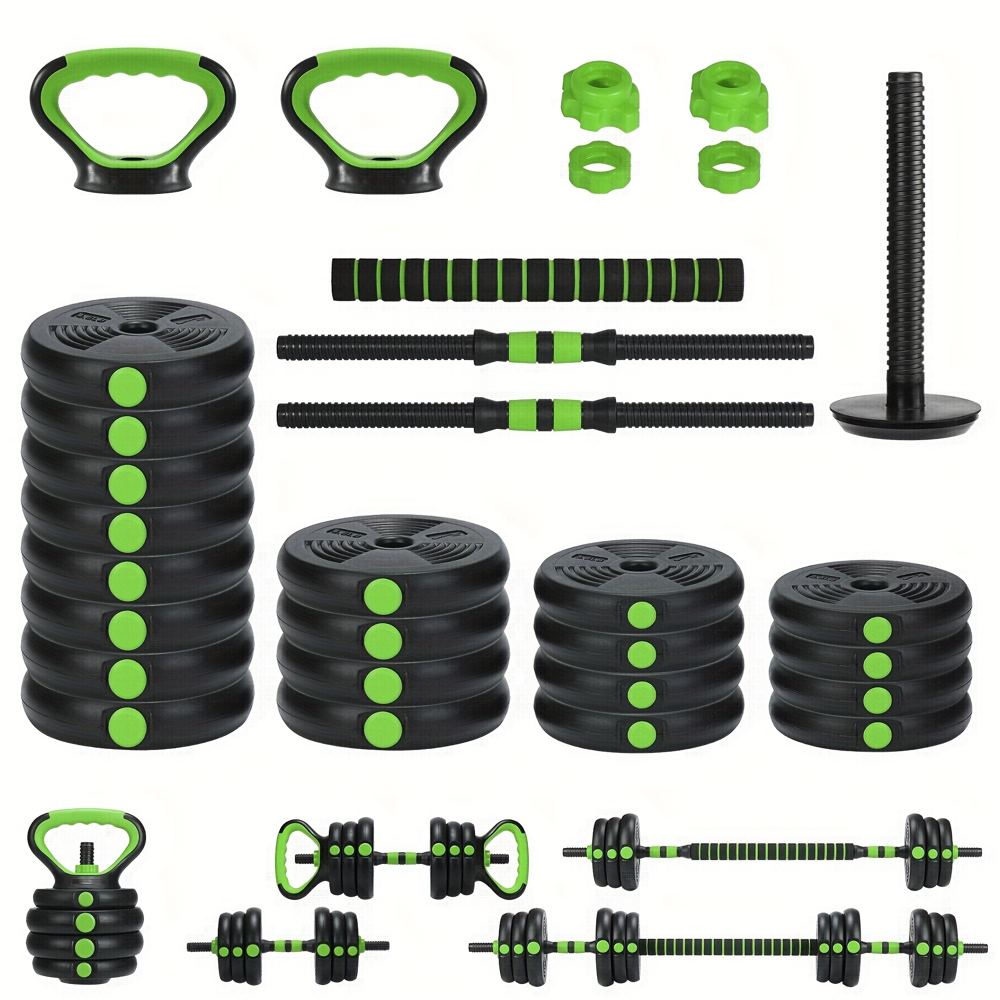
You don't need a gym. An adjustable dumbbell set covers most home strength work — you change the weight with a twist instead of buying a rack of bells.
What Cardio Does for Fat Loss
Cardio — walking, cycling, swimming, dance, rowing — raises your heart rate and burns energy during the session. It's the most direct way exercise contributes to the energy-out side of the equation.
Its real strengths:
- Session energy burn: a 30-minute brisk bike ride uses more energy during those 30 minutes than a 30-minute lifting session typically does.
- Heart and lung fitness: cardio is unmatched for cardiovascular health, endurance, and stamina.
- Recovery and mood: easy cardio improves circulation, eases soreness, and reliably lifts mood.
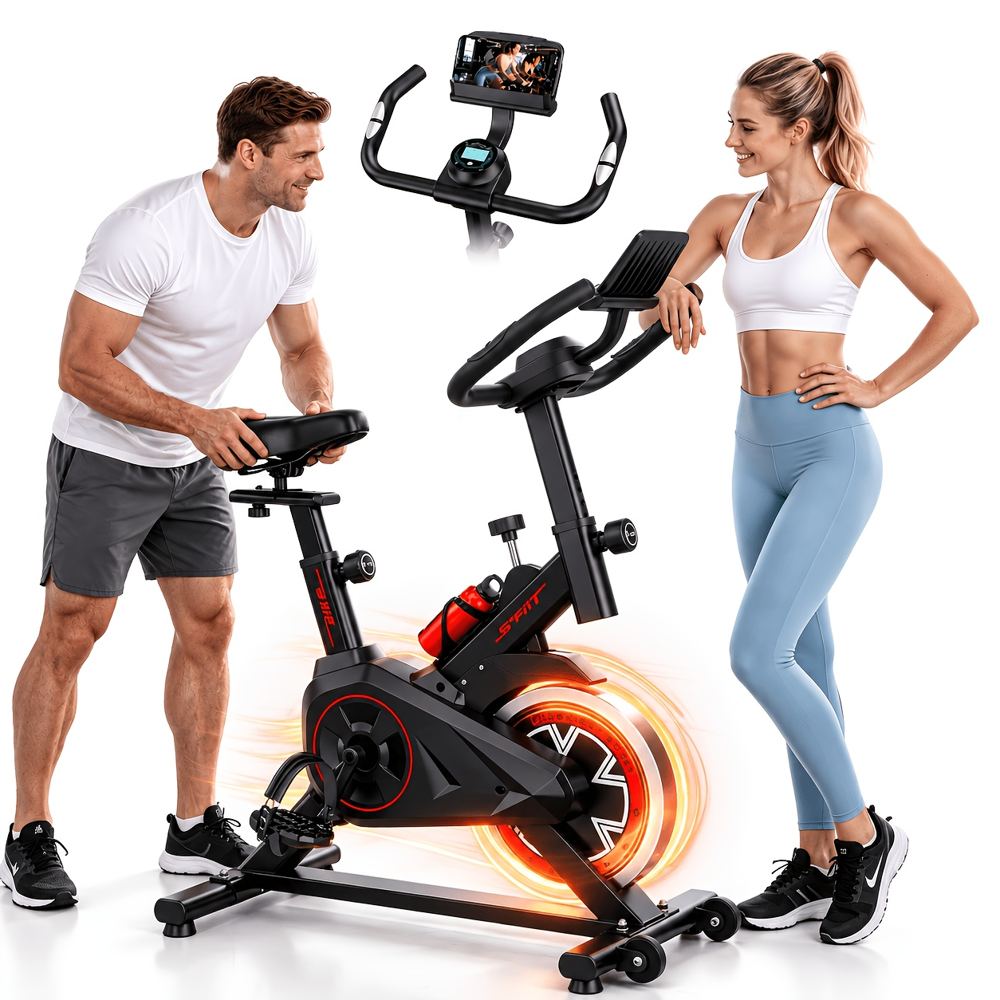
A home stationary bike makes weather-independent cardio simple — pedal while you watch a show. Where cardio falls short: it doesn't preserve muscle like resistance training does, and its energy-burning stops shortly after the session ends.
The Head-to-Head Comparison
| | Strength training | Cardio | |---|---|---| | Energy burned per session | Moderate | Moderate to high | | Muscle preservation during fat loss | Excellent — its main job | Weak — can even cost muscle if overdone | | After-session energy use | Elevated for hours (recovery) | Returns to baseline quickly | | Bone density | Excellent | Minimal (non-impact cardio) | | Heart and lung fitness | Modest | Excellent | | Body shape at goal weight | Lean, firm, athletic | Depends on muscle preserved | | Joint-friendliness | Very (with good form) | Very (low-impact options) | | Time efficiency | 2–3 sessions/week is enough | Benefits from more frequent sessions |
The honest verdict: if you can only do one, choose strength training — muscle preservation and bone health are harder to get any other way, and you can always add walking (which is cardio) for free. But the best results come from both, which is why most successful long-term programs combine them.
The Real Hierarchy
Here's how the levers actually stack up for fat loss:
- Nutrition (the main lever). A moderate, sustainable eating pattern beats any workout plan. No training style overrides this.
- Resistance training 2–4x per week. Preserves muscle, shapes your body, protects bones.
- Daily movement (NEAT). Walking, stairs, standing — our walking workout guide covers gentle options that fit any day. It quietly adds up to more than most workouts.
- Dedicated cardio 2–3x per week. For heart health, stamina, and extra energy expenditure.
- Sleep and stress management. Poor sleep disrupts hunger hormones and recovery.
Notice cardio sits at #4, not #1. It's important — but it's a supporting player, not the star.
Balanced Weekly Templates
These templates give ranges, not rigid prescriptions. Adjust to your schedule, energy, and recovery. Every session should start with 5 minutes of easy warm-up movement.
Template A: 3 days a week (busy schedule)
- Day 1 — Full-body strength (35–45 min): goblet squats 3×8–12, dumbbell rows 3×8–12 per side, push-ups or dumbbell press 3×6–12, glute bridges 3×10–15, plank 2×20–40 sec.
- Day 2 — Cardio (25–35 min): brisk walk, bike, or dance at a pace where you can talk but feel your breathing. Add 4–6 short faster intervals (30–60 sec) if you feel good.
- Day 3 — Full-body strength (35–45 min): Romanian deadlifts 3×8–12, overhead press 3×8–12, reverse lunges 3×8–10 per leg, band rows 3×10–15, dead bugs 2×8–10 per side.
- Daily: regular walking and movement on off days.
Template B: 4–5 days a week (more time)
- Day 1 — Lower-body strength: squats, deadlifts, lunges, hip thrusts, calf work.
- Day 2 — Cardio (30–40 min): moderate bike, brisk walk, or swim.
- Day 3 — Upper-body strength: presses, rows, shoulder work, arm work, core.
- Day 4 — Easy active recovery: 20–30 min walk or gentle cycle.
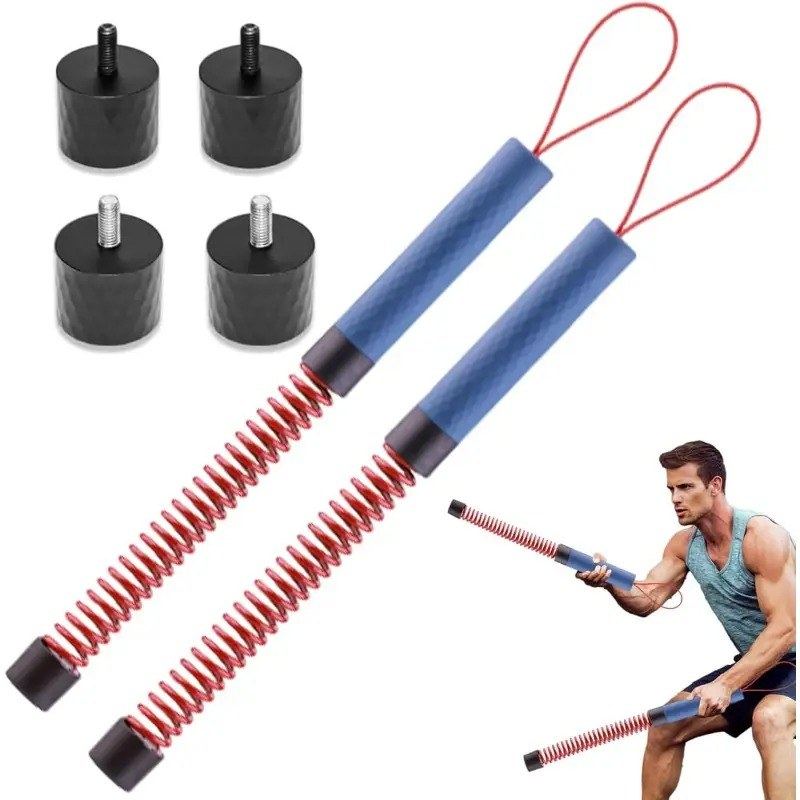
- Day 5 — Full-body circuit: mix of the week's moves, or a battle rope-style conditioning circuit — short intense intervals build work capacity fast.
Rest 1–2 minutes between strength sets. When the top of a rep range feels manageable with good form, add a little weight or a rep.
Beginner Modifications
- New to strength? Start with bodyweight or light dumbbells. Master the movement pattern first — depth on squats, a flat back on deadlifts — before adding load. Our beginner strength training program walks through this.
- New to cardio? Start with 15–20 minute walks and add 5 minutes per week. There's no minimum effective dose to be embarrassed about.
- Joint concerns? Favor low-impact cardio (bike, swim, walk) and controlled strength movements. Skip high-impact jumping until your base is solid.
- Very limited time? Two full-body strength sessions per week plus daily walks is a genuinely effective minimum. Consistency beats volume.
Common Mistakes
- Doing only cardio. The classic pattern: months of treadmill, weight lost, then a "soft" look and stalled progress because muscle went with the fat. Add resistance training and the composition changes.
- Doing only strength and ignoring the heart. Strength is half the picture. Your cardiovascular system needs its own training — walking counts, but so does anything that raises your breathing for a sustained stretch.
- Training fasted and miserable. Some people feel fine exercising before breakfast; many feel awful and perform poorly. Eat according to what lets you train well, not according to a rule.
- Chasing sweat as proof. Sweat measures heat, not fat loss. A great strength session may leave you barely sweaty and still be exactly what your body needed.
- Never progressing. Doing the same weights and the same walk for a year maintains what you have — which is fine — but improvement requires gradual overload: a little more weight, a few more reps, a slightly brisker pace.
What About Belly Fat Specifically?
No exercise targets fat in one area — that's the spot-reduction myth, and it's false. Crunches build abdominal muscle under whatever fat is there; they don't burn belly fat. Fat loss happens system-wide through overall energy balance, and where your body loses first is largely genetic. Our truth about belly fat guide dismantles the myths in detail.
Safety Notes
- Learn strength movement patterns with light loads before going heavy — form first, always.
- Warm up before every session; cool down with easy movement and gentle stretching after.
- Stop for sharp joint pain, dizziness, or chest discomfort. Muscle effort is normal; joint pain is not.
- If you're pregnant, postpartum, or managing a health condition, get professional guidance on safe training before starting a new program.
- Rest days are part of training. Muscles rebuild between sessions, not during them.
FAQ
Q: Which is better for fat loss, strength training or cardio?
Both help, but they do different jobs. Cardio burns more energy during the session; strength training preserves the muscle that keeps you lean and firm as you lose. For fat loss specifically, strength training's muscle-preserving effect makes it the slightly more valuable half — but the best approach combines both with sound nutrition.
Q: Can I lose fat with strength training alone?
You can improve body composition significantly with strength training plus sensible nutrition, since diet is the main fat-loss lever. Adding cardio improves heart health and adds energy expenditure, so a combination is ideal — but strength-first is a solid foundation.
Q: Will lifting weights make me bulky?
For the vast majority of women, no. Building large amounts of muscle takes years of dedicated heavy training and a calorie surplus — it doesn't happen by accident from 3×10 with dumbbells. What typically happens: you get firmer, stronger, and more defined.
Q: How many days a week should I train for fat loss?
Two to four strength sessions plus two to three cardio sessions is a proven range for most people. Start at the low end and add sessions only if you're recovering well and enjoying it.
Q: How long until I see results?
It varies enormously with nutrition, starting point, consistency, and genetics — anyone promising a timeline is selling something. Strength often improves within weeks; visible composition changes typically take a couple of months of consistent work. Track performance and measurements, not just the scale.
Conclusion
Strength vs cardio was never really a fight — it was a partnership waiting to be understood. Strength training preserves your muscle, protects your bones, and shapes what you look like at the finish. Cardio keeps your heart strong and burns energy. Nutrition does the heaviest lifting of all. Lift two to four times a week, move your heart a few times a week, walk daily, eat sensibly — results vary and patience is required, and that's exactly why it works.