A practical strength training guide for women after menopause: safe exercises, simple programming, and honest guidance for protecting bone and muscle.
Strength Training After Menopause: Protecting Bone and Muscle
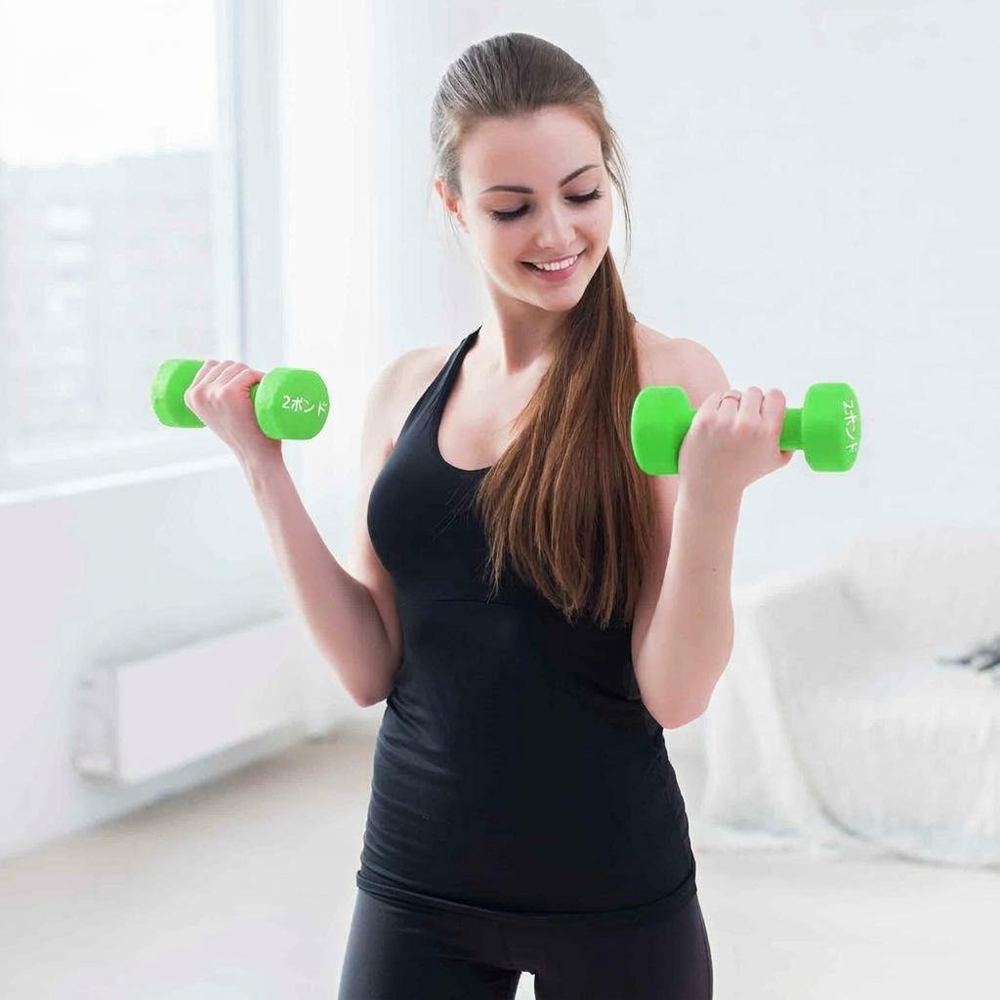
After menopause, the body's rules for staying strong quietly change. Declining estrogen makes it easier to lose muscle and bone density than it used to be, and harder to hold on to both — which is exactly why strength training becomes more important now, not less. Working against resistance is one of the most reliable ways to support bone density, preserve muscle, and keep everyday tasks — carrying groceries, climbing stairs, getting up from the floor — feeling manageable.
This guide is for healthy women after menopause who are new to strength training or returning after a break. No crash programs and no promises about turning back the clock here — just a sensible, step-by-step approach: which exercises to do, how often, how much weight to use, and how to progress safely over months. Results vary, and consistency matters more than intensity.
A note before you begin: if you have osteoporosis or low bone density, a joint replacement, a heart condition, uncontrolled blood pressure, or any condition that limits your movement, check with your doctor before starting, and ask whether any movements should be avoided or modified for you. Stop any exercise that causes sharp pain, dizziness, or chest discomfort.
This guide contains affiliate links. If you buy through them, VÉLORA may earn a commission at no extra cost to you.
Why Strength Training Matters More After Menopause
Muscle and bone both respond to being loaded — challenged against something heavy enough to demand adaptation. Muscle gets stronger when it works hard enough; bone gets denser when it is asked to support weight. Walking is wonderful for the heart, but on its own it rarely loads the body enough to maintain muscle and bone the way resistance work does.
The payoff is practical, not cosmetic. Stronger legs and hips mean steadier balance and fewer falls. Stronger back muscles support better posture. Keeping muscle helps your body manage weight and blood sugar more easily, and many women report that regular strength sessions lift their energy and sleep quality too. You do not need to train like an athlete to get these benefits — two focused sessions a week is a genuine starting point.
Getting Set Up: Equipment and Space
You need surprisingly little. A small corner of floor and a pair of light dumbbells are enough to begin. As you get stronger, you will want a few more weight options so you can keep progressing.
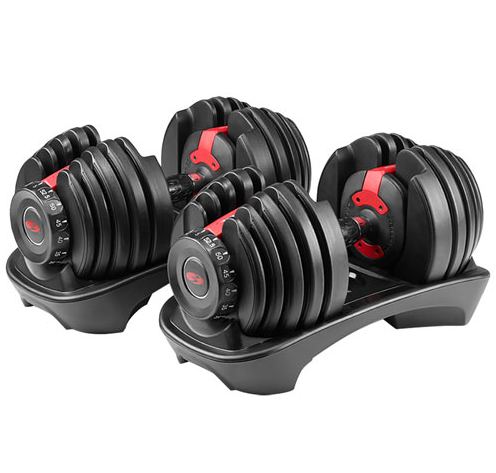
- A small dumbbell set. Legs are stronger than shoulders, so one weight cannot serve every exercise. The 3 Pair PVC Dumbbell Set with Case gives you three light pairs in a tidy case — ideal for learning movements and building a base. When you are ready for more weight, an adjustable option like the Bowflex SelectTech 552 Adjustable Dumbbells replaces many pairs in one compact set.
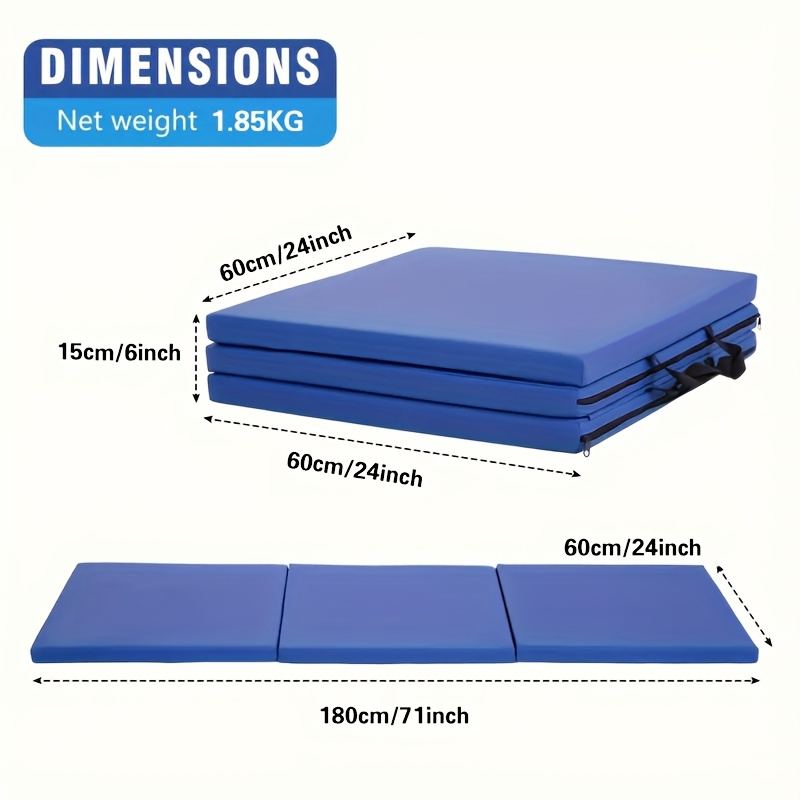
- A cushioned mat. Kneeling and floor exercises are far kinder on a mat. The Black Folding Gym Mat is thick, folds away easily, and doubles as a comfortable surface for stretches. Our guide to equipment for women over 40 covers more smart additions as you progress.
- A sturdy chair. Useful for balance support during standing exercises and as a marker for squat depth.
The Core Movements (Learn These First)
These six exercises cover the major muscle groups. Learn them with light weights first — form quality matters more than the number on the dumbbell.
1. Chair-Assisted Squat (legs and glutes)
Purpose: strengthens the legs and glutes you use every time you sit and stand. Starting position: stand in front of a sturdy chair, feet about hip-width apart, toes slightly out. Technique: push your hips back and down as if sitting, keeping your chest lifted. Lightly touch the chair, then press through your whole foot to stand. Breathe in on the way down, out as you stand. Sets/reps: 1–3 sets of 8–12 repetitions. Beginners: do 1–2 sets of 8 with no weight, using the chair arms for balance if needed. Common mistakes: knees collapsing inward (think "knees over toes"), rounding the lower back. Keep the range small at first.
2. Dumbbell Chest Press (chest, shoulders, triceps)
Purpose: builds pushing strength for everyday tasks like lifting and carrying. Starting position: lie on your back on the mat, knees bent, a light dumbbell in each hand at chest level. Technique: press the weights straight up until your arms are extended but elbows not locked, then lower with control until your elbows lightly touch the floor. Breathe out on the press, in on the lowering. Sets/reps: 2–3 sets of 8–12 repetitions. Beginner modification: press one arm at a time, or start with no weight and practice the pattern.
3. Bent-Over Row (back and biceps)
Purpose: strengthens the upper back, which supports posture and shoulder health. Starting position: stand with a soft bend in your knees, hinge forward at the hips until your torso is roughly at a 45-degree angle, back flat, a dumbbell in each hand hanging toward the floor. Technique: pull the weights toward your ribs, squeezing your shoulder blades together, then lower slowly. Breathe out on the pull. Keep your neck neutral — do not crane your head up. Sets/reps: 2–3 sets of 8–12 repetitions. Safety note: if your lower back rounds or aches, reduce the weight or raise your torso a little. Supported one-arm rows (hand resting on a chair) are a fine alternative.
4. Romanian Deadlift with Dumbbells (glutes and hamstrings)
Purpose: teaches the hip-hinge pattern that protects the back when lifting. Starting position: stand tall, dumbbells in front of your thighs, feet hip-width apart. Technique: soften your knees slightly and push your hips straight back, lowering the weights along your thighs until you feel a gentle stretch in the backs of your thighs. Keep your back flat. Squeeze your glutes to return to standing. Breathe in on the way down, out as you stand. Sets/reps: 2–3 sets of 8–12 repetitions. Start very light — form matters far more than weight. Common mistake: bending at the waist like a toe touch instead of pushing the hips back.
5. Standing Overhead Press (shoulders)
Purpose: builds shoulder strength for reaching and lifting overhead. Starting position: stand with a light dumbbell in each hand at shoulder height, elbows bent, feet hip-width apart. Technique: press the weights overhead until your arms are extended (not locked), then lower with control. Breathe out on the press. Keep your ribs down — do not arch your lower back. Sets/reps: 2–3 sets of 8–10 repetitions. Start light; shoulders fatigue faster than you expect.
6. Glute Bridge (glutes and core)
Purpose: strengthens the glutes without loading the knees. Starting position: lie on your back, knees bent, feet flat on the floor. Technique: push through your heels to lift your hips until your body forms a straight line from shoulders to knees. Squeeze your glutes for a second at the top, then lower slowly. Breathe out as you lift. Sets/reps: 2–3 sets of 10–15 repetitions.
A Sample Two-Day Weekly Plan
Train on non-consecutive days (for example Tuesday and Saturday), alternating the two sessions. Rest 60–90 seconds between sets, and warm up for five minutes first — gentle marching, arm circles, and bodyweight versions of the day's moves.
| Day | Session | Exercises | | --- | --- | --- | | Day A | Lower body focus | Chair-assisted squat, Romanian deadlift, glute bridge | | Day B | Upper body focus | Dumbbell chest press, bent-over row, standing overhead press |
Begin with 1–2 sets per exercise for the first two weeks, then move to 2–3 sets. When you can complete the top of the rep range with good form, increase the weight slightly or add a few reps.
Progression: Getting Stronger Over Months
Strength after menopause builds in the same slow, reliable way it builds at any age: small increases, applied consistently. A practical approach is the "two-rep rule" — when you can do two more repetitions than your target with clean form on two consecutive sessions, increase the weight by the smallest step available. Expect strength to grow over weeks and months, not days. Plateaus are normal; when one arrives, try slightly more rest between sets, a lighter "deload" week, or a different rep range rather than forcing heavier weight.
Also worth building in: short balance practice (standing on one leg while brushing your teeth, for instance) and regular walking. Both cost almost nothing in time.
Safety Notes
- Warm up every time. Five minutes of gentle movement before lifting is non-negotiable.
- Never hold your breath through a set. Exhale on the effort, inhale on the easier phase. If you feel lightheaded, stop, sit down, and breathe normally.
- Pain is information. Muscle effort and next-day soreness are normal. Sharp joint pain, numbness, or pain that worsens over days is a signal to stop and seek medical advice.
- Mind your posture and spinal position. Keep the back flat during hinges and rows. If you have been diagnosed with osteoporosis, ask your doctor specifically about spinal flexion (deep forward bends and crunches) before including those movements.
- Recovery matters. Muscles adapt between sessions, not during them. Sleep, regular meals, and rest days are part of the program, not separate from it.
FAQ
Q: How often should I strength train after menopause?
Two sessions a week covering the whole body is a solid starting range for healthy adults. Some women do well with three once the habit is established. Recovery tends to take a little longer as we age, so at least one full rest day between sessions is wise. For more beginner programming detail, our strength training starter guide walks through the first weeks step by step.
Q: Will lifting weights hurt my joints?
When done with good form and appropriate weights, strength training typically supports joint health rather than harming it — the surrounding muscles get stronger and take load off the joints. That said, arthritis, prior injuries, and joint replacements change the equation, so anyone with those should follow their doctor's or physiotherapist's guidance and modify exercises as advised.
Q: Do I need heavy weights to protect my bones?
You need weights that genuinely challenge your muscles, but "heavy" is relative. For beginners, moderate weights lifted with good form for 8–12 repetitions provide real stimulus and far less injury risk than maximal lifts. Bone responds to consistent loading over time — the weights you lift for months matter more than the weights you lift once.
Q: Can I just use resistance bands instead of dumbbells?
Bands are useful — they travel well and are gentle on joints — but dumbbells make progression simpler because you know exactly how much weight you are lifting. Many women use both: bands for warm-ups and travel, dumbbells for main sessions. Our guide on resistance bands and dumbbells compares the two in more depth.
Q: How long before I feel a difference?
Everyone's timeline is different. Many women notice everyday tasks feeling easier within the first couple of months of consistent training, and strength gains usually show up on the bar — a slightly heavier dumbbell, a few more clean repetitions — before they show up in the mirror. There is no guaranteed schedule; the honest path is consistent effort over months.
The Bottom Line
Strength training after menopause is not about chasing youth — it is about staying capable, steady, and independent. Six well-learned movements, two sessions a week, small steady progressions, and respect for recovery will do more for your bones and muscles than any extreme program you cannot sustain. Start light, learn the movements well, and let consistency do what it has always done.
