A realistic 3-day beginner strength program: full-body sessions, exact sets and rep ranges, progression rules, and warm-ups that build strength without overwhelm.
Beginner Strength Training Program: 3 Days a Week
If you have never followed a strength program, the hardest part is not the lifting — it is the not knowing. Which exercises? How many sets? How heavy? Most beginners either do random workouts with no progression or copy an advanced program that buries them in week one.
This program removes the guesswork. Three full-body sessions per week, built on simple compound movements, with exact sets and rep ranges, a five-minute warm-up, and progression rules a beginner can actually follow. It works at home with dumbbells or in a gym — the principles are identical.
This guide contains affiliate links. If you buy through them, VÉLORA may earn a commission at no extra cost to you.
How the Program Works
Three full-body days per week — for example Monday, Wednesday, Friday — with at least one rest day between sessions. Full-body training is ideal for beginners because each muscle gets worked frequently (three times a week) with moderate volume, which drives faster learning of the movements than blasting one body part once a week.
Two alternating workouts (Day A and Day B). You rotate them: Week 1 is A, B, A; Week 2 is B, A, B. Alternating keeps sessions fresh and spreads exercise variety across the week without making any single workout too long.
Compound movements first. Every session is built around multi-joint exercises — squats, hinges, pushes, pulls — because they train the most muscle in the least time and teach your body to move as a unit. Isolation work is garnish, not the meal, at this stage.
Progression, not punishment. You will add a little weight or a few reps nearly every week. That steady climb — progressive overload — is the entire engine of strength training. Weights start light on purpose: perfect form with light loads beats sloppy form with heavy ones every time.
The Warm-Up (5 Minutes, Every Session)
Never skip this. A proper warm-up raises your body temperature, lubricates the joints, and rehearses the movement patterns you are about to load.
- 2 minutes of easy cardio: marching in place, step-touches, or a brisk walk. You should feel slightly warm, not tired.
- Bodyweight rehearsal: 10 bodyweight squats, 10 glute bridges, 10 arm circles each way, 5 slow push-ups (knees or wall is fine).
- First-set rehearsal: Your first exercise of the day with very light weight for 8–10 easy reps before working sets.
Day A
Rest 60–90 seconds between sets. 45–60 minutes total including warm-up.
1. Goblet Squat — 3 sets of 8–12 reps Dumbbell or kettlebell at your chest. Hips back, knees tracking over toes, chest up. Inhale down, exhale up. Your primary leg builder.
2. Dumbbell Romanian Deadlift — 3 sets of 8–12 reps Dumbbells in front of your thighs. Hinge at the hips, glutes back, weights sliding down your legs to mid-shin — back flat, slight knee bend. Feel the hamstrings stretch, then drive your hips forward to stand. The hinge pattern protects your back in daily life.
3. Dumbbell Bench Press (or Floor Press) — 3 sets of 8–12 reps On a bench — or the floor at home — dumbbells at chest level. Press up until arms are extended without hard lockout, lower under control. Keep shoulder blades pinched gently together underneath you.
4. One-Arm Dumbbell Row — 3 sets of 8–12 reps per side Hinge forward with one knee and hand braced on a bench or sturdy chair. Row the dumbbell to your hip, squeezing the shoulder blade at the top. This balances all the pushing and builds the upper back behind good posture.
5. Glute Bridge — 2 sets of 12–15 reps On your back, feet flat, drive hips up and squeeze glutes hard at the top. Simple, joint-friendly, and one of the best glute activators for beginners.
6. Dead Bug — 2 sets of 8–10 reps per side On your back, arms toward the ceiling, knees at 90 degrees. Slowly extend the opposite arm and leg, keeping your lower back pressed to the floor. Anti-extension core work that protects your spine under load.
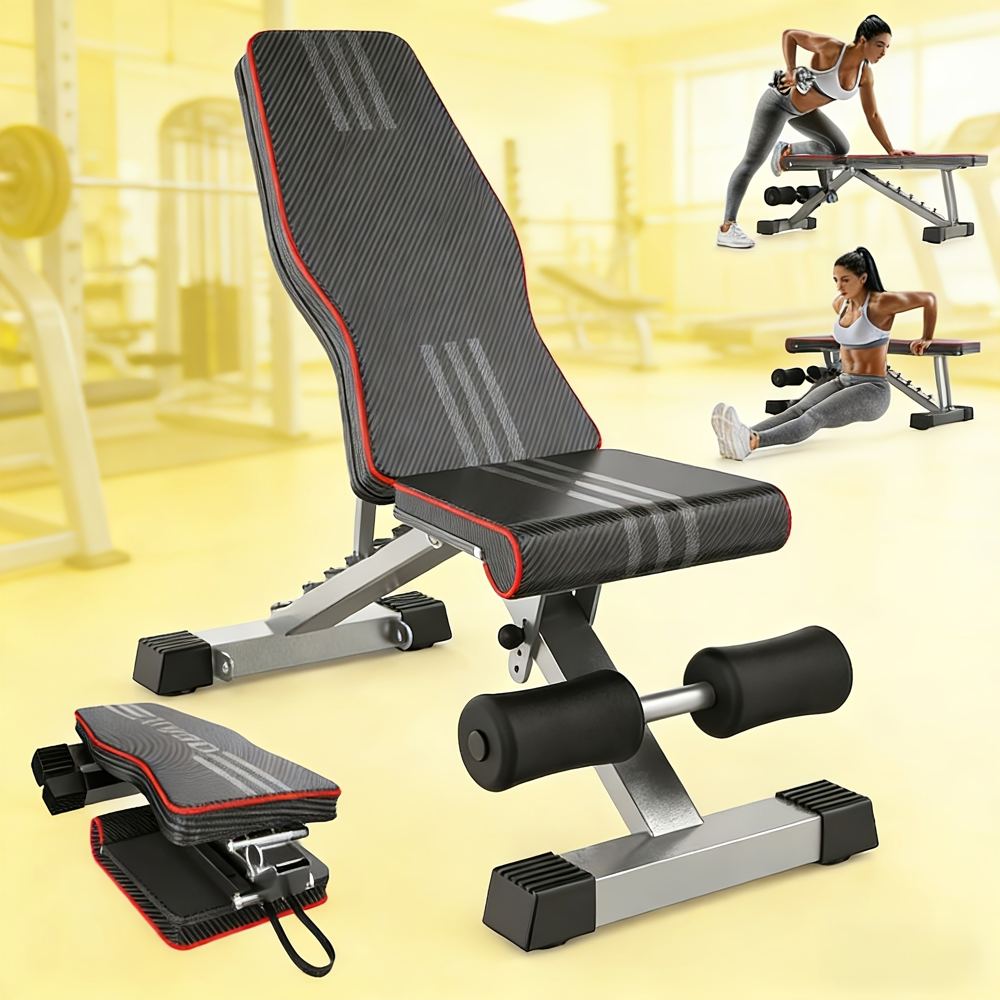
A bench unlocks proper pressing and supported rows at home. The Adjustable Weight Bench folds away when you are done and offers multiple angles as your program grows.
Day B
Rest 60–90 seconds between sets. 45–60 minutes total including warm-up.
1. Dumbbell Reverse Lunge — 3 sets of 8–10 reps per leg Step back, lower until both knees are near 90 degrees, drive up through the front heel. The reverse lunge is the most knee-friendly lunge variation for beginners.
2. Dumbbell Hip Thrust (or loaded Glute Bridge) — 3 sets of 10–15 reps Upper back against a bench or sturdy couch, dumbbell on your hips, feet flat. Drive hips up and squeeze hard. If the setup feels fiddly, do loaded glute bridges on the floor instead — same muscles, zero setup.
3. Standing Dumbbell Shoulder Press — 3 sets of 8–12 reps Dumbbells at shoulder height, core braced, press overhead without arching the lower back. If overhead pressing bothers your shoulders, substitute incline push-ups (hands on a bench).
4. Bent-Over Dumbbell Row (both arms) — 3 sets of 8–12 reps Hinge to about 45 degrees, back flat, row both dumbbells to your lower ribs. A different angle from Day A's one-arm row — variety keeps the back developing evenly.
5. Bodyweight Split Squat — 2 sets of 8–10 reps per leg Static lunge stance, up and down. Single-leg strength and balance to finish the legs.
6. Side Plank (knees down to start) — 2 sets of 20–40 seconds per side On your side, knees bent and stacked, lift your hips. Progress to straight legs when 40 seconds feels easy. Lateral core stability that supports everything else.
Progression Rules: How You Get Stronger
This is the part most beginners miss, and it is the whole program in four lines:
- Pick a weight you can lift with perfect form for the bottom of the rep range. The last 1–2 reps should feel challenging but clean.
- Add reps first. When you can hit the top of the range with good form on all sets, add weight next session.
- Add weight in small jumps. For upper-body moves, 1–2 lbs per dumbbell; for lower-body moves, 2–5 lbs. Small jumps sustained for months beat big jumps that stall you in three weeks.
- If form breaks, the weight is too heavy. Drop back to the last weight you owned completely. There is no prize for grinding ugly reps.
Expect to progress most weeks for the first 2–3 months. When progress slows, that is normal — you are no longer a total beginner, and smaller, slower increases are the new normal.
Rest, Recovery, and the Other 165 Hours
- Sleep: Aim for 7–9 hours. Strength progress and sleep quality track together closely.
- Protein: Include a protein source at each meal — consistency beats perfection. Whole foods (eggs, dairy, legumes, meat, fish) cover most beginners completely.
- Rest days: Walk, stretch, live your life. Soreness in the first 1–2 weeks is normal (it peaks around day two) and fades as your body adapts. Train through mild soreness, rest through sharp pain.
- Deload week: Every 4–6 weeks, halve your weights for one easy week. You come back stronger, not weaker.
What to Expect: Weeks 1–4
Week 1: Everything feels awkward and you will be sore. Normal. Focus on learning the movements, not the numbers.
Week 2: Movements start feeling familiar and soreness decreases. You may already add a rep or two per exercise.
Week 3: The rhythm clicks — warm-up, work, done in under an hour. First small weight increases on the easier lifts.
Week 4: You have trained 12 times. Strength is measurably up on most lifts, even if the mirror has not caught up yet. Visible body-composition changes take longer and vary widely — strength arrives first, and it arrives reliably.
If you are unsure whether strength training or "toning" workouts fit your goals, our Toning vs. Building Muscle guide clears up the confusion. For the principles behind everything here, start with How to Start Strength Training.
Common Beginner Mistakes
Program hopping. Switching programs every two weeks from boredom or impatience. Strength comes from repeating the same movements and progressing them — run this program 8–12 weeks before judging it.
Going too heavy too soon. Lifting dumbbells you cannot control. The weight should serve the movement, not the other way around.
Skipping the warm-up. Five minutes that prevents injuries costing five weeks.
Training to failure every set. Grinding out sloppy final reps teaches bad patterns and hammers recovery. Stop 1–2 reps short of failure on most sets.
Ignoring one side. Start single-limb work with your weaker side and match its reps on the stronger side — never exceed it.
Safety Notes
- Learn each movement with light weight or bodyweight before loading it. Two technique weeks now save months of corrective work later.
- Stop any exercise that causes sharp joint pain. Muscle fatigue and burn are expected; joint pain is information.
- If you are pregnant, get provider clearance before starting or continuing a strength program — many women train safely through pregnancy with adjusted loads, no prolonged breath-holding, and comfortable positions. Postpartum, rebuild from bodyweight and get clearance, watching for midline coning or pelvic heaviness.
- If you have a diagnosed condition affecting your heart, blood pressure, joints, or bones, check with your clinician before beginning.
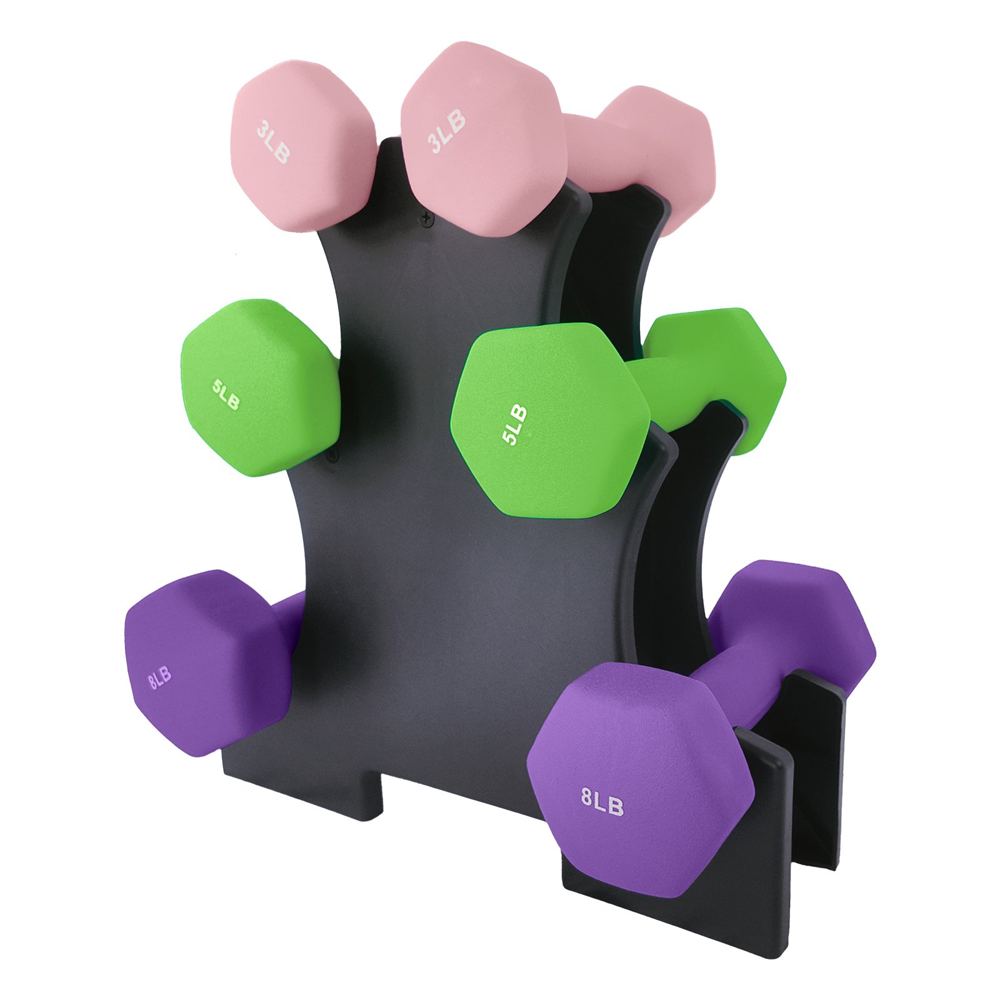
A home setup that grows with you does not need to be elaborate: a few dumbbell pairs and a bench cover this entire program. The Women's Home Gym Dumbbell Kit bundles hex weights with a stand so your training corner stays organized.
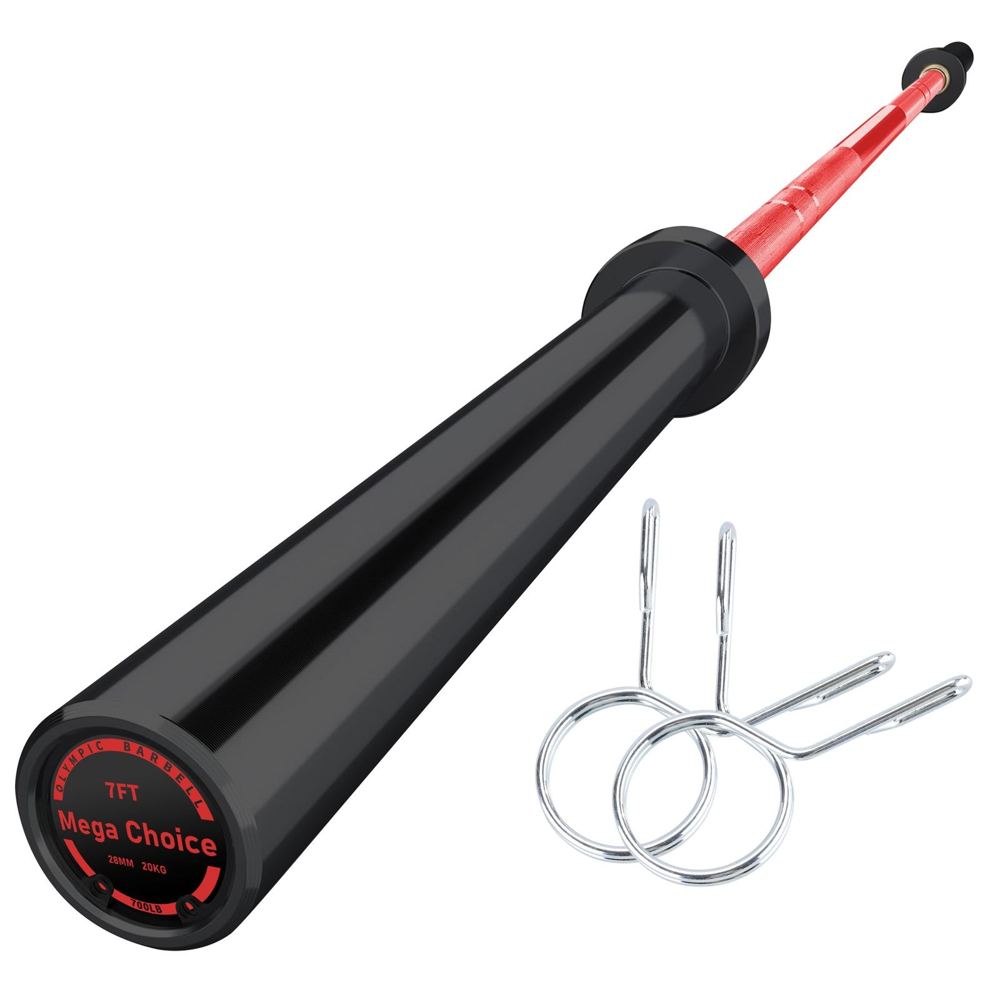
Later, when dumbbells stop challenging your lower body, a standard Olympic barbell opens the next chapter of the big lifts.
FAQ
Q: Is 3 days a week enough to build strength?
Yes — for beginners, three full-body sessions is close to ideal. Each muscle gets trained three times weekly with enough recovery between sessions, which drives fast early progress. More days help only once you need more volume than three sessions can hold.
Q: How long before I see results?
Strength increases often show within 3–4 weeks. Visible muscle definition and body-composition changes take longer — typically a few months of consistent training — and vary widely with nutrition, sleep, and genetics. Anyone promising a specific timeline is guessing.
Q: Will lifting weights make me bulky?
Building significant muscle mass takes years of dedicated heavy training, progressive eating, and favorable genetics — it does not happen by accident from dumbbell workouts three times a week. Most women get stronger, firmer, more capable muscles and better posture.
Q: Can I do this program at home?
Absolutely — it was designed for it. Every exercise uses dumbbells, a bench (or floor/chair substitutes), and bodyweight. A gym simply gives you more loading options later.
Q: What if I miss a workout?
Just do the next scheduled session — do not double up or "make up" missed days. One missed session changes nothing; the pattern across months is what matters.
Q: Should I do cardio too?
Light cardio on rest days (walking, cycling, swimming for 20–30 minutes) complements this program and aids recovery. Save hard intervals for non-lifting days so they do not compromise your strength work.
The Bottom Line
Three days, two alternating workouts, six movements per session, and one rule: add a little more than last time. Run this program for 8–12 weeks before you even think about changing it. Strength training rewards the patient far more than the intense — show up, progress gradually, recover well, and the results take care of themselves.