Smith machine or free weights — which is right for you? An honest comparison of pros, cons, and safety for both, plus clear guidance for beginners.
Smith Machine vs Free Weights: Pros, Cons and Safety
Walk into any gym and you'll find two philosophies bolted to the floor. On one side: the Smith machine, its bar sliding up and down fixed steel rails, ready to catch itself at any height. On the other: dumbbells and a squat rack, where every rep is yours to balance, guide, and finish. Both build muscle. Both can be safe. Both can be misused. The honest answer to "which is better" is the one coaches have given for decades: it depends on the person, the exercise, and the goal.
This guide contains affiliate links. If you buy through them, VÉLORA may earn a commission at no extra cost to you.
What the Smith Machine Actually Is
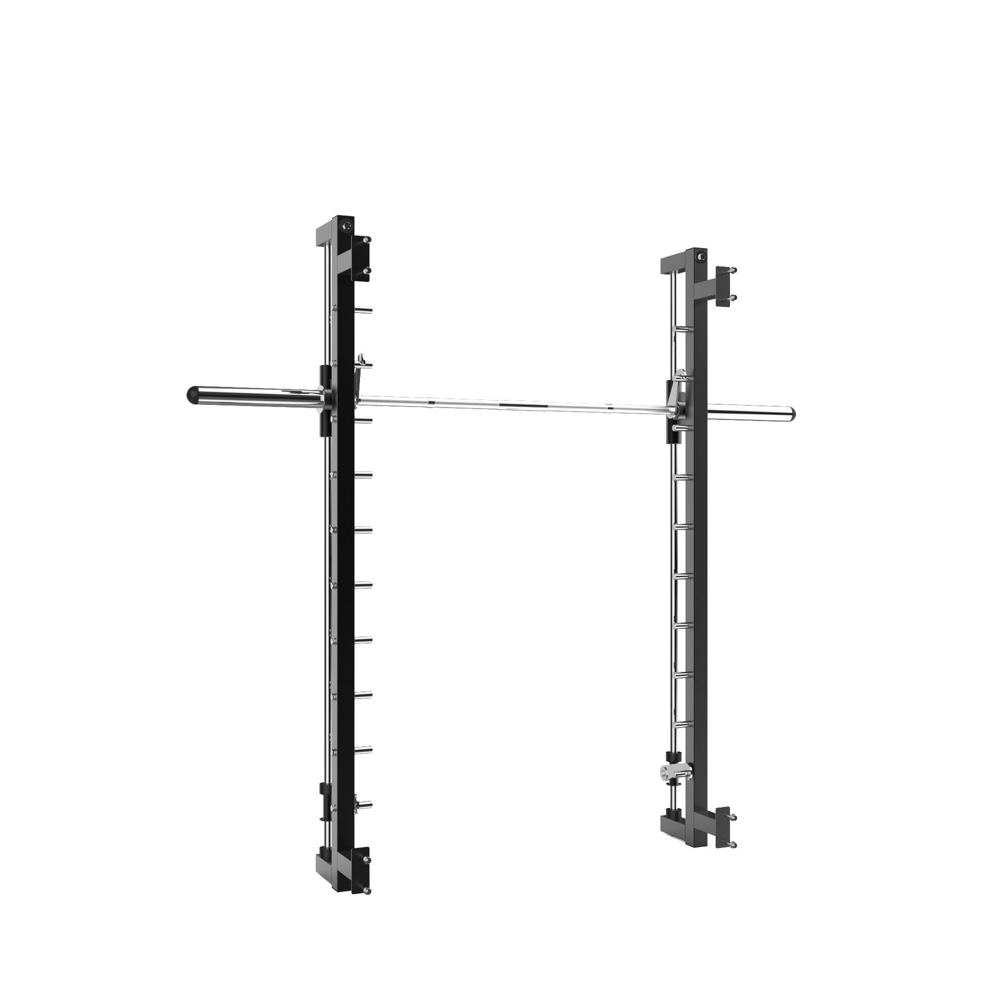
A Smith machine is a barbell fixed between two vertical steel rails. The bar slides up and down and hooks into place at multiple heights, doubling as its own rack. Most have adjustable safety stops you set just below your lowest range of motion.
The defining feature is the fixed bar path: the bar travels straight up and down, removing the balancing act from every lift. For a squat, you can place your feet slightly forward and lean into the bar without tipping. For a bench press, the bar can't drift toward your neck. That guided path is both the machine's greatest strength and its main criticism.
What Free Weights Actually Are
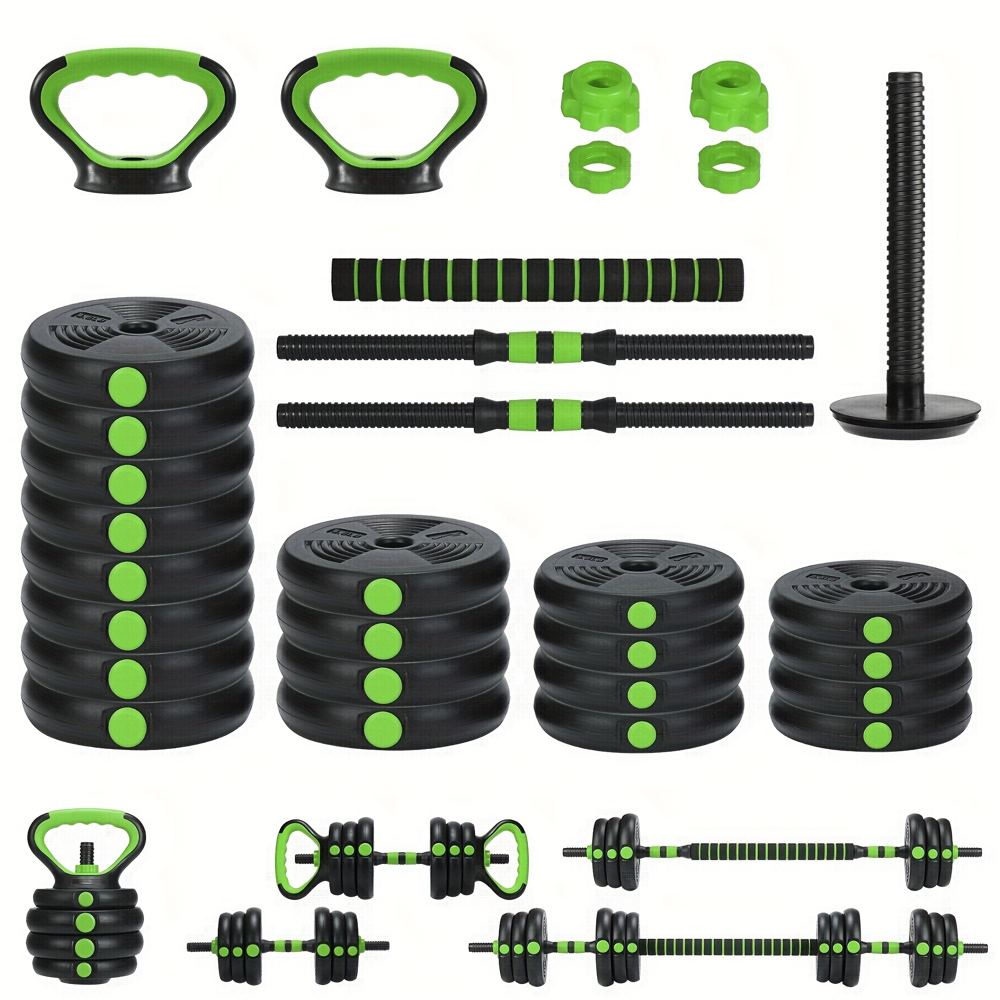
Free weights — dumbbells, barbells, kettlebells — move freely in space, guided by nothing but you. Every rep demands that your body stabilize, balance, and control the load. When you press two dumbbells, your shoulders, trunk, and small stabilizer muscles all work to keep each weight on its path. A simple adjustable dumbbell set can train nearly your whole body with no other equipment — which is why dumbbells are the default recommendation for beginners (see adjustable vs fixed dumbbells).
The Honest Comparison
| Factor | Smith Machine | Free Weights | |---|---|---| | Bar path | Fixed — the machine guides every rep | Free — you stabilize every rep | | Stabilizer demand | Lower (rails do that work) | Higher (your body does it) | | Self-spotting | Excellent — hooks and stops | Needs rack safeties or a spotter | | Learning curve | Shorter for basic patterns | Longer — technique takes practice | | Natural movement | One-size-fits-all path | Adapts to your anatomy | | Exercise variety | Squat, press, rows, lunges | Virtually unlimited | | Space & cost | Large footprint, pricier | Dumbbells start small and cheap |
Where the Smith Machine Shines
Solo training safety. If you train alone, the Smith machine lets you push pressing and squatting without a spotter — a failed rep simply rests on the stops. For home-gym lifters, a setup like the HarmonyHealth Power Cage with Smith Barbell combines guided pressing with a full cage, and that confidence matters.
Learning basic patterns. A beginner can focus on "sit down, stand up" without simultaneously balancing a wobbling bar. As a stepping stone, the guided path builds confidence fast.
Targeted pressing. With balance handled, you can focus purely on the working muscle — useful for close-grip presses, incline work, or partial reps through a sticking point.
Where the Smith Machine Falls Short
The fixed path doesn't fit everyone. Human joints don't move in perfect straight lines. The rails can force some lifters into knee or back positions they'd never choose with a free bar. If an exercise feels wrong — pinching, grinding, awkward — listen to your body and pick another tool.
Less stabilizer work. The rails balance the bar, so the small muscles that would do that job get less stimulus. Over years of Smith-only training, that can show up as a gap between gym strength and real-world strength.
False confidence. A 135-lb Smith squat doesn't equal a 135-lb free squat — the machine removed part of the work. Switch to free weights and expect to drop the load and relearn.
Where Free Weights Shine — and Demand Respect
Natural, self-organized movement that's kinder to joints, plus independent loading per side that exposes left-right imbalances the Smith machine hides. More of your body participates in every rep, which means more training effect — and better carryover to sports and daily life. They're also compact and affordable: a dumbbell pair costs a fraction of a Smith machine and fits in a closet (see the best home gym equipment under 100).
The price of that freedom: you must learn technique, and you need a safety plan — rack safeties or a spotter for barbells. Dumbbells are the friendliest start since bailing is as simple as setting them down.
Safety Rules for Both
Smith machine: set the safety stops every session, just below your lowest comfortable range. Don't lock joints into hyperextension at lockout — stop just short, especially on pressing. Find a foot position that feels natural on squats rather than forcing your body into the machine's straight line. Practice hooking and unhooking with an empty bar before going heavy. And remember: a fixed path doesn't make you invincible — too much weight with bad form still injures people.
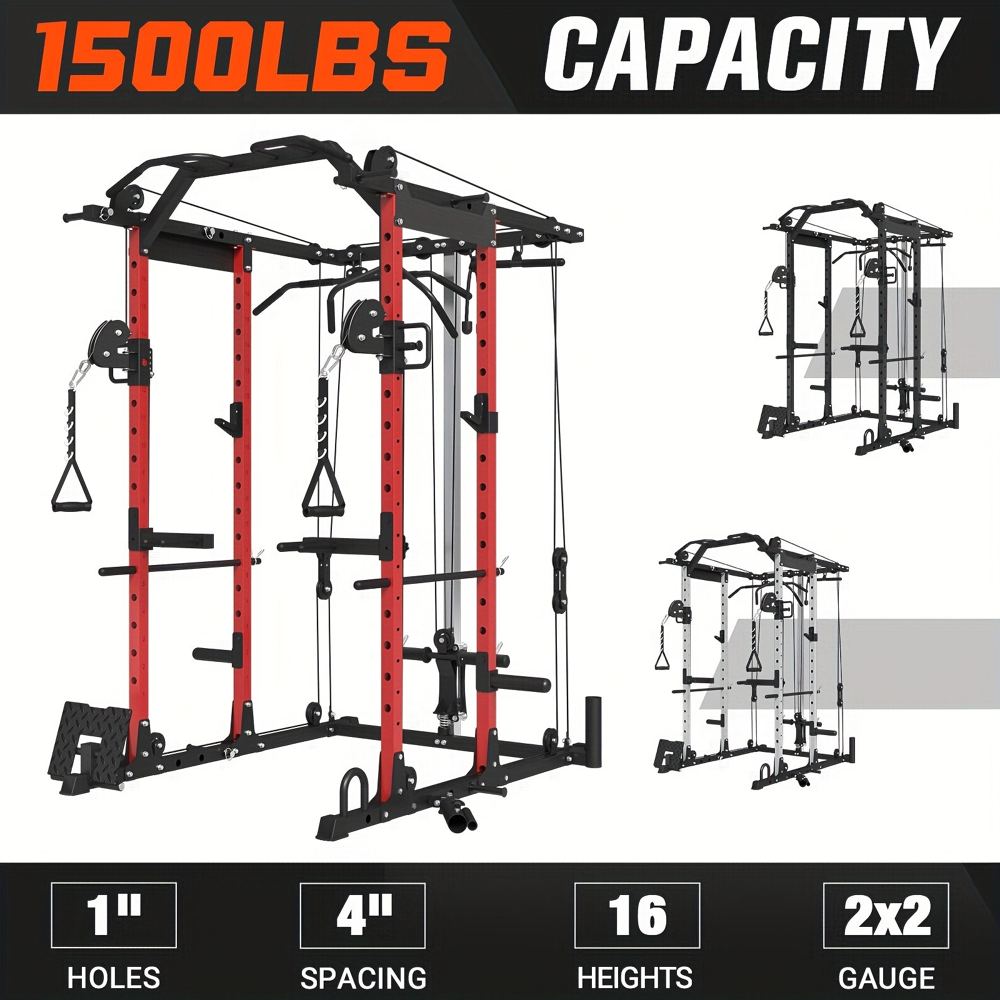
Free weights: use rack safeties for barbell work, set just below your range of motion. A power rack cage with cable crossover is the single best safety investment for a home gym — safeties, pull-up options, and cable work in one footprint. Learn to bail with light weight first (lower to the safeties on squats; set dumbbells down from presses). Collars on, always. And respect fatigue: most free-weight injuries happen on the last reps of the last set, when stabilizers are tired — end the set one rep before your form breaks.
Beginner Guidance: How to Actually Use Both
Phase 1 — Learn with dumbbells (first 4–8 weeks). Goblet squats, dumbbell Romanian deadlifts, dumbbell bench press, one-arm rows. Light weights, 2–3 sets of 8–12 reps. Dumbbells teach balance while loads are small and safe. Our beginner strength training program and reps and sets for beginners lay this out step by step.
Phase 2 — Add the Smith machine as a tool, not a crutch. Once patterns feel natural, use it to push pressing strength further, try incline press or split squats confidently, and train alone without worry.
Phase 3 — Graduate to the free barbell (when ready). For heavier long-term squatting and deadlifting, learn the free bar with light weights and safeties set. Your dumbbell-built stabilizer strength transfers over.
A ratio that works for most people: roughly 70–80% free weights, 20–30% Smith machine, adjusted to your goals. And a sample week might be: Day 1 — goblet squats, dumbbell Romanian deadlifts, lunges; Day 2 — Smith incline press, one-arm rows, lateral raises; Day 3 — dumbbell bench, goblet squats, farmer's carries. (See how to structure a workout for the logic.)
Choose the Smith machine when you train alone and want confident pressing or squatting, you're learning a new pattern, or you want to push near failure on presses safely. Choose free weights when you want real-world carryover, you're on a budget or short on space, or you want to fix left-right imbalances. Combine them for the best of both.
FAQ
Q: Is the Smith machine "cheating"?
No. It's a tool with a guided path that builds real muscle — just with less stabilizer involvement. Calling it cheating is like calling a treadmill cheating because the belt moves. Use it deliberately and it earns its place.
Q: Does the Smith machine build less muscle than free weights?
For the main target muscles, the difference is smaller than gym debates suggest. Free weights pull ahead on stabilizer development, coordination, and real-world carryover. For pure muscle size, consistency and progression matter far more than the tool.
Q: Can I squat safely on a Smith machine?
Yes, with two conditions: set the safety stops correctly, and find a foot position that feels natural instead of forcing your body into the machine's straight line. If any position causes knee or back discomfort, choose a different squat variation.
Q: Should beginners start with the Smith machine or dumbbells?
Dumbbells first. They teach balance and coordination while loads are light, expose left-right imbalances early, and bailing is simple. Add the Smith machine later as a confidence tool for heavier pressing and solo training.
Q: Which is better for a home gym?
For most home gyms, free weights win: cheaper, smaller, more versatile, with a power rack's safeties covering the safety concern. A Smith machine makes sense at home if you specifically want guided solo pressing and have the space and budget.
Conclusion
The honest verdict on Smith machine vs free weights is gloriously boring: both build strength, both can be safe, and the best choice fits your situation. Training alone with no spotter? The guided bar and safety stops are genuinely reassuring. Building athletic, real-world strength on a budget? Free weights are unbeatable. Most lifters end up using both — free weights for the foundation, the Smith machine for confident pressing and safe solo work. Learn the technique, set your safeties, progress patiently, and let consistency do what no equipment debate ever could.