Master the Russian twist with safe form: step-by-step technique, bodyweight to weighted progressions, loading options table, common mistakes, and FAQs.
Russian Twists and Oblique Training: Form, Benefits, Mistakes
The Russian twist is the internet's favorite oblique exercise — and one of its most commonly butchered. Done well, it builds rotational strength in the obliques and teaches your core to produce and control twisting force. Done poorly, it becomes a momentum-driven arm swing that loads the lower back while the abs take a holiday.
This guide covers exactly how to do Russian twists with clean form, when to progress from bodyweight to added resistance, the mistakes that cause most of the problems, and how oblique training fits into a balanced core program. No hype, no miracle claims — just a genuinely useful exercise done right.
This guide contains affiliate links. If you buy through them, VÉLORA may earn a commission at no extra cost to you.
What Russian Twists Actually Train
The primary movers are the obliques — the diagonal muscles running along the sides of your torso. Their job in real life is rotation and, just as importantly, resisting rotation: keeping your trunk steady when you carry a bag on one side or change direction suddenly. The rectus abdominis (the "six-pack" muscle) assists, and the hip flexors work when your feet are lifted.
One honest note: oblique training strengthens and builds the side-waist muscles, but it does not burn fat from your waist specifically — no exercise can target fat loss from one area. If your goal is a trimmer waistline, overall fat loss through nutrition and activity drives that; the twists build the muscle underneath.
How to Do the Russian Twist: Step by Step
Starting Position
- Sit on the floor with knees bent and feet flat. A mat helps — floor work is more comfortable with padding.
- Lean back until your torso forms roughly a 45-degree angle with the floor. Think "tall chest, long spine" — not a slouched C-shape.
- Brace your core lightly, as if preparing for a gentle tap to the stomach.
The Movement
- Rotate your torso to one side, bringing your hands (or the weight) toward the floor beside your hip. The rotation should come from the ribcage — your chest and shoulders turn together.
- Pause briefly at the end of the twist.
- Return through center with control and rotate to the other side. Touching the floor on each side counts as one full rep.
- Keep your hips still. Your knees and hips should barely move — the twist happens above the waist.
Sets and reps: Start with 2–3 sets of 8–12 reps per side (a "rep" = both sides). Rest 45–60 seconds between sets.
Breathing: Exhale as you twist to one side, inhale as you pass through center. A steady rhythm keeps the movement controlled and prevents breath-holding.
Beginner Modification: Feet Down, No Weight
Master the bodyweight version with your feet flat on the floor first. This anchors your lower body so the obliques do all the work and your lower back stays quiet. Lift your feet only when the anchored version feels easy and your form stays clean — and even then, keep the heels hovering just off the floor rather than hiking the knees up to your chest.
Loading Options: When and How to Add Weight
Add resistance only after you can do 3 sets of 12 clean reps per side with bodyweight. When you do add weight, increase it in small steps — this is a precision exercise, not a strength lift.
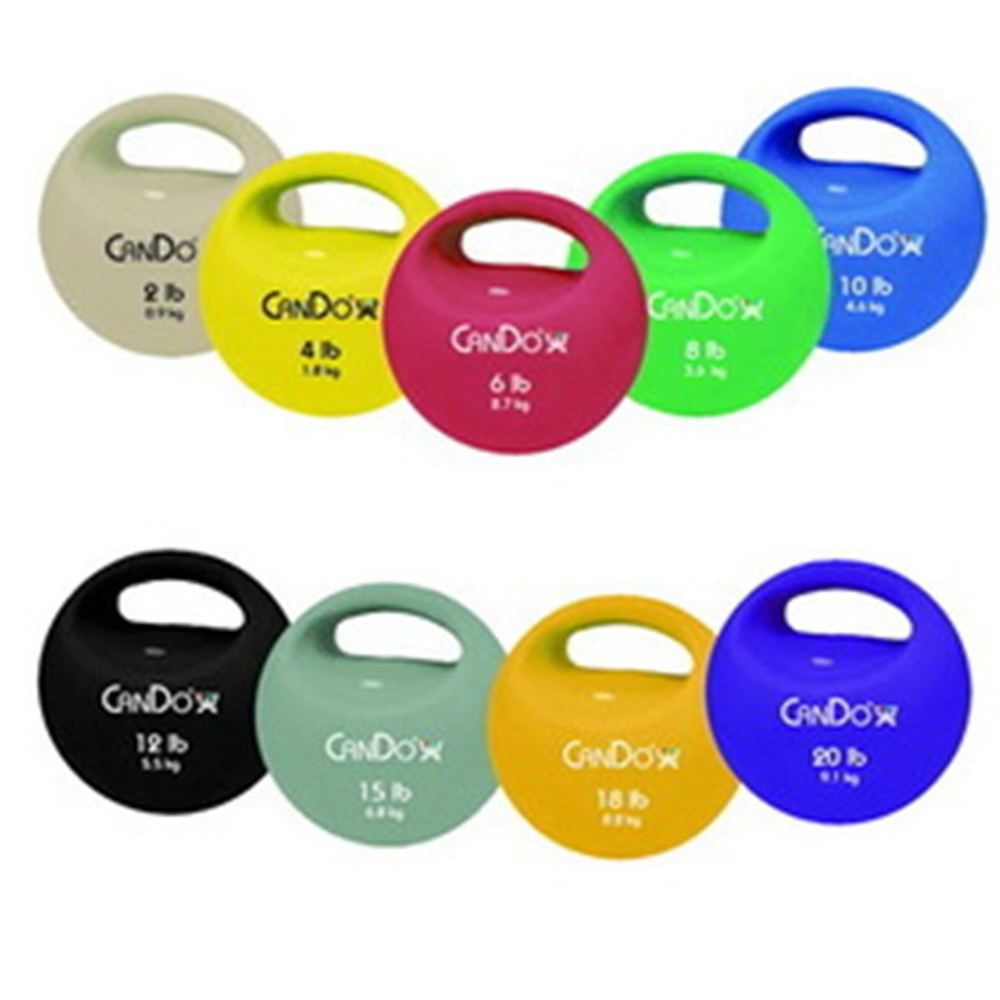
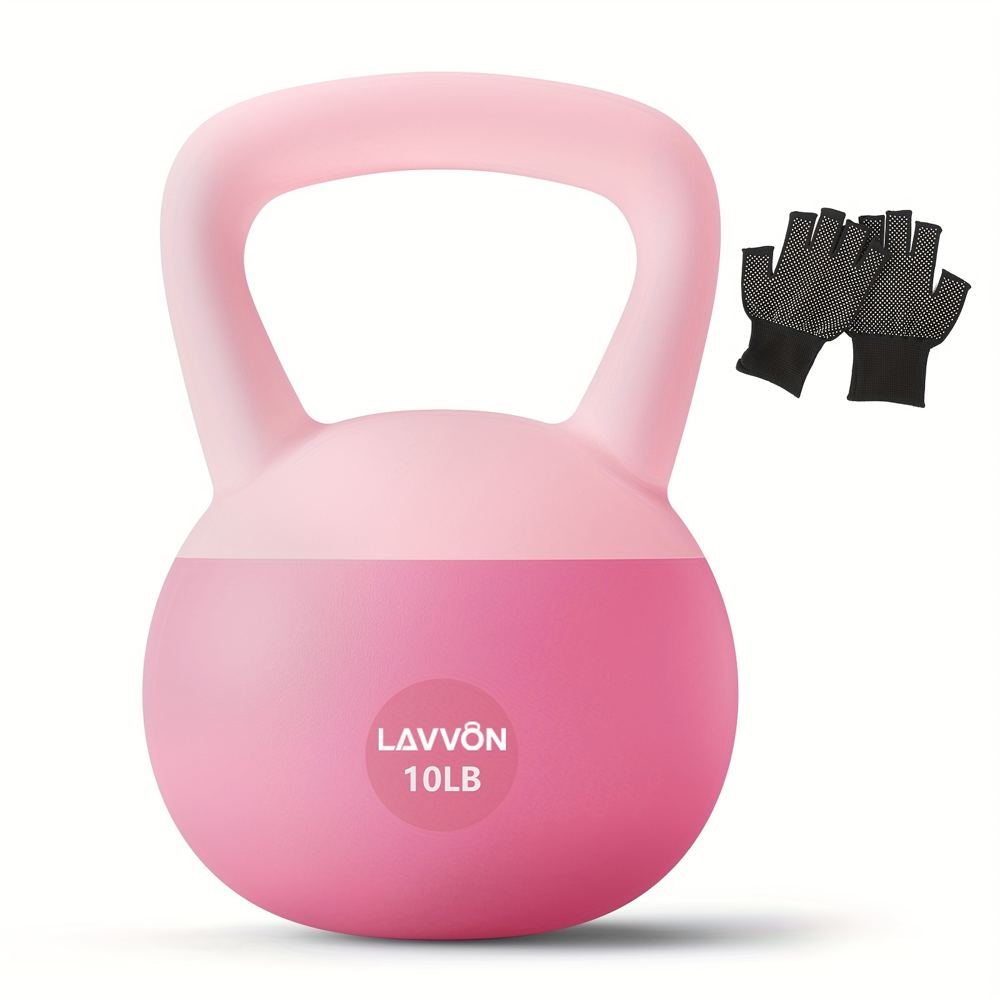
| Option | Approx. Load | Best For | Notes | |---|---|---|---| | Bodyweight (feet down) | None | Beginners learning the pattern | The version everyone should master first | | Bodyweight (feet lifted) | Core + leg weight | Intermediate core demand | Keep the torso angle fixed; do not rock | | Medicine ball | 2–5 kg (5–10 lbs) | Classic weighted twist | A One-Handle Medicine Ball is easy to grip and rotate; hold it at chest height | | Dumbbell or plate | 2–5 kg to start | Home gyms without a med ball | Hold the weight vertically at your chest; see our Best Dumbbells for Women guide | | Soft kettlebell | 4–6 kg to start | Comfortable grip for swings into twists | A Soft Kettlebell with Wide Grip is gentler if a weight bumps you mid-twist | | Cable or band | Light–moderate | Standing anti-rotation focus | Anchor at chest height and rotate against tension — excellent for the obliques |
Equipment note: A medicine ball remains the classic choice because its round shape naturally encourages rotation from the torso rather than the arms. If you train at home, the Cando One-Handle Medicine Ball, Blue 10 lbs is a versatile pick that also works for wall throws and core slams. The LAVVON Soft Kettlebell is another back-friendly option for home use.
Common Mistakes (and Fixes)
- Swinging with momentum. The classic error: flinging the weight side to side with the arms while the torso barely turns. Fix: slow down until each twist takes two full seconds, and make the shoulders rotate fully.
- Rounding the back. Slouching into a C-shape loads the lumbar discs and lets the obliques slacken. Fix: lift your chest, pull your shoulder blades gently together, and lean back from the hips rather than the waist.
- Rotating the knees. When the knees swing with each twist, the obliques lose their anchor. Fix: keep feet anchored (or heels hovering still) and imagine your hips are bolted in place.
- Going too heavy too soon. A heavy weight that forces arm-swinging and back-rounding trains nothing but bad patterns. Fix: drop the weight until your form is perfect, then progress gradually.
- Rushing reps. Fast, bouncy twists use elastic momentum instead of muscle. Fix: pause half a second at each side — if you cannot pause, the weight is too heavy.
- Holding the breath. Common under load. Fix: commit to the exhale-on-twist rhythm; it naturally regulates your pace.
How Often to Train Obliques
Two to three sessions per week is plenty. The obliques recover like any other muscle — they need rest between sessions to adapt. A simple approach:
- Beginner: 2 sessions/week, bodyweight, feet down, 2 sets of 10 per side.
- Intermediate: 2–3 sessions/week, feet lifted or light medicine ball, 3 sets of 10–12 per side.
- Advanced: 3 sessions/week, weighted with clean form, 3 sets of 12–15 per side.
Russian twists are one tool, not a complete core program. Pair them with anti-extension work (dead bugs, planks) and anti-lateral-flexion work (side planks) for balanced development. See our Core Workout for Women Beginners and Core Training for Men guides for full programs.
Safety Notes
- If you have a history of disc problems, herniation, or lower-back pain that worsens with twisting, skip loaded Russian twists — rotation under load stresses the spinal discs. Bodyweight dead bugs and bird-dogs are safer alternatives (see our Back Exercises for Women).
- Stop immediately if you feel sharp pain in the lower back, hips, or neck. Muscle fatigue in the sides of the waist is normal; joint or spinal pain is not.
- Pregnant or postpartum? Rotational core work needs individual guidance — check our Exercise During Pregnancy Safety guide and get provider clearance first.
- Keep movements slow and controlled. If your form breaks down mid-set, end the set — unfinished clean beats finished sloppy.
FAQ
Q: Do Russian twists reduce love handles?
They strengthen the oblique muscles underneath, but they do not burn fat from the waist specifically — no exercise does. Visible change at the waistline comes from overall fat loss through nutrition and activity, combined with muscle development from exercises like these. Be skeptical of anyone promising otherwise.
Q: Should my feet be on the floor or in the air?
Start with feet on the floor. Lifting the feet increases difficulty significantly by removing your lower-body anchor, which often causes beginners to rock and lose the torso rotation that makes the exercise work. Earn the feet-up version with clean form first.
Q: How heavy should I go on Russian twists?
Start with bodyweight. When 3 sets of 12 clean reps per side feel easy, add 2–5 kg (5–10 lbs). Most people never need more than 5–8 kg for effective oblique training — this is a control exercise, and excessive weight ruins the form that makes it valuable.
Q: Are Russian twists bad for your back?
They can be, if done with a rounded back, excessive weight, or fast momentum — loaded rotation is stressful for spinal discs. Done with a tall chest, controlled pace, and appropriate load, they are a standard, safe oblique exercise for healthy backs. If you have existing back issues, check with a professional first.
Q: Russian twists vs. side planks — which is better for obliques?
They train the obliques differently: twists build dynamic rotational strength; side planks build static lateral stability. Both are valuable, and a balanced core routine includes both movement and hold-based work rather than choosing one.
The Bottom Line
The Russian twist earns its place in your routine when it is slow, tall, and honest — torso doing the rotating, hips staying put, weight light enough for perfect form. Master the feet-down bodyweight version, add a medicine ball only when the basics are automatic, and pair it with planks and dead bugs for a core that is strong in every direction. Your obliques will thank you; your lower back will too.
