Targeted back exercises for women: build posture, strength, and a healthier back with simple moves, dumbbells, and bands — at home or at the gym.
Back Exercises for Women: Build a Stronger, Healthier Back
If your shoulders round forward by the end of the day, your neck feels tight from desk work, or you have ever thought "my back is my weak point," you are not alone. The back is one of the most neglected areas in women's training — partly because you cannot see it working, and partly because back exercises have a reputation for being complicated. They are not. A handful of simple pulling movements, done with attention twice a week, can improve your posture, ease everyday aches, and make everything from carrying groceries to sitting tall feel noticeably easier.
This guide focuses on safe, standard back exercises for women: what each one does, how to do it with good form, how often to train, and what to do when your back hurts. Results vary — no exercise can promise a specific look or timeline — but a stronger back supports nearly everything else you do in the gym and in life.
This guide contains affiliate links. If you buy through them, VÉLORA may earn a commission at no extra cost to you.
Why Back Training Matters More Than It Looks
Your back muscles do quiet work all day: holding you upright at a desk, stabilizing your spine when you lift a child, and balancing out the pushing muscles of your chest and shoulders. When the back is weak relative to the front of the body, the shoulders drift forward, the neck compensates, and everyday posture suffers. Strengthening the back is not just about aesthetics — it is about a spine that is supported, shoulders that sit where they should, and fewer of the nagging aches that come from sitting.
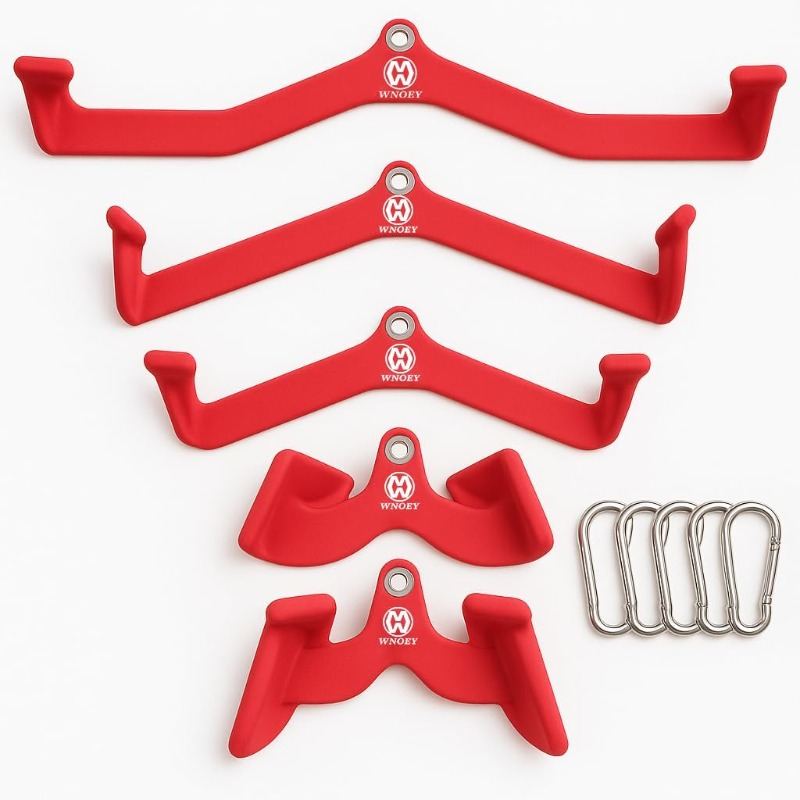
You also do not need a gym. Rows, reverse flies, and back extensions can all be done at home with light dumbbells or resistance bands. If you train at a gym with a cable station, a simple pulldown attachment opens up lat pulldowns, the classic upper-back builder.
What the Back Muscles Do
It helps to know the main players so you can feel each exercise in the right place:
- Lats (latissimus dorsi): the broad muscles along your sides that pull your arms down and back — the target of pulldowns and rows.
- Upper back (rhomboids and middle traps): sit between your shoulder blades and squeeze them together — think rows and reverse flies.
- Lower back (spinal erectors): run along your spine and keep it stable when you hinge or lift — the target of back extensions.
- Rear deltoids: the back of the shoulder, which helps keep shoulders balanced — worked by reverse flies and face pulls.
The Core Back Exercises
Do one or two back sessions a week, choosing 3–4 exercises per session. Rest 45–90 seconds between sets. Start with weights that feel like effort by the last two reps but never force your form to break.
1. Bent-Over Dumbbell Row
Purpose: builds the lats and middle back; one of the most effective back exercises for women at any level.
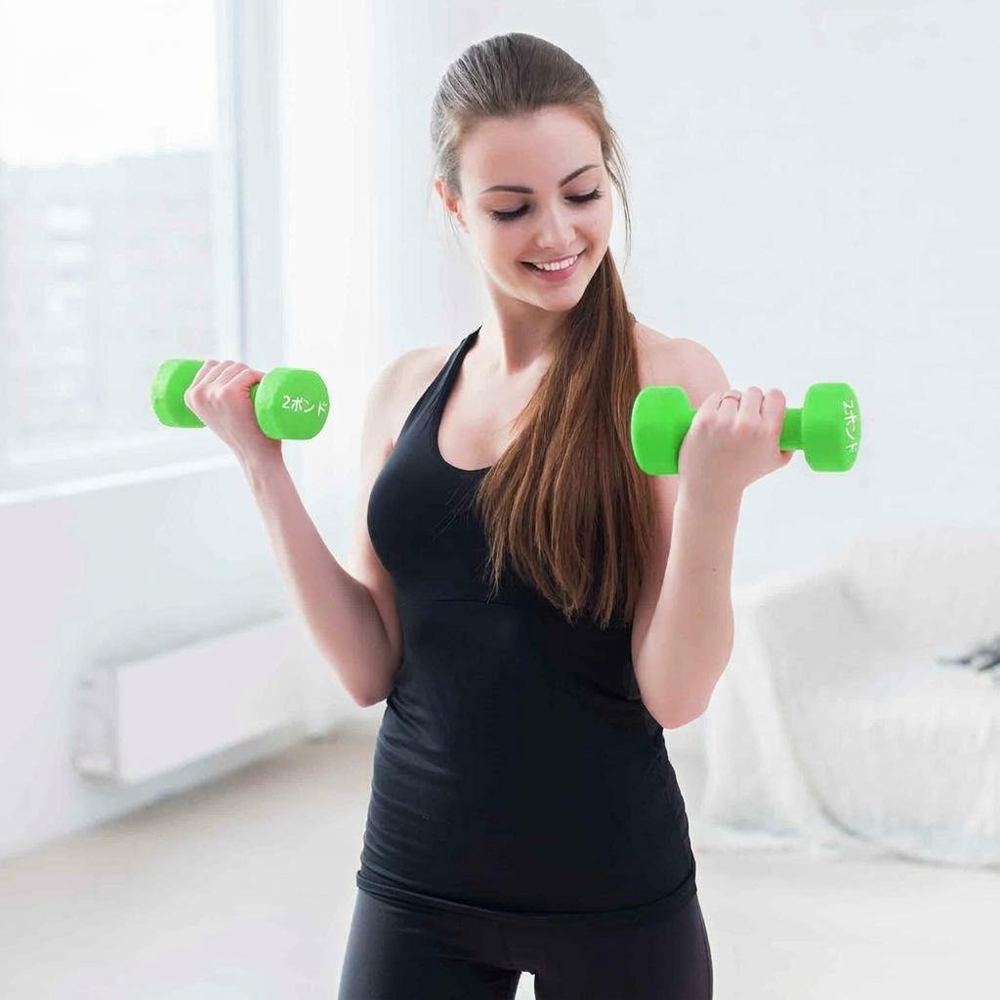
Equipment: light to medium dumbbells. The 3 Pair PVC Dumbbell Set with Case gives you three weights so you can start light and progress — perfect for home back training. Our guide to choosing dumbbells explains weights and coatings if you are unsure.
Starting position: feet hip-width apart, soft knees, hinge forward at the hips until your torso is roughly 45 degrees, back flat, dumbbells hanging below your shoulders.
Technique: pull the weights toward your lower ribs, driving your elbows behind you and squeezing your shoulder blades together at the top. Lower slowly to a full stretch. Breathing: exhale as you pull, inhale as you lower. Sets/reps: 2–4 sets of 8–12 repetitions.
Beginner modification: do the row one arm at a time, supporting yourself with the other hand on a sturdy chair — easier to keep the back flat. Common mistakes: rounding the lower back, shrugging the shoulders toward the ears, and swinging the torso for momentum.
2. One-Arm Supported Row
Purpose: trains each side of the back independently, which helps correct left-right imbalances.
Equipment: a single dumbbell and a sturdy chair, bench, or sofa edge.
Starting position: one knee and hand on the support, back flat like a tabletop, dumbbell hanging in the free hand.
Technique: pull the dumbbell toward your hip, elbow skimming your ribs, squeezing the shoulder blade in at the top. Breathing: exhale on the pull. Sets/reps: 2–3 sets of 6–10 repetitions per side.
Common mistakes: rotating the torso open at the top, and letting the shoulder droop toward the floor between reps — keep the chest and hips level.
3. Band Lat Pulldown (or Cable Pulldown)
Purpose: targets the lats and teaches the "pull the elbows down" pattern that strengthens the whole upper back.
Equipment: a long resistance band anchored high (door anchor or pull-up bar), or a cable station with a pulldown attachment at the gym.
Starting position: kneel or stand facing the anchor, arms extended overhead holding the band, core braced.
Technique: pull the band down to your upper chest, driving your elbows toward your ribs, then control it back up. Breathing: exhale on the pull-down. Sets/reps: 2–3 sets of 10–15 repetitions.
Beginner modification: use a lighter band and shorten the range — even a partial pull teaches the pattern. Common mistakes: leaning back excessively, and shrugging the shoulders up.
4. Reverse Fly
Purpose: strengthens the rear deltoids and upper back — the exact muscles that fight the rounded-shoulder desk posture.
Equipment: very light dumbbells or a light band. This exercise needs little weight; form is everything.
Starting position: hinge forward with a flat back, arms hanging with a slight elbow bend.
Technique: lift the arms out to the sides like wings, squeezing the shoulder blades together, until the arms reach about shoulder height. Lower slowly. Breathing: exhale on the lift. Sets/reps: 2–3 sets of 10–15 repetitions.
Common mistakes: using weights that are too heavy (the shoulders shrug and the neck takes over), and swinging. If you cannot pause at the top, the weight is too heavy.
5. Back Extension (Superman or Prone Lift)
Purpose: strengthens the lower back and glutes with zero equipment — gentle and beginner-friendly.
Equipment: a mat.
Starting position: lie face down, arms extended overhead or tucked by your sides, forehead resting on the floor.
Technique: lift your chest and legs a few inches off the floor, squeezing your back and glutes, then lower slowly. Breathing: exhale on the lift. Sets/reps: 2–3 sets of 8–12 repetitions.
Beginner modification: lift only the upper body, keeping the legs down. Safety note: move slowly and keep the range small; you should feel effort in the muscles along the spine, not pinching or sharp pain. If you have a diagnosed back condition, follow your physiotherapist's guidance over any general guide.
6. Face Pull (with Band)
Purpose: strengthens the rear delts and the muscles that pull the shoulders back — excellent for posture.
Equipment: a light band anchored at about chest height.
Technique: pull the band toward your forehead, elbows high and wide, then squeeze the shoulder blades together. Breathing: exhale on the pull. Sets/reps: 2–3 sets of 10–15 repetitions. For a full session plan that includes upper-body pulling, see our upper-body workout for women.
Which Exercise When: A Quick Comparison
| Exercise | Primary target | Equipment | Best for | | --- | --- | --- | --- | | Bent-over dumbbell row | Lats, middle back | Dumbbells | Overall back strength | | One-arm supported row | Lats, fixing imbalances | Dumbbell + chair | Left-right balance | | Band/cable pulldown | Lats | Band or cable station | Upper-back width and pull strength | | Reverse fly | Rear delts, upper back | Light dumbbells/band | Desk posture, rounded shoulders | | Back extension | Lower back, glutes | Mat only | Beginners, gentle lower-back work | | Face pull | Rear delts, posture muscles | Band | Shoulder health and posture |
A Sample Weekly Back Routine
Train the back once or twice a week, giving it at least 48 hours before training the same muscles again. A simple split:
- Session 1: bent-over dumbbell row, band lat pulldown, back extension — 2–3 sets each.
- Session 2: one-arm supported row, reverse fly, face pull — 2–3 sets each.
Combine these with pressing and lower-body work on other days. Our upper-body workout guide shows how pulling fits into a balanced week.
Posture Beyond Exercise
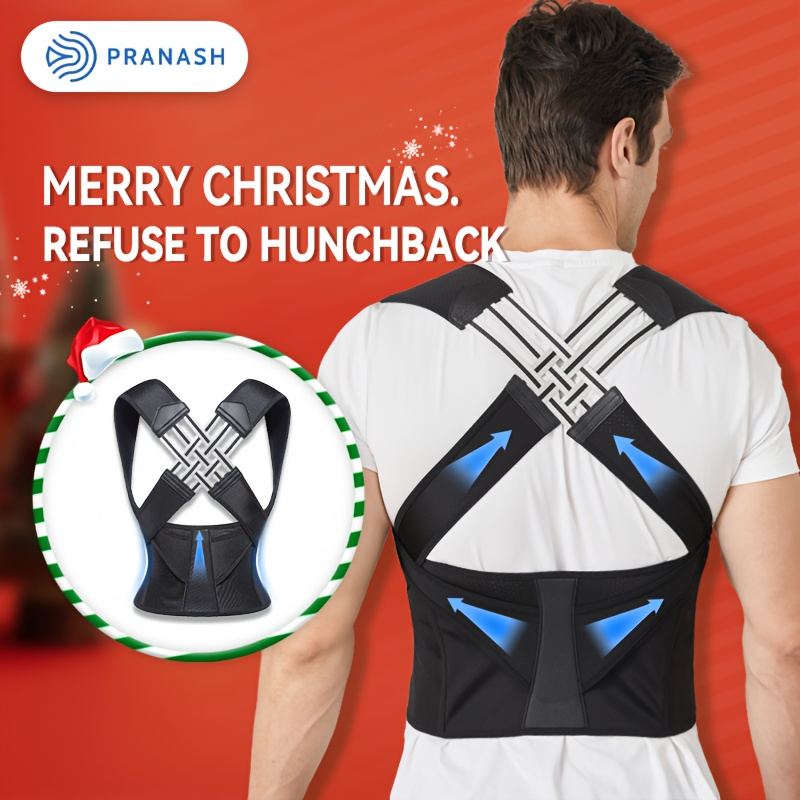
Back exercises work best alongside daily habits. If you sit for long hours, a breathable back-support belt can cue you to sit taller — it supports awareness rather than doing the muscles' job. Set a reminder to stand and roll your shoulders every hour. And if you train in a small space, our roundup of quiet home gym equipment for apartments covers the options.
Safety Notes
- Warm up first. Five minutes of marching in place, arm circles, and gentle torso twists prepare the back for pulling work.
- Flat back on hinges. For rows and deadlift-style movements, the back should stay neutral — never rounded under load.
- Pain rules. Muscle effort is fine; sharp pain, shooting pain, or numbness are not. Stop the exercise, and if pain persists, see a doctor or physiotherapist.
- Progress gradually. Add reps or a small amount of weight when your current sets feel smooth and easy — change one variable at a time.
- Do not chase soreness. Effective back training does not have to leave you sore.
FAQ
Q: How often should women train their back?
One to two back-focused sessions a week is enough for most people. Beginners do well with one full session; intermediates can add a second shorter session once they recover comfortably between workouts.
Q: Can I build my back muscles at home without a gym?
Yes. Dumbbell rows, supported rows, band pulldowns, reverse flies, and back extensions need nothing more than dumbbells, a band, and a mat. A cable pulldown attachment is a nice addition if you have a home pulley, but it is optional.
Q: Will back exercises fix my posture?
They help significantly — stronger upper-back muscles make it easier to hold yourself upright. But posture also depends on habits: sitting, screen height, and how often you move during the day all matter. Think of back training as one important piece, not a cure.
Q: I feel my biceps more than my back during rows. What am I doing wrong?
Very common. Think about driving your elbows behind you rather than pulling with your hands, and pause at the top to squeeze your shoulder blades. Lighter weight and slower reps usually fix it within a few sessions.
Q: Is it safe to do back exercises with lower-back pain?
It depends on the cause. Gentle movements like back extensions are often fine, but any diagnosed condition, sciatica, or pain shooting down the leg needs professional assessment first. When in doubt, get checked before training.
Q: Do I need a back-support belt while exercising?
Not generally. Belts are training tools for very heavy lifting, not for the light-to-moderate work in this guide. A breathable support like the Pranash back-support belt is better used as a posture reminder during long sitting periods. Build the muscles first; they are your best support.
The Bottom Line
Back exercises for women are simple, low-equipment, and quietly transformative: rows, pulldowns, reverse flies, and back extensions, done once or twice a week with honest form. Your back supports your posture, your strength, and your comfort at the end of the day. Start light, progress gradually, and let consistency do the work — a stronger back is something you will feel long before you see it.
