Plateaus, non-scale victories, and why fast loss usually rebounds — an honest guide to what real weight loss progress looks like, without timelines or promises.
Realistic Weight Loss Expectations: What Progress Actually Looks Like

Somewhere between the "lose 10 pounds in 10 days" headlines and the frustration of a scale that won't move, there's a truth nobody profits from telling you: real weight loss is slow, uneven, and nothing like the before-and-after photos. That's not bad news — it's freeing. Once you know what normal looks like, you can stop quitting plans that were working and stop chasing plans that never could.
This guide sets honest expectations: what a realistic rate of loss looks like in general terms, why plateaus are normal, the non-scale victories that matter more than the number, why fast loss usually rebounds, and when to talk to a professional. No timelines promised — just how it actually works.
This guide contains affiliate links. If you buy through them, VÉLORA may earn a commission at no extra cost to you.
What "Realistic" Actually Means
Let's start with the number everyone wants. Health authorities and clinicians widely describe a gradual pace — often cited as roughly 1–2 pounds per week — as a generally sensible rate for many people. Treat that as broad guidance, not a promise or a prescription for you personally. Your rate will depend on your starting point, age, hormones, sleep, stress, medications, and genetics — results vary enormously, and two women doing the same things can lose at completely different speeds.
More useful than any weekly number: the shape of real progress. It looks like this — a jagged downward trend with flat stretches, small bounces, and weeks where nothing happens at all. If you zoom out over three months, the line trends down. If you zoom in on any single week, it looks like noise. Almost everyone who succeeds long-term describes this pattern. The people who quit usually did so during a flat stretch, believing the plan had stopped working. It hadn't.
Why the Scale Lies to You (Daily)
Your body weight can swing 2–5 pounds within a single day. That's not fat gained or lost — it's water, food in transit, glycogen, and hormonal shifts. Salty dinner? You hold water. Hard workout? Inflammation holds water. Certain phases of your menstrual cycle? Water again. None of it means anything about your actual progress.
This is why daily weigh-ins torment people. Weigh the same way each time (morning, after the bathroom, before eating) and look only at the weekly average — never a single day. Many women find weekly or monthly weigh-ins far kinder. Some do better not weighing at all, using measurements, photos, and how clothes fit.
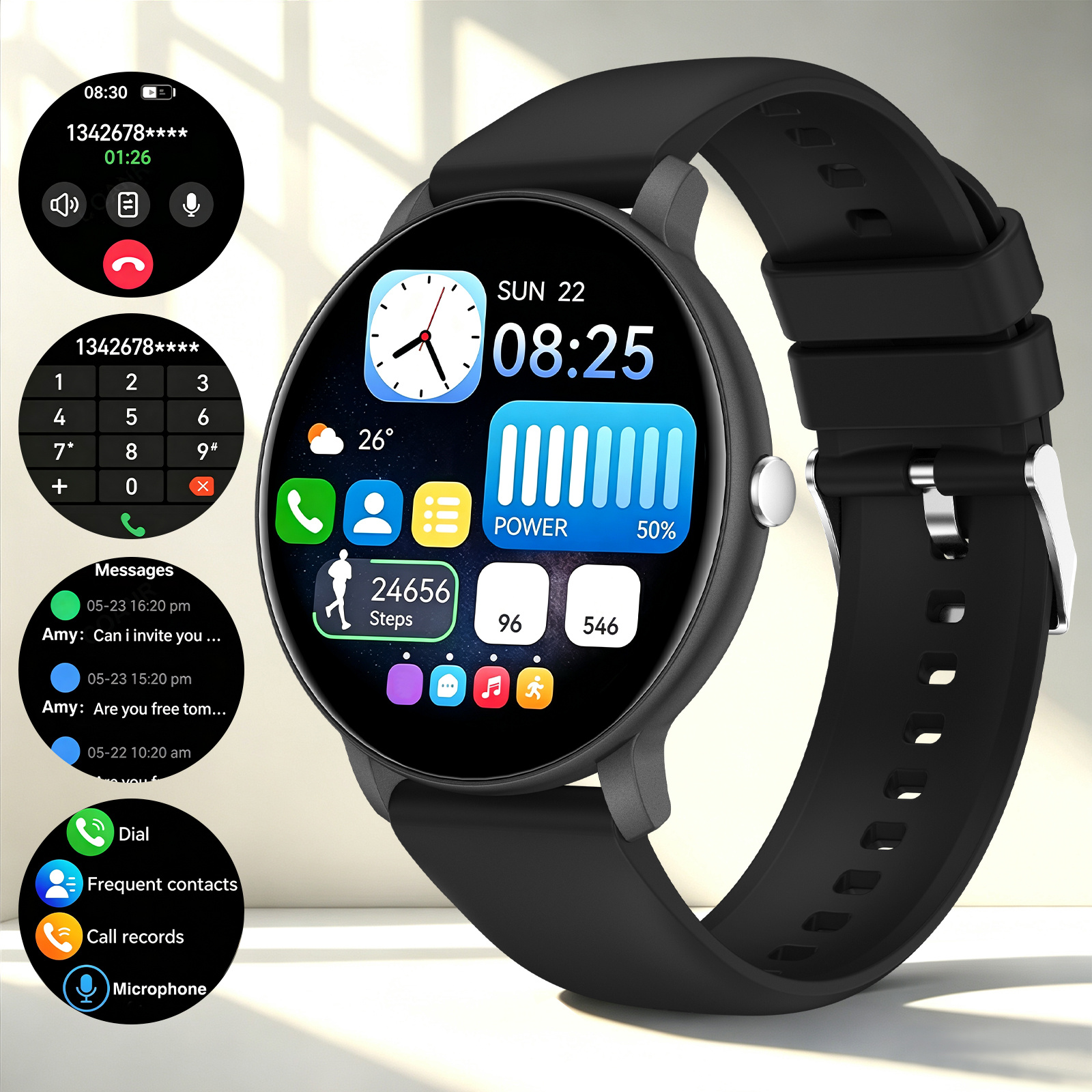
A fitness tracker smartwatch can help you zoom out — tracking activity, sleep, and trends over weeks rather than obsessing over one morning's number.
Plateaus Are Normal — Here's Why They Happen
A plateau — weight unchanged for several weeks despite consistent effort — is one of the most normal things in weight loss, and one of the most misinterpreted. It's not failure. It's physiology.
Common, honest reasons:
- Your body adapted. As you lose weight, your body needs less energy. The same eating and activity that created a deficit at 180 pounds may barely maintain 160. Normal, not broken.
- You're retaining water. New exercise, especially strength training, makes muscles hold water as they repair. The scale stalls while composition quietly improves.
- Portions drifted. Not cheating — just drift. "A handful" gets bigger, weekend eating loosens. Honest tracking for a week often reveals it.
- Sleep and stress shifted. Poor sleep and high stress raise hunger hormones and water retention. A rough month at work can stall the scale.
What to do during a plateau: first, wait. Two to three flat weeks with consistent habits is noise. If it stretches to four-plus weeks, review honestly — tighten tracking for a week, check sleep, add daily movement (see our walking workout guide), or adjust portions slightly. What not to do: slash calories drastically or add punishing workouts.
Why Fast Weight Loss Usually Rebounds
The faster the loss, the more likely the rebound. This isn't willpower — it's biology and behavior working together.
Biology: aggressive restriction triggers your body's defenses. Hunger hormones rise, fullness hormones drop, metabolism adapts downward. You feel hungrier and burn less at rest. When the diet ends — and extreme diets always end — elevated hunger remains while restraint disappears. Regain follows.
Behavior: extreme plans don't teach sustainable habits. You didn't learn to eat normally — you learned to white-knuckle through restriction. When the plan ends, old patterns return, amplified by deprivation.
Muscle: very fast loss often includes significant muscle loss, especially without strength training. Less muscle means lower resting energy burn — making regain easier and future loss harder. Our beginner strength training guide explains how to start preserving muscle safely.
The pattern has a name: weight cycling, or yo-yo dieting. Each cycle tends to end slightly higher than it started, with less muscle and a more discouraged person. The way out isn't a better crash diet — it's refusing the crash entirely. Slow, boring, sustainable beats dramatic every time.
Non-Scale Victories: The Progress That Actually Matters
If the scale is your only scoreboard, you'll miss most of your wins. These matter more than any number — and they usually arrive first:
- Strength: the weights feel lighter, the stairs feel easier, you carry more with less effort
- Energy: less afternoon crashing, more get-up-and-go in the morning
- Sleep: falling asleep faster, waking more rested
- Clothes: fitting better, even when the scale hasn't moved (body recomposition is real)
- Fitness: walking farther, recovering faster, heart rate settling quicker
- Mood and confidence: feeling capable, keeping promises to yourself
- Health markers: blood pressure, blood sugar, cholesterol — the numbers your doctor cares about
- Consistency itself: eight straight weeks of showing up is a victory the scale can't measure
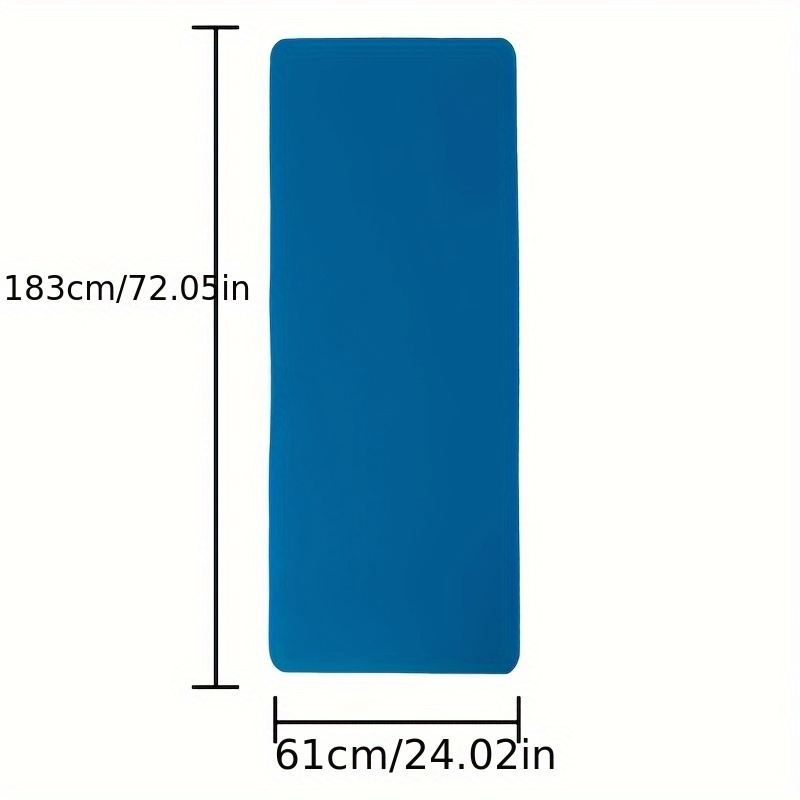
Keep a simple log of two or three of these. On the weeks the scale is cruel, your log reminds you the plan is working. A comfortable home setup helps too — an 8mm non-slip yoga mat for daily stretching, or an extra-thick 10mm mat if your knees prefer more cushioning.
What Realistic Progress Looks Like, Month by Month
Not a promise — a sketch of what many people experience with a sustainable plan:
| Timeframe | What's typical | |---|---| | Weeks 1–2 | A noticeable drop, mostly water and glycogen as eating patterns change. Encouraging but not representative. | | Weeks 3–6 | The real pace establishes itself — slower, steadier. First non-scale victories appear: better sleep, more energy, clothes fitting differently. | | Months 2–3 | First plateau likely. This is where most people quit — and where those who continue separate from those who don't. | | Months 4–6 | The trend is clear on a monthly chart. Habits feel more automatic. Many people report this is when it stops feeling like "a diet" and starts feeling like life. | | Beyond 6 months | Maintenance skills matter more than loss skills. The goal shifts from losing to keeping — a different, equally important phase. |
Notice what's missing: no dramatic transformations, no finish lines. Real change is quiet. That's why it lasts.
The Comparison Trap
Social media shows endpoints, not journeys — the filtered photo, not the two plateaus and the bad month in between. Comparing your middle to someone's highlight reel makes a working plan feel like failure.
Genetics, age, starting weight, hormones (PCOS, thyroid, perimenopause all matter enormously), medications, sleep, stress, dieting history — all shape your rate. None are moral failings. Your only fair comparison is your own trend over time.
When to Talk to a Professional
Most weight management doesn't require medical intervention — but some situations do. Talk to your doctor or a registered dietitian if:
- You've been consistent for months with genuinely no change and can't identify why
- You suspect a hormonal issue (thyroid symptoms, PCOS signs, perimenopause changes)
- You're considering very low-calorie approaches or weight-loss medications
- You have diabetes, heart disease, or other conditions affected by weight and diet changes
- Your relationship with food or your body is becoming distressing — disordered eating patterns deserve professional support, full stop
- You're pregnant, breastfeeding, or planning pregnancy — weight loss is not appropriate without medical guidance
There's no shame in professional help. People working with qualified professionals tend to do better long-term than people going it alone.
Building the Mindset That Lasts
A few mental shifts that separate long-term maintainers from cyclers:
- Think in years, not weeks. "Can I eat like this in five years?" is the only diet test that matters. If the answer is no, the plan is wrong.
- Detach your worth from the scale. It's a data point about your body's mass, not a verdict on your discipline.
- Expect imperfection. Holidays, vacations, stressful months — one off-plan week doesn't erase months of habits, as long as you return. Our home workout motivation guide covers the "never miss twice" rule.
- Celebrate maintenance. Keeping weight off for a year is a bigger achievement than losing it in three months. Almost nobody celebrates it. You should.
FAQ
Q: How fast should I expect to lose weight?
Broad guidance often cites roughly 1–2 pounds per week as a sensible general rate, but that's not a promise for any individual. Your rate depends on starting point, hormones, sleep, stress, and genetics. A slower rate you can sustain always beats a faster rate you can't.
Q: Is it normal for weight loss to stall for weeks?
Completely normal. Two to three flat weeks is noise; four-plus weeks deserves an honest review of tracking, sleep, and activity. Plateaus are physiology, not failure — almost everyone who loses significant weight hits several.
Q: Why do I look better but weigh the same?
Body recomposition: you're losing fat and gaining (or preserving) muscle simultaneously, especially if you're strength training. Muscle is denser than fat. The scale can't see this — your mirror, measurements, and clothes can.
Q: Should I weigh myself every day?
Only if you can treat it as data, not judgment. Average daily weights weekly and ignore single days. If weighing affects your mood or eating, switch to weekly or drop the scale for measurements and photos.
Q: Do waist trainers or sweat belts speed up weight loss?
No. They compress tissue and make you sweat locally — temporary water loss, not fat loss. No device worn around your midsection changes body composition. Our waist trainer guide covers this honestly.
Q: When should I stop trying to lose and switch to maintenance?
When you've reached a weight you can maintain with habits you genuinely enjoy — or when further loss would require restriction you can't sustain. Maintenance isn't "giving up"; it's the actual goal.
Conclusion
Real weight loss is slower than the headlines, messier than the photos, and more worthwhile than either suggests. Expect the jagged line, the plateaus, the weeks of nothing. Measure your strength, energy, sleep, and consistency — the victories the scale can't see. Refuse the crash diets biology always defeats. Give yourself the timeline your body actually needs, not the one an ad invented.
The women who succeed don't have more willpower. They have better expectations — and they stayed in the game long enough for the quiet math of sustainable habits to work. Not by next month. By the steady, unglamorous, completely real months after that.