NEAT is the calories you burn through everyday movement — walking, standing, fidgeting. Learn what NEAT is, why it matters, and easy ways to add more.
NEAT Explained: The Everyday Movement That Adds Up
A workout lasts an hour. Your day lasts twenty-four. NEAT — non-exercise activity thermogenesis — is everything that lives in those other hours: walking to the kitchen, standing while you talk on the phone, taking the stairs, cleaning the house. It's the energy your body burns through ordinary movement that isn't a workout, and for most people it quietly adds up to far more than their exercise sessions ever do.
This guide explains NEAT in plain language, why it matters for energy and weight management, and realistic ways to build more everyday movement into a busy life. No miracle claims — just honest mechanics and ideas that fit real schedules.
This guide contains affiliate links. If you buy through them, VÉLORA may earn a commission at no extra cost to you.
What NEAT Actually Means
Thermogenesis simply means heat production — your body's way of using energy. Non-exercise activity thermogenesis is the energy spent on movement that isn't sleeping, eating, or formal exercise. Researchers who study metabolism consider it one of the biggest variables in daily energy use between people: two women of the same size can burn noticeably different amounts of energy in a day, and the difference is mostly NEAT. One sits for nine hours; the other paces, stands, walks, and fidgets.
Here's the part worth understanding. A brisk 45-minute workout is wonderful for your heart, strength, and mood. But it happens once a day, maybe four or five times a week. NEAT happens all day, every day. Someone who moves gently and often can easily out-move someone who sits all day and does one hard workout.
Be honest about what NEAT is not: it's not a fat-loss miracle, and no amount of fidgeting "melts" anything on its own. Its effect on body composition depends on the whole picture — nutrition, sleep, stress, genetics — and results vary. What NEAT reliably does is keep you out of the all-day-still mode that leaves you stiff, sluggish, and low on energy.
Why Everyday Movement Matters
Think of daily energy use in four buckets:
- Basal metabolic rate (BMR): energy used just to keep you alive — breathing, heartbeat, brain function.
- Thermic effect of food: the small cost of digesting what you eat.
- Exercise activity thermogenesis: planned workouts.
- NEAT: everything else that moves you.
For a desk worker with couch-based evenings, exercise may contribute a modest slice of the day's movement while NEAT shrinks to almost nothing. Flip that — stand part of the day, walk on errands, do your own housework, take an evening stroll — and you can multiply your non-exercise movement without ever adding a gym session.
Long unbroken hours of sitting also carry real costs beyond calories: stiffer joints, poorer circulation, worse blood sugar control after meals, lower energy. Even two minutes of light walking after a meal changes how your body handles it. Our desk stretches guide covers the mobility side of desk-bound days.
Everyday Examples of NEAT
NEAT isn't exotic — you've been doing it your whole life:
- Walking anywhere: to the mailbox, around the store, to a colleague's desk instead of messaging
- Standing: cooking, waiting in line, standing during phone calls
- Climbing stairs instead of the elevator
- Housework: vacuuming, mopping, gardening, tidying
- Playing with kids or pets
- Fidgeting: foot-tapping, shifting in your chair, pacing while thinking
- Carrying groceries, laundry, a child
- Parking farther away or getting off transit a stop early
Fidgeting gets laughed at, but people who fidget genuinely burn more energy through the day than people who sit perfectly still. It's not a fitness plan — it just proves the principle: small movements, repeated hundreds of times, accumulate.
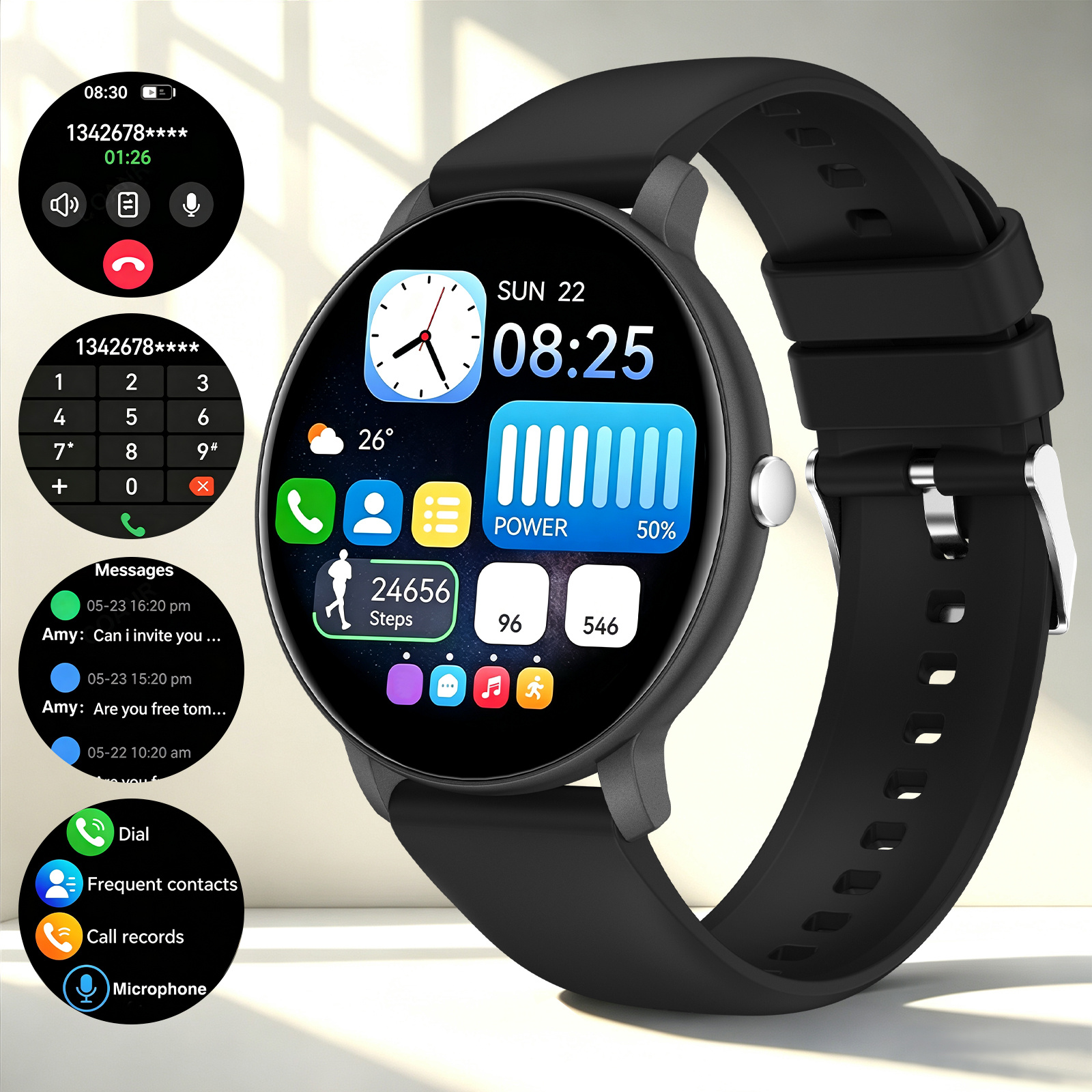
A step tracker opens your eyes to how much you actually move outside workouts. A sports smartwatch with a step counter shows your honest daily total — many women are surprised to find their "active day" was only 3,000 steps. Awareness comes first.
NEAT vs Exercise: How They Fit Together
Can NEAT replace workouts? No — they do different jobs.
| | NEAT | Structured exercise | |---|---|---| | Purpose | Keeps you moving all day; gentle energy use | Builds strength, fitness, bone density | | Intensity | Low — walking pace or less | Moderate to vigorous | | Duration | Spread across the whole day | 20–60 minutes, a few times weekly | | Best for | Countering long sitting; daily energy | Muscle, heart, and bone health |
The two reinforce each other. Strength training — our beginner strength training program is a good starting point — builds the muscle that makes everyday movement easier. NEAT keeps you limber and energized between sessions.
18 Practical Ways to Add More NEAT
Pick three that fit your life, run them for two weeks, then add more. Small, sticky changes beat grand plans.
At the desk
- Stand and walk for 2–5 minutes every hour — set a gentle timer.
- Take phone calls standing or pacing.
- Walk to a colleague instead of messaging, when it fits your workplace.
- Stretch while the kettle boils — shoulder rolls and hip openers take two minutes.
At home
- March in place during TV ad breaks, or pace while you watch.
- Clean one room briskly per day instead of one weekly marathon.
- Take the stairs deliberately a few times a day.
- Dance while you cook or clean — two songs is about seven minutes of movement.
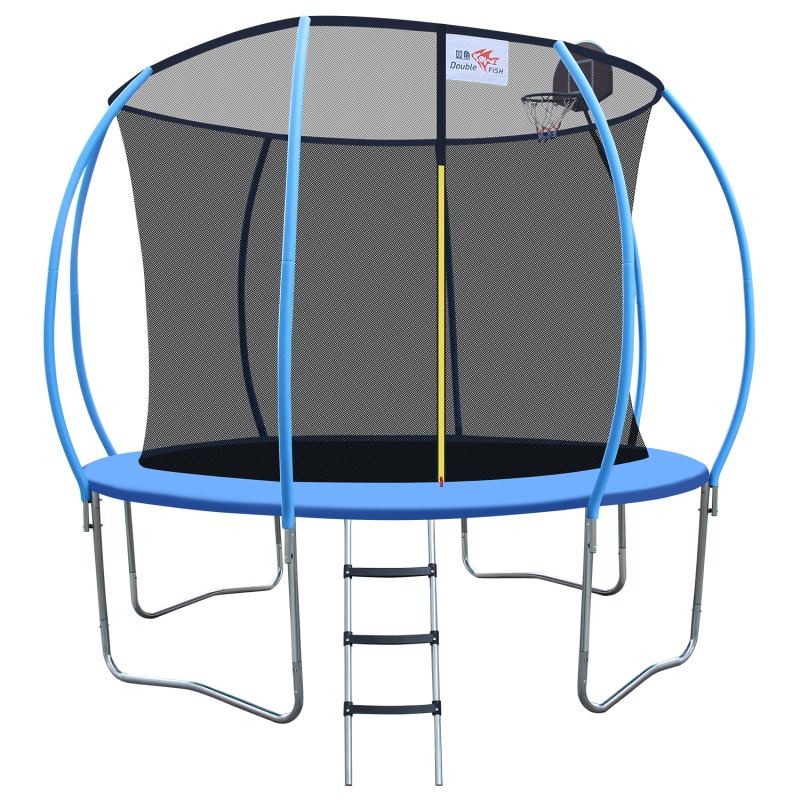
- Rebound a few minutes at a time on a foldable mini trampoline — joyful low-impact NEAT many women genuinely look forward to.
On errands
- Park at the far end of the lot.
- Carry a basket instead of pushing a cart for light shopping.
- Walk one errand instead of driving when practical.
- Get off transit one stop early and walk the rest.
Evenings and weekends
- Take a 10-minute walk after lunch — our walking workout for women shows how to structure one.
- End the day with an evening stroll — it aids digestion and sleep.
- Turn coffee with a friend into a walk.
- Play actively with kids or pets instead of watching them.
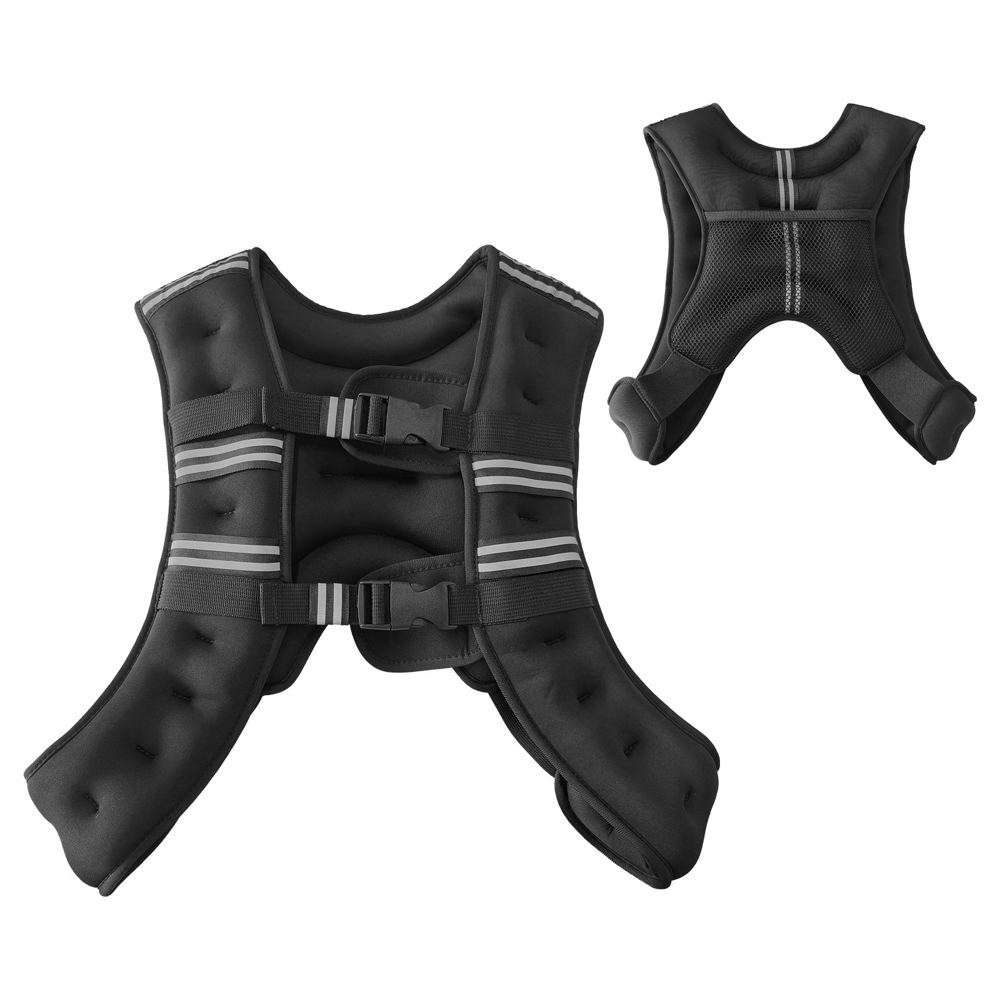
- Wear an adjustable weighted vest for walks to make the same route more demanding — start light and build gradually.

Measuring NEAT Without Obsessing
Steps are the simplest proxy. A commonly cited general target is 7,000–10,000 steps a day — treat it as a rough direction, not a prescription. If you're at 3,000, reaching 5,000 consistently is a genuine win. Progress matters more than any single number.
Other check-ins that work:
- Hourly movement: did you stand and move briefly in most waking hours?
- Evening stiffness: are your hips and back looser than they used to be?
- After-meal energy: do you feel less sluggish after eating?
- Sleep quality: more daytime movement often improves sleep.
Don't let the tracker become a tyrant. One low-step day is not a failure — NEAT is about your weekly pattern, not a perfect daily score.
NEAT and Weight Management: Honest Expectations
NEAT raises daily energy use, and over weeks and months that matters — but it's one input among many, and diet remains the dominant lever. Adding 2,000 daily steps won't override everything else. What NEAT does exceptionally well is sustainability: unlike punishing regimens, walking more and sitting less is something you can keep doing for decades.
Aggressive plans fail because they demand too much change at once. NEAT asks almost nothing — a few minutes here, a staircase there — and compounds silently. Be patient with the scale: body weight fluctuates daily with water, food, and hormones. Judge a NEAT habit over weeks by how you feel and move. Our workout tracking guide explains how to measure real progress beyond the scale.
Common NEAT Mistakes
- Compensating after a workout. You train hard in the morning, then sit motionless for ten hours. A workout doesn't buy you out of the rest of the day.
- All-or-nothing thinking. Skipping a walk because you "don't have 30 minutes," then sitting all evening. Ten minutes beats zero, every time.
- Too much too soon. Jumping from sedentary to 12,000 daily steps can irritate knees, shins, or feet. Add roughly 1,000 steps per week.
- Weighted vest overload. If you add load, start with around 5–10% of your body weight and increase gradually — too much strains joints and kills the habit.
- Comparing counts. A nurse and a remote worker will never match step counts. Compare yourself only to your own baseline.
Safety Notes
- Build walking volume gradually; let your body adapt before pushing higher.
- Wear supportive shoes for longer walks on hard surfaces.
- On a rebounder or mini trampoline, start with short sessions, hold the handle if included, and place it on a flat, stable surface with clearance around it.
- Skip the weighted vest if you have back, knee, or shoulder issues, or check with a professional first.
- New joint pain, dizziness, or chest discomfort during activity are signals to stop — and if they recur, speak with a healthcare professional.
FAQ
Q: What does NEAT stand for?
Non-exercise activity thermogenesis — the energy your body burns through all movement that isn't sleeping, eating, or planned exercise. Walking, standing, housework, fidgeting, and stairs all count.
Q: Can NEAT really make a difference for weight loss?
It can contribute meaningfully over time because it happens every day, but it's not a standalone solution. Diet, sleep, and exercise matter too, and results vary. Think of NEAT as a multiplier on a healthy routine, not a replacement.
Q: How many steps a day should I aim for?
A commonly cited range is 7,000–10,000, but there's nothing magical about those numbers. Start from your current baseline and add gradually — consistent improvement beats any arbitrary target.
Q: Is standing at my desk as good as walking?
Standing burns a bit more than sitting, but walking burns notably more than standing. Both beat sitting all day. If you change one thing, short walks through the day beat standing in place.
Q: How do I track NEAT?
A step counter or smartwatch is easiest. Or track behaviors: hours you stood, stairs climbed, whether you walked after meals. The trend over weeks matters more than any single day.
Conclusion
NEAT is the unglamorous hero of an active life — not the workout you post about, but the thousands of small movements that keep your body humming. You don't need to overhaul your life to raise it. Stand during calls, walk after meals, take the stairs, bounce for fun. Aim for a pattern, not perfection, and let the ordinary minutes do the quiet work they were always meant to do.