"Desk worker stretches to undo a day of sitting: neck, shoulders, hips, and back moves in 10 minutes, at home or beside your desk. No equipment needed."
Desk Worker Stretches: Undo a Day of Sitting in 10 Minutes
Eight hours at a desk does predictable things to a body: the neck creeps forward, the shoulders round, the hip flexors shorten, the glutes switch off, and the lower back complains by evening. None of this means you need a gym membership or an hour of exercise — what the desk-bound body needs most is the opposite of sitting, done consistently: opening the front of the body, waking up the back of the body, and moving the spine through its full range.
This 10-minute routine targets exactly the areas that sitting punishes — neck, shoulders and chest, lower back, and hips. Do it once after work (or on a lunch break), and do it daily. Ten focused minutes counteract far more damage than one heroic weekend workout.
A quick honesty note: stretching cannot fully cancel out eight sedentary hours — regular movement breaks during the day matter too. What this routine reliably delivers is less end-of-day stiffness, looser hips and shoulders, and a body that feels noticeably better by evening. Results vary, and daily consistency is what makes it work.
This guide contains affiliate links. If you buy through them, VÉLORA may earn a commission at no extra cost to you.
What Sitting Does (and What This Routine Undoes)
Prolonged sitting typically creates a pattern: tight hip flexors, weak glutes, a rounded upper back, and forward-head posture. The routine below addresses each link in that chain — hip flexors get lengthened, glutes get activated, the chest gets opened, and the spine gets moved in every direction.
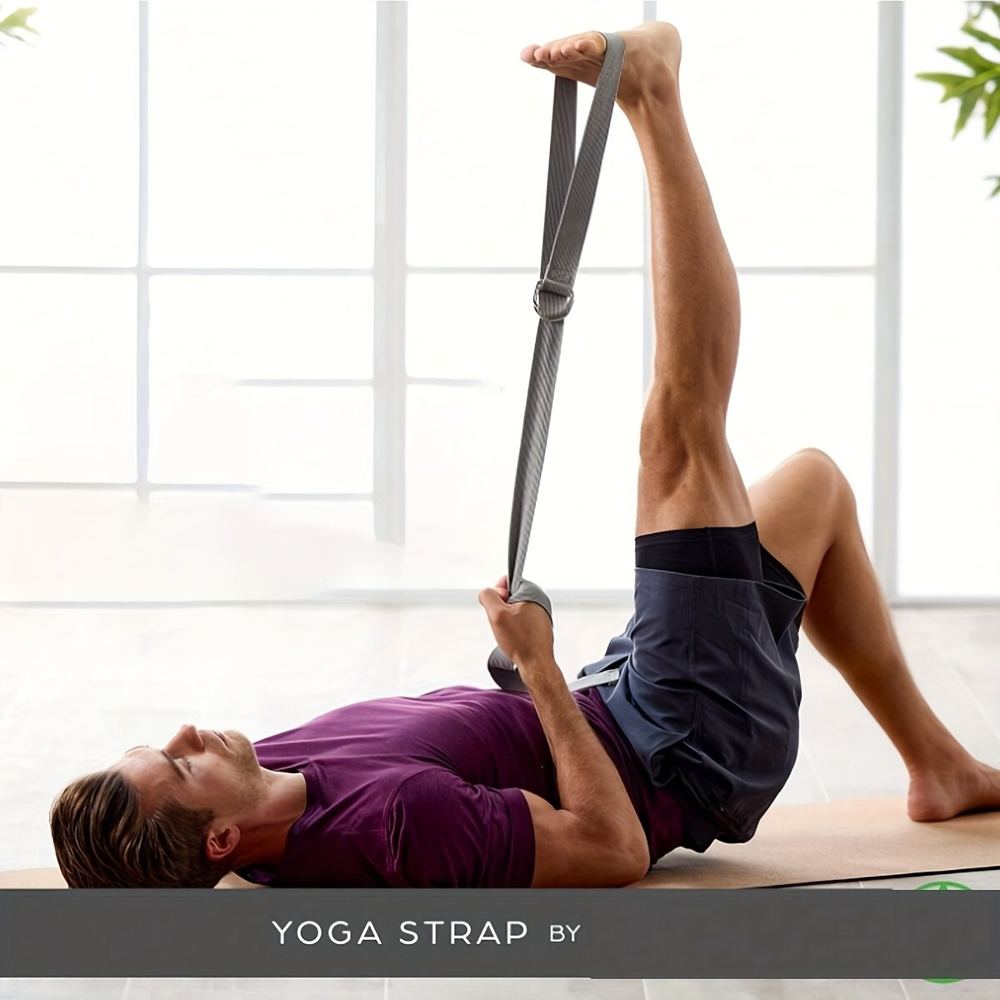
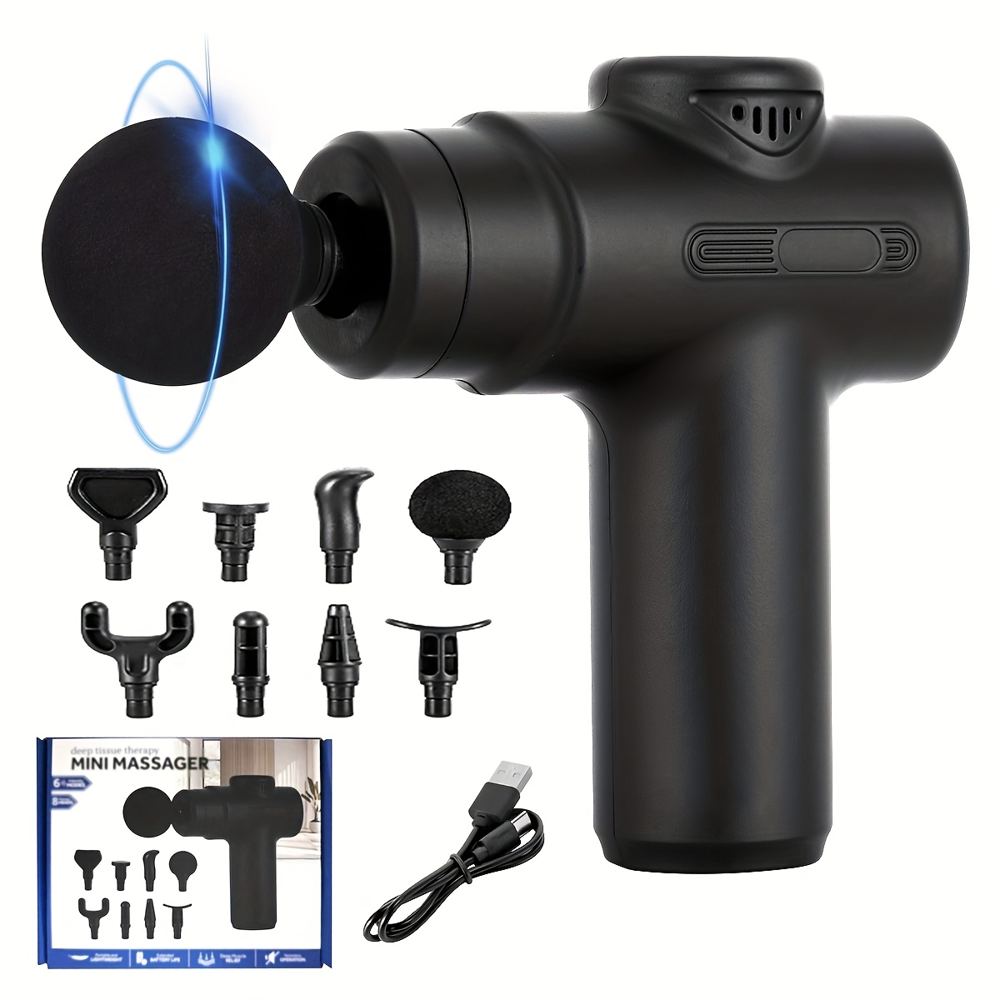
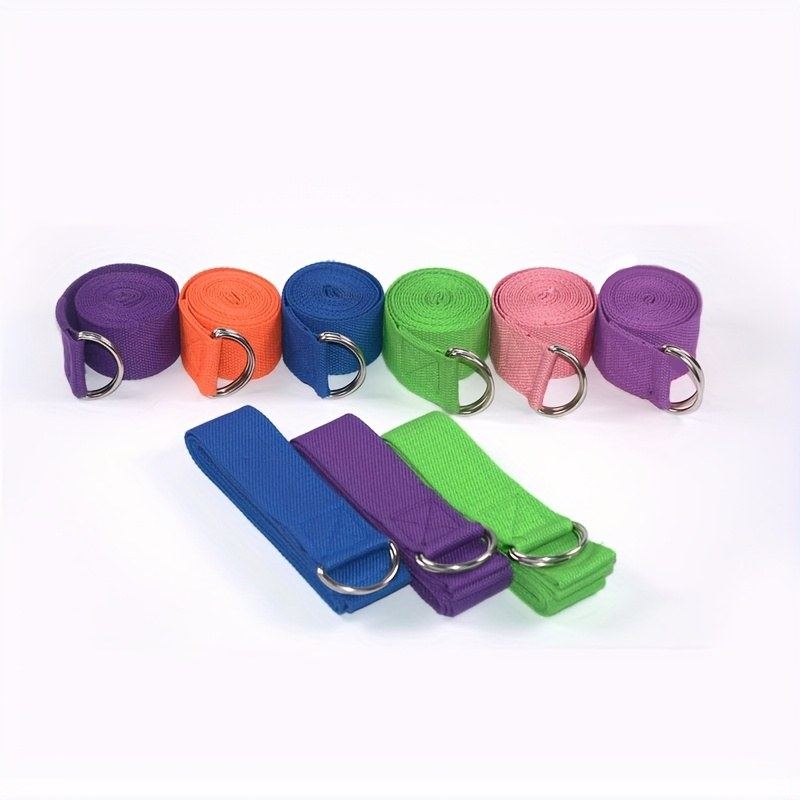
What you need: a little floor space and optionally a chair. If you want to build these stretches into a balanced weekly plan, our women's workout schedule guide shows how. A strap helps with the shoulder opener if yours are very tight — the durable nylon yoga strap works perfectly. After the routine, tight spots in the shoulders and glutes respond well to a minute or two with a portable fascia massage gun on a low setting — keep it on muscle, never on bone, joints, or the neck's front and sides.
The 10-Minute Routine
Work top to bottom. Hold each stretch 30–45 seconds (3–5 slow breaths) per side. Breathe through the nose; exhale as you settle deeper.
Minutes 0–3: Neck and Shoulders
1. Chin tucks. Sit or stand tall. Without tilting the head up or down, draw your chin straight back, making a gentle double chin. Hold 5 seconds, release, repeat 8–10 times. Purpose: directly reverses forward-head posture by strengthening the deep neck flexors — the single most useful exercise for "tech neck." Common mistake: tipping the head back instead of gliding it straight back; think of sliding the head back on a shelf.
2. Ear-to-shoulder stretch. Tilt your right ear toward your right shoulder, keeping the left shoulder down. For a little more, rest your right hand lightly on the left side of your head — no pushing. Hold 4–5 breaths per side. Purpose: releases the upper trapezius, which works overtime stabilizing a forward head all day. Safety: keep the stretch gentle; the neck responds to coaxing, not force.
3. Doorway chest opener. Stand in a doorway, place your forearms on the frame with elbows at shoulder height, and step one foot through until you feel the stretch across your chest and the fronts of your shoulders. Hold 30–45 seconds. Purpose: the antidote to eight hours of hunching — it opens the chest muscles that shorten at a keyboard. Technique tip: squeeze your shoulder blades gently together as you lean in; don't let the shoulders shrug upward.
Minutes 3–5: Upper Back and Spine
4. Thoracic extension over a chair. Sit in a sturdy chair, clasp your hands behind your head, and gently arch your upper back over the chair's backrest, looking slightly upward. Hold 3–5 breaths, repeat 3 times. Purpose: the mid-back stiffens into a rounded position at a desk; this restores its ability to extend. Safety: the movement comes from the upper back only — don't crank the lower back or force the range.
5. Cat-cow (hands on desk or on all fours). Either stand with hands on your desk, knees soft, or come to all fours. Inhale: lift the chest and tailbone, letting the belly drop. Exhale: round the whole spine, tucking chin and tailbone. Move slowly for 6–8 breath cycles. Purpose: moves every spinal segment through flexion and extension after hours of stillness. Breathing: let the breath lead — inhale into the arch, exhale into the round.
6. Seated spinal twist. Sit tall in your chair, feet flat. Place your right hand on your left knee and your left hand on the chair behind you. Inhale to lengthen the spine, exhale to rotate gently left. Hold 4–5 breaths per side. Purpose: the mid-back barely rotates during desk work; gentle twists keep it mobile. Common mistake: yanking into the twist — rotate only as far as the exhale naturally takes you.
Minutes 5–8: Hips and Glutes
This is the section desk workers need most. The hip flexors adapt to the seated position within weeks; these stretches reverse that adaptation.
7. Standing hip flexor stretch. Stand in a staggered stance, right foot forward, left foot back about two feet, and lower into a gentle lunge position (no need to touch the floor). Tuck the tailbone slightly and shift your weight forward until you feel the stretch at the front of the left hip. Hold 40–60 seconds per side — hip flexors release slowly. Purpose: lengthens the iliopsoas, the primary muscle shortened by sitting. Common mistake: arching the lower back to feel more stretch — the tuck is what targets the right muscle. Beginner modification: hold a wall or chair for balance.
8. Figure-four glute stretch (seated). Sit in a sturdy chair, cross your right ankle over your left knee, sit tall, and hinge forward gently at the hips until you feel the stretch deep in the right glute. Hold 40–60 seconds per side. Purpose: sitting compresses and deactivates the glutes; this releases the outer hip and piriformis area that gets cranky from chair pressure. Technique tip: keep the back flat as you hinge — rounding the spine shifts the stretch away from the glute.
9. Glute bridges. Lie on your back, knees bent, feet flat and hip-width apart. Press through your heels and lift your hips, squeezing the glutes hard at the top for 2 seconds. Lower slowly. Do 2 sets of 10–15. Purpose: activation, not just stretching — bridges wake up glutes that have been switched off all day, which takes load off the lower back. Breathing: exhale as you lift. Beginner modification: start with 8 reps and build up; keep the range comfortable.
Minutes 8–10: Hamstrings, Calves, and Finish
10. Standing hamstring stretch. Place your right heel on a low step or sturdy chair seat, leg straight but knee soft, toes pointing up. Hinge forward at the hips with a flat back until you feel the stretch behind the thigh. Hold 30–40 seconds per side. Purpose: hamstrings adapt to the shortened seated position; this restores their length. Common mistake: rounding the back to reach further — hinge from the hips and keep the spine long.
11. Wall calf stretch. Face a wall, step the right foot back, press the heel down with the back leg straight, and lean in. Hold 30–40 seconds per side. Purpose: calves tighten from sitting with feet tucked back or in heels; loose calves make walking feel easier immediately.
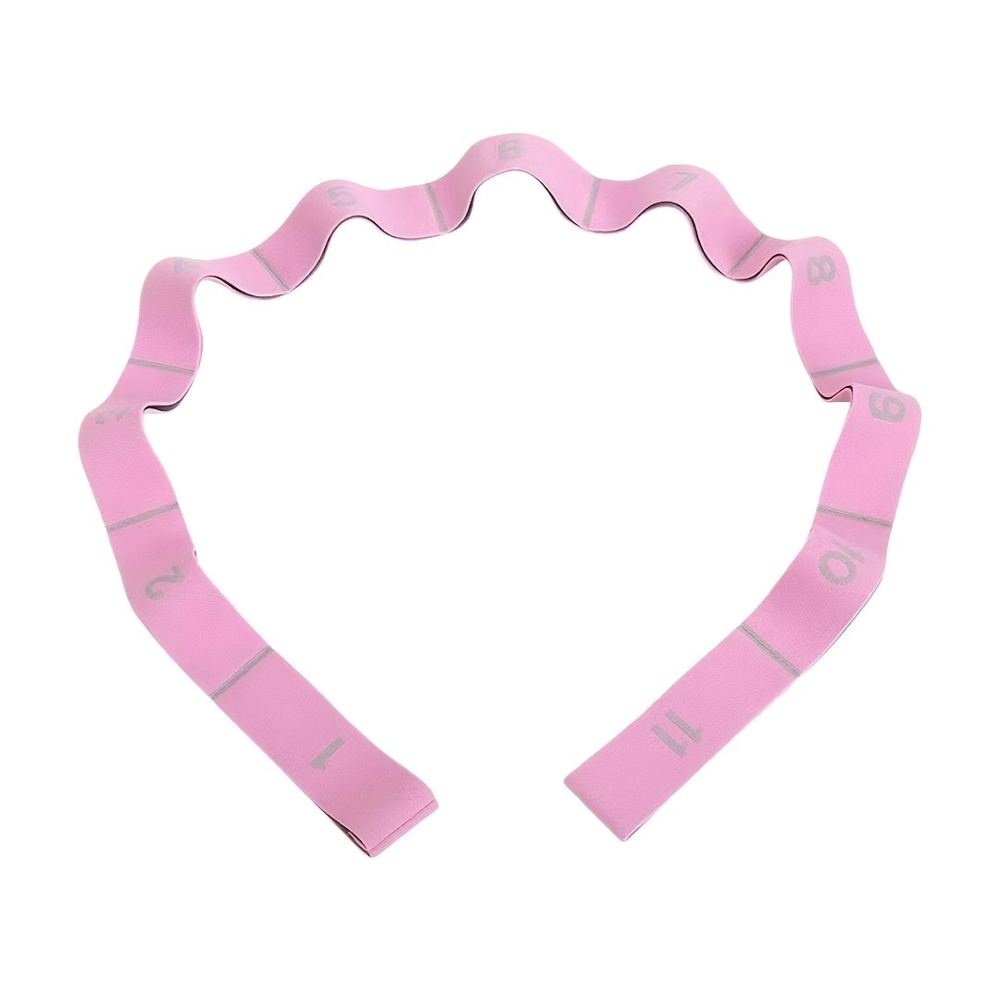
12. Band pull-aparts (posture finisher). Hold a light resistance band (or a towel) in front of you at shoulder height, arms straight. Pull the band apart by squeezing your shoulder blades together, then return slowly. Do 2 sets of 12–15. A 3-pack of yoga resistance bands gives you light-to-medium options — start with the lightest. Purpose: strengthens the mid-back muscles that hold you upright, directly countering the desk hunch.
The 10 Minutes at a Glance
| Time | Area | Moves | | --- | --- | --- | | 0–3 min | Neck & shoulders | Chin tucks, ear-to-shoulder stretch, doorway chest opener | | 3–5 min | Upper back & spine | Chair extension, cat-cow, seated twist | | 5–8 min | Hips & glutes | Hip flexor stretch, figure-four, glute bridges | | 8–10 min | Legs & posture | Hamstring stretch, calf stretch, band pull-aparts |
During the Workday: Micro-Breaks That Multiply the Effect
The evening routine works best alongside tiny daytime habits:
- Stand and walk every 45–60 minutes. Even two minutes of walking resets the tissues that stiffen while sitting.
- Chin tucks and shoulder blade squeezes at your desk. Ten reps of each, twice a day, takes two minutes and directly fights the hunch.
None of these replace the full routine, but they stop stiffness from accumulating all day so the evening session starts from a better place.
Common Mistakes
- Only stretching the painful spot. Neck pain from desk work often originates in the mid-back and chest — this routine addresses the whole chain. Don't skip the hip section because "it's my neck that hurts."
- Stretching aggressively after sitting all day. Cold, stiff tissues need gentle coaxing first. The first round of each stretch should be easy; depth comes on the second breath cycle, not the first second.
- Holding your breath. Desk workers are chronic breath-holders — watch for it especially in the chest opener and twists.
- Skipping the strengthening moves. The glute bridges and band pull-aparts are not optional extras; weak glutes and mid-back muscles are half the desk problem. Stretching without strengthening is an incomplete fix.
- Doing it once and judging. One session loosens you up for an evening. The real payoff — waking up less stiff, sitting more comfortably — builds over weeks of daily practice.
Safety Notes
These are gentle stretches and activation exercises, safe for most people. Keep everything pain-free: mild pulling sensations are fine; sharp, shooting, or joint pain is a stop signal. If you have a herniated disc, keep the seated twist and hamstring stretch modest with a neutral spine. Never use a massage gun on the front or sides of the neck, on the spine directly, or over varicose veins. Persistent numbness, tingling down the arms, or back pain that doesn't ease with movement warrants a professional assessment.
FAQ
Q: Can 10 minutes really undo 8 hours of sitting?
"Undo" is strong — think "counterbalance." Ten focused minutes daily addresses the specific tightness and weakness patterns that sitting creates, and over weeks that adds up to genuinely less stiffness and better movement. It works best combined with getting up briefly during the day. No stretch routine can fully replace regular movement, and anyone promising that is overselling.
Q: When's the best time to do desk stretches — during work or after?
Both have value. Micro-breaks during work prevent stiffness from building up; the full 10-minute routine after work systematically addresses everything. If you only have one slot, do the full routine in the evening when muscles are warmest. Morning sessions work too — our low-impact workouts for women guide includes gentle morning options that pair well with this one.
Q: My lower back aches every evening after work. Will this help?
Quite possibly — evening lower-back ache in desk workers commonly comes from tight hip flexors and sleepy glutes forcing the back to do their work. The hip flexor stretch, figure-four, and glute bridges in this routine target exactly that pattern. But if the ache is sharp, radiates down a leg, or persists for weeks, see a physiotherapist — some back pain needs diagnosis, not stretching.
Q: Do I need any equipment?
No — the entire routine works with bodyweight, a chair, and a doorway. A strap helps if your shoulders are very tight for the chest opener, and a light resistance band makes the pull-apart finisher more effective, but a towel substitutes for both. Start with nothing and add props only if you enjoy the routine enough to keep it.
The Bottom Line
Sitting shapes the body into a predictable pattern — forward head, rounded shoulders, tight hip flexors, sleepy glutes — and this 10-minute routine systematically reverses each part of it: chin tucks and chest openers up top, spinal mobility in the middle, hip flexor stretches and glute activation below, finished with hamstring, calf, and posture work. Do it daily after work, add micro-breaks during the day, and give it a few weeks. Your evenings will feel noticeably different.