A gentle core routine for a sensitive back: floor-friendly exercises, pain-avoidance cues, safe sets and reps, and clear warning signs of when to stop.
Low-Impact Core Workout for a Sensitive Back: Gentle and Effective
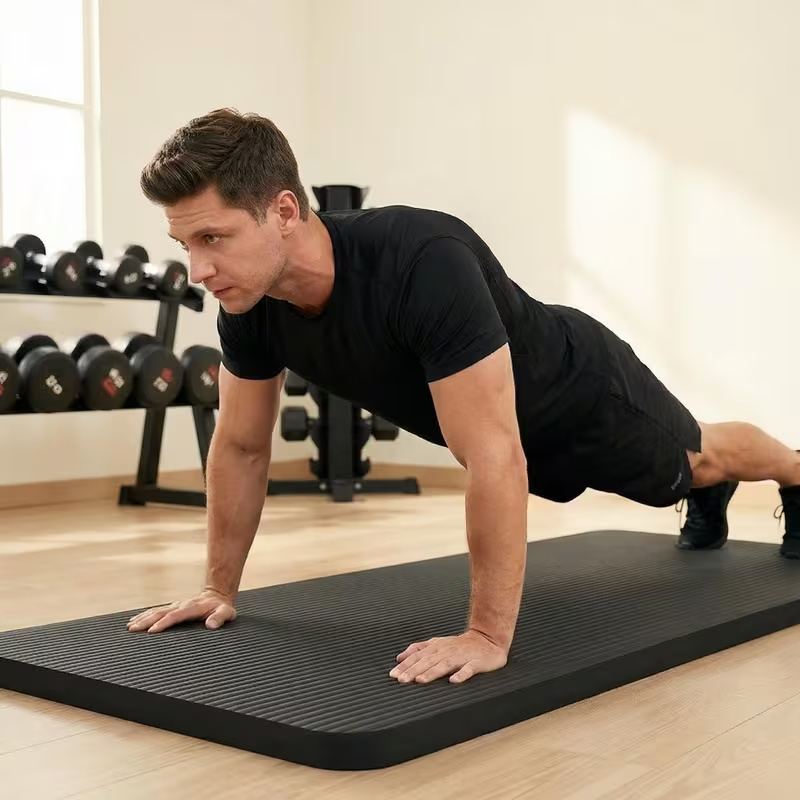
Your core and your back are a team — and when your back feels sensitive, the instinct is often to avoid core work entirely. That instinct can backfire: a weak, deconditioned core offers less support to your spine over time. The real question is not whether to train your core, but how — gently, with movements that never force your spine into painful positions.
This guide contains affiliate links. If you buy through them, VÉLORA may earn a commission at no extra cost to you.
Why Sit-Ups and Crunches Are Out
Classic crunches repeatedly flex the spine under load. For a healthy back, that is merely inefficient; for a sensitive one, it can provoke pain, stiffness, or a protective spasm that sets you back days. The exercises below take a different approach — your spine stays in its comfortable neutral position while your deep core muscles (transverse abdominis, obliques, pelvic floor, diaphragm) learn to stabilize it. This is the same philosophy physical therapists use when rehabilitating back injuries, just scaled to a home routine.
What You Need
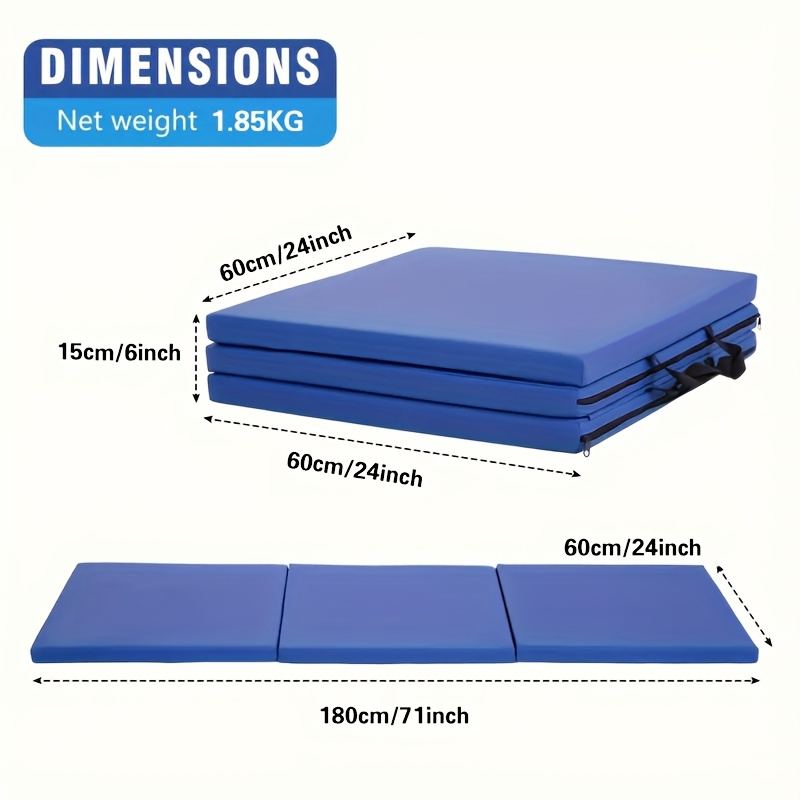
Golden Rules for a Sensitive Back
- Pain is the limit, not the goal. Mild muscular effort is fine. Anything sharp, shooting, or radiating — stop that exercise immediately.
- Keep your spine neutral. Imagine a straight line through your spine in every position; never force it into arching or rounding.
- Brace, don't suck in. A gentle brace — like preparing for a light tap on the stomach — engages the deep core.
- Move slowly. Every exercise here is done at half the speed you think is normal.
- Stop if pain sharpens or radiates. Pain traveling down a leg, intensifying suddenly, or coming with numbness or tingling — stop the session and consider seeing a professional.
The 7 Exercises
Do these in order — they progress from awareness to gentle challenge.
1. Diaphragmatic Breathing with Core Engagement
Purpose: Wakes up the deep core and pelvic floor — the foundation everything else builds on. Do this one even if you do nothing else.
Starting position: Lie on your back, knees bent, feet flat. Place one hand on your chest and one on your belly.
Technique: Inhale slowly through your nose, letting the belly hand rise while the chest hand stays nearly still. On the exhale through pursed lips, feel your belly gently draw inward — as if your lower stomach were lifting slightly toward your spine. That subtle drawing-in on the exhale IS the engagement. Repeat for 8–12 slow breaths, 2–3 sets.
Beginner modification: Do it seated in a chair if lying down feels uncomfortable.
Common mistakes: Forcing the belly out, tensing the shoulders, and rushing the breath.
2. Dead Bug (Short Range)
Purpose: Trains your deep core to stabilize the spine while your limbs move — exactly what your back needs you to be able to do in daily life.
Starting position: Lie on your back, arms reaching toward the ceiling, knees bent at 90 degrees, lower back pressed gently into the mat (not flat-out forced — just a soft connection).
Technique: Exhale, brace lightly, and slowly lower one heel toward the floor while the opposite arm reaches back overhead — only as far as you can WITHOUT your lower back lifting off the mat. Return to center and switch. Start with 4–8 reps per side for 2 sets.
Beginner modification: Move only the arms, or only the legs, until the coordination feels natural.
Common mistakes: Letting the back arch (shrink the range), holding the breath, and speeding up.
3. Bird-Dog (Supported)
Purpose: Gentle spinal stabilizer work on all fours — strengthens the back's supporting muscles without loading the spine.
Starting position: On all fours — wrists under shoulders, knees under hips, back flat like a tabletop, neck long.
Technique: Exhale and slowly extend one arm forward and the opposite leg back — only to body height, no higher. Your hips should stay level, like a tray balanced on your back. Hold one to two seconds, lower slowly, and switch. Start with 5–8 reps per side for 2 sets.
Beginner modification: Extend just the arm, or just the leg. You can also brace one hand on a chair edge in front of you for balance.
Common mistakes: Lifting too high (arches the lower back), rocking the hips, and dropping the head.
4. Glute Bridge (Gentle Range)
Purpose: Activates the glutes — weak glutes force the lower back to overwork, so this is quietly one of the best exercises for back comfort.
Starting position: Lie on your back, knees bent, feet flat and hip-width apart, arms resting at your sides.
Technique: Exhale, gently brace, and press through your heels to lift your hips — only as high as you can go while keeping your ribs down and lower back long. A smaller lift with a good squeeze beats a big lift that arches your back. Pause one to two seconds, lower slowly. Start with 8–12 reps for 2–3 sets.
Beginner modification: Lift only a few inches. Even a small bridge works the glutes if you squeeze deliberately.
Common mistakes: Overarching at the top (the number-one back aggravator), pushing through the toes instead of the heels, and dropping down fast.
5. Wall Plank
Purpose: Core endurance without any floor loading — ideal on days when lying down feels like too much.
Starting position: Stand arm's length from a wall, hands flat on the wall at shoulder height, feet slightly back so your body leans in a straight line.
Technique: Step one foot back and gently brace your core as if someone might lightly press your stomach. Hold 15–30 seconds for 2–3 sets, breathing steadily throughout.
Beginner modification: Stand closer to the wall to reduce the angle; progress by stepping farther back over sessions.
Common mistakes: Holding the breath, letting the hips push back (keep the straight line), and shrugging the shoulders.
6. Standing Side March (Supported)
Purpose: Trains the obliques and hip stabilizers standing up — very back-friendly because the spine stays vertical and unloaded.
Starting position: Stand tall beside a wall or sturdy chair for fingertip support, feet hip-width apart.
Technique: Gently brace your core and slowly lift one knee toward hip height (or lower — whatever is comfortable), pause, and lower with control. Alternate sides for 8–12 reps per leg, 2 sets.
Beginner modification: Keep a full hand on the chair and lift the knee only a few inches. Range grows with comfort.
Common mistakes: Leaning away from the lifted knee and rushing. Think tall and slow.
7. Side-Lying Hip Abduction
Purpose: Strengthens the gluteus medius, the outer-hip muscle that stabilizes your pelvis when you walk — weak hips are a common hidden contributor to back sensitivity.
Starting position: Lie on your side on the mat, bottom arm under your head, top hand resting on the floor in front of your chest for balance, legs extended and stacked.
Technique: Keeping the top leg straight and toes pointing forward (not up), slowly lift it about 30–45 degrees — no higher. Pause, lower slowly. Start with 8–12 reps per side for 2 sets.
Beginner modification: Bend both knees and do a small clamshell-style lift instead.
Common mistakes: Rolling the hips back, lifting too high, and swinging with momentum.
Prefer vs. Avoid for a Sensitive Back
| Prefer (gentle) | Avoid for now | Why | |---|---|---| | Dead bug, short range | Full sit-ups and crunches | Repeated spinal flexion under load provokes sensitive backs | | Bird-dog | Russian twists with weight | Loaded rotation stresses spinal discs | | Glute bridge, gentle range | Toe touches / standing forward folds with straight legs | Deep loaded flexion can aggravate disc-related pain | | Wall plank | Full floor plank (at first) | Full planks load the spine heavily before bracing strength exists | | Standing side march | Side bends holding heavy dumbbells | Loaded lateral flexion compresses one side of the spine | | Side-lying hip abduction | Superman back extensions | Forced hyperextension can irritate the facet joints |
A Sample Week
- Monday: Exercises 1, 2, 3 — two rounds each, moving slowly.
- Wednesday: Exercises 1, 4, 5 — two rounds each.
- Friday: Exercises 1, 6, 7 — two rounds each.
- Always start with the breathing exercise (No. 1) — it primes the deep core for everything after.
After two to three comfortable weeks, you can lengthen holds or add a rep or two per exercise. For a broader gentle program, see our Low-Impact Workouts for Women and Back Exercises for Women.
Safety Notes
- Stop if pain sharpens or radiates. Pain that travels down a leg, intensifies suddenly, or comes with numbness, tingling, or weakness is your signal to stop and seek professional guidance.
- This guide cannot diagnose your condition. Persistent pain, pain that wakes you at night, pain after a fall or accident, or back pain with fever or unexplained weight loss deserves a medical visit promptly.
- If you are pregnant or recently postpartum, some of these positions (especially lying flat for long periods late in pregnancy) need modification — check our Exercise During Pregnancy Safety guide and get provider clearance first.
FAQ
Q: Is it safe to exercise my core with a bad back?
Generally, gentle core work is not only safe but beneficial — a stronger core supports your spine better. The key is choosing back-friendly movements (like these) instead of spine-loading ones (like sit-ups), moving slowly, and stopping if anything causes sharp or radiating pain.
Q: How long should this routine take?
About 10–15 minutes once you know the exercises. On your first few sessions, allow 20 minutes while you learn the positions. There is no prize for speed here — slowness is the feature.
Q: Can core exercises fix back pain?
Core exercises can reduce discomfort and improve function for many people, but they are not a guaranteed cure — back pain has many causes, and results vary. Think of this routine as supportive conditioning, not treatment. Persistent pain deserves professional evaluation.
Q: What if an exercise causes a little discomfort?
Mild muscular effort is normal and expected. But discomfort that feels like your back pain (sharp, deep, or radiating) is different — modify to a smaller range or skip that exercise for now. You can revisit it in a week or two as things improve.
Q: Should I stretch my back too?
Gentle movement like slow knee-to-chest pulls or child's pose can feel relieving for some people, but aggressive stretching — especially deep forward bends or forceful twists — can irritate a sensitive back. Keep stretches gentle and pain-free.
The Bottom Line
A sensitive back does not mean a weak core is inevitable — it means your core work needs to be smarter. Neutral spine, slow movement, gentle bracing, and honest respect for pain signals: those four principles turn a cautious routine into a genuinely effective one. Start small, stay consistent two to three times a week, and let comfort — not ambition — set the pace.
