Rest days aren't laziness — they're when your body rebuilds. Learn how many rest days suit your training level, plus rest vs. active recovery.
How Many Rest Days Do You Actually Need?
Rest days have a PR problem. In a culture that celebrates streaks, daily check-ins, and "no days off," taking a day away from training can feel like falling behind. So people skip rest, train through fatigue, and then wonder why their progress stalls, their motivation craters, and everything aches.
Here's the truth that experienced exercisers learn eventually: rest isn't the absence of training — it's part of training. Your muscles don't get stronger during the workout; they get stronger during the recovery after the workout. The exercise is the stimulus; the rest is when your body actually does the rebuilding. This guide breaks down how many rest days make sense for your level, the difference between full rest and active recovery, the signs you're not resting enough, and what to actually do on rest days.
This guide contains affiliate links. If you buy through them, VÉLORA may earn a commission at no extra cost to you.
Rest vs. Active Recovery: What's the Difference?
These terms get used interchangeably, but they mean different things — and you probably want both in your week.
- Full rest days mean no structured exercise. You still live your life — walk to the shops, play with your kids, take the stairs — but there's no workout, no "session." These are the deep-recovery days your body uses for its biggest repair work.
- Active recovery days mean easy, enjoyable movement at low intensity: a gentle walk, easy cycling, light swimming, relaxed yoga, or easy mobility work. The effort should feel like a 3 or 4 out of 10 — you could hold a conversation easily the whole time. Active recovery increases blood flow to tired muscles without adding meaningful training stress.
Most well-designed weeks include both. A common pattern: 1–2 full rest days plus 1–2 active recovery days, with the remaining days for real training. But the right mix depends on where you are — which brings us to the ranges.
How Many Rest Days by Training Level
There is no single correct number — anyone who gives you one is oversimplifying. What follows are sensible ranges, not prescriptions. Your ideal sits somewhere inside these ranges depending on your age, sleep, stress, nutrition, and how hard your training days actually are.
| Training level | Training days/week | Rest approach | |---|---|---| | Complete beginner (first 1–3 months) | 2–3 | 2–3 full rest days + 1–2 active recovery days | | Regular exerciser (3–6 months in) | 3–4 | 1–2 full rest days + 1–2 active recovery days | | Consistent intermediate (6+ months) | 4–5 | 1–2 full rest days + 1 active recovery day | | Advanced / high-volume trainer | 5–6 | 1 full rest day minimum + easy days built into the program |
A few important notes on this table:
- Beginners need more rest, not less. New exercisers create more muscle disruption per session (everything is novel) and recover more slowly. Two to three quality training days with real rest between them will build more fitness than five exhausted half-efforts.
- "Training days" means genuinely challenging days. If four of your six "workouts" are easy walks, your rest needs differ from someone doing four heavy lifting sessions. Count intensity, not just calendar entries.
- One full rest day per week is a sensible minimum for almost everyone. Even advanced trainers typically keep at least one day with no structured exercise. Bodies — and minds — need a true off switch.
- Results vary. Two people on identical programs can need different recovery. Age, sleep quality, work stress, and even menstrual cycle phases all shift your recovery needs week to week.
If you're training your core specifically, our guide on how often to train abs covers the recovery logic for smaller muscle groups in more detail.
Signs You Need More Rest
Your body sends invoices for under-recovery. They're easy to miss if you're used to pushing through everything, so learn to recognize them:
Physical signs:
- Soreness that never fully clears between sessions — you're starting each workout still achy from the last
- Performance dropping: weights feel heavier, runs feel harder, at the same effort
- Nagging aches in joints or tendons that linger for weeks
- Getting sick more often than usual
- Resting heart rate trending upward over several mornings (a fitness tracker makes this visible — the 1.83-inch HD sports smartwatch logs resting heart rate trends so you can spot the pattern)
Mental and lifestyle signs:
- Dreading workouts you used to enjoy
- Irritability or low mood that tracks with your training load
- Trouble falling asleep or restless sleep despite being tired
- Feeling "wired but tired" — exhausted yet unable to relax
One or two of these after a hard week is normal. A cluster of them lasting two or more weeks is your body asking — firmly — for more recovery. For the bigger picture on training smarter with sore joints and low energy, see our low-impact workout plan for beginners.
What to Actually Do on Rest Days

Rest days fail when they become either guilt-ridden couch marathons or "secret workout" days. Aim for the middle: genuinely restorative, lightly active, enjoyable.
Good rest-day activities:
- Walk. A 20–40 minute easy walk is the king of active recovery. No gear, no intensity, just movement and fresh air.
- Gentle stretching or mobility. Ten unhurried minutes on the floor. No forcing, no pain — just exploring comfortable ranges.
- Easy yoga or tai chi. Flowing, breath-led movement at low effort.
- Light cycling or swimming. Keep it conversational; if you're breathing hard, it's not recovery.
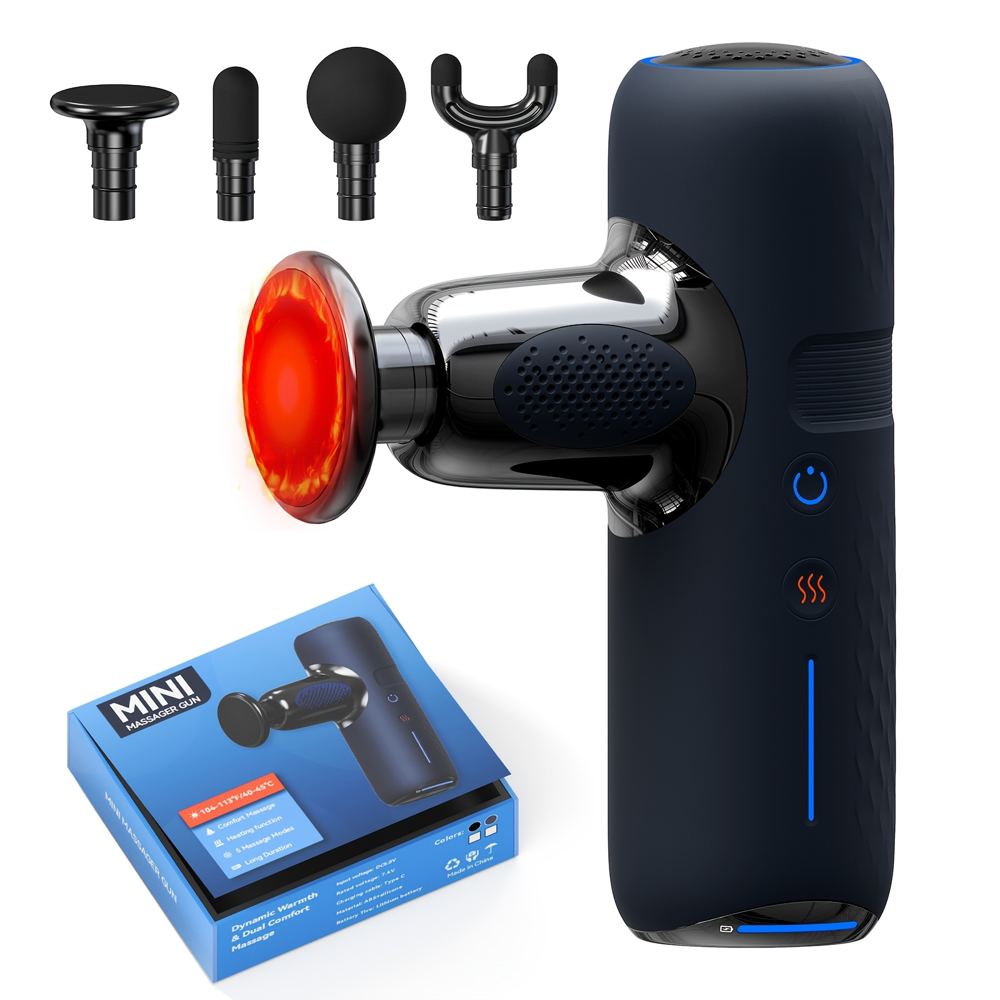
- Self-massage. A rest day is the perfect time for unhurried muscle care. A mini massage gun with heating function used gently on worked muscles — 30–60 seconds per area at a low setting — can ease residual tightness. For tired feet after a week of training, a plantar fascia foot massager rolling trainer feels wonderful: roll each foot over it for a few minutes while you watch TV.
Good rest-day habits (non-exercise):
- Sleep like it's your job. Because for recovery, it is. Rest days don't compensate for chronic short sleep — but good sleep multiplies what rest days do. Our exercise and sleep guide covers the interaction in depth.
- Eat enough. Under-fueling is one of the most common hidden causes of poor recovery. Rest days are not "eat less because you didn't train" days — your body is doing its heaviest repair work.
- Hydrate normally. No need for anything fancy; just don't run dry.
- Do something you enjoy. Recovery is partly mental. A rest day spent doing something genuinely pleasant beats one spent anxiously watching fitness content.
For a full menu of low-effort movement ideas, browse our active rest day ideas.
The Deload Concept, in Plain Language
Even with good weekly rest, training stress accumulates over months. A deload is a planned easy week — typically every 4–8 weeks — where you deliberately cut your training volume roughly in half (lighter weights, fewer sets, shorter sessions) while keeping the movements familiar.
Think of it as scheduled maintenance. You wouldn't drive a car for a year without servicing it; a deload is the service interval for your training. Signs you might be due for one: progress has stalled for a couple of weeks, everything feels heavier than it should, motivation is flat, or small aches are multiplying.
A deload isn't a week off — it's a week easy. You still move, you still practice your lifts or runs, but at an effort that feels almost too light. Most people come back the following week feeling noticeably fresher and often hit new bests. That's not a coincidence; that's recovery doing its job.
Common Rest-Day Mistakes
- Treating rest as optional. "I'll rest when I need it" usually means never. Schedule rest days the way you schedule workouts.
- Turning rest days into workouts. A "light" session that leaves you breathing hard and sore isn't recovery — it's just more training wearing a disguise.
- Resting completely for weeks after every hard session. There's a middle ground between no rest and total inactivity. Extended complete inactivity leads to stiffness and detraining; gentle movement preserves what you've built.
- Ignoring life stress. A brutal week at work, poor sleep, or emotional stress all draw from the same recovery budget as training. During high-stress life periods, you need more rest days, not fewer — your body doesn't itemize where the stress came from.
- Comparing your rest needs to someone else's. The influencer training six days a week may be twenty years younger, sleeping nine hours, and eating twice as much as you. Your recovery needs are yours alone.
Safety Notes
- Persistent fatigue, pain, or performance decline lasting several weeks despite added rest deserves professional attention — a doctor or physiotherapist, not just more days off.
- If you feel dizzy, faint, or experience chest pain during or after exercise, seek medical care promptly.
- Rest and recovery guidance here is general. If you have a medical condition, are pregnant or postpartum, or are returning from injury, follow your provider's specific recommendations on training frequency and rest.

FAQ
Q: Is it okay to take two rest days in a row?
Absolutely. Back-to-back rest days are completely fine and often ideal — many people rest on weekends, for example. Your body doesn't care about the calendar arrangement; it cares about the overall balance of stress and recovery across the week.
Q: Will I lose fitness if I rest too much?
Not from normal rest. It takes roughly 2–3 weeks of complete inactivity before meaningful detraining sets in. A few rest days per week don't cost you fitness — they protect the fitness you're building.
Q: Should beginners rest more than experienced exercisers?
Generally yes. New exercisers experience more muscle disruption from each session and adapt to recovery demands over time. If you're in your first few months, 2–3 full rest days per week is sensible. As consistency builds, many people naturally handle slightly higher frequencies.
Q: What's the difference between a rest day and a deload week?
A rest day is a single day with no (or very easy) training. A deload is a planned easy week — usually every 4–8 weeks — where you cut training volume roughly in half while staying active.
Q: Can I do yoga on a rest day?
Yes — gentle, easy yoga is one of the best active-recovery choices. The key word is gentle: a slow, breath-led flow or restorative session. A heated power-yoga class that leaves you drenched and sore is a workout, not recovery, regardless of what it's called.
Q: How do I know if I'm resting enough?
The simplest test: are you generally recovered before your next hard session? If soreness clears, energy returns, performance is stable or improving, and you look forward to training, your rest is sufficient. If you're perpetually achy, flat, and dreading workouts, add more recovery before adding more training.
Conclusion
So, how many rest days do you actually need? For most people, most of the time: at least one full rest day per week, ideally two, plus one or two easy active-recovery days — with beginners leaning toward more rest and experienced trainers toward the lower end of the ranges. But the real answer is personal: it lives in your energy, your soreness, your sleep, and your enthusiasm for the next session. Treat rest as part of the program, not an interruption of it. Schedule it, protect it, enjoy it — and watch what happens to your progress when your body finally gets the chance to catch up.