A rest day doesn't have to mean the couch. Discover gentle active recovery ideas — walks, mobility, easy yoga — and learn when you need full rest instead.
Active Rest Day Ideas: Stay Moving Without Sabotaging Recovery
Rest days make people nervous. You finally built momentum, the habit feels good — and now you're supposed to do… nothing? Here's the good news: a rest day doesn't have to mean total stillness. An active rest day — gentle, easy movement that feels good — can leave you more recovered than a day spent entirely on the couch.
The trick is understanding the difference between movement that aids recovery and movement that quietly becomes another workout. This guide explains what active recovery actually means, gives you a menu of ideas at the right intensity, and shows you the signs that mean you should skip activity entirely and take a full rest day.
This guide contains affiliate links. If you buy through them, VÉLORA may earn a commission at no extra cost to you.
What Active Recovery Actually Means
Active recovery is low-intensity movement done on a day you'd otherwise train. Its purpose is to promote blood flow, ease stiffness, and keep your joints happy — without adding meaningful training stress. Think of it as maintenance, not progress.
The defining feature is intensity: you should finish an active recovery session feeling better than when you started. If you finish tired, breathing hard, or sore, it wasn't recovery — it was a workout wearing a disguise.
A useful test: during the activity, you should be able to hold a full conversation comfortably. If you're too breathless to chat, dial it back.
The Intensity Rule: Stay in the Easy Zone
Active recovery lives in the easy zone — roughly 50–60% of your maximum effort, or a 3–4 out of 10 on perceived effort. Sessions should be short: 20–40 minutes is plenty. The goal is to move and feel refreshed, not to burn calories or "make up" for resting.
| Activity | Ideal duration | Effort level | Best for | |---|---|---|---| | Easy walk | 20–45 min | 3–4/10 | Everyone; best all-rounder | | Gentle yoga / stretching | 15–30 min | 2–4/10 | Stiffness, stress, sleep | | Light cycling (easy spin) | 20–30 min | 3–4/10 | Sore legs from strength work | | Easy swim | 15–25 min | 3–4/10 | Full-body ease, joint-friendly | | Light mobility flow | 10–20 min | 2–3/10 | Desk workers, tight hips | | Casual bike ride / hike | 30–60 min | 3–5/10 | When you feel fresh already |
Notice what's not on the list: hard intervals, heavy lifting, long runs, intense classes. Those belong on training days.
Idea 1: The Easy Walk
Walking is the most underrated recovery tool there is. A 20 to 45-minute walk at a comfortable pace increases blood flow to tired muscles, loosens stiff joints, and clears the mental cobwebs — with essentially zero injury risk.
How to do it right: leave the fitness goals at home. Walk at a pace where you could chat easily the whole way. Hills are fine if they stay easy; sprinting up them is not. If you like, end with 5 minutes of gentle stretching for the calves and hip flexors.
Our walking workout for women guide has ideas for making regular walks more enjoyable and effective.
Idea 2: Gentle Yoga and Stretching
A slow, unhurried stretching session is the classic active rest day activity. Focus on the areas that feel tight from your training week — often the hips, hamstrings, chest, and shoulders.
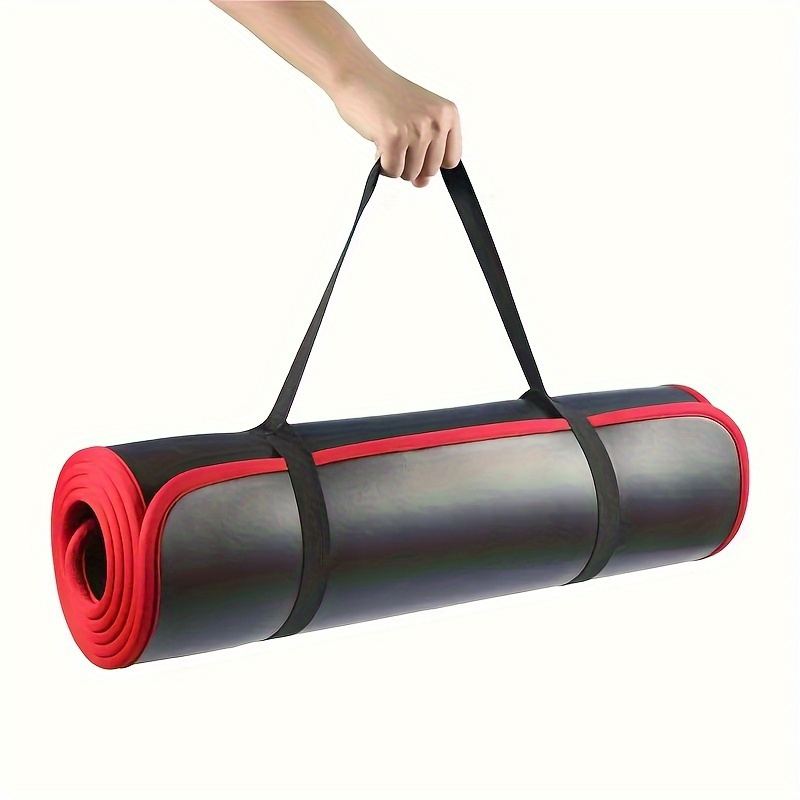
A simple 20-minute flow on a comfortable surface works beautifully. An extra-thick 10mm yoga mat makes floor work genuinely pleasant, especially for knees and backs that are already a bit tired. Try: child's pose, cat-cow, supine twist, pigeon or figure-four stretch, and legs up the wall — holding each for 60–90 seconds and breathing slowly.
For a slower, more meditative style, our yin yoga for beginners guide is a perfect active rest day companion.
Idea 3: Light Mobility and Band Work
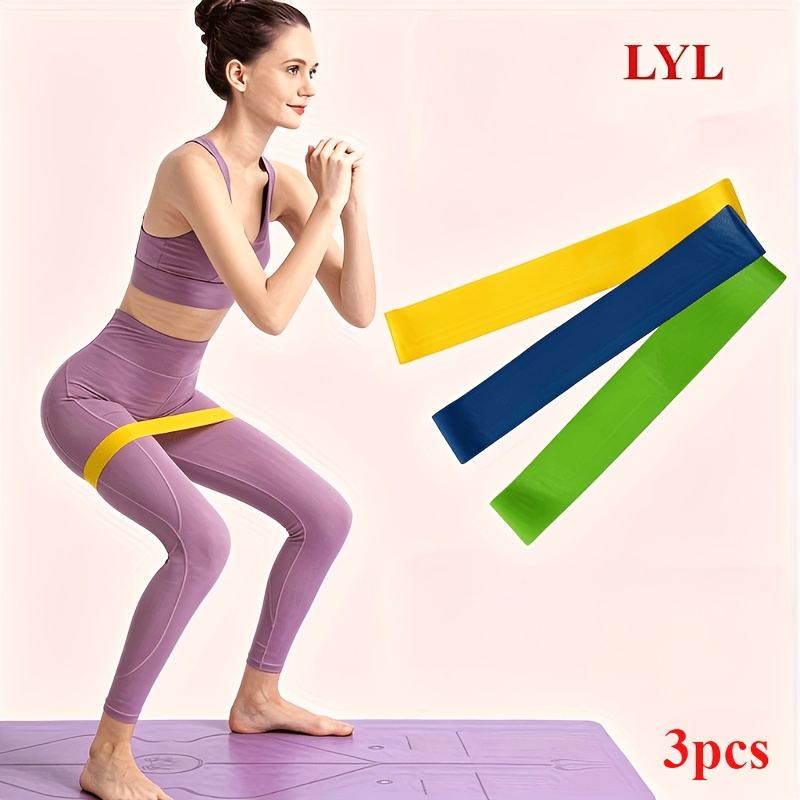
If your training week was heavy, a light mobility session targets the joints that took the beating. Use the lightest resistance you have — this is about movement quality, not load. A set of light TPE resistance bands is ideal: band pull-aparts for the shoulders, gentle banded glute activation, and slow controlled arm circles.
Ranges: 1–2 sets of 10–15 easy reps per movement, resting as needed. You should feel warmth and ease, never a burn. If a movement causes sharp pain, skip it — rest days are for listening to your body, not arguing with it.
Idea 4: Easy Cardio You Enjoy
A relaxed bike ride, an easy swim, or a casual hike all count — as long as the effort stays conversational. The best active recovery is the kind you look forward to. If a slow Saturday morning bike ride genuinely delights you, that's a perfect rest day activity.
Keep it to 20–40 minutes and resist the urge to "push just a little." The fitness gains come from your training days; the recovery day has one job.
Idea 5: Gentle Self-Massage and Recovery Tools
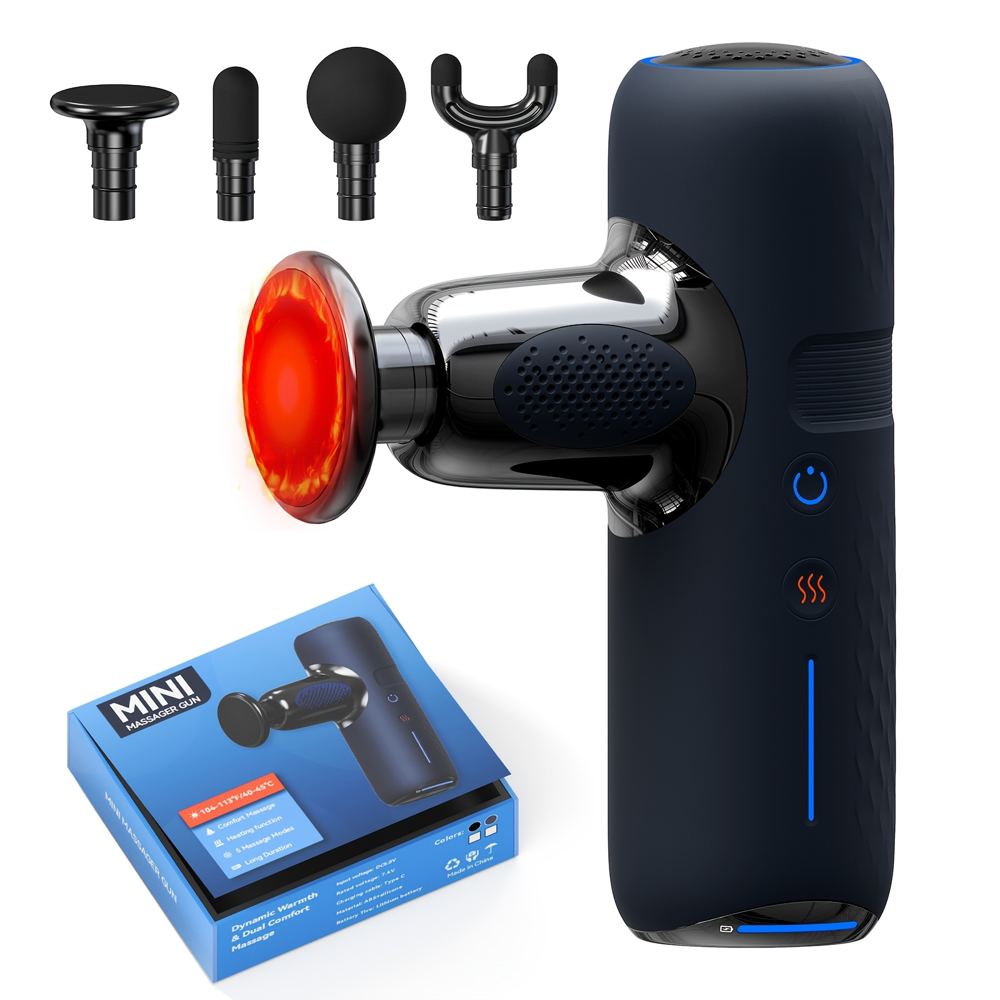
Active recovery doesn't have to mean leaving the house. Ten minutes of gentle self-massage on the muscles that worked hardest this week can ease soreness and help you feel ready for your next session. A mini massage gun with heating function works well here — use a low setting, 30–60 seconds per muscle group, moving slowly. The goal is comfort and blood flow, not deep-tissue punishment.
Pair it with slow breathing and you've got a recovery ritual that takes less time than scrolling your phone.
When You Need a FULL Rest Day Instead
Active recovery is wonderful — except when it isn't. Some days, the right move is genuine rest: feet up, no structured movement beyond normal daily life. Take a full rest day when:
- You're sore to the point of limping or wincing — deep muscle soreness (DOMS) is a signal to rest, not to "walk it off" aggressively.
- You feel unusually fatigued — heavy legs, low energy, motivation at zero. Your body is asking for rest; listen.
- You're getting sick — sore throat, fever, body aches. Exercise can wait; illness can't.
- You have a niggle turning into pain — a joint or tendon that's getting worse, not better. Rest it and reassess.
- You've trained hard 5+ days in a row without a break. Even athletes schedule full rest.
Our deload week explained guide covers the bigger-picture version of this: planned easier weeks that keep long-term progress moving.
Common Mistakes on Rest Days
- Turning recovery into a workout. The most common error by far. If your "easy" session leaves you tired, it was too hard.
- Skipping rest entirely. Training is the stimulus; recovery is when your body adapts. Skipping rest doesn't speed progress — it stalls it.
- Sitting all day instead. Total stillness can leave you stiffer than gentle movement. Unless you need full rest (see above), some easy motion beats none.
- Using rest days to "earn" food. Rest days are part of the program, not a debt to repay. Eat normally.
- Stretching aggressively into pain. Gentle stretching aids recovery; forcing range of motion into sharp pain causes setbacks.
Safety Notes
- Stop any activity for sharp, sudden, or worsening pain — that's not normal soreness.
- If soreness hasn't improved after 3–4 days of rest, or a joint is swollen, get it checked by a professional.
- Stay hydrated and eat enough on rest days — recovery is fueled, not fasted.
- If you're pregnant or managing a health condition, check with your provider about which recovery activities suit you.
FAQ
Q: Should I work out on rest days?
Light, easy movement is fine and often helpful — that's active recovery. What you shouldn't do is train hard: no heavy lifting, intervals, or intense classes. Keep effort at a conversational level (3–4 out of 10) and stop feeling refreshed, not tired.
Q: Is walking good for active recovery?
Yes — it's one of the best options. A 20 to 45-minute easy walk boosts blood flow, eases stiffness, and carries almost no injury risk. Keep the pace comfortable enough to chat throughout.
Q: How do I know if I need a rest day or an active recovery day?
If you feel generally fine with mild stiffness, active recovery is great. If you're deeply sore, exhausted, getting sick, or nursing a pain that's worsening — take a full rest day. When in doubt, choose the easier option; you can always move tomorrow.
Q: Can I stretch every day?
Gentle stretching daily is fine for most people. Just keep rest-day stretching easy and pain-free — hold stretches 60–90 seconds, breathe slowly, and never force a position. Aggressive stretching into pain is counterproductive.
Q: Will I lose progress if I take rest days?
No. Fitness improves during recovery, not during the workout itself — training provides the stimulus and rest allows the adaptation. People who rest appropriately progress faster and get injured less than people who train relentlessly. Rest is part of the program.
Conclusion
An active rest day is one of the simplest upgrades you can make to your routine: 20–40 minutes of easy walking, gentle yoga, light mobility, or relaxed cardio — at an effort where you could chat the whole time. You'll finish feeling better than you started, and you'll walk into your next training day fresher. And on the days your body asks for the couch? Give it the couch. Listening is the whole skill. Recovery done right isn't lost time — it's what makes the training work.