Can exercise improve your sleep? Yes — if you time it right. Learn how workout timing and intensity affect rest, plus a calming evening wind-down routine.
Exercise and Sleep: How Training Affects Your Rest
You did the hard part — you worked out. So why are you staring at the ceiling at midnight, wired and wide awake? If your training is interfering with your sleep, the problem usually isn't exercise itself. It's the type of exercise, how intense it was, and when you did it.
The relationship between movement and sleep is one of the most consistent patterns in health research: people who exercise regularly generally report falling asleep faster and sleeping more soundly than people who don't. But timing and intensity are the levers that decide whether your workout helps you rest or keeps you up. This guide breaks down how training affects sleep, when to work out, what to do on evenings you train late, and how to recognize when you're simply overdoing it.
This guide contains affiliate links. If you buy through them, VÉLORA may earn a commission at no extra cost to you.
Why Exercise Usually Helps Sleep

Regular physical activity influences sleep through several straightforward mechanisms. Exercise raises your core body temperature, and the drop afterward signals to your body that it's time to wind down — similar to the effect of a warm shower before bed. Activity also helps regulate the stress hormones that keep minds racing at night, and it contributes to the natural build-up of "sleep pressure" (that heavy, drowsy feeling) that makes you feel tired in the evening.
The key word is regular. Occasional workouts can still affect your sleep that night, but the most reliable sleep benefits show up in people who move consistently — most days of the week, at a moderate effort. That means the goal isn't one heroic session; it's a steady rhythm of movement your body can count on.
Timing Matters More Than Most People Think
Here's the practical rule: morning and afternoon workouts tend to be the most sleep-friendly. Exercise earlier in the day gives your body temperature, heart rate, and stress hormones plenty of time to return to baseline before bed.
Evening exercise isn't automatically bad — many people work out after work and sleep just fine. The difference is intensity and timing:
The timing guidelines that work for most people
- Vigorous exercise (heavy lifting, hard intervals, long runs): finish at least 3 hours before bed. This gives your core temperature and adrenaline time to settle.
- Moderate exercise (brisk walking, easy cycling, light strength work): finishing 1–2 hours before bed is usually fine.
- Gentle movement (stretching, easy yoga, slow walks): this can happen right up to bedtime and often helps sleep.
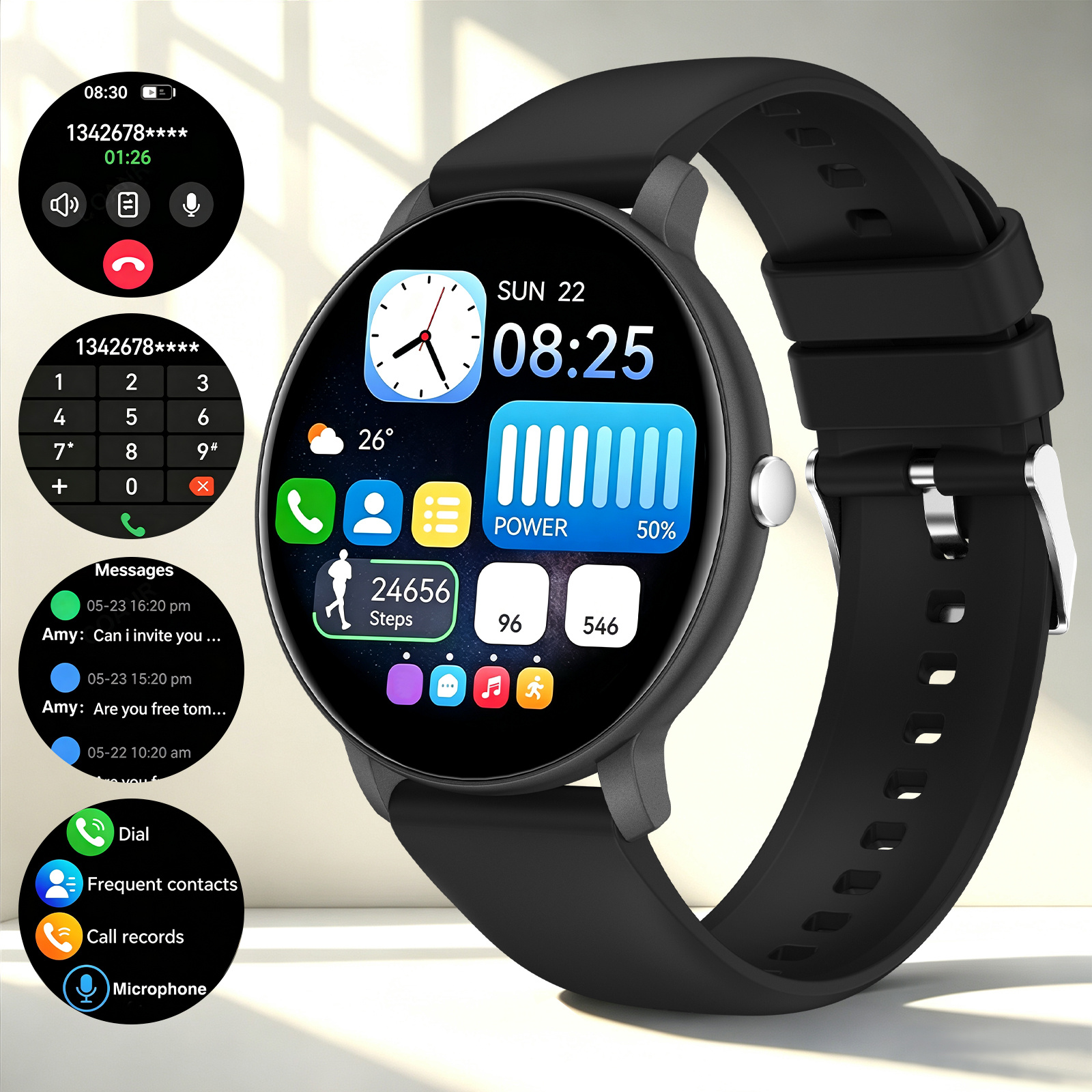
If you consistently can't fall asleep after evening workouts, try shifting your hardest sessions to the morning or afternoon for two weeks and see what changes. Track it simply — a note on your phone about when you trained, how hard, and how you slept. A fitness smartwatch can make this easier: the 1.83-inch HD sports smartwatch tracks your activity and sleep patterns in one place, so you can spot the timing patterns that affect your own rest.
Intensity: When Your Training Is Too Much for Your Sleep
Sometimes the problem isn't timing — it's load. Exercise is stress, and your body doesn't distinguish between physical stress and life stress when it comes to sleep. Signs that your training load may be disrupting your rest include:
- Lying awake with a racing heart after hard sessions
- Waking frequently through the night on training days
- Feeling wired and restless rather than tired after evening workouts
- Resting heart rate trending upward in the morning
- Persistent fatigue that sleep doesn't fix
If this sounds familiar, you're not failing — you're likely just doing a bit too much, too often. Scale back the hardest sessions, add more easy days, and give the gentler approach two weeks before judging. Recovery is part of training, not the opposite of it.
The Evening Wind-Down Routine (Do This After Late Sessions)
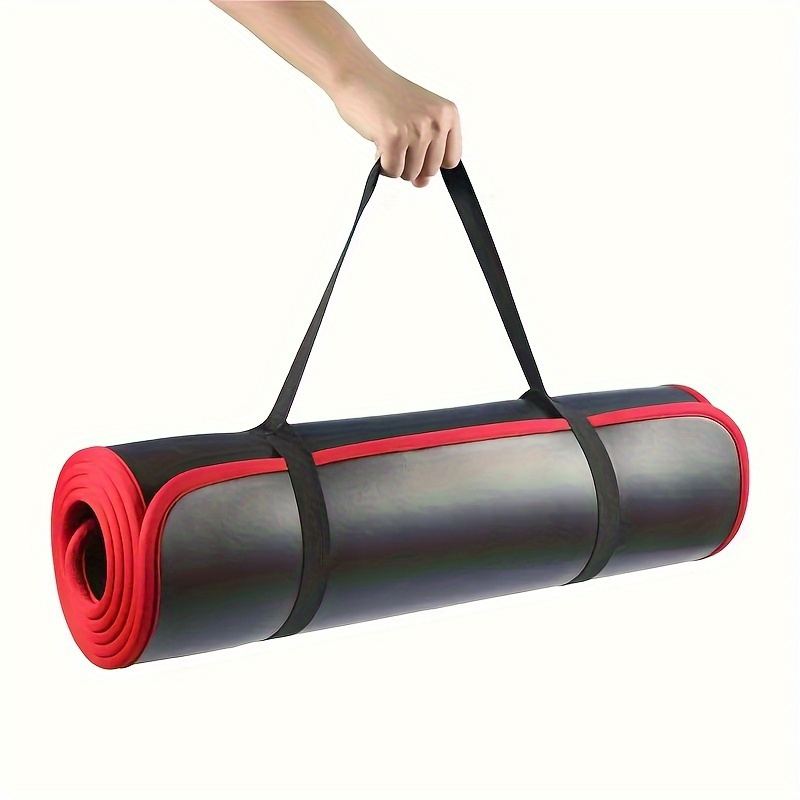
On evenings when you train late — or honestly, on any evening — a 10 to 15-minute wind-down tells your nervous system the workday (including the workout) is over. You need very little: a quiet corner and a comfortable surface. An extra-thick 10mm non-slip yoga mat gives your knees and back the cushioning that makes stretching actually relaxing instead of uncomfortable.
Try this sequence, moving slowly and breathing deeply throughout:
- Child's pose — 2 minutes. Knees wide, arms reaching forward, forehead resting down. Let your whole back soften.
- Supine twist — 90 seconds each side. Lying on your back, drop both bent knees to one side, arms wide. This releases the trunk after a day of sitting and training.
- Standing forward fold — 2 minutes. Feet hip-width apart, fold forward, bend your knees generously, let your head hang heavy. Sway gently.
- Legs up the wall — 3–5 minutes. Lie with your legs resting up a wall. Close your eyes. This is the single most calming position in this routine.
Breathing: aim for slow nasal breaths — about 4 counts in, 6 counts out. Longer exhales cue the body toward rest. There's nothing fancy here; it's just deliberate, unhurried breathing.
For more structured evening stretching, our evening stretching routine and yoga for stress relief guides pair well with this one.
Recovery Tools: Helpful, If Used Calmly
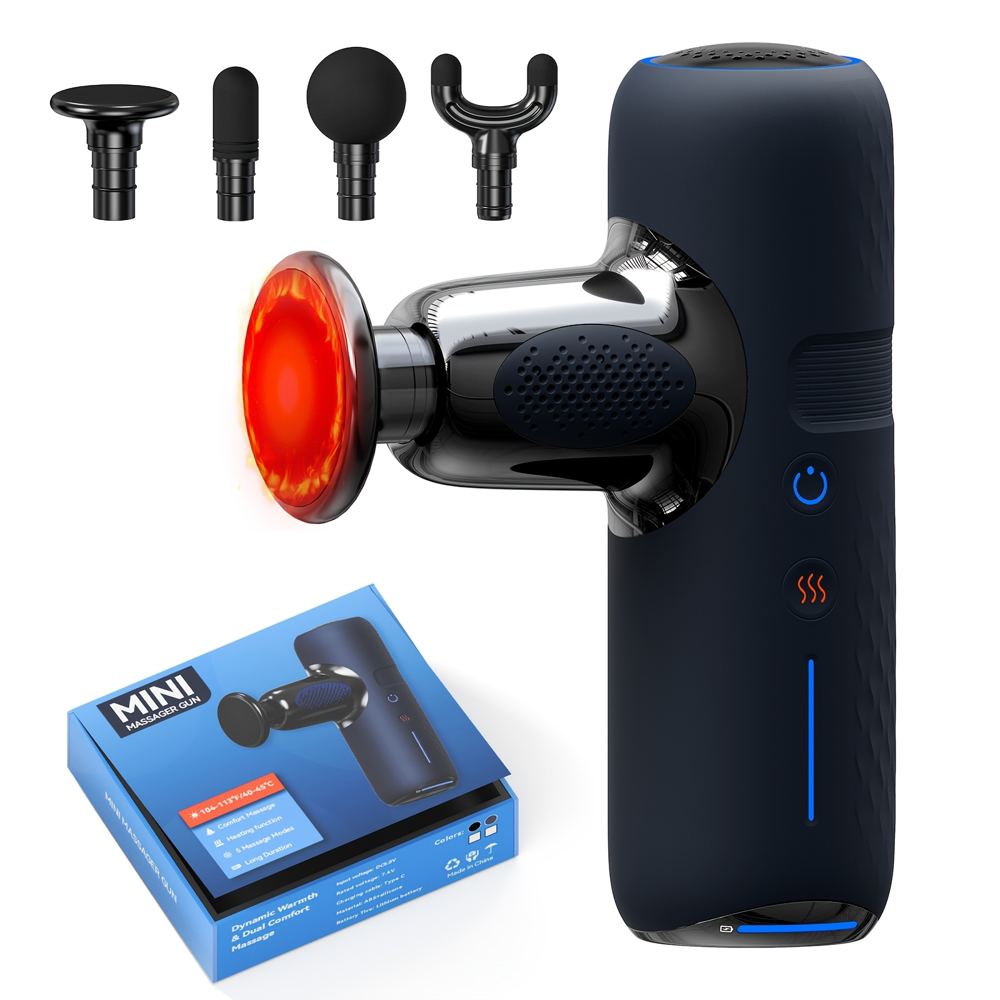
Recovery gadgets can support better sleep if they help you downshift. A mini massage gun with heating function used gently on tired legs in the evening can loosen up worked muscles — use it at a low setting, for 30–60 seconds per muscle group, as part of your wind-down, not as an aggressive deep-tissue session right before bed. Aggressive percussive work close to bedtime can be stimulating rather than relaxing, so keep it gentle and unhurried.
The same principle applies to foam rolling, baths, and stretching: in the evening, recovery should feel like turning the volume down, not up.
Exercise Timing vs. Sleep: A Quick Comparison
| Workout type | Best time | Latest safe finish | Why | |---|---|---|---| | Hard intervals / heavy lifting | Morning or midday | 3+ hours before bed | High body temp + adrenaline linger | | Moderate cardio (jog, bike) | Morning, lunch, or early evening | 1–2 hours before bed | Moderate arousal clears faster | | Light strength / mobility | Any time | Fine in the evening | Low stress on the nervous system | | Gentle yoga / stretching | Evening ideal | Right up to bedtime | Actively promotes winding down | | Long slow walk | Any time | Right up to bedtime | Rarely disrupts sleep |
Common Mistakes That Ruin Sleep
- Hammering hard sessions every evening. One hard evening session is fine occasionally; five per week is a recipe for restless nights.
- Skipping the cool-down. Jumping from a hard workout straight into bed skips the transition your body needs. Always give yourself at least a few minutes to wind down.
- Training through exhaustion. If you're already depleted, another hard session adds stress without benefit. Take the rest day.
- Caffeine timing. Pre-workout caffeine in the evening stacks with exercise arousal. Keep pre-workout stimulants to morning or midday sessions.
- Treating sleep problems as only an exercise problem. Late screens, alcohol, an irregular schedule, and bedroom temperature all matter too. Fix the easy ones alongside your training.
Safety Notes
- If you experience persistent insomnia (trouble falling or staying asleep most nights for weeks), talk to a healthcare professional — don't just train harder or less.
- Chest pain, severe dizziness, or fainting during exercise warrant prompt medical attention.
- Morning dizziness or a resting heart rate that stays elevated for several days can signal overtraining or illness — back off and recover.
- During pregnancy, exercise timing can still support sleep, but get your provider's guidance on intensity and suitable activities first.
FAQ
Q: Is it bad to exercise before bed?
Not inherently. Gentle movement like stretching or easy yoga before bed often helps sleep. The problem is vigorous exercise close to bedtime — hard intervals or heavy lifting within a couple of hours of sleep can leave you wired. Keep intense sessions earlier and save evenings for gentle work.
Q: Does morning exercise help you sleep better?
For many people, yes — morning exercisers tend to report some of the most consistent sleep patterns. It may also help set your body clock, especially if you train outdoors and get morning light. But an afternoon workout you actually do beats a morning workout you skip. Consistency matters more than the perfect hour.
Q: Why can't I sleep after a hard workout?
Intense exercise raises your core body temperature, heart rate, adrenaline, and cortisol. All of these need time to return to baseline. If your session was very hard or very late, your body may still be in "go" mode when your head hits the pillow. Shift hard sessions earlier, and end the day with a gentle wind-down routine.
Q: Can too much exercise cause insomnia?
Overtraining can disrupt sleep — restlessness, trouble falling asleep, and unrefreshing sleep are classic signs of doing too much. The fix is usually more rest, not more effort: cut back hard sessions, add easy days, and let your body catch up. If problems persist, talk to a professional.
Q: What should I do in the evening to sleep better after training?
Keep it simple: a short gentle stretching session (10–15 minutes), slow breathing, dim lights, and no intense recovery work. A thick comfortable mat makes the stretching part inviting. Save the hard stuff — intense massage gun sessions, ice baths, heavy foam rolling — for earlier in the day.
Conclusion
Exercise and sleep are allies, not enemies — they just need the right scheduling. Train with moderate consistency, put your hardest work earlier in the day, and give your evenings a gentle wind-down. Pay attention to what your own body does: track your training time and your sleep quality for a couple of weeks, and you'll have your personal answer. The best routine is the one that leaves you both stronger and well-rested — and that's entirely achievable with a little timing awareness.