A calming beginner yoga sequence for stress relief — slow poses and simple breathing techniques to help you unwind and release tension. No experience needed.
Yoga for Stress Relief: A Calming Beginner Sequence
After a long, tense day, stress lives in the body in very physical ways: shoulders creep toward the ears, the jaw clenches, breathing turns shallow. A slow, gentle yoga sequence sends the opposite signal — deliberate, easy movement paired with deep breathing tells your nervous system it is safe to unwind. You do not need to be flexible, athletic, or already calm. You just need a few quiet minutes and a little floor space.
This sequence is designed for beginners and works any time of day, though it shines as an evening wind-down. Every pose is simple, every hold is guided by the breath, and there is nothing to achieve. The goal is not a workout — it is a gradual release of the tension the day has built up.
One honest note: yoga is a supportive practice for everyday stress, not a treatment for clinical anxiety, depression, or trauma. If persistent anxiety or low mood is affecting your life, please speak with a qualified mental health professional. Think of this sequence as a complement to good care — like a warm bath or an unhurried walk — not a replacement for it.
This guide contains affiliate links. If you buy through them, VÉLORA may earn a commission at no extra cost to you.
What You Need
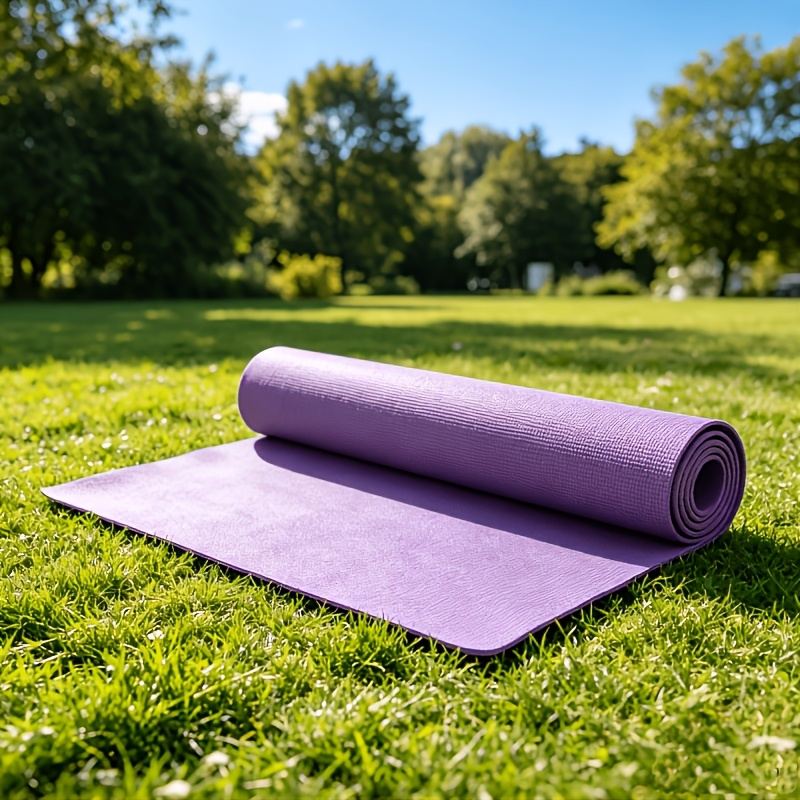
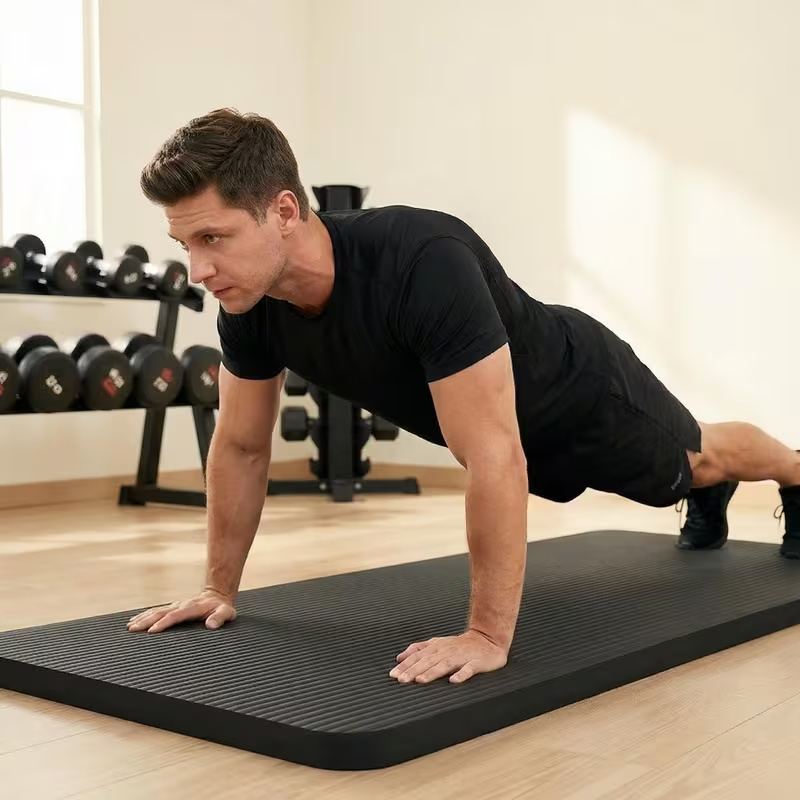
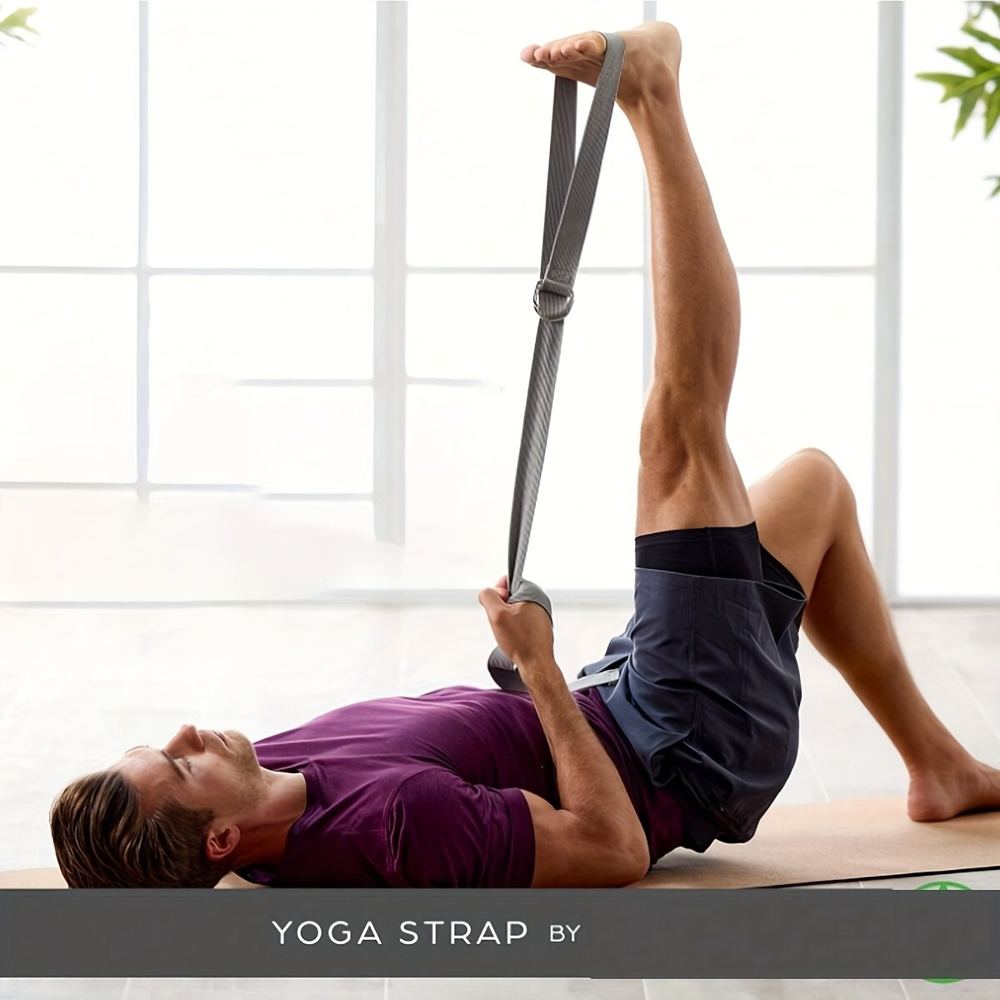
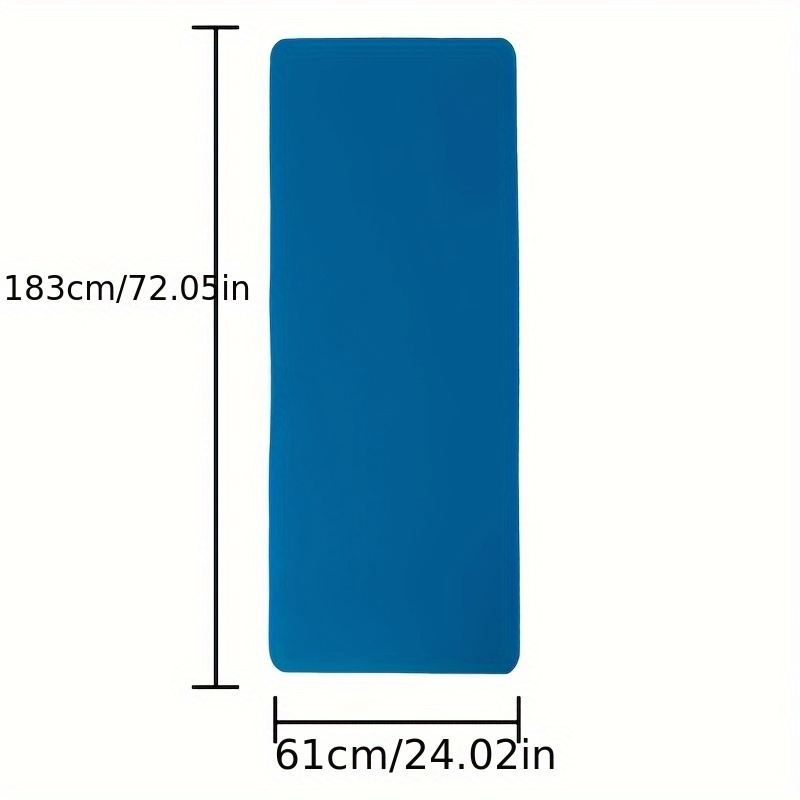
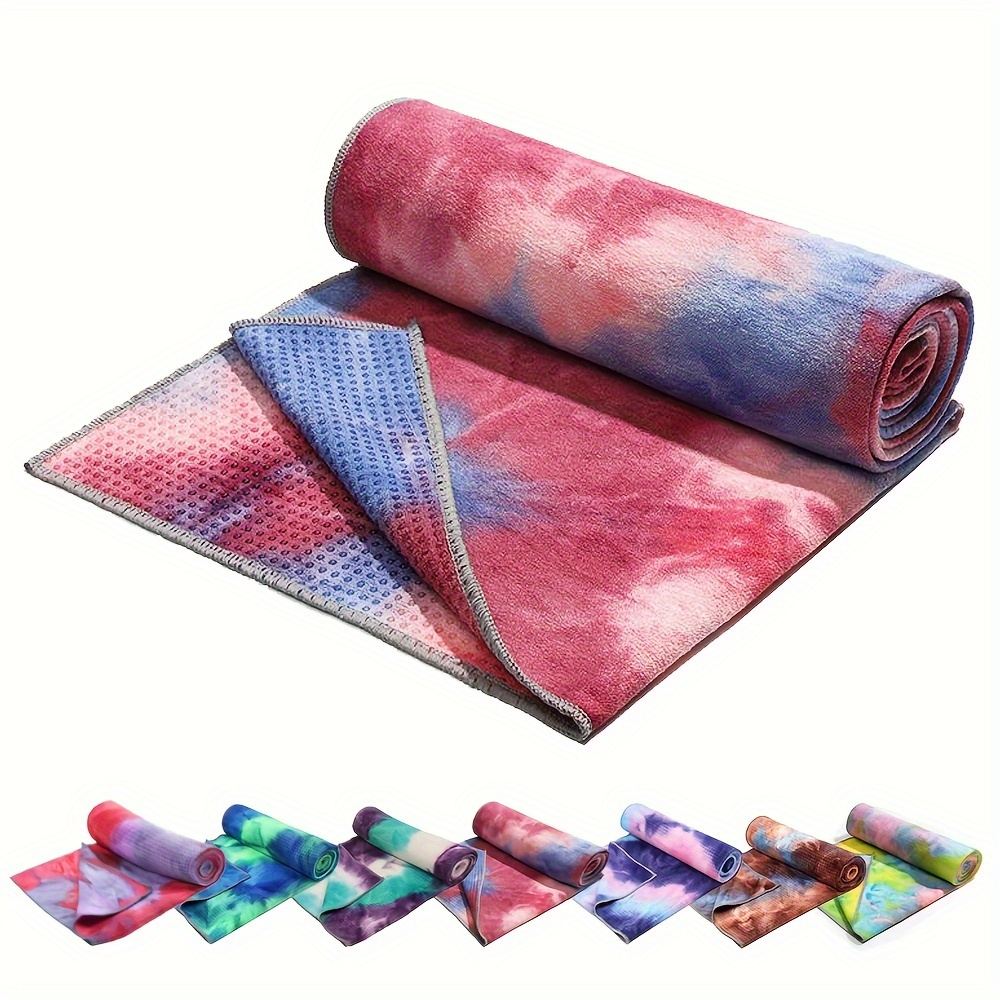
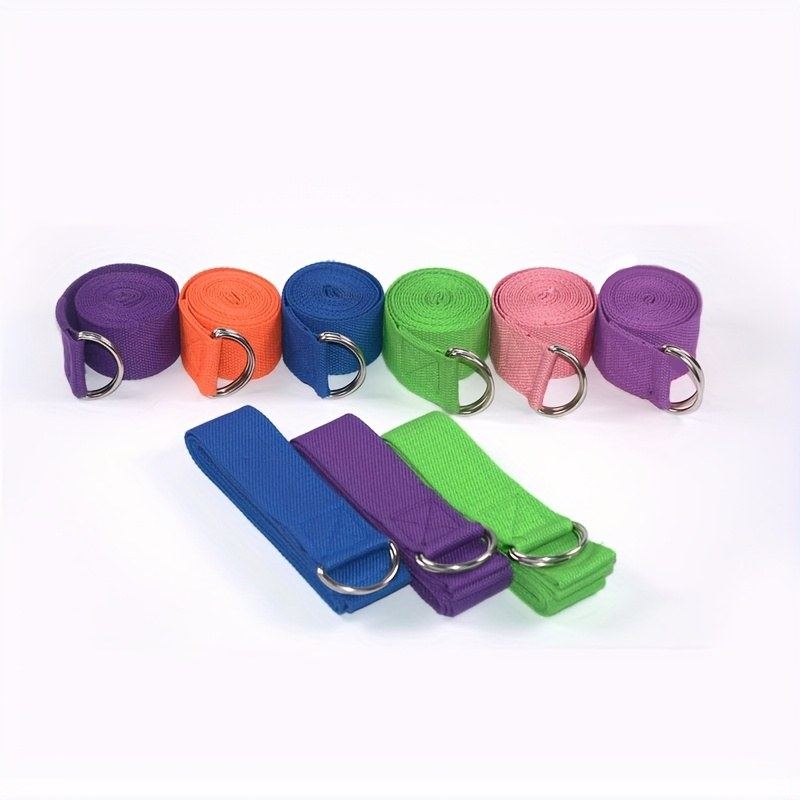
Almost nothing — a comfortable surface is the main requirement. A cushioned mat makes kneeling and lying poses far more pleasant; the 8mm Thick Non-Slip Yoga Mat supports knees and wrists without wobbling, which matters when the whole point is to relax. A non-slip yoga towel adds light knee padding, and a nylon yoga strap helps in poses where your hands cannot comfortably reach.
How to Use This Sequence
Move through the poses in order, spending 30–90 seconds in each (roughly 5–10 slow breaths). The full sequence takes about 15–20 minutes. Breathe in through your nose for a count of 4 and out for a count of 6 — the longer exhale is what deepens the calming effect. If counting distracts you, simply let your exhales run a little longer than your inhales.
There should be no pain in any pose — only gentle stretch or comfortable weight. If a pose does not feel restful, skip it or use the modification. If you enjoy gentle movement practices, our low-impact workouts guide offers options in the same easygoing spirit.
The Sequence
1. Child's Pose
Starting position: Kneel with big toes touching and knees wide. Sit your hips back toward your heels, fold forward, and rest your forehead on the mat with arms extended.
Technique: Let your belly rest between your thighs and soften your shoulders away from your ears. With each exhale, feel your back widen. Duration: 8–10 breaths. Beginner modification: rest your forehead on stacked fists or a cushion; place a folded towel behind the knees if they complain. Common mistakes: forcing the hips to the heels; holding the shoulders tense. Let gravity do the work.
2. Cat-Cow
Starting position: Hands and knees, wrists under shoulders, knees under hips, back flat.
Technique: Inhale — let the belly drop, lift the sitting bones and chest. Exhale — round the spine toward the ceiling, tucking chin and tailbone. Move slowly, letting the breath lead. 6–8 full cycles. Beginner modification: keep the movement small; pad the knees with a towel. Common mistakes: rushing through it; collapsing into the shoulders.
3. Standing Forward Fold
Starting position: Stand with feet hip-width apart, hinge at the hips, and fold forward, letting head and arms hang heavy.
Technique: Bend your knees generously — this is not about touching your toes. Clasp opposite elbows and sway gently. 6–8 breaths. Beginner modification: rest hands on thighs; or loop a strap under your feet and hold the ends to lengthen the spine. Common mistakes: locking the knees and straining; bouncing to reach further. The hang, not the depth, is the point.
4. Low Lunge
Starting position: Step the right foot forward into a lunge, lower the left knee to the mat, and square your hips forward.
Technique: Let the hips sink gently until you feel a stretch through the front of the left hip — hip flexors tighten notoriously during long sitting days. Keep the front knee over the ankle. 5–8 breaths per side. Beginner modification: pad the back knee with a folded towel. Common mistakes: arching the lower back — gently draw the navel in.
5. Seated Forward Fold
Starting position: Sit with legs extended, sitting bones grounded, spine tall.
Technique: Hinge forward from the hips with a long spine, stopping at a gentle stretch behind the legs. A strap looped around the feet helps you sit tall instead of rounding. 8–10 breaths. Beginner modification: sit on a folded blanket to tilt the pelvis forward; bend the knees freely. Common mistakes: rounding the back to grab the toes. Length first, depth second.
6. Supine Twist
Starting position: Lie on your back, arms in a T. Hug the right knee in, then guide it across your body to the left, keeping the right shoulder down.
Technique: Let the twist come from the mid-back, not from yanking the knee. 6–8 breaths per side. Beginner modification: cushion under the floating knee; keep the head facing the ceiling if turning it bothers your neck.
7. Legs Up the Wall
Starting position: Sit sideways against a wall, swing your legs up as you lie back, scooting your sitting bones comfortably close to the wall.
Technique: Arms by your sides, palms up, eyes closed. Do nothing. The gentle inversion lets tired legs rest and the nervous system downshift. 3–5 minutes. Beginner modification: scoot slightly away from the wall or soften the knees if the hamstrings protest.
8. Savasana (Final Rest)
Starting position: Lie on your back, legs extended and slightly apart, arms at your sides, palms up.
Technique: Close your eyes and let your whole body be heavy. Scan slowly from feet to head, releasing each area. When thoughts intrude, notice them and return to the breath — no judgment. 3–5 minutes. This final rest is not optional decoration; it is where the calming effect consolidates. Give it its full time.
Sequence at a Glance
| Order | Pose | Focus | Suggested hold | | --- | --- | --- | --- | | 1 | Child's Pose | Lower-back release, settling in | 8–10 breaths | | 2 | Cat-Cow | Spinal mobility, breath rhythm | 6–8 cycles | | 3 | Standing Forward Fold | Neck and spine decompression | 6–8 breaths | | 4 | Low Lunge | Hip flexor release, each side | 5–8 breaths | | 5 | Seated Forward Fold | Hamstrings, inward focus | 8–10 breaths | | 6 | Supine Twist | Spinal twist, each side | 6–8 breaths | | 7 | Legs Up the Wall | Tired legs, deep rest | 3–5 minutes | | 8 | Savasana | Full-body release | 3–5 minutes |
Total: roughly 15–20 minutes. Short on time? The first four poses plus savasana still make a worthwhile 10-minute practice.
Common Mistakes
- Treating it like a workout. If you are pushing, straining, or chasing depth, you have left the calming zone. Ease off until it feels restful.
- Skipping savasana. The final rest is where your nervous system registers the session. Do not cut it.
- Holding your breath. Stress breathing is shallow and held; calming breathing is continuous. If you are holding your breath in a pose, soften the pose.
- Expecting instant zen. Some evenings your mind will race through the whole sequence. That is normal — consistency matters more than any single session's feeling.
Many women pair this sequence with a weekly workout schedule as a rest-day ritual: training days build strength, and this handles recovery and the mental reset.
FAQ
Q: Will this sequence lower my stress?
Yoga is associated in some research with lower perceived stress, but results vary between individuals, and no single session guarantees a specific outcome. What most practitioners report with regular practice is feeling calmer and sleeping better — treat those as realistic benefits, not promises.
Q: How often should I do it?
As often as you like — daily is fine, since the sequence is gentle. Even two or three evenings a week builds a meaningful wind-down habit. Consistency over weeks matters more than session length.
Q: I can't quiet my mind — am I doing it wrong?
No. A busy mind is completely normal, especially at first. The instruction is not to empty your mind but to keep returning your attention to the breath each time it wanders. That returning is the practice.
Q: Can yoga replace therapy or medication for anxiety?
No. Yoga can be a genuinely helpful supportive practice alongside professional care, but it is not a substitute for therapy, medication, or other treatment for anxiety disorders, depression, or trauma. If stress is significantly affecting your daily life, please reach out to a qualified professional.
Q: What if a pose hurts?
Back off or skip it. Sharp pain, pinching, or numbness are signals to stop — not to push through. If pain persists across sessions, consult a physiotherapist or your doctor.
The Bottom Line
Stress lives in the body as much as in the mind, and this sequence addresses both: slow poses to release the day's physical tension, long exhales to settle the nervous system, and a proper rest at the end to let it all land. No experience, no flexibility, barely any equipment — just a mat, a few quiet minutes, and the willingness to slow down. Try it a few evenings this week and notice how you sleep. That is the only metric that matters.