An evening stretching routine to help you unwind, ease tight muscles, and transition toward better sleep. Gentle 12-minute flow, breathing cues, and recovery tips.
Evening Stretching Routine for Recovery and Better Sleep
Your body spends the whole day collecting tension — stiff hips from sitting, a tight neck from screens, shoulders that creep toward your ears without asking. A short evening stretching routine gives that tension somewhere to go. This gentle 12-minute flow is designed to be done at the end of the day, when muscles are already warm and the nervous system is ready to downshift. It is slow, it is floor-based, and it needs no more equipment than a comfortable mat and a few square feet of space.
A honest word first: no stretch can guarantee you better sleep, and anyone who promises that is overselling. What a calming evening routine can do is lower the volume on your day — steady breathing and slow movement help many people feel more relaxed before bed, and a relaxed body generally transitions to sleep more easily. Results vary from person to person; think of this as a winding-down ritual, not a prescription.
This guide contains affiliate links. If you buy through them, VÉLORA may earn a commission at no extra cost to you.
What You Need (and the Setup That Helps)
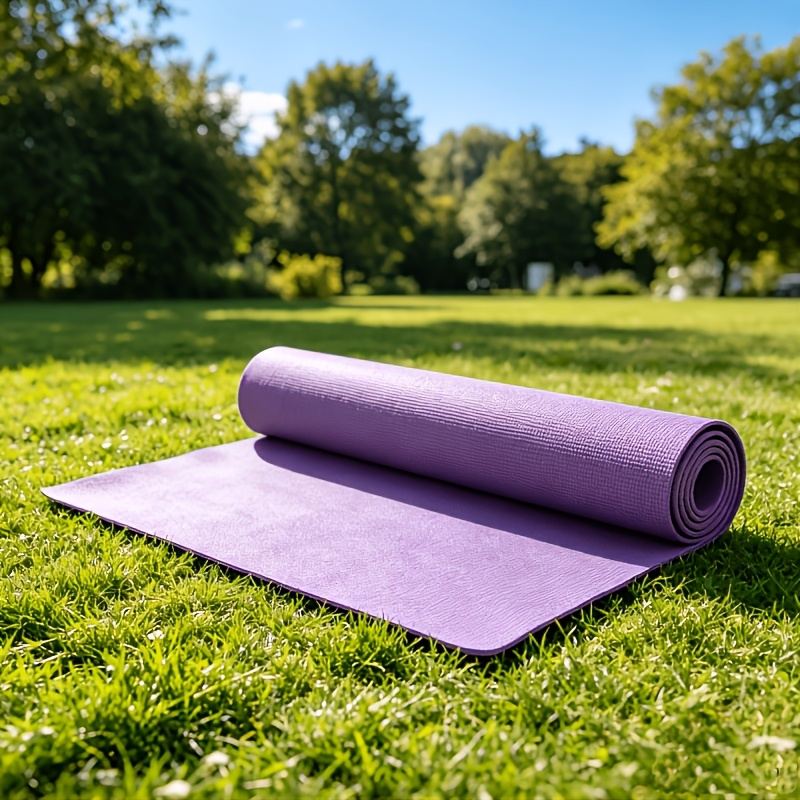
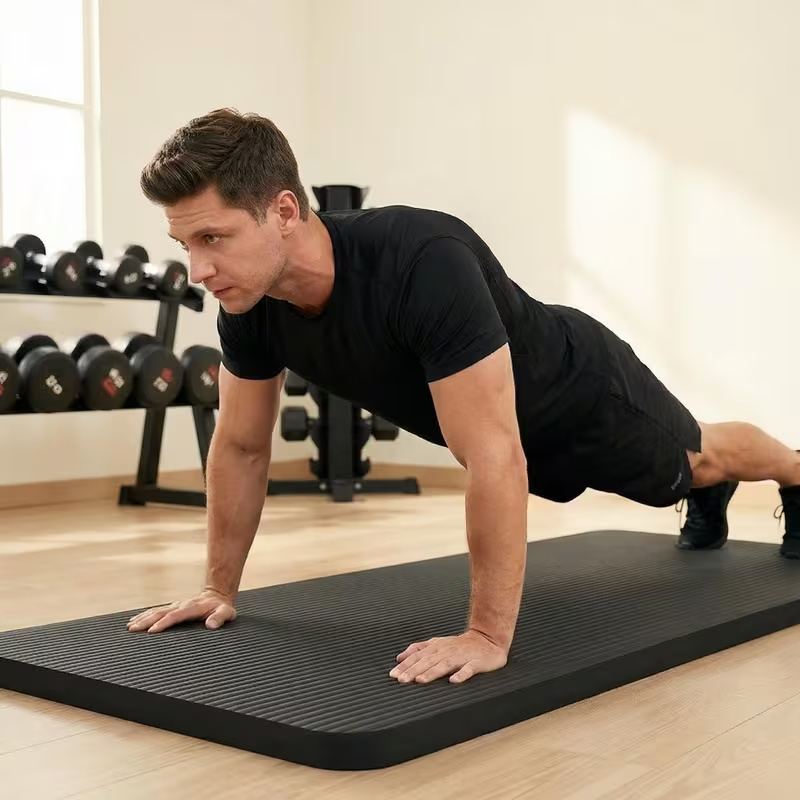
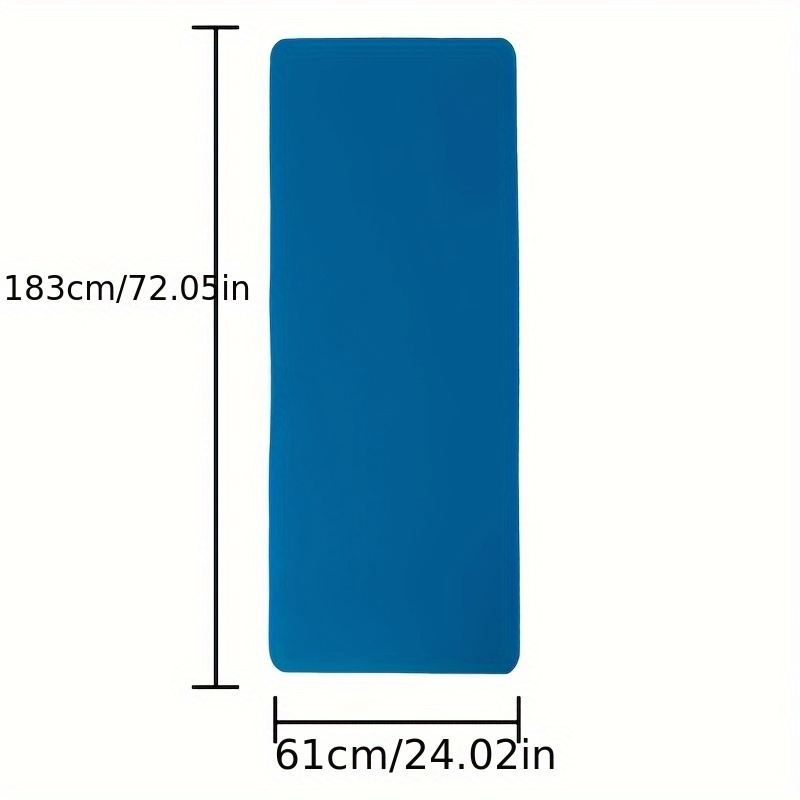
A comfortable mat. Evening stretching means a lot of floor time — knees, hips, and spine all appreciate cushioning. The 1pc 8mm Thick Yoga Mat hits a sweet spot: thick enough for comfortable kneeling and supine work, grippy enough that you are not sliding around in the dim light. Unsure what thickness suits you? Our guide on how to choose yoga mat thickness breaks down the trade-offs.
Low lighting and a phone on silent. The routine works better as a ritual than as multitasking. Dim the lights, silence notifications, and give the next 12 minutes your full attention.
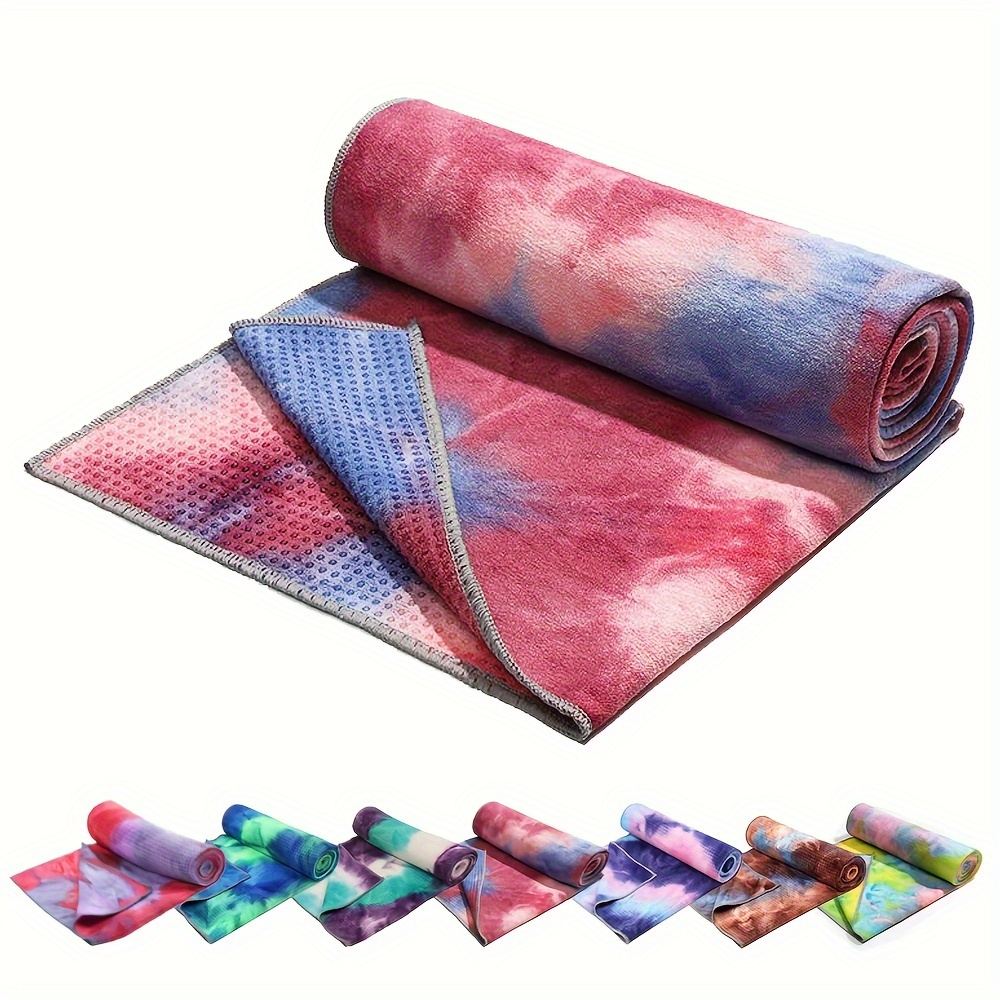
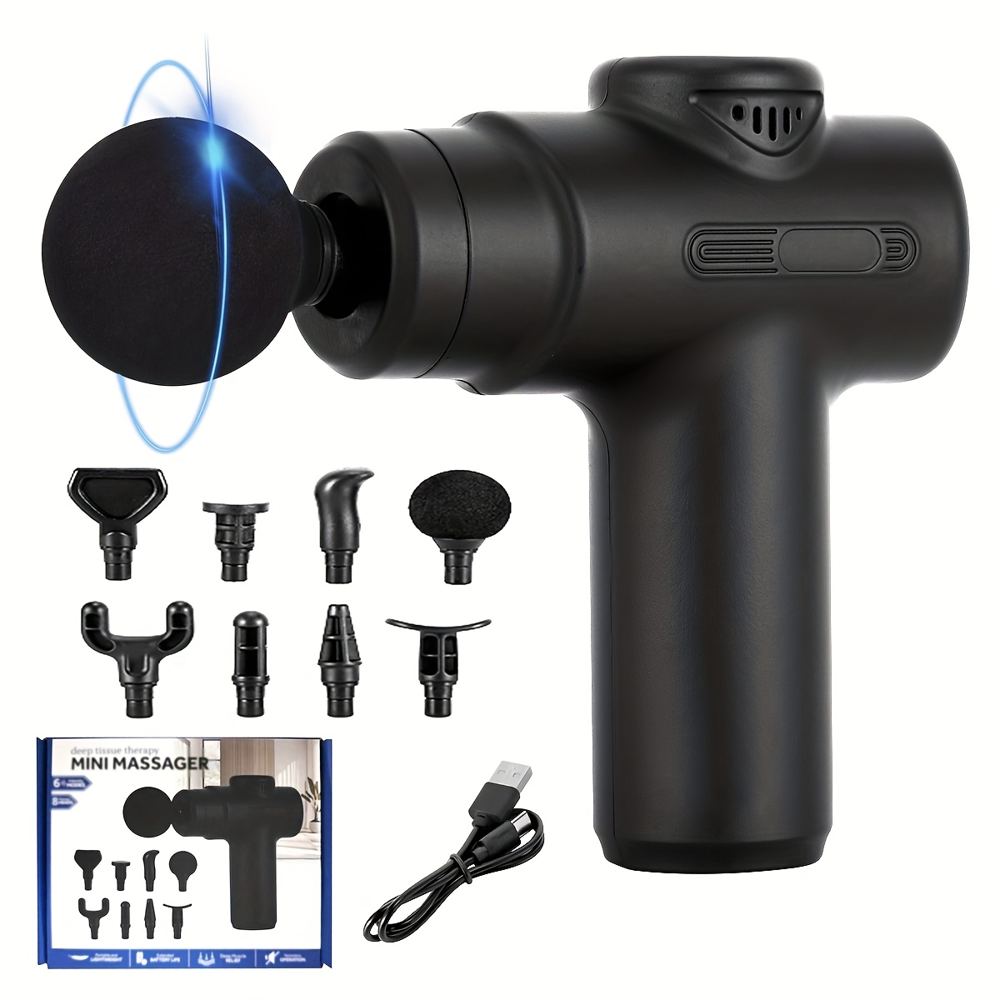
Optional: a towel and a massage tool. A non-slip yoga towel doubles as a soft bolster behind the neck or under the knees. If your legs feel heavy from a workout day, a few minutes with a portable fascia massage gun on the quads and calves beforehand can make the stretching that follows noticeably more comfortable — keep it gentle in the evening; this is recovery, not deep tissue work.
The Routine: 12 Gentle Minutes
Move slowly between each position, spending 5–6 deep breaths in every stretch — about 45–60 seconds per side or pose. Never force a stretch. The goal sensation is a comfortable pull, around 5–6 out of 10 intensity, never sharp pain. Inhale through the nose, exhale slowly through the nose or pursed lips; let each exhale be your cue to soften a fraction deeper.
1. Child's Pose (1 minute)
Kneel on the mat, big toes touching, knees wide. Fold forward, reaching your arms out in front or resting them alongside your body, forehead toward the floor. This is your "home base" — return here between stretches if anything feels intense. Purpose: decompresses the low back, opens the hips, and signals the nervous system that the workday is over. Beginner modification: place a folded towel between your thighs and calves if your knees are sensitive.
2. Cat-Cow Flow (1 minute)
From hands and knees, alternate slowly: on the inhale, let the belly drop, lift the head and tailbone (cow); on the exhale, round the spine, tuck the chin and tailbone (cat). Move with your breath, 6–8 cycles. Purpose: gentle spinal mobility after a day of static posture. Common mistake: rushing the transitions — the value is in the slowness, so take a full breath per shape.
3. Supine Figure-Four Hip Stretch (1 minute per side)
Lie on your back, knees bent. Cross your right ankle over your left knee, then gently draw the left thigh toward your chest until you feel a stretch deep in the right hip and glute. Purpose: releases the outer hips, which tighten from prolonged sitting. Technique: keep your head on the floor and your lower back relaxed — do not let it lift off the mat. Beginner modification: keep the left foot on the floor and press the right knee gently away instead of pulling the leg in.
4. Kneeling Hip Flexor Stretch (45 seconds per side)
From a half-kneeling position (right knee on the mat, left foot flat in front), tuck your pelvis slightly and shift your weight forward until you feel a stretch along the front of the right hip. Purpose: the hip flexors shorten all day in a chair; this is their evening reset. Breathing: exhale as you ease forward. Common mistake: arching the low back to "feel more" — tuck the tailbone instead and keep the stretch in the hip, not the spine.
5. Seated Forward Fold (1 minute)
Sit with legs extended, feet flexed. Hinge at the hips and fold forward over your legs, reaching for your shins, ankles, or feet — wherever you reach comfortably. Purpose: lengthens the hamstrings and calves; the folded shape also encourages the slow breathing that supports relaxation. Beginner modification: keep a generous bend in the knees, or sit on the folded towel to tilt the pelvis forward. Safety: fold from the hips, not by rounding the back forcefully — a long spine matters more than touching your toes.
6. Supine Spinal Twist (1 minute per side)
Lie on your back, arms in a T. Draw your right knee to your chest, then let it fall across your body to the left while your gaze turns right. Purpose: wrings out the torso and eases stiffness through the mid-back and obliques. Common mistake: forcing the knee to the floor — let gravity do the work and rest the knee wherever it lands, supported by a hand if you like.
7. Legs Up the Wall (2 minutes)
Scoot your hips close to a wall, swing your legs up, and rest with arms at your sides or on your belly. This is the classic wind-down pose: passive, effortless, and an excellent finale. Purpose: gives tired legs a break from gravity and two full minutes of deliberate slow breathing. Beginner modification: hips can be a few inches from the wall — closer is not mandatory.
The Full Sequence at a Glance
| Order | Stretch | Duration | | --- | --- | --- | | 1 | Child's Pose | 1 min | | 2 | Cat-Cow Flow | 1 min | | 3 | Supine Figure-Four (each side) | 2 min | | 4 | Kneeling Hip Flexor (each side) | ~1.5 min | | 5 | Seated Forward Fold | 1 min | | 6 | Supine Spinal Twist (each side) | 2 min | | 7 | Legs Up the Wall | 2 min |
Total: roughly 12 minutes. Do this 3–7 evenings per week; on rest days from harder training it doubles as light active recovery — see our low-impact workouts for women for other gentle options, and our weekly workout schedule guide for fitting recovery around training days.
Breathing: The Part That Makes It Work
The stretches matter, but the breathing is what turns a mobility routine into a wind-down ritual. A few practical rules:
- Nasal breathing throughout. In through the nose, out through the nose. It keeps the pace slow automatically.
- Lengthen the exhale. Aim for exhales that are slightly longer than inhales — for example, 4 counts in, 6 counts out. Longer exhales are associated with the body's rest-and-digest response; there is nothing mystical about it, it is simply the pattern that signals "we are safe now."
- One intention per exhale. As you breathe out, consciously release the jaw, drop the shoulders, unclench the belly. Tension hides in these places; each exhale is permission to let it go.
- Do not chase perfection. If your mind wanders to tomorrow's to-do list, notice it and return to the count. That return IS the practice.
Recovery Extras for Heavy Training Days
If the day included a hard workout, the evening routine can do a little more for recovery:
- Gentle foam rolling or massage first. Spend 3–5 minutes on the quads, glutes, and calves with a foam roller or the massage gun on a low setting — see our guide to the best foam rollers for options. Keep pressure moderate; aggressive deep-tissue work right before bed can be stimulating rather than calming.
- Hydrate. Muscles recover better when you are not dehydrated. A glass of water with the routine is enough.
- Keep the room cool. A cool, dark bedroom supports the transition to sleep more than any stretch can. The routine ends, the lights go off, and you stay in the calm you built.
A note on expectations: stretching feels good, and regular practice improves comfort and flexibility over weeks — but it does not repair muscle damage or replace rest, sleep, and sensible training volume. If soreness is sharp, localized, or does not ease over a few days, get it checked rather than stretching through it.
Common Mistakes
- Stretching aggressively right before bed. Intense, painful stretching raises arousal rather than lowering it. Evening stretching should feel pleasant — if it hurts, you are doing a different workout than the one intended.
- Bouncing into stretches. Ballistic stretching has its place in athletic warm-ups, not in a wind-down routine. Hold still and breathe.
- Holding your breath. The most common beginner error. If you catch yourself straining silently, back off the stretch until you can breathe easily through it.
- Skipping the warm-up context. Evening muscles are usually warm from the day, which is why this routine works then. If you do it first thing in a cold room, warm up with a few minutes of easy movement first.
FAQ
Q: Will an evening stretching routine actually help me sleep?
It may help some people wind down more easily. Slow movement and extended exhales can reduce the feeling of tension and mental busyness that keep people awake — but no stretch guarantees sleep, and results vary. If you consistently struggle with sleep for weeks, that is worth discussing with a healthcare professional rather than treating with stretching alone.
Q: Is it better to stretch in the evening or the morning?
They serve different purposes. Morning stretching wakes the body up; evening stretching calms it down. If you only have time for one, choose the one whose benefit you need most — or do five minutes of each. Both beat doing none.
Q: How long should an evening stretching routine be?
Ten to fifteen minutes is the sweet spot for most people: long enough to cover the major areas, short enough to sustain as a nightly habit. A 30-minute routine you do twice is worth less than a 12-minute one you do daily.
Q: Can I do this routine after a hard workout?
Yes — on heavy training days it works well as a cool-down and wind-down combined. Keep the intensity gentle on already-sore muscles, and skip any stretch that provokes sharp discomfort.
Q: Do I need special equipment for evening stretching?
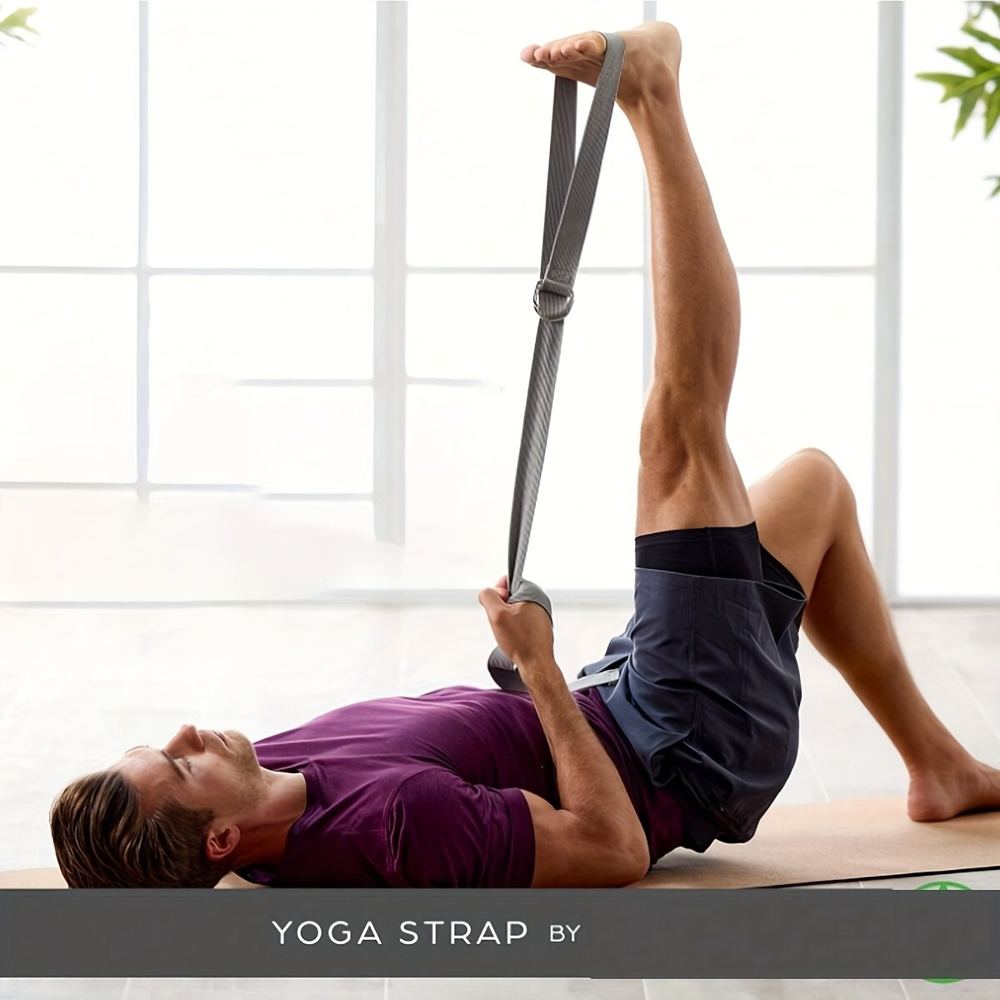
No. A comfortable mat is genuinely the only thing that matters, and even that is optional on carpet. Props like towels, straps, and massage tools add comfort and options, but the routine works perfectly well with bodyweight alone. Start simple and add gear only if a specific need appears.
The Bottom Line
An evening stretching routine is one of the cheapest investments in how you feel: twelve minutes, no gym, no noise, just slow movement and slower breathing. Do the seven positions above most evenings for two to three weeks and notice what changes — not with a stopwatch, but with your attention. Less morning stiffness, an easier transition to bed, a small daily boundary between the day's noise and the night's rest. That is the whole promise, and for most of us, it is enough.