Stuck at the same weight or strength for weeks? Plateaus are normal adaptation, not failure. Learn why progress stalls and the smart way to respond.
Fitness Plateaus Explained: Why Progress Stalls and How to Respond

The first weeks of a new routine feel magical: weights go up, the scale moves, energy climbs. Then, one day, nothing changes. Then another week. Then a month. Welcome to the plateau — the phase where most people quietly quit, convinced something is broken.
Nothing is broken. A plateau is your body doing exactly what bodies do: adapting. This guide explains what a plateau actually is, how to tell a real one from normal fluctuation, and how to respond productively — without crash dieting, punishment workouts, or panic.
This guide contains affiliate links. If you buy through them, VÉLORA may earn a commission at no extra cost to you.
What a Plateau Actually Is
A plateau is a period where measurable progress stops despite continued effort. The key phrase is continued effort — a plateau is not "I stopped training and stopped progressing." It's "I'm doing the work and the numbers aren't moving."
It happens because of adaptation. Your body is an efficiency machine. When you repeat the same training stimulus, your body gets better at handling it — which is the whole point of exercise — but that same efficiency means the stimulus eventually stops forcing new change. The workout that once challenged you now maintains you.
This applies to every kind of progress:
- Strength plateaus: the same weights, the same reps, week after week.
- Fat-loss plateaus: the scale stops moving despite consistent training and eating.
- Endurance plateaus: your run times or cardio capacity stop improving.
- Skill plateaus: a movement (pull-up, push-up, yoga pose) stops progressing.
Plateaus are not failure. They're a normal, expected phase of every long-term fitness journey — and they're actually a sign that your body did adapt to your earlier work. The response isn't to work blindly harder; it's to change the stimulus intelligently.
Is It Really a Plateau? The 2–4 Week Rule
Before changing anything, make sure you're actually plateaued. Most "plateaus" people panic about are one of these:
- Normal fluctuation. Body weight can swing 1–2 kg day to day from water, food, hormones, and digestion. Strength varies with sleep and stress. One flat week is noise; three to four flat weeks is signal.
- Measurement problems. Weighing at different times of day, tracking strength after bad sleep, comparing different conditions — all create fake plateaus.
- Inconsistent effort. Be honest: have the last 3–4 weeks actually been consistent? Missed sessions, changed eating, extra stress — any of these can look like a plateau but are really just life.
The rule: if a meaningful metric hasn't moved for 3–4 weeks despite genuinely consistent effort and consistent measurement, you're looking at a real plateau. Before that, keep going and keep measuring properly.
A fitness tracker helps enormously here — the 1.83-inch HD sports smartwatch logs workouts, heart rate, and sleep trends, so you can distinguish "I've been consistent and it's stalled" from "I've been inconsistent and it looks stalled." Objective data beats anxious guessing.
For a deeper look at why the numbers bounce around, our guide on why weight fluctuates explains the day-to-day noise that fools so many people.
Why Progress Stalls: The Common Causes
| What you're noticing | Likely cause | Productive response | |---|---|---| | Same weights/reps for 3+ weeks | Training stimulus no longer novel; body fully adapted | Change the stimulus (see progressive overload below) | | Scale stuck despite consistent eating | Metabolic adaptation + normal fluctuation; possibly under-recovered | Audit sleep/stress first; adjust nutrition modestly, not drastically | | Runs feel no easier; times frozen | Same pace/distance every session; no progressive challenge | Vary intensity: add intervals, hills, or longer easy sessions | | Energy flat; workouts feel like a grind | Accumulated fatigue; too much intensity, too little recovery | Take a deload week; prioritize sleep | | Strength up but scale unchanged | Body recomposition: gaining muscle while losing fat | Track measurements/strength, not just the scale | | Everything stalled + poor sleep + irritability | Overtraining or life stress overwhelming recovery | Reduce volume, increase rest, address the stress |
The pattern across all of these: the answer is almost never "do drastically more." It's usually "do something different," "recover better," or "be patient with the measurement."
Response 1: Change the Training Stimulus (Progressive Overload, Varied)
Your body adapted to your current routine — so give it a new problem to solve. You don't need a whole new program; small, deliberate changes work:
- Strength: add a small amount of weight, add a rep or two per set, slow down the tempo, add an extra set, or swap an exercise for a close variation (goblet squat → split squat, for example). Change one variable at a time so you know what worked.
- Cardio: vary the intensity — add one interval session per week, or extend your easy session by 10–15 minutes. Same-pace-every-time is the classic endurance plateau.
- Frequency: sometimes the fix is more sessions (3x to 4x per week); sometimes it's fewer but better sessions with full recovery between them.
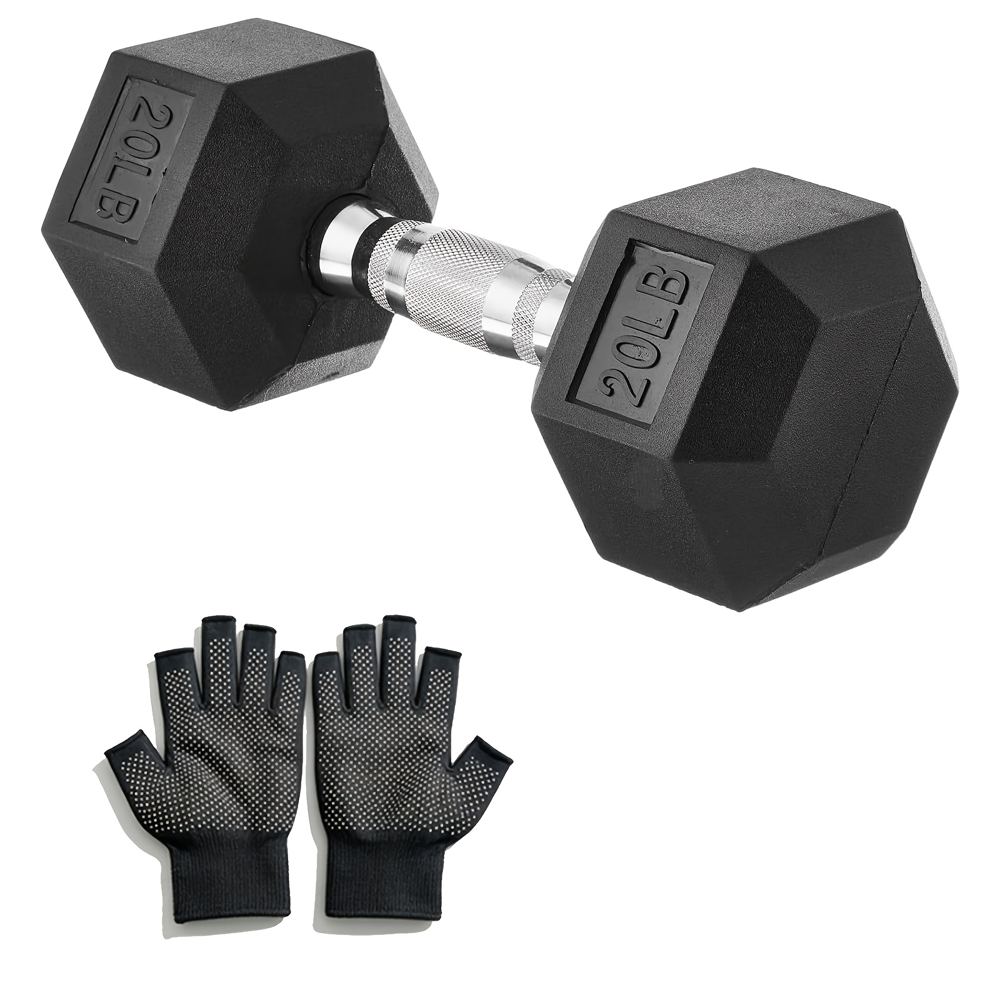
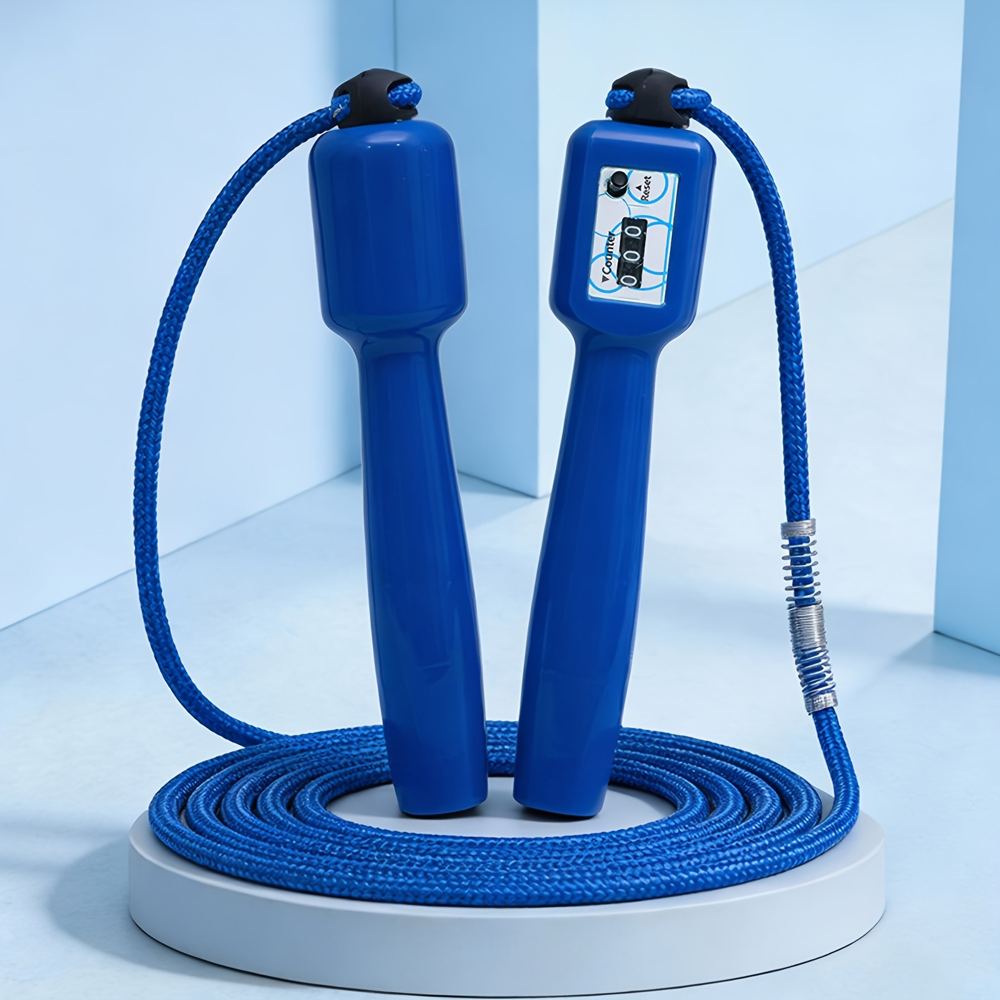
Equipment variety helps here. If your home routine has gone stale, introducing a new tool — like a pair of rubber-coated hex dumbbells with non-slip gloves for heavier strength work, or a mechanical counting jump rope for a fresh cardio stimulus — can be the novel challenge your body needs. New movement patterns are themselves a stimulus.
Response 2: Take a Deload Week (Yes, Really)
This feels backwards, but accumulated fatigue masks progress. If you've been training hard for 6–10 weeks without an easy week, your body may simply be too tired to show what it's gained.
A deload week means cutting volume roughly in half — same movements, lighter weights, fewer sets, easy cardio — for one week. Most people return stronger, fresher, and surprised at how much fatigue was hiding their progress. Deloads aren't laziness; they're part of every well-designed program. If the idea of "doing less" makes you anxious, that's usually a sign you needed it.
Response 3: Audit Sleep and Stress
This is the most overlooked plateau-breaker. Poor sleep and chronic stress raise cortisol, impair recovery, blunt training adaptation, and drive water retention and appetite — all of which look exactly like a plateau.
Before changing your training or diet, honestly audit:
- Are you sleeping 7–9 hours most nights? (If training is wrecking your sleep, our exercise and sleep guide covers timing fixes.)
- Has life stress spiked? New job, family pressure, financial worry — your body doesn't separate life stress from training stress.
- Are rest days actually restful, or just days without the gym?
Fixing sleep alone has broken more "plateaus" than any workout tweak. It's unglamorous, but it's real.
Response 4: Check Nutrition Consistency (Not Perfection)
For fat-loss plateaus specifically, the usual culprit is drift, not disaster:
- Portion creep. The servings that worked three months ago have quietly grown. A week of honest tracking (not forever — just a week) reveals this fast.
- Weekend erosion. Five disciplined days undone by two unmeasured ones. Consistency across the whole week matters more than perfection on weekdays.
- Protein and whole foods. Enough protein supports muscle retention during fat loss; whole foods keep you fuller. Small, sustainable adjustments beat overhauls.
- NEVER the answer: crash dieting. Slashing calories drastically tanks energy, wrecks training quality, disrupts hormones and sleep, and virtually guarantees rebound. If your instinct is "eat almost nothing," that's the plateau talking, not strategy. Modest, sustainable adjustments — or simply more patience — are the way.
Our guide on realistic weight loss expectations sets honest timelines so you can tell a true stall from normal slow progress.
Strength vs. Cardio: Choosing the Right Lever
When fat loss stalls, people usually add more cardio. Sometimes that's right — but often the better lever is strength training, which preserves muscle (keeping your metabolism healthier during fat loss) and changes body composition even when the scale barely moves. Our strength vs. cardio for fat loss guide compares the two honestly so you can pick the right tool for your situation.
What NOT to Do During a Plateau
- Don't double your training overnight. More volume on a fatigued body deepens the hole.
- Don't crash diet. Covered above — it backfires on every metric that matters.
- Don't program-hop weekly. Changing everything every week prevents the consistency needed to judge anything. Give each adjustment 3–4 weeks.
- Don't compare your timeline to someone else's. Genetics, age, sleep, stress, and starting point make every journey different. Results vary — always.
- Don't quit at the plateau. This is the filter: almost everyone who reaches long-term fitness goals pushed through multiple plateaus. The plateau isn't the end of progress; it's the price of admission to the next level.
FAQ
Q: How long do fitness plateaus last?
It varies widely. With the right adjustment, many plateaus break within 2–4 weeks. Some take 6–8 weeks, especially when the cause is accumulated fatigue or life stress rather than programming. What matters is responding intelligently rather than waiting passively — change one variable, give it a few weeks, reassess.
Q: Is it normal for weight loss to stop after a few months?
Completely normal. Early weight loss is often faster (water, glycogen, initial deficit response), then the body adapts and the rate slows. A true stall is 3–4 weeks with no trend change despite consistency. Before that, you're likely seeing normal fluctuation — the scale is a noisy instrument, so track the trend, not the day.
Q: Should I eat less or exercise more to break a plateau?
Usually neither, at first. Audit sleep, stress, and consistency first — those fix more plateaus than people expect. If nutrition needs adjusting, make modest sustainable changes, never drastic cuts. If training needs adjusting, change the stimulus (variety, progression) rather than just adding volume. And never crash diet — it undermines the very progress you're chasing.
Q: Can a plateau mean I'm overtraining?
Yes — persistent stalling combined with poor sleep, irritability, flat energy, declining performance, or getting sick more often points to accumulated fatigue rather than a programming problem. The fix is a deload week (or more), better sleep, and reduced life stress — not harder training.
Q: When should I get professional help for a plateau?
If you've been genuinely consistent for 8–12 weeks, tried sensible adjustments (varied stimulus, deload, sleep audit, modest nutrition tweaks), and nothing is moving — a qualified coach or trainer can spot what you're missing. Also consult a healthcare professional if a plateau comes with concerning symptoms: persistent fatigue, hair loss, missed periods, or mood changes.
Conclusion
A plateau is adaptation, not failure — proof that your earlier work changed your body, and an invitation to change the approach. Verify it's real (3–4 weeks of consistent effort), then respond with intelligence: vary the stimulus, deload when fatigued, audit sleep and stress, and adjust nutrition modestly. Never with crash diets, never with panic. Everyone who stays fit long-term has pushed through plateaus; they're simply part of the journey. Change one thing, give it time, and keep going — the next level of progress is usually on the other side of the stall.