Up 2 pounds overnight? Don't panic. Learn why the scale fluctuates daily — water, glycogen, sodium, hormones — and how to weigh yourself for real trends.
Why the Scale Fluctuates: Water, Glycogen and Normal Variation

You stepped on the scale this morning and it says two pounds more than yesterday. You didn't eat two pounds of food. You didn't gain two pounds of fat overnight. So what happened?
Almost certainly: water. The number on the scale is not a pure measure of body fat — it's the total weight of everything in and on your body at that moment, and most of it shifts around daily for completely normal reasons. Understanding those reasons can save you from the emotional rollercoaster of daily weigh-ins and help you read the scale like what it is: a noisy instrument, not a verdict.
This guide explains the main causes of normal weight fluctuation, how to weigh yourself for meaningful trends, and when fluctuations are worth discussing with a professional. No promises, no timelines — just how your body actually works.
This guide contains affiliate links. If you buy through them, VÉLORA may earn a commission at no extra cost to you.
What the Scale Actually Measures
Your scale measures total body mass: fat, muscle, bone, organs, water, glycogen (stored carbohydrate), the food in your digestive tract, and even the clothes you're wearing. Of all of these, water is by far the most variable day to day — an adult body is roughly half to two-thirds water, and that water content shifts constantly.
A daily swing of 1–3 pounds (roughly 0.5–1.5 kg) in either direction is completely normal for most adults. Larger swings can happen too, especially around workouts, salty meals, travel, or hormonal shifts. None of this reflects fat gain or loss — fat changes happen slowly, over weeks, not overnight.
The Main Causes of Daily Fluctuation
Water retention
This is the big one. Your body holds and releases water constantly in response to sodium intake, hormones, hydration, temperature, and inflammation. A salty restaurant meal can easily add a pound or two of water weight that disappears within a day or two of normal eating. This is not fat — it's fluid balance doing its job.
Glycogen (stored carbohydrate)
Your muscles and liver store carbohydrate as glycogen for energy, and each gram of glycogen is stored with roughly 3 grams of water. That means a carb-heavy day can add noticeable scale weight (glycogen + its water), while a low-carb day or a long workout that depletes glycogen can drop it. Athletes see this constantly: weigh in after a rest day with big meals, then again after a hard training day, and the difference can be several pounds. Both readings are "real" — neither is fat change.
Sodium
Sodium makes your body hold onto water — that's its normal physiological role. One salty meal won't harm you, but it will very likely show up on tomorrow's weigh-in. The effect is temporary and reverses as your sodium intake normalizes. No need to fear salt; just understand the pattern so a salty dinner doesn't ruin your morning.
The menstrual cycle
Hormonal shifts across the menstrual cycle cause very predictable water retention for many women — often in the days before bleeding starts, with the scale dropping back down within a few days. If your weight reliably climbs at the same point each month, that's your cycle, not your diet failing. Tracking your cycle alongside weigh-ins makes this pattern obvious and much less stressful.
Workout inflammation
Here's one that surprises people: starting a new exercise routine (or a particularly hard session) often makes the scale go up temporarily. Hard training causes microscopic muscle stress, and your body responds with inflammation and fluid retention as part of the repair process. This is healthy adaptation, not fat gain — and it typically settles within a few days as your body adjusts. Don't let a new workout program's early weigh-ins discourage you; they're measuring repair, not results.
Food volume and digestion
The physical weight of food and fluid in your digestive tract matters. A large late dinner, extra fiber, or simply being a bit backed up can all add a pound or more that has nothing to do with body composition. This is also why weighing at consistent times matters (more below).
Weigh-In Best Practices: Getting Signal, Not Noise
You can't stop the fluctuations — but you can weigh in a way that reveals the real trend underneath them:
- Same time, same conditions. First thing in the morning, after using the bathroom, before eating or drinking, wearing the same (or no) clothes. Morning weigh-ins minimize food, fluid, and clothing variables.
- Same scale, same spot. Different scales read differently, and even the same scale on an uneven floor can vary. Pick one scale and one flat, hard surface.
- Look at weekly averages, not daily numbers. Weigh daily if you like data, but judge by the 7-day average trend — or weigh 2–3 times a week and compare week to week. The trend over 2–4 weeks is what matters.
- Track context. Note your cycle phase, unusually salty meals, hard workouts, travel, and poor sleep alongside weigh-ins. Patterns emerge quickly and explain most "mystery" jumps.
- Don't weigh after workouts, big meals, or late at night. These readings are the noisiest of all and tell you nothing useful.
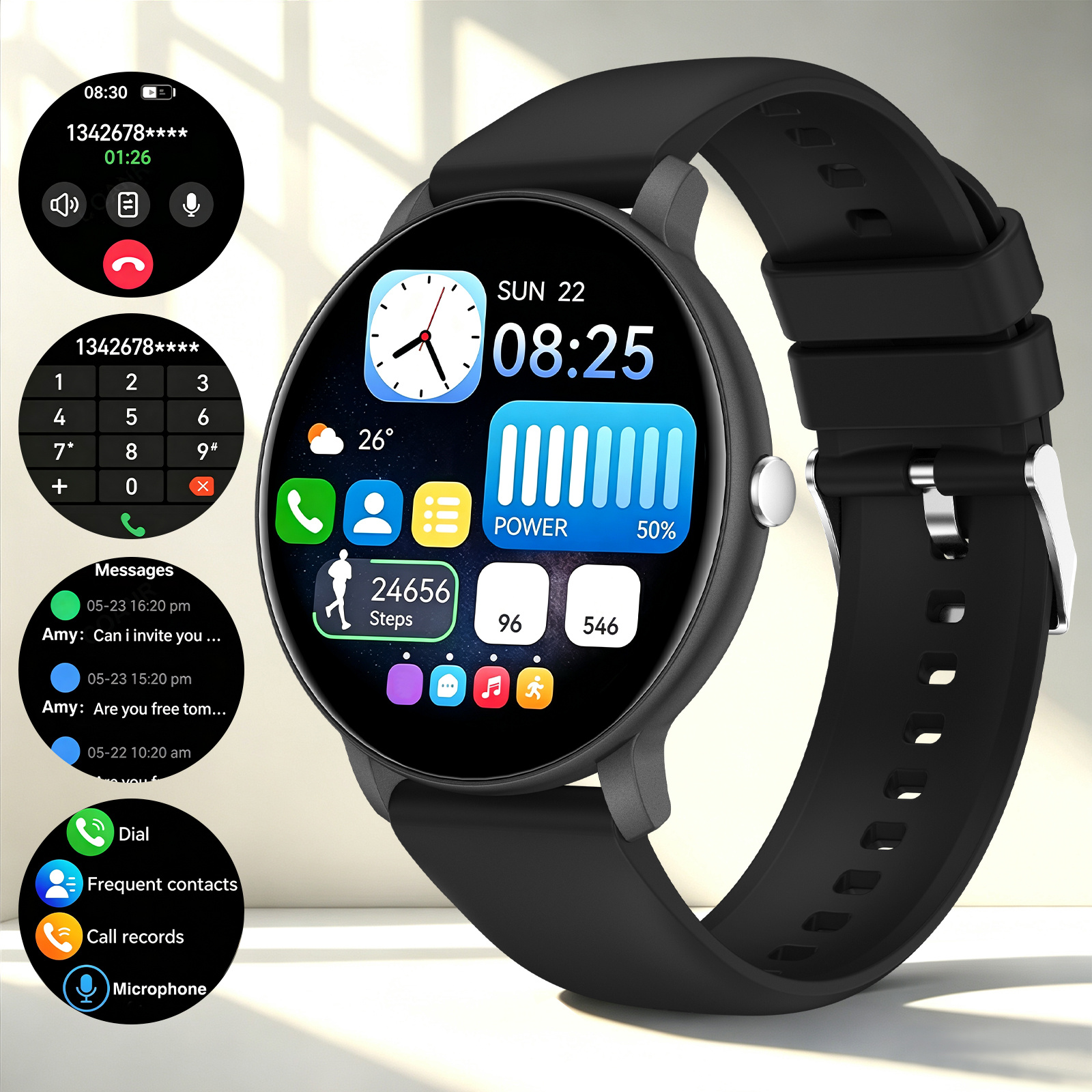
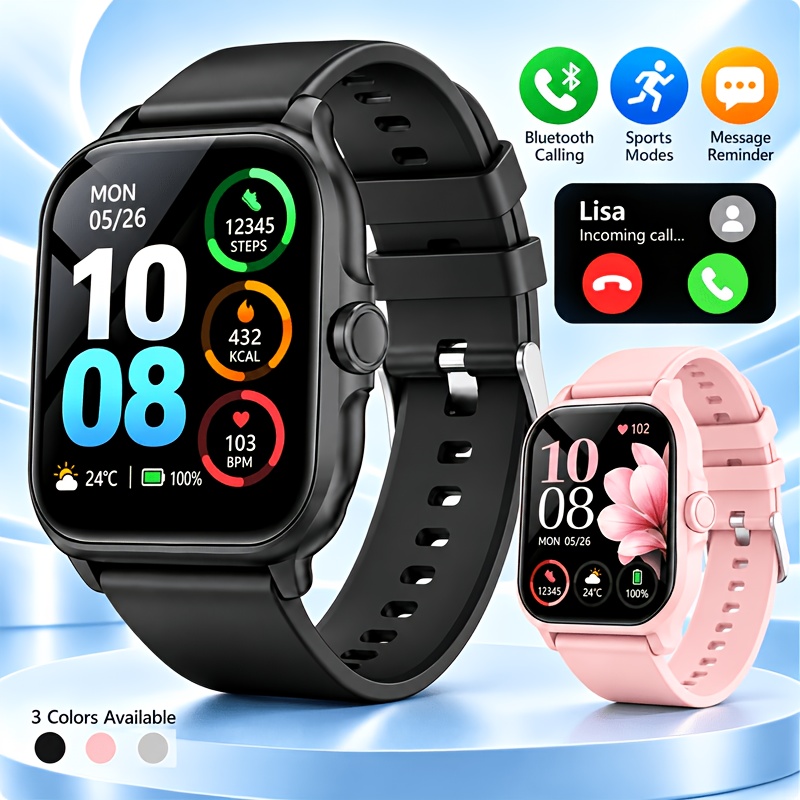
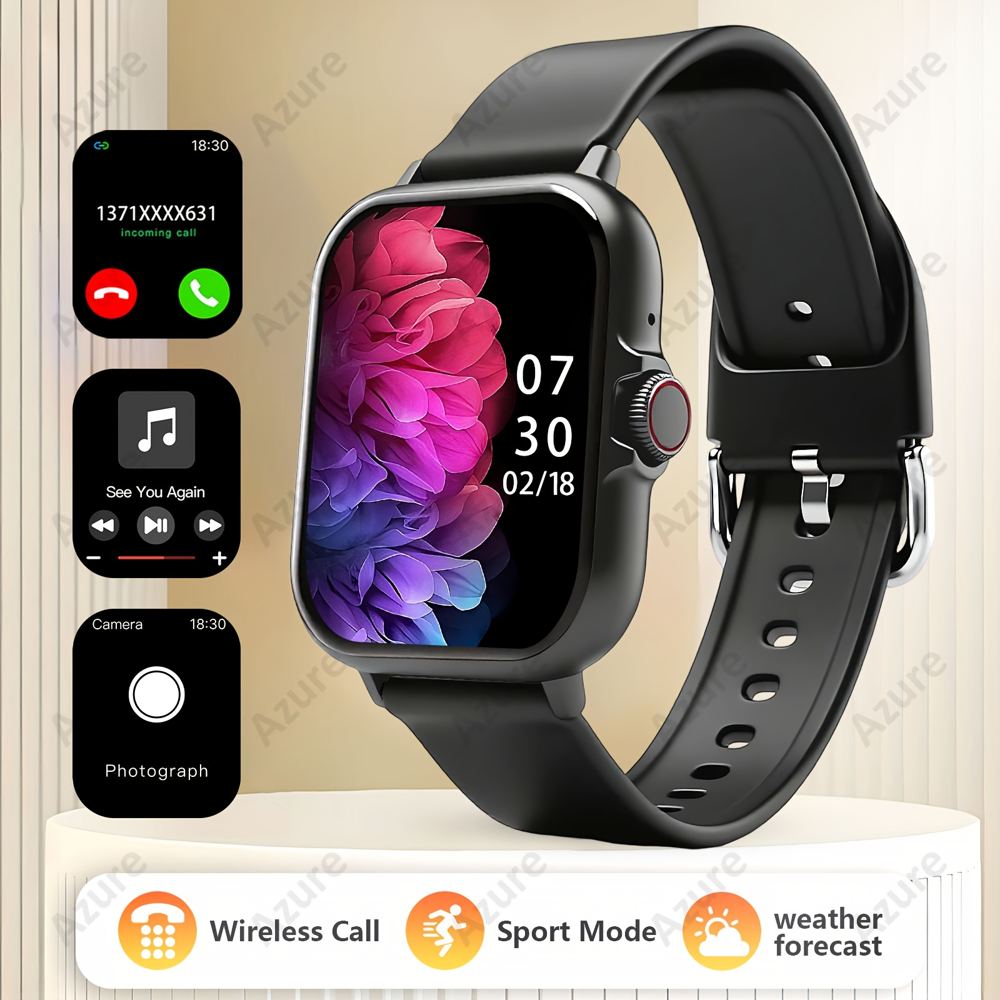
A fitness smartwatch can help you track the bigger picture — activity, sleep, and trends over time — so the scale becomes one data point among many rather than the whole story. Options like the women's smartwatch with fitness tracking or the 1.83-inch HD sports smartwatch keep your activity and health trends in one place.
Fluctuation Causes at a Glance
| Cause | Typical swing | How long it lasts | What to do | |---|---|---|---| | Salty meal | 1–2 lb up | 1–2 days | Nothing; eat normally | | Hard workout (new/hard session) | 1–3 lb up | 2–4 days | Keep training; it's repair | | Menstrual cycle (pre-period) | 1–3 lb up | A few days | Track your cycle; expect it | | Big / late meal | 1–2 lb up | Until digested | Weigh in the morning instead | | Dehydration then rehydrating | 1–2 lb either way | Hours to a day | Drink water normally | | Travel (flying, sitting, salty food) | 2–4 lb up | 2–3 days | Move, hydrate, resume routine | | Glycogen depletion (long workout) | 1–2 lb down | Until you refuel | Eat normally; it returns |
Reframing Your Relationship With the Scale
If daily weigh-ins spike your anxiety, you have options — and none of them involve quitting on your health:
- Weigh less often. Weekly or biweekly weigh-ins show trends with far less noise.
- Use other measures. How clothes fit, energy levels, strength gains, and measurements (waist, hips) change more slowly and meaningfully than daily scale numbers.
- Set a "data, not drama" rule. The scale is a measurement tool, like a thermometer. A single reading is information, not a grade.
- Take breaks. It's completely fine to put the scale away for a month and focus on behaviors — consistent movement, balanced meals, good sleep. Behaviors are what you control; the scale just reports.
Our truth about belly fat and exercise and women's fitness myths guides tackle more of the misconceptions that make the scale feel scarier than it is.
When Fluctuations Warrant a Professional Conversation
Normal fluctuation is daily noise. But talk to a healthcare professional if you notice:
- Rapid, unexplained weight change — gaining or losing a significant amount over a few weeks without trying, especially with no change in habits.
- Sudden swelling — puffy ankles, hands, or face appearing quickly, which can signal fluid issues worth checking.
- Fluctuations paired with symptoms — extreme fatigue, shortness of breath, chest discomfort, or digestive problems alongside weight changes.
- An unhealthy relationship with weighing — if the scale is driving restrictive eating, purging, or severe distress, please reach out to a professional or a trusted support resource. Your wellbeing matters more than any number.
Also remember: exercise supports health at every size, and movement has benefits — strength, energy, mood, sleep — that no scale can measure. Our how to track your workouts guide offers progress measures beyond body weight.
Common Mistakes
- Panicking over one reading. A single weigh-in is noise. Only trends matter.
- Weighing at random times. Afternoon, post-meal, post-workout readings aren't comparable to morning ones.
- Changing your whole plan after a bad weigh-in. Slashing calories or adding extra workouts because of water weight is reacting to noise with real consequences.
- Comparing your fluctuations to someone else's. Bodies vary enormously in how much they swing day to day.
- Ignoring the menstrual cycle. If you menstruate, cycle-related retention explains a huge share of monthly "mystery" gains.
FAQ
Q: Why did I gain 2 pounds overnight?
Almost certainly water — from sodium, glycogen storage, a larger meal, hormonal shifts, or workout-related inflammation. Gaining 2 pounds of actual fat overnight would require eating roughly 7,000 calories above what you burn in a single day, which is extraordinarily unlikely. Give it a few days of normal routine and watch it settle.
Q: How much does weight normally fluctuate in a day?
For most adults, 1–3 pounds (about 0.5–1.5 kg) of daily fluctuation is completely normal. It can be more around intense training, travel, salty meals, or hormonal shifts. What matters is the trend over weeks, not any single day.
Q: Should I weigh myself every day?
It's a personal choice. Daily weighing gives the best data for weekly averages, but it also exposes you to the most noise — which bothers some people. If daily numbers stress you out, weigh 2–3 times a week or weekly. Either way, judge by trends, not single readings.
Q: Why does the scale go up when I start exercising?
New or intense exercise causes muscle repair inflammation and glycogen/water shifts, which temporarily increase scale weight. This is a sign your body is adapting — not a sign the exercise "isn't working." It typically resolves within days to a couple of weeks as your body adjusts.
Q: Does drinking water make me gain weight on the scale?
Temporarily, yes — water has weight, and a big glass adds about half a pound until your body processes it. But staying hydrated doesn't cause fat gain, and dehydration is far worse for you than any number on the scale. Drink your water.
Q: When should I worry about weight fluctuations?
Worry less about the fluctuations themselves and more about patterns: rapid unexplained change over weeks, sudden swelling, or weight changes paired with symptoms like fatigue or breathlessness. Those deserve a professional conversation. Day-to-day noise does not.
Conclusion
The scale is a blunt instrument measuring a complex, water-filled, constantly shifting system — and daily ups and downs of a few pounds are simply how bodies work. Water, glycogen, sodium, hormones, workouts, and meals all move the number around, and none of that is fat gain or loss. Weigh consistently, watch the multi-week trend, track your context, and give the number the weight it deserves: some. Your habits — moving regularly, eating reasonably, sleeping well — are the real story. The scale is just a noisy narrator.