Core stability vs core strength — what each one means, how they differ, and the exercises plus weekly balance that build a truly resilient midsection.
Core Stability vs Core Strength: Why Both Matter
You have probably heard both terms — core strength and core stability — used as if they mean the same thing. They don't. One is about how much force your midsection muscles can produce; the other is about how well they control your spine while you move. A strong core that cannot stabilize is like a powerful engine with loose steering — impressive in theory, unhelpful when you actually need it.
This guide explains the difference in plain language, shows you where each one matters in daily life, and gives you exercises for both. You don't need a gym, and you don't need to choose between them.
This guide contains affiliate links. If you buy through them, VÉLORA may earn a commission at no extra cost to you.
What Is Core Strength?
Core strength is your midsection's ability to generate force, coming mostly from the movement-producing muscles: the rectus abdominis (the "six-pack" muscles down the front), the obliques along your sides, and the hip flexors.
When you sit up from lying down or pull a heavy suitcase upright, you are using core strength. It is measured by questions like: how many sit-ups can you do?
Core strength matters. It makes everyday movements easier, supports athletic performance, and gives you the raw power to lift, carry, and move confidently. But on its own, it is an incomplete picture.
What Is Core Stability?
Core stability is your core's ability to keep your spine controlled and supported — especially when your arms and legs are moving. It comes mainly from the deep stabilizers: the transversus abdominis (a deep corset-like muscle around your waist), the multifidus (small muscles along the spine), the diaphragm, and the pelvic floor working together.
Here is the key difference: stability is about resisting movement, not creating it. When you carry a grocery bag in one hand and your body has to stop you from tipping sideways — that is core stability. When you pick up a toddler and your back stays neutral instead of rounding — that is core stability. When you walk on an uneven sidewalk without stumbling, stability is doing the quiet work.
These deep muscles fire before you move — they brace your spine in anticipation of effort. Strength without that bracing is where many back strains begin: the big muscles pull hard, but nothing was holding the spine steady.
The Key Difference at a Glance
| Feature | Core Strength | Core Stability | |---|---|---| | Definition | Ability to produce force through the trunk | Ability to control the spine and resist unwanted movement | | Main muscles | Rectus abdominis, obliques, hip flexors | Transversus abdominis, multifidus, pelvic floor, diaphragm | | Typical movement | Spinal flexion, rotation (sit-ups, twists) | Bracing, anti-rotation, anti-extension (planks, dead bugs) | | Trained by | Higher-rep or loaded trunk exercises | Slow, controlled holds and limb movements on a stable trunk | | Daily-life payoff | Sitting up, lifting, twisting with power | Protecting the back while lifting, carrying, walking uneven ground | | Risk of neglecting | Weak midsection force for daily tasks | Spine left unprotected during movement — a common back-strain setup |
Why Women Especially Need Both
Women's daily lives often demand stability more than raw power: carrying a child on one hip, lifting laundry baskets, sitting at a desk for hours. That said, strength matters too — hauling groceries and sports like hiking all ask your midsection to produce real force. The healthiest approach is to train both. For a full beginner foundation, see our Core Workout for Women Beginners guide.
Core Strength Exercises
These build force production. Keep them controlled — the goal is strong, purposeful movement.
Modified Sit-Up
Purpose: Builds the rectus abdominis' ability to flex the trunk under load.
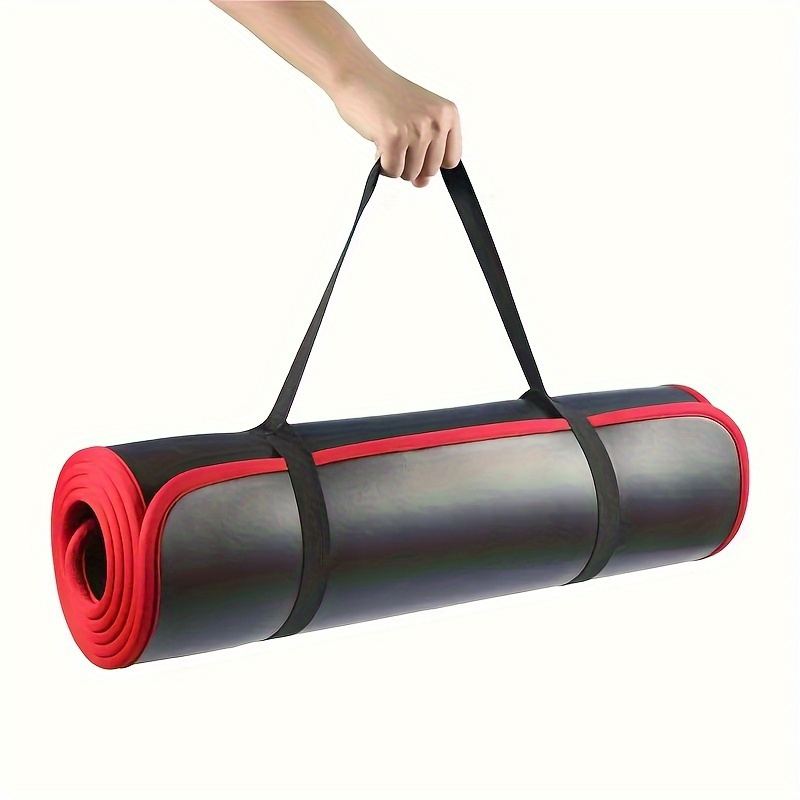
Starting position: Lie on your back, knees bent, feet flat on a mat like the Extra-Thick 10mm Yoga Mat, fingertips lightly touching your temples or arms crossed over your chest.
Technique: Press your lower back gently toward the floor, then curl your shoulder blades off the mat in a smooth motion. Pause briefly at the top, then lower slowly. Your lower back should not arch off the floor during the curl.
Breathing and reps: Exhale as you curl up, inhale as you lower. Aim for 2–4 sets of 10–20 reps.
Beginner modification: A smaller range — lifting just the shoulder blades — still trains the muscle well.
Common mistakes: Yanking the neck (your hands are just resting, not pulling), using momentum, and arching the lower back.
Standing Oblique Side Bend
Purpose: Builds the obliques' ability to produce lateral force — useful for carrying and twisting tasks.
Starting position: Stand tall, feet hip-width apart, a light dumbbell or water bottle in one hand, the other hand behind your head.
Technique: Keeping your hips still and facing forward, bend sideways toward the weight, lowering it toward your knee, then return to standing using your side waist muscles.
Breathing and reps: Exhale as you bend, inhale returning up. Aim for 2–3 sets of 10–16 reps per side.
Common mistakes: Twisting forward instead of bending purely sideways, and rushing the return.
Core Stability Exercises
These train control. Slower is better here — quality of bracing beats quantity of reps.
Dead Bug
Purpose: The gold standard for teaching your deep core to stabilize the spine while the limbs move — exactly what happens when you walk, carry, and lift.
Starting position: Lie on your back, arms reaching toward the ceiling, knees bent at 90 degrees over your hips, lower back in light contact with the mat.
Technique: Before moving, draw your belly button gently inward as if tightening a belt one notch. Slowly lower your right arm overhead and extend your left leg toward the floor, keeping the lower back pinned to the mat. Return and switch sides. If your back arches, you have gone too far.
Breathing and reps: Breathe continuously; a gentle exhale as you extend helps the brace. Aim for 2–3 sets of 8–12 reps per side.
Beginner modification: Move only the arms first, keeping feet planted, until you can hold the brace reliably.
Common mistakes: Letting the lower back arch off the floor, holding your breath, and rushing.
Bird Dog
Purpose: Trains spinal stabilizers to keep the pelvis level while opposite limbs move — the same pattern as walking and carrying.
Starting position: On all fours — wrists under shoulders, knees under hips, back flat like a tabletop.
Technique: Engage your belly lightly, then extend your right arm forward and left leg back until both are roughly parallel to the floor. Keep your hips level — imagine balancing a glass of water on your lower back. Hold one to two seconds, return, and switch sides.
Breathing and reps: Breathe steadily, exhaling gently during the extension. Aim for 2–3 sets of 8–12 reps per side.
Beginner modification: Extend only the leg, keeping both hands down, until balance improves.
Common mistakes: Hips rotating open, lower back sagging, and craning the neck up.
Forearm Plank
Purpose: Teaches the whole core to brace against gravity — pure anti-extension stability.
Starting position: Forearms on the mat, elbows under shoulders, legs extended behind you, body a straight line from head to heels.
Technique: Squeeze your glutes, gently draw the belly in, and press the floor away. Breathe normally — a brace is not a held breath.
Breathing and reps: Aim for 2–4 sets of 20–60 seconds, or start on your knees keeping a straight line from knees to head. Rest 30–60 seconds between sets. When the hips sag or pike up, the core has stopped working — end the set.
Pallof Press (Anti-Rotation)
Purpose: Trains the obliques and deep core to resist rotation — the stability skill behind carrying a bag on one side or catching yourself off balance.
Equipment: A loop resistance band anchored at chest height (a sturdy door anchor or post). Our Best Resistance Bands for Women guide covers safe options.
Starting position: Stand sideways to the anchor, feet shoulder-width apart, band held at your chest.
Technique: Press the band straight out and hold two to three seconds while your core fights the band's pull. Return to the chest. Your torso should not rotate at all — the whole exercise is that fight.
Breathing and reps: Exhale as you press out. Aim for 2–3 sets of 8–12 presses per side.
How to Train Both: A Simple Weekly Balance
You don't need separate "strength days" and "stability days" as a beginner. Just make sure both show up each week:
- Two to three core sessions per week, each 10–15 minutes, after a 2–3 minute easy warm-up.
- Each session: one strength exercise (sit-up or side bend) + two stability exercises (dead bug + plank, or bird dog + Pallof press).
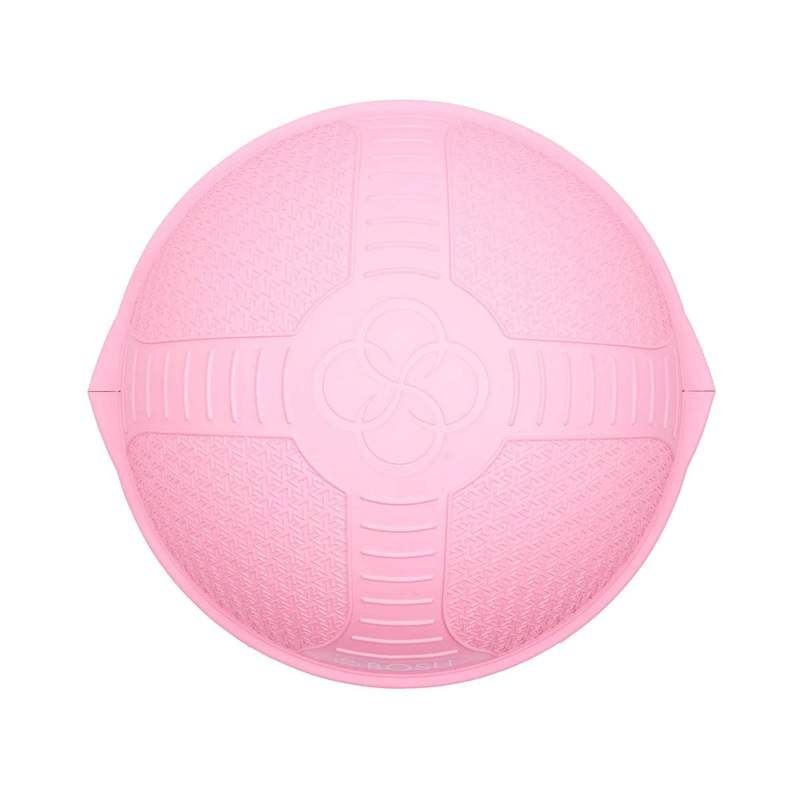
- Progress gradually: add reps, hold time, or band resistance — never all at once. Unstable surfaces like a Bosu Home Balance Trainer add a stability challenge later on — but master the floor versions first. For more balance-focused work, see our Balance Exercises for Women.
Safety Notes
- Stop any exercise that causes sharp, shooting, or joint pain. Muscle effort is normal; pain is a signal to stop.
- If you are pregnant, postpartum, or managing a back condition or pelvic floor issue, check with your doctor or physiotherapist before starting. Our Exercise During Pregnancy Safety and Postpartum Exercise Guide cover the essentials.
- When form breaks down, the set is over — keep every rep slow and controlled.
FAQ
Q: Which is more important — core strength or core stability?
Neither wins alone; they are partners. Stability protects your spine during movement, while strength gives you the force for daily tasks. Most people over-train strength (endless sit-ups) and under-train stability (braced, controlled work). If you have to prioritize one, start with stability — a stable spine makes every strength exercise safer.
Q: Can I build core stability without any equipment?
Absolutely. Dead bugs, bird dogs, planks, and glute bridges all need nothing but a mat or carpet. Equipment like bands and balance trainers adds variety later, but the foundation is entirely bodyweight.
Q: How long does it take to notice a difference?
Many people notice everyday movements — standing up, carrying bags, climbing stairs — feeling more controlled within a few weeks of consistent practice. Visible muscle definition depends on many individual factors and takes longer; there is no honest fixed timeline.
Q: Do planks count as strength or stability?
Primarily stability — a plank trains your core to resist extension rather than to produce trunk movement. That is why pairing planks with a movement like sit-ups or side bends covers the full picture.
Q: Will core training reduce belly fat?
No exercise selectively removes fat from one area — that is the spot-reduction myth. Core training builds and strengthens the muscles underneath. Visible changes in the midsection come from overall activity, nutrition, sleep, and individual factors, and results vary from person to person.
Q: I have a desk job. Where do I start?
Start with stability: dead bugs and glute bridges, two to three times per week. Desk workers typically need anti-extension control and hip strength more than another sit-up variation. Add short walks or standing breaks through the day alongside it.
The Bottom Line
Core strength is force; core stability is control. You need force to move through life and control to move safely. Train both — a couple of slow, braced stability exercises plus one strength movement, two to three times a week — and your midsection will handle everything from grocery runs to weekend hikes.
