Cat-cow and spinal mobility in a daily 5-minute practice: exact form, breathing, variations, and a gentle sequence to keep your spine moving well every day.
Cat-Cow and Spinal Mobility: A Daily 5-Minute Practice
Your spine was built to move — to round, arch, twist, and bend in every direction. But most modern days ask it to do exactly one thing: sit still. Hours at a desk, in a car, or on a couch slowly teach the spine to forget its full range, and that stiffness is what most people feel as everyday back tightness.
Cat-cow is the simplest antidote. It is two poses — cow (gentle arch) and cat (gentle round) — flowing together on all fours, coordinated with the breath. It takes about a minute to learn and five minutes to practice, and it is one of the most joint-friendly ways to keep the spine mobile at any age.
This guide gives you the exact form, the breathing pattern that makes it work, common mistakes, and a complete 5-minute daily spinal mobility sequence built around it. No flexibility required, no equipment beyond a mat.
A word of honesty: cat-cow is a mobility practice, not a treatment. It reliably helps many people feel looser and move better, but it will not fix disc problems, cure chronic back pain, or deliver results on any fixed timeline. If you have ongoing back pain, get it assessed rather than stretching around it.
This guide contains affiliate links. If you buy through them, VÉLORA may earn a commission at no extra cost to you.
What Cat-Cow Actually Does
The spine moves in segments, and cat-cow takes each of them — neck, upper back, mid-back, lower back — through flexion (rounding) and extension (arching) in a slow wave. This:
- Warms the spinal joints with gentle, controlled motion — useful first thing in the morning or before any workout.
- Mobilizes the thoracic spine (upper/mid back), the stiffest region for most desk workers.
- Coordinates breath with movement, which calms the nervous system — the slow rhythm is genuinely relaxing.
- Builds body awareness of how your back moves, which carries into better posture and safer lifting.
For more on why gentle movement matters as a daily habit, see our low-impact workouts for women guide.
Cat-Cow: Exact Form
Purpose: Move the full spine through flexion and extension with breath coordination.
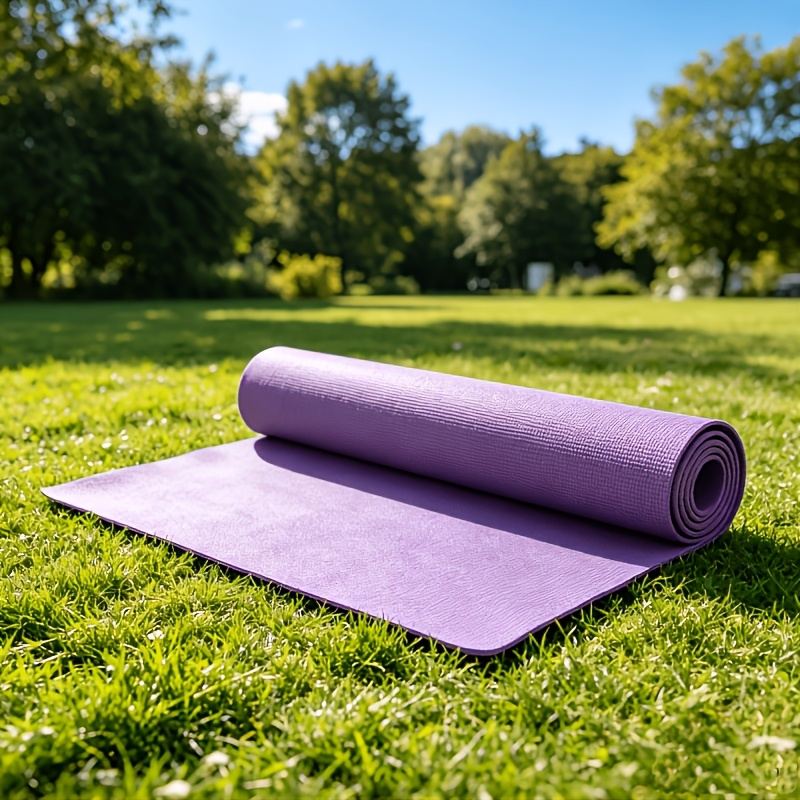
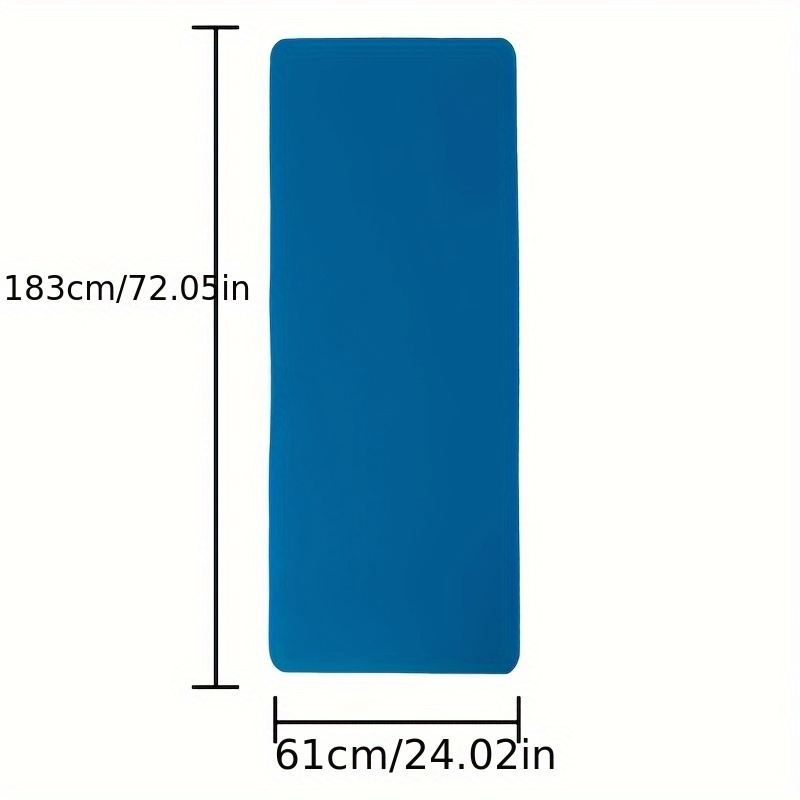
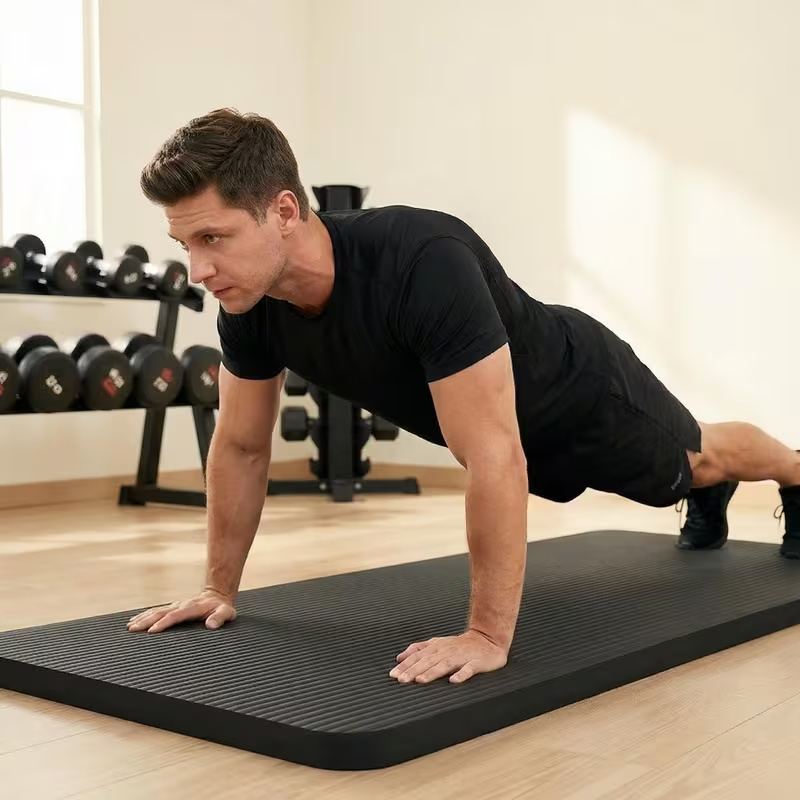
Equipment: A mat with enough cushion for your knees. A standard 8mm non-slip yoga mat works well; if your knees are sensitive, a thicker 10mm cushioned mat or a folded blanket under the knees is kinder. Our guide to the best yoga mats for bad knees has more options.
Starting position: Come to all fours. Hands directly under shoulders, fingers spread wide. Knees directly under hips, hip-width apart. Shins and tops of the feet resting on the mat. Start with a neutral spine — back flat like a tabletop, gaze down at the mat.
Technique — Cow (inhale):
- Inhale slowly. Let the belly drop toward the mat.
- Lift the sitting bones and the chest, letting the back arch gently.
- Let the head follow last — gaze forward, not craning up. Keep the shoulders away from the ears.
- Feel the front of the body open from chin to hips.
Technique — Cat (exhale):
- Exhale slowly. Tuck the tailbone under.
- Round the back upward, pushing the floor away with your hands.
- Let the head release last — chin toward the chest, gaze toward the navel.
- Feel the back of the body stretch from neck to tailbone.
Breathing: Inhale into cow, exhale into cat. Make each phase last one full, slow breath — roughly 4–5 seconds each. The breath leads; the movement follows it, not the other way round.
Sets/reps ranges: 8–15 slow rounds per session (one round = one cow + one cat). Beginners start at 6–8 rounds; build to 12–15 over a few weeks.
Beginner modifications:
- Move smaller. A subtle wave is still cat-cow — range will grow with time.
- Slow down further if the movement feels jerky; smoothness matters more than size.
- If the wrists ache, make fists or place the hands on a slightly elevated surface. If the knees hurt, double up the padding.
- Chair version: sit tall in a sturdy chair, hands on knees — arch on the inhale, round on the exhale. Same wave, no floor required.
Common mistakes:
- Moving only the neck. The wave should travel through the whole spine — many beginners just bob the head. Think of initiating from the tailbone and letting the motion ripple upward.
- Rushing. Two seconds per phase turns it into fidgeting. Slow it to the breath.
- Forcing the arch. Cow is a gentle lift, not a backbend. If the lower back pinches, make the arch smaller.
- Holding the breath. Breath-holding kills the calming effect and the rhythm. If you lose the breath pattern, pause and restart it.
- Collapsing the shoulders. Keep pushing the floor away in cat and drawing the shoulder blades gently together in cow.
Safety: Cat-cow is gentle, but respect your body. If you have a herniated disc, spinal stenosis, or are recovering from back surgery, check with your provider about which spinal movements are appropriate — some conditions tolerate flexion better than extension and vice versa. Stop if you feel sharp pain, numbness, or tingling.
The Daily 5-Minute Spinal Mobility Sequence
Do this once a day — morning, midday desk break, or evening. Each move flows into the next.
| Order | Move | Duration | | --- | --- | --- | | 1 | Cat-cow | 8–12 rounds (~2 min) | | 2 | Child's pose | 30–60 sec | | 3 | Thread the needle (each side) | 30 sec per side | | 4 | Seated side bends (each side) | 30 sec per side | | 5 | Supine twist (each side) | 30–45 sec per side |
Move-by-Move Cues
1. Cat-cow (8–12 rounds). As described above. Settle into the rhythm before counting — the first two rounds are for finding the breath.
2. Child's pose (30–60 sec). From all fours, sit the hips back toward the heels, knees wide, arms extended forward, forehead resting on the mat. Breathe into the back of the ribcage — you should feel it expand with each inhale. This is a rest and a gentle stretch for the lower back in one.
3. Thread the needle (30 sec per side). From all fours, slide the right arm under the body to the left, resting the right shoulder and temple on the mat. Extend the left arm overhead or rest the hand on the lower back. This rotates the thoracic spine — the region that stiffens most from desk work. Repeat on the other side. Beginner modification: keep the bottom knee on the floor and the reach modest.
4. Seated side bends (30 sec per side). Sit cross-legged or in a chair. Inhale, reach the right arm overhead; exhale, lean gently left, feeling the right side body stretch. Keep both sitting bones grounded. Switch sides. Common mistake: collapsing forward instead of bending purely sideways — think of sliding between two panes of glass.
5. Supine twist (30–45 sec per side). Lie on your back, hug the knees to the chest, then drop both knees to the right, arms in a T. Keep both shoulders on the mat if you can — if a shoulder lifts, place a cushion under the knees. Turn the head left if the neck is comfortable. Repeat on the other side. Safety: keep the twist gentle; you are unwinding, not wringing.
When to Practice
- Morning: Loosens overnight stiffness. Even 3 minutes of cat-cow before the day starts changes how the back feels by noon.
- Midday desk break: The sequence above is a perfect screen break. The chair version of cat-cow works between meetings.
- Pre-workout: 1–2 minutes of cat-cow is an excellent spinal warm-up before strength training or yoga. See our beginner home workout plan for how to slot it in.
- Evening: The slow breathing makes it a genuine wind-down. Pair with legs-up-the-wall for a calming close to the day.
Consistency beats duration: five minutes daily does more than thirty minutes once a week.
Progressing the Practice
- Add rounds. Work from 6–8 cat-cow rounds toward 12–15.
- Slow the breath. Extend each phase from 4 seconds toward 6–8 as it feels comfortable.
- Add spinal waves. Try segmental cat-cow: move one vertebra at a time from tailbone to neck, then reverse. This builds fine control of the back.
- Add thoracic openers. Puppy pose (extended child's pose with the chest toward the mat) and supported fish over a cushion deepen the upper-back work.
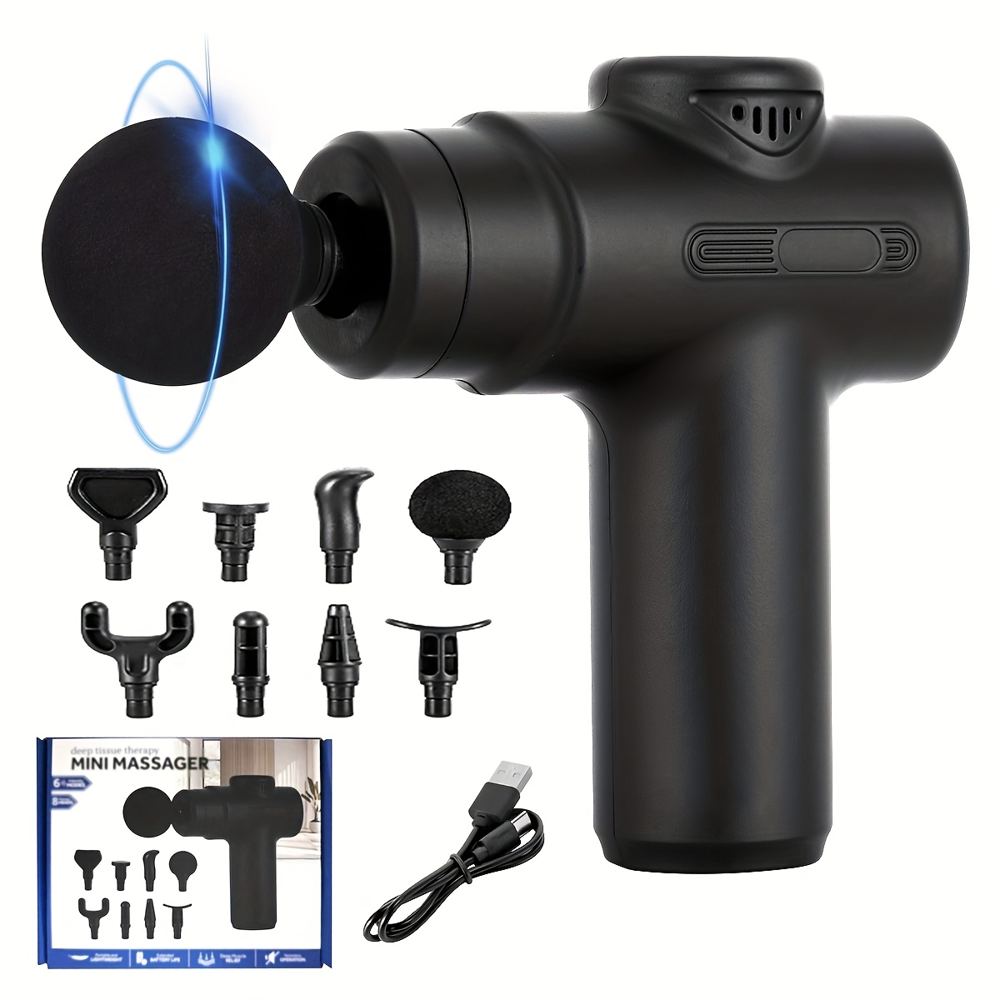
- Support recovery. If the muscles along the spine feel chronically tight, a portable fascia massage gun used gently on the paraspinal muscles (never directly on the spine bones) can complement the mobility work. Our best foam rollers guide covers more recovery tools.
Common Mistakes (Whole Practice)
- Treating it as a stretch to "push through." Mobility work rewards patience. Forcing range in the spine is how strains happen.
- Skipping the breath. Without breath coordination, cat-cow is just wiggling. The exhale-driven rounding is where the relaxation lives.
- Doing it once and judging it. Spinal mobility responds to weeks of daily practice, not a single session. Give it a month before you evaluate.
- Ignoring pain signals. Discomfort that eases with gentle movement is one thing; sharp, shooting, or radiating pain is a stop sign. See a professional.
FAQ
Q: How many cat-cows should I do a day?
For a daily practice, 8–15 slow rounds is a practical range — roughly 2–3 minutes. Beginners can start with 6–8 rounds and add more over a few weeks. Quality (slow, breath-linked, full-spine motion) matters far more than quantity.
Q: Is cat-cow good for lower back pain?
Many people find gentle cat-cow eases everyday back stiffness, and it is widely used as a low-risk mobility exercise. But it is not a treatment for back conditions — if your pain is persistent, severe, radiating down a leg, or follows an injury, see a healthcare provider for a proper assessment rather than self-treating.
Q: Can I do cat-cow if I'm pregnant?
Cat-cow on all fours is commonly practiced during pregnancy, but every pregnancy is different — check with your provider first, and stop if anything feels wrong. Our exercise during pregnancy safety guide covers the general principles.
Q: Cat-cow vs. just stretching my back — what's the difference?
Static back stretches hold one position; cat-cow moves the spine rhythmically through its range. The movement version warms the joints, coordinates the deep spinal muscles, and links to the breath — which is why it works so well as a daily practice and a warm-up, while static stretches suit the cool-down better.
Q: My back cracks during cat-cow. Is that bad?
Painless joint sounds during gentle movement are common and usually harmless. If the cracking comes with pain, swelling, or a feeling of instability, stop and get it checked — sound plus symptoms deserves professional attention.
The Bottom Line
Cat-cow is the rare exercise with no barrier to entry: no strength, no flexibility, no equipment beyond a mat, and five minutes a day. Learn the wave, link it to slow breathing, and practice it daily — morning, midday, or evening. Your spine moves a little better each week you keep it up, and that quiet, cumulative change is exactly what a daily practice is for.