Most workout habits fail because they demand too much too soon. Learn how to start small, stack habits, and bounce back after missed days — for good.
How to Build a Sustainable Workout Habit That Sticks
Every January, millions resolve to work out — and by March, most have quietly stopped. It's not a motivation problem. It's a design problem: plans that ask too much, too soon — five intense sessions a week, hour-long workouts, perfection from day one. Real habits aren't built on willpower. They're built on systems so easy you'd have to try to fail them.
This guide is about the behavior-change side of fitness: how to start small enough to succeed, how to anchor workouts to your existing life, how to design your environment so the easy choice is the active one, and how to handle the missed days that end most routines. The habit isn't "never missing." The habit is always coming back.
This guide contains affiliate links. If you buy through them, VÉLORA may earn a commission at no extra cost to you.
Why Motivation Fails (and What Works Instead)
Motivation is an emotion — it rises and falls with your sleep, stress, weather, and mood. Building a workout habit on motivation is like building a house on weather: some days are sunny, some aren't, and you need the house to stand regardless.
Behavior researchers have found something more reliable: identity and systems. People who exercise consistently for years rarely describe heroic motivation. They describe routines — "I train after dropping the kids off," "I walk every evening." The behavior became part of who they are and how their day flows, not something they negotiate each morning.
That shift — from "I need to get motivated" to "I have a system" — is the entire game. And systems are built from small, repeatable pieces, not grand resolutions.
Start Smaller Than You Think
The most common habit mistake is starting too big. Someone who hasn't exercised in a year commits to an hour a day, six days a week. It works for four days, then life happens, the streak breaks, and the whole plan collapses under its own weight.
Instead, start so small it feels almost silly:
- 10-minute workouts, 3 days a week. Thirty minutes total.
- One walk after dinner, daily. No distance requirement.
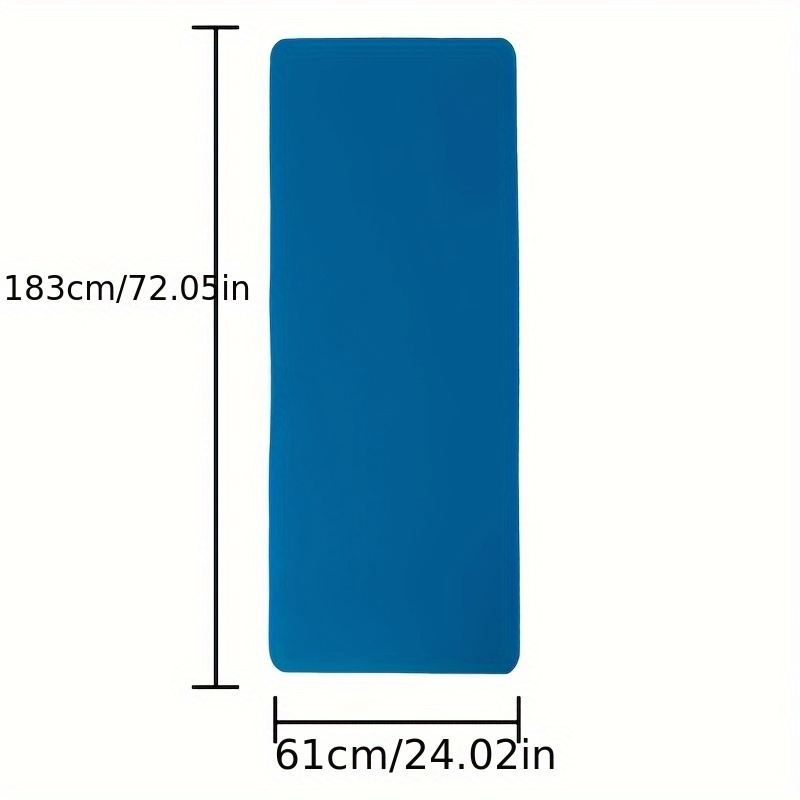
- Five minutes of stretching every morning on your yoga mat.
Why does tiny work? It's nearly impossible to fail, so early wins build confidence. Nobody is "too busy" for ten minutes, so the negotiation disappears. Most important: you're training the identity of "someone who works out," not chasing a fitness outcome. The ten-minute sessions will grow naturally. Identity first; volume follows.
A useful rule: if you're dreading a session, shrink it instead of skipping it. "I'll just do the warm-up" is a legal move — most days, you'll keep going once you start. And the days you don't? You still kept the identity intact.
Habit Stacking: Anchor Exercise to Your Existing Life
Habits need triggers — cues that tell your brain "it's time." The most reliable triggers are things you already do every day. This technique is called habit stacking: attaching a new behavior to an established one.
Examples that work for real women with real schedules:
- After I brush my teeth in the morning, I will do 5 minutes of stretching.
- After my morning coffee brews, I will do a 10-minute bodyweight circuit.
- After I finish lunch, I will walk for 15 minutes.
- After the kids' bedtime routine, I will unroll my mat for a resistance band session.
- After I close my laptop for the day, I will change into workout clothes immediately.
The formula is: After [current habit], I will [new behavior], at [place/time]. Write three stacks down. Specificity is what makes them stick — "I'll exercise sometime" is a wish; "after lunch, I'll walk around the block" is a plan.
Our home workout motivation guide has more tactics for making the plan concrete.
Design Your Environment: Make the Easy Choice the Active One
Willpower is a limited resource; environment is permanent. The most consistent exercisers aren't more disciplined — they've arranged their surroundings so the active choice is the path of least resistance.
| Habit killer | Environment fix | |---|---| | Mat buried in a closet | Leave it unrolled in a corner, always visible | | "No time to go to the gym" | Keep dumbbells or bands by the couch — train at home | | Forgetting to move | Phone reminder at your stacked trigger time | | No workout clothes ready | Lay them out the night before (or sleep-adjacent: keep them by the bed) | | Boring workouts | Queue a playlist, podcast, or show you only allow during workouts | | All-or-nothing thinking | Post a "minimum viable workout" list on the fridge (5-min walk, 10 squats, stretch) |
The principle: remove friction from the behavior you want, add friction to the behavior you don't. If your mat is visible and your workout clothes are laid out, the ten-minute session practically starts itself. If the TV remote is the first thing you see and the dumbbells are in the garage, the couch wins.
One more environment trick: a simple tracker on the wall. Mark an X for every day you do your minimum — watching the chain grow is weirdly powerful. A smartwatch that counts active minutes automates the same satisfaction.
The Missed-Day Rule: Never Miss Twice
Here's the truth nobody puts on a poster: you will miss days. Travel, illness, deadlines, bad weeks — life doesn't pause for your workout plan. The habit doesn't die because you missed a day. It dies because one missed day becomes a week, becomes "I'll start again in January."
The rule that saves habits: never miss twice. Miss Monday? Fine — that's life. Tuesday is non-negotiable, even if it's just the five-minute minimum. One miss is an event; two misses is the start of a new pattern.
And when you come back after a break, don't try to "make up" for lost time with a punishing session — that teaches your brain that returning is painful. Return gently: an easy session, the minimum version, a walk. The goal of the comeback workout is to rebuild the rhythm, not punish the absence.
Research on habit formation suggests it takes weeks to months for a behavior to feel automatic — and missing single days doesn't reset the clock the way people fear. What matters is the long-run pattern, not any single day.
Rest Is Part of the Habit
A sustainable habit includes rest by design — not as failure, but as programming. Muscles rebuild between sessions. Joints recover. Motivation recharges. A plan with no rest days isn't ambitious; it's a countdown to burnout or injury.
Build your week like this:
- 2–4 training days, depending on your schedule and recovery
- 1–2 active recovery days: easy walks, gentle stretching, light movement
- 1 full rest day where exercise is simply off the table — guilt-free
Rest days protect the habit: knowing tomorrow is rest makes today easier to start. Sleep is the foundation too — poor sleep tanks energy and the will to move, so protecting your sleep schedule protects your habit.
If you're unsure how often to train, our guide on how often women should work out gives sensible ranges by goal.
Track the Process, Not Just the Outcome
Outcomes lag weeks behind behavior. If your motivation depends on the scale, you'll quit before results arrive. Track the process instead — the thing you actually control:
- Sessions completed this week vs. planned
- Strength progress: the weight you lifted, reps you managed
- How you feel: energy, mood, sleep on a simple 1–5 scale
- "Never missed twice" streak — your real habit score
A smartwatch or notebook both work. When the scale is stubborn, your log proves you're still doing the work. Our guide to tracking workouts shows simple systems that take seconds a day.
Common Habit Killers (and the Fix for Each)
- "I don't have time." Shrink the session to 10 minutes. Everyone has 10 minutes; the habit is the appointment, not the duration.
- Perfectionism. A 60%-effort workout you actually do beats the perfect workout you skip. Done beats perfect, every time.
- Program-hopping. Switching plans every two weeks means never adapting to anything. Pick one reasonable plan and run it 8–12 weeks.
- Going too hard, too soon. Soreness that cripples you for three days teaches your brain that exercise equals suffering. Start easy enough to repeat.
- Waiting to "feel like it." Act first; the good feeling comes during and after. That's the habit loop closing.
A Sample First-Month Plan
Here's what "start small" looks like in practice. Three 15-minute sessions a week, at home, minimal equipment.
Weeks 1–2: Learn the rhythm
- Mon: 5-min march-in-place warm-up + bodyweight squats 2×8–10, wall push-ups 2×6–10, glute bridges 2×10–12, 3-min stretch
- Wed: 15-minute walk (brisk but comfortable)
- Fri: repeat Monday's session
Weeks 3–4: Add a little
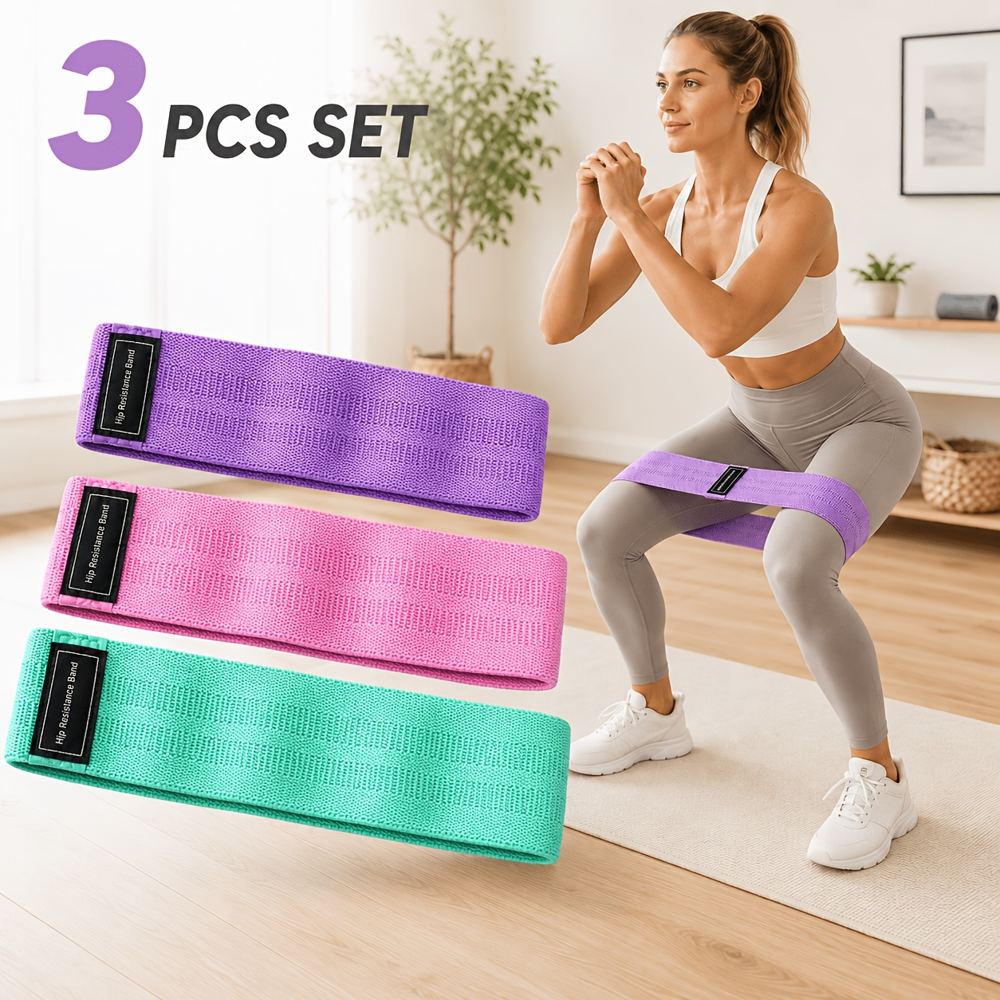
- Mon: same circuit, add one set per move or try resistance bands for rows
- Wed: 20-minute walk with 4×1-minute brisker intervals
- Fri: same as Monday + 2 minutes of plank practice (knees down is fine)
That's it. By week five the sessions will feel short — that's your signal to grow them. For a fuller option, see our beginner home workout plan for women.
FAQ
Q: How long does it take to build a workout habit?
Longer than the popular "21 days" claim — research suggests anywhere from several weeks to a few months depending on the person and the behavior. Plan for two to three months of deliberate practice before it starts feeling automatic, and don't panic about single missed days along the way.
Q: What if I keep quitting after two weeks?
Your plan is too big, not your willpower too small. Cut the session length and frequency in half and try again. Success at a small size builds the confidence to grow.
Q: Is it better to work out in the morning or evening?
Whichever time you'll actually do consistently. Morning exercisers benefit from fewer schedule conflicts; evening exercisers are often warmer and stronger. The best time is the one that survives your real life — anchor it with habit stacking and protect it.
Q: How do I restart after months off?
Don't resume where you left off — start over at the beginner level, even if it feels easy. Your body detrains; respecting that prevents injury and the crushing soreness that kills restarts. Two to four weeks of easy rebuilding usually restores most of your base.
Q: Should I work out when I'm sore?
Light soreness: gentle movement or an easy walk is fine and often helps. Severe soreness that changes how you move: rest that area. Sharp or joint pain is always a stop signal.
Conclusion
The workout habit that sticks isn't the most intense one — it's the most repeatable one. Start smaller than your ego wants. Stack sessions onto habits you already have. Set up your space so movement is the easy choice. Never miss twice. Rest on purpose. Track the process and let outcomes arrive on their own schedule.
Years from now, you won't remember the perfect plan you almost followed. You'll be living inside the small, boring, wonderful routine you actually kept — ten minutes at a time, not in January, but in the ordinary Tuesdays after.