Zone 2 cardio is the slow training everyone talks about. Here's what it is, how to find your zone without lab gear, and the mistakes that push you too hard.
Zone 2 Cardio Explained: The Slow Training Everyone Talks About
Zone 2 cardio — easy, steady, conversational-pace training — is suddenly everywhere: in podcasts, training plans, and your social feed. If you're wondering what it actually is, whether it's worth your time, and how to do it without a sports science lab, this guide has you covered.
The short version: Zone 2 is the intensity where you're working but could keep going for a long time — breathing deeper than at rest, but still able to hold a conversation. It's the foundation of endurance, it complements strength training beautifully, and most beginners are closer to it than they think.
This guide contains affiliate links. If you buy through them, VÉLORA may earn a commission at no extra cost to you.
What Zone 2 Actually Is
Exercise intensity is typically divided into five "zones," from very easy (Zone 1) to all-out (Zone 5). Zone 2 is the second-easiest: a steady, moderate effort you could sustain for an hour or more. Breathing is elevated but controlled — you feel like you're doing something, but you're not suffering.
The defining feature is the talk test: in Zone 2, you can speak in full sentences comfortably. If you can chat, you're (roughly) in the zone. If you're breathing too hard to talk, you've drifted into Zone 3. Think of it as the "forever pace" — the effort where your body works efficiently without accumulating fatigue quickly.
Why Everyone Suddenly Talks About It
Zone 2 isn't new — endurance athletes have trained mostly at easy intensities for decades. What's new is the attention. Honest reasons it's having a moment: it pairs well with strength training (easy cardio adds fitness without wrecking recovery), it's genuinely pleasant (many people listen to podcasts or watch shows during it), it's sustainable enough to do 3–5 times a week without burnout, and it builds the aerobic base that makes everyday life — stairs, long walks, carrying groceries — feel easier. It's not a miracle; it's simply a useful intensity most people skip because it feels "too easy" to count. It counts.
How to Find Your Zone 2 Without a Lab
You don't need lactate testing or a chest strap to find Zone 2. Three practical methods, from simplest to most precise:
1. The talk test (easiest, surprisingly accurate)
Exercise at an effort where you can speak full sentences out loud without gasping. Try narrating what you're doing: "I'm walking up this hill and I feel my breathing pick up but I can still talk." If that's comfortable, you're in the zone. If you have to pause mid-sentence to breathe, ease off.
2. The nasal breathing test
If you can breathe comfortably through your nose for the whole session, you're very likely at Zone 2 or below. When your body demands mouth breathing, you've probably crossed into Zone 3. This isn't perfect — some people are natural mouth breathers — but it's a useful secondary check.
3. Heart rate as a starting range
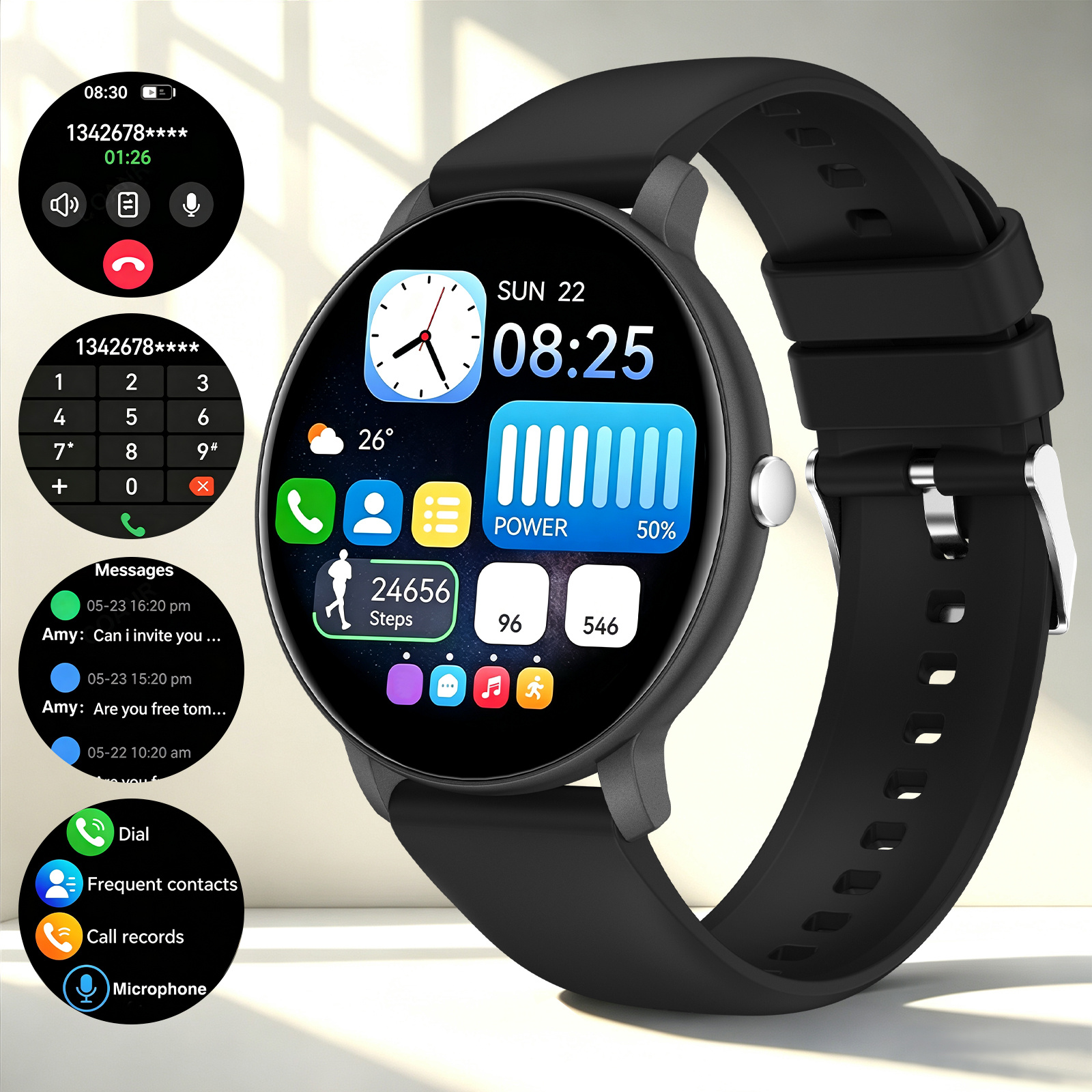
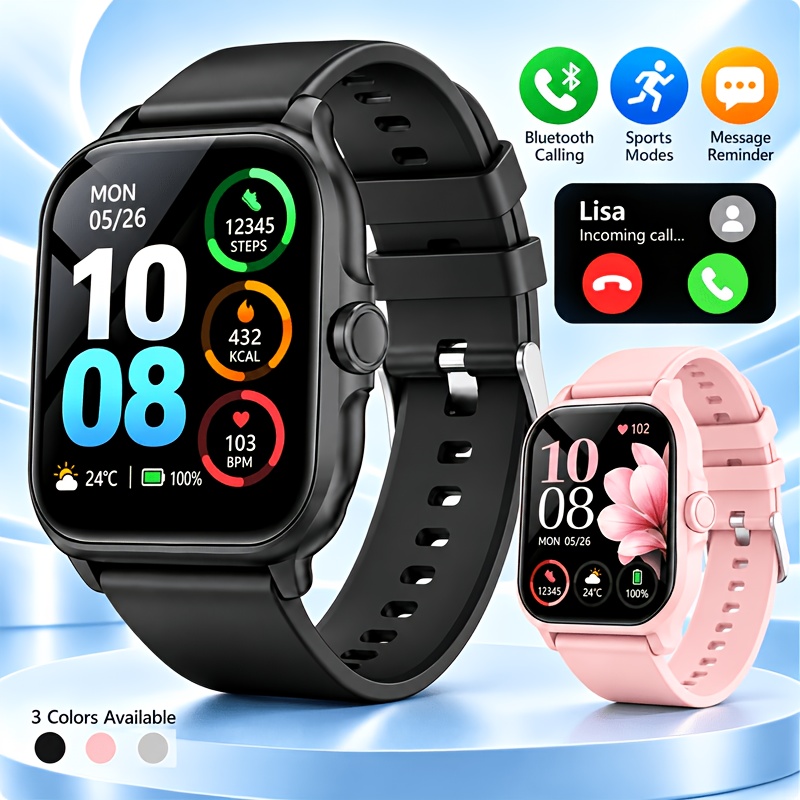
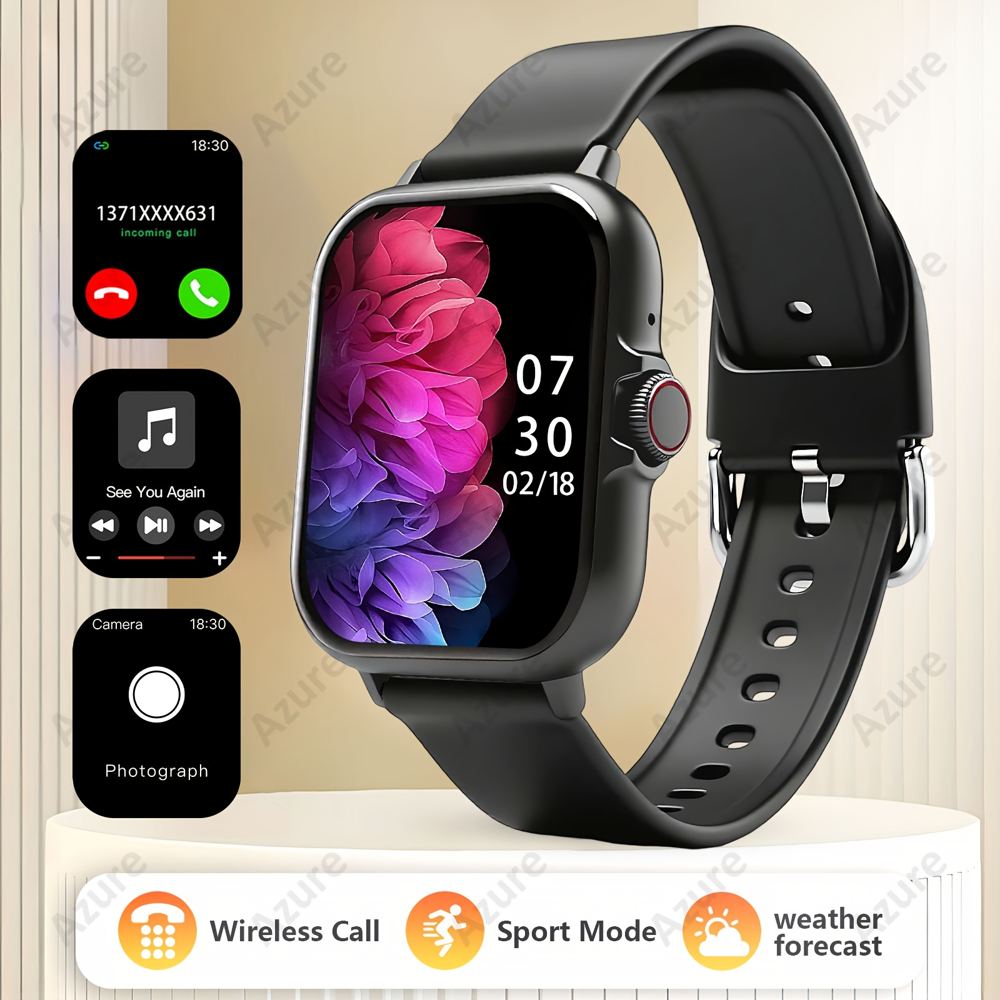
As a rough starting estimate, many coaches use 180 minus your age as an approximate Zone 2 ceiling, subtracting a bit more if you're detrained or returning from illness — so a 40-year-old beginner might use roughly 130–140 bpm as an upper guide. Treat this as a starting range, not a prescription: individual variation is large, and the talk test should always overrule the number. A sports smartwatch with heart rate tracking makes this practical — glance at your wrist and confirm with the talk test.
Perceived effort check: on a 1–10 scale, Zone 2 feels like a 3–4. You're aware you're exercising, but you could keep going and hold a conversation. If it feels like a 6+, you're too high. Beginners are often surprised how slow "correct" feels at first — that's normal, and it gets faster with consistency.
The Zone Cheat Sheet
| Zone | How it feels (RPE 1–10) | Talk test | Example activities | |---|---|---|---| | Zone 1 | 1–2, barely trying | Effortless chatting | Slow stroll, gentle housework | | Zone 2 | 3–4, steady and sustainable | Full sentences comfortably | Brisk walking, easy cycling, light jogging, steady rowing | | Zone 3 | 5–6, "comfortably hard" | Short phrases only | Fast jogging, hard cycling, fitness classes | | Zone 4 | 7–8, hard | Single words | Hard intervals, fast running | | Zone 5 | 9–10, all-out | Can't talk | Sprinting, max efforts |
Most beginners live in Zones 1 and 3 — either too easy to build much fitness or too hard to sustain — and skip Zone 2 entirely. The fix is usually to slow down your "moderate" days, not to add more hard days.
What a Zone 2 Week Actually Looks Like
Zone 2 works best mixed with strength training, not replacing it. Here's a sample week for a beginner:
- Monday: Strength training (30–40 min) + 20 min easy cycling cooldown
- Tuesday: 30–45 min Zone 2 walk or easy bike ride
- Wednesday: Strength training (30–40 min)
- Thursday: 30–45 min Zone 2 session — your choice of activity
- Friday: Strength training (30–40 min) + 20 min easy cardio
- Saturday: Longer Zone 2 session, 45–60 min (a hike, a long ride, a brisk walk)
- Sunday: Rest or gentle mobility
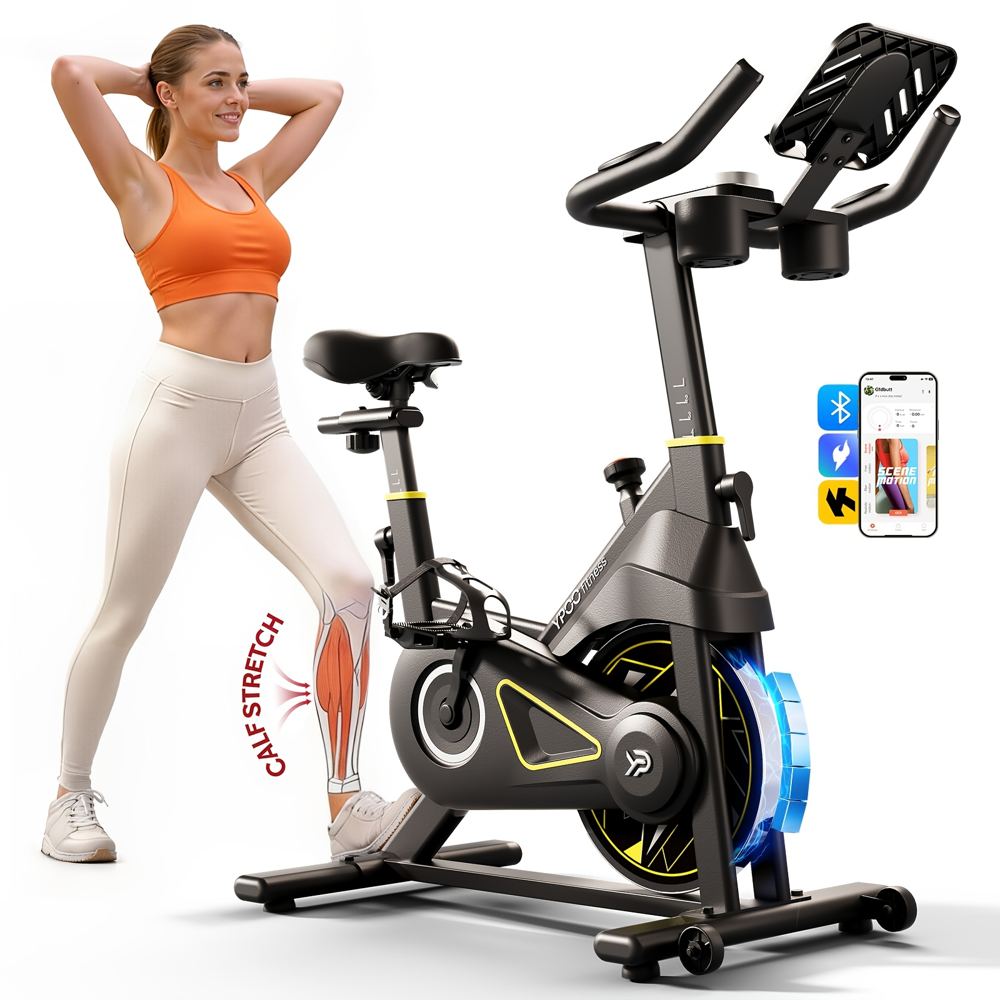
An adjustable home exercise bike is one of the most practical Zone 2 tools: low-impact, weather-proof, quiet enough for an apartment, and the steady pedaling makes it easy to lock into conversational effort. Set the resistance so your legs work but your breathing stays controlled, and you're there. For variety, our cardio workout at home guide has options that dial down to Zone 2, and walking for weight management covers the simplest Zone 2 activity of all — brisk walking.
Common Mistakes (Almost Everyone Makes the First One)
Going too hard — the #1 mistake
Nearly everyone new to Zone 2 goes too fast. It feels embarrassingly slow, so they speed up "just a little" — and land in Zone 3. If it feels too easy, you're probably doing it right. Give it 4–6 weeks; the pace at the same easy effort will improve, and that's the proof it's working.
Treating every session as Zone 2
Zone 2 is the base, not the whole house. One harder session a week — intervals, a challenging class, a hilly route — still has value, especially once you have a base. A common beginner-friendly mix: mostly Zone 2, plus one session with some intensity (our HIIT for beginners guide covers how to add intensity safely).
Counting warm-ups as Zone 2
The first 5–10 minutes of easy movement are a warm-up, not the session. Start your Zone 2 time after you're warmed up and settled into the effort.
Using the wrong activity
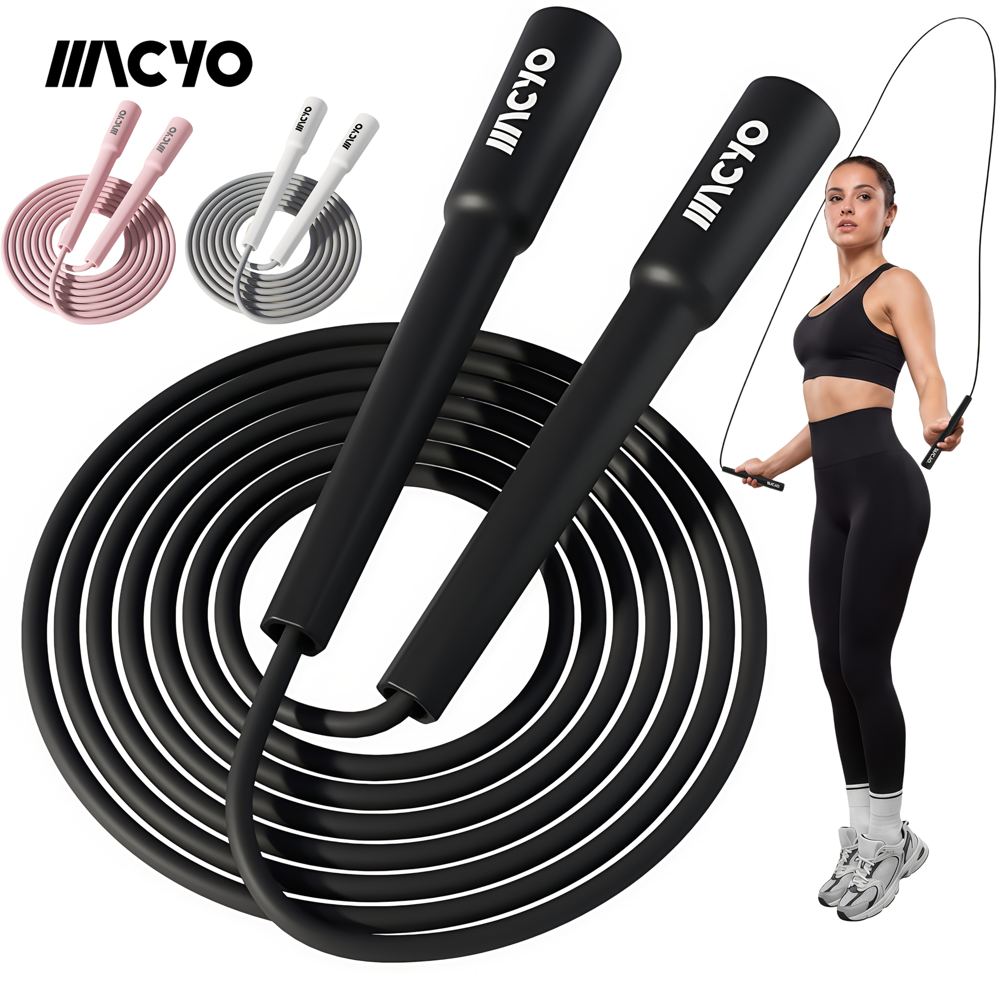
Some activities make Zone 2 nearly impossible for beginners. A jump rope is fantastic conditioning, but it naturally pushes most people into Zones 3–4 — so it belongs in your "one harder session" slot, while walking, easy cycling, and slow jogging own the Zone 2 slots. Match the tool to the zone.
Expecting it to feel like a workout
Zone 2 won't leave you crushed or sore — and that's the point. Judge it by trends (a little faster at the same easy effort after a month?), not by how destroyed you feel after.
How Long Until It "Works"?
Zone 2 adaptations build gradually. Most people notice everyday activities feeling easier within a few weeks, and measurable changes (like a lower heart rate at the same walking pace) typically show up after 6–12 weeks of regular practice. Results vary considerably — age, starting fitness, sleep, and consistency all matter — and there are no guaranteed timelines. Think of Zone 2 as compound interest for your fitness: unexciting per session, powerful over months.
Safety Notes
- Zone 2 is low-risk for most people, but if you have a heart condition, chest pain with exertion, or are on heart-rate-affecting medication, get medical clearance before using heart-rate targets.
- Dizziness, chest discomfort, or unusual shortness of breath during easy exercise are stop signals — see a professional.
- In heat, your heart rate runs higher at the same effort; use the talk test rather than heart rate numbers on hot days.
FAQ
Q: Is walking really Zone 2 cardio?
Often, yes — brisk walking lands many beginners squarely in Zone 2, especially with hills or a faster pace. If a flat stroll feels too easy (you could do it forever without noticing), add incline, pick up the pace, or carry a light backpack. Very fit people may need jogging to reach Zone 2, but for most beginners, purposeful walking qualifies.
Q: How many minutes of Zone 2 should I do per week?
General cardio guidelines suggest around 150 minutes of moderate activity per week, and Zone 2 fits that category. A practical beginner target: build toward 2–3 hours spread across 3–4 sessions weekly, alongside 2–3 strength sessions. Even 60–90 minutes weekly is a meaningful start — add time gradually.
Q: Can I do Zone 2 every day?
You can do easy Zone 2 work frequently — it's low-stress by design, which is why endurance athletes do so much of it. That said, most beginners do well with 3–5 Zone 2 sessions per week plus rest or strength days. Daily is fine if it stays genuinely easy and you feel fresh; if fatigue creeps in, take a day off.
Q: Will Zone 2 help me lose weight?
Zone 2 burns calories like any activity, and because it's sustainable, people tend to accumulate more total minutes than with harder training they dread. But no exercise alone guarantees weight changes — overall eating patterns matter more. Think of Zone 2 as a fitness and consistency tool first; body-composition changes are a possible side effect, not a promise. Results vary.
Q: Should I do Zone 2 fasted or fed?
Either works. Easy Zone 2 sessions are comfortable fasted for many people (a morning walk before breakfast is classic Zone 2), but there's no requirement — train whenever fits your schedule and eat normally around it. Don't overthink fueling for easy sessions; save the nutrition strategy for hard training days.
Conclusion
Zone 2 cardio is refreshingly simple: move at a pace where you can hold a conversation, do it regularly, and let the base build. Find your zone with the talk test, back it up with nasal breathing or a rough heart-rate guide, mix it with strength training, and resist the urge to speed up. It won't feel impressive in the moment — that's the feature, not the bug. Give it consistent weeks and watch your easy pace get a little faster at the same comfortable effort.