How many steps do you really need? A practical guide to walking for weight management — step ranges, form, hills, intervals, and safe progression.
Walking for Weight Management: How Much Is Enough?
Walking is the most underrated exercise in existence. No gym, no special skill, no recovery days — yet it reliably supports weight management, heart health, mood, and sleep. The question everyone asks is the right one: how much is actually enough? Not the motivational-poster answer — the practical one, with real ranges you can start from today.
This guide gives you exactly that: step targets as ranges (not magic numbers), good walking form, how to add hills and intervals, and when weighted vests or ankle weights make sense — and when they don't. No timelines promised, no pounds-per-week claims. Just a sustainable practice that works.
This guide contains affiliate links. If you buy through them, VÉLORA may earn a commission at no extra cost to you.
Why Walking Works So Well
Walking occupies a sweet spot harder exercise often misses. It's low impact, so joints and beginners tolerate it well. It doesn't spike hunger the way intense workouts can — most people finish a walk refreshed, not ravenous. It fits into real life: commutes, lunch breaks, phone calls, errands. And it's sustainable — the best exercise for weight management is the one you'll still be doing in a year, and walking has the highest "still doing it" rate of anything.
It also stacks with everything else. Pair daily walking with 2–3 weekly strength sessions (try our resistance band workout for women) and sensible eating, and you have a complete, livable program. Our dedicated walking workout for women goes deeper into walk-based routines.
How Much Is Enough? Honest Step Ranges
Retire the idea of one magic number. Useful targets are ranges, adjusted to your starting point:
- Currently sedentary (under ~3,000 steps/day): aim for 4,000–6,000 steps daily. That alone is a meaningful change.
- A solid general target: 7,000–10,000 steps per day — the range most commonly associated with good health outcomes in broad guidance. A direction, not a law.
- Already active: 10,000–12,000+ steps, or keep your steps and add intensity (hills, intervals, brisk pace).
The progression rule matters more than any number: increase gradually. Add roughly 1,000–2,000 steps per day every 1–2 weeks, or extend one walk by 5–10 minutes at a time. Jumping from 3,000 to 12,000 overnight is how shins, feet, and motivation get hurt.
Pace matters too. A "brisk" walk — the kind that supports weight management best — is one where you can talk in full sentences but couldn't comfortably sing. Breathing is noticeably elevated but controlled. For most people that's roughly 100 steps per minute, though the talk test is all you need.
A sports smartwatch removes the guesswork: it counts steps, tracks active minutes, and shows honest trends over weeks. What gets measured gets managed — gently.
Walking Form: Small Details, Big Difference
- Stand tall. Imagine a string pulling the crown of your head up. No hunching over your phone.
- Eyes forward, 10–20 feet ahead — this naturally straightens posture.
- Relaxed shoulders, rolled back and down. Shake your arms out when tension creeps in.
- Natural arm swing, elbows slightly bent, arms swinging opposite the legs. It counterbalances your stride and adds mild upper-body engagement.
- Heel to toe, without overstriding — your front foot should land under your body, not way ahead, which jars the knees.
- Core lightly engaged — a gentle "tall and tight" feeling, not a hard brace. Our how to engage your core guide teaches the feeling.
Footwear: you don't need expensive shoes, but you need supportive ones with intact cushioning — replace them when tread and cushioning look tired (roughly every 300–500 miles). Early blisters, shin pain, or aching arches often trace back to worn-out shoes.
Making Walks More Effective: Hills and Intervals
Once a comfortable 30-minute walk feels easy, two upgrades add challenge without much extra time:
Hills. Walking uphill is the simplest intensity upgrade there is — higher heart rate, harder-working glutes and calves, more energy per minute, with no extra joint pounding. Start with 5–10 minutes of gentle hills inside a longer flat walk. Descend with short, controlled steps; long downhill strides punish knees.
Intervals. Alternate 1–3 minutes brisk with 1–3 minutes easy, for 20–30 minutes. You accumulate more brisk minutes than you could sustain continuously, and it keeps walks mentally engaging. A starter: 2 minutes brisk / 2 minutes easy × 6, inside a 5-minute easy warm-up and cool-down.
| Walk Style | Effort Feel | Best For | |---|---|---| | Easy stroll | Comfortable, chat freely | Recovery days, starting out | | Brisk walk | Talk, not sing; warm | Daily weight-management base | | Hill walk | Breathing hard on climbs | Leg strength and intensity | | Interval walk | Alternates brisk and easy | More fitness per minute | | Long weekend walk | Easy-brisk, 60+ minutes | Extra volume, mental reset |
Rotate across the week: mostly brisk walks, one hill or interval session, one longer easy walk.
Adding Weight: Vests and Ankle Weights
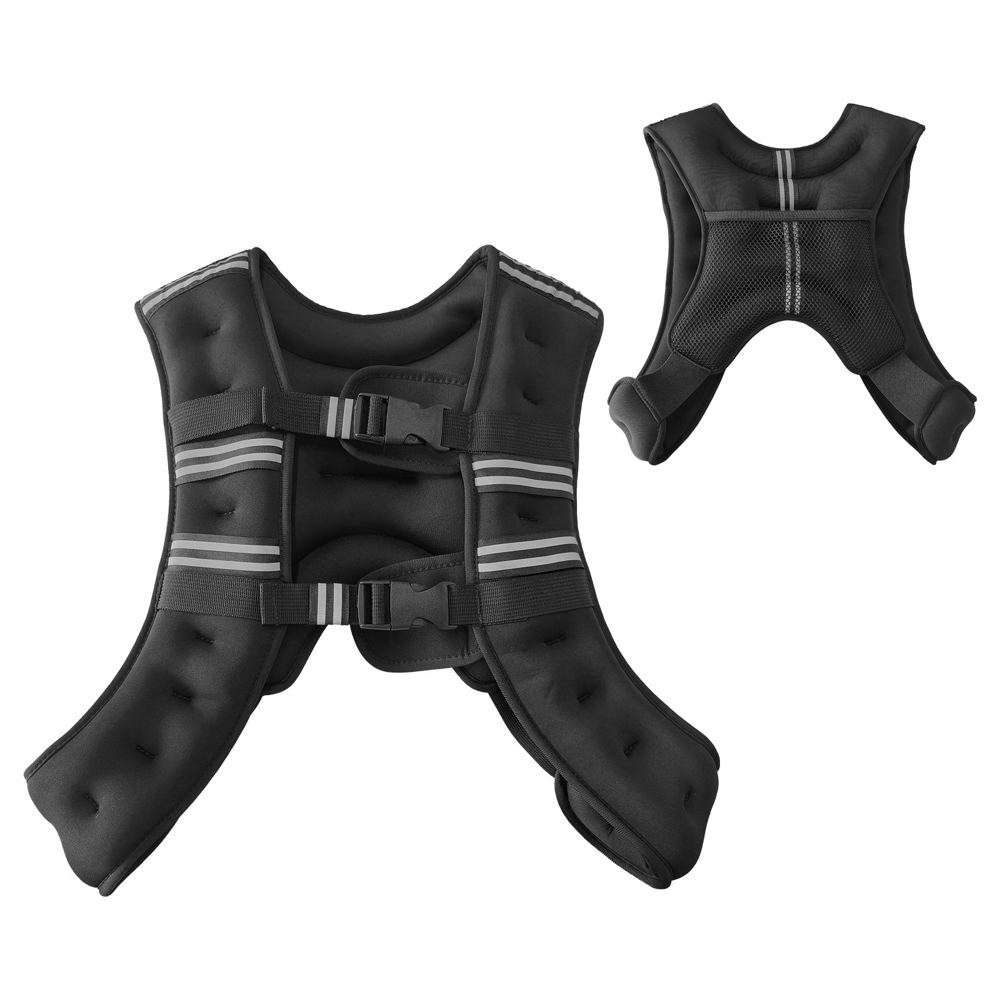
Weighted vests — the better option. A vest distributes load across your torso near your center of mass, which is biomechanically sensible. Start light — around 5–10% of body weight — and wear it for part of a walk at first. An adjustable weighted vest with reflective safety strips lets you add load gradually and keeps you visible on evening walks. If the vest changes how you walk, it's too heavy. Skip it on hills until flat walking feels easy, and avoid it with back, hip, or knee issues unless a professional advises otherwise.
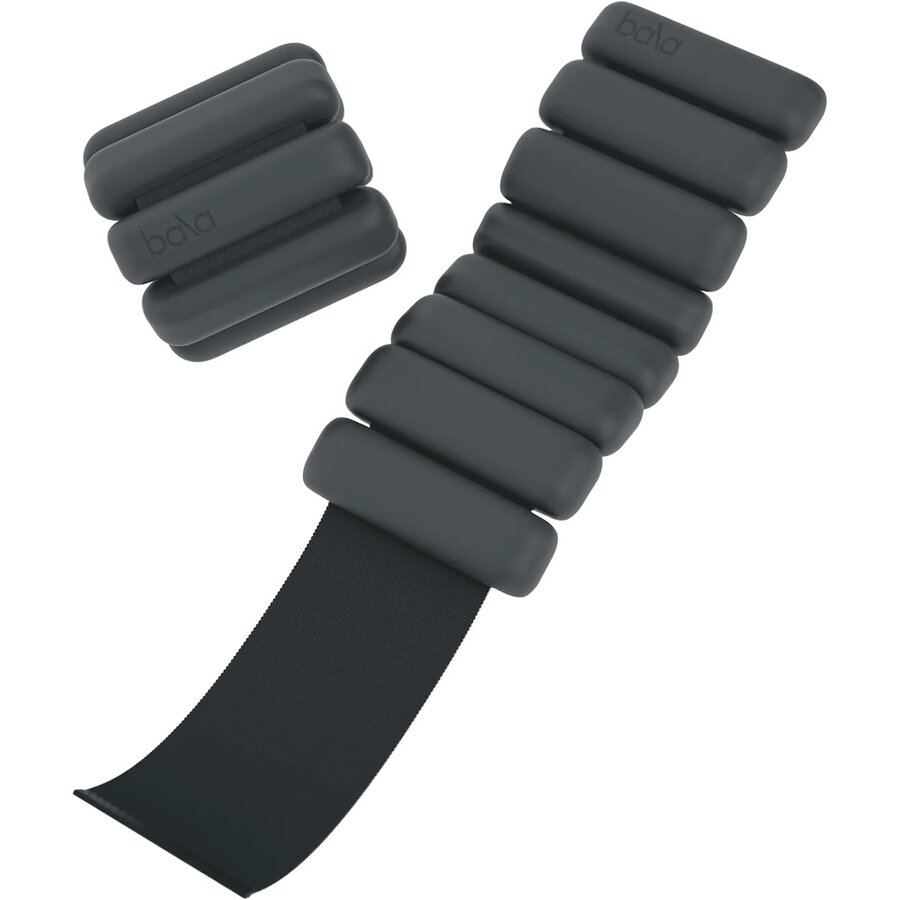
Ankle/wrist weights — use with care. Light weights like the Bala Bangles 3 lb set add a little engagement and many women enjoy them for toning-style walks. But keep them light (1–3 lbs per limb), use them for shorter walks, and stop with any joint stress at ankles, knees, or shoulders. They alter gait mechanics, so treat them as seasoning, not a staple — the vest is the safer progression. Compare options in our best ankle weights for women guide.
The rule for all added weight: master unweighted walking first. Build base distance and pace over 4–6 weeks, then add load gradually. Weight should make a comfortable walk moderately challenging — never painful or form-breaking.

A Sensible 8-Week Build-Up
Adjust to your own starting point — and repeat any week that feels like too much:
- Weeks 1–2: 15–20 minute easy walks, 4–5 days/week. Focus on form and footwear.
- Weeks 3–4: 25–30 minutes, 5 days/week, brisk pace on 2–3 of them.
- Weeks 5–6: 30–40 minute brisk walks, 5 days/week, plus one hill or interval session.
- Weeks 7–8: 35–45 minutes, 5–6 days/week, with one interval session and one 60-minute weekend walk.
Progression is a direction, not a schedule to obey. And remember the eating side: walking supports weight management best alongside sensible nutrition — it tilts the daily balance in your favor while improving everything else.
Safety Notes
- Start where you are. Ten comfortable minutes is a baseline, not a failure.
- Choose safe routes: well-lit, even surfaces. Reflective gear helps drivers see you.
- Hydrate on walks over 45 minutes or in heat.
- Stop for chest pain or pressure, dizziness, unusual shortness of breath, or sharp joint pain. Tired muscles are normal; sharp pain is not.
- Medical conditions (heart disease, diabetes, severe arthritis, balance problems) warrant a provider's okay before ramping up.
- Extreme weather: walk earlier/later on hot days, layer in cold, shorten rather than skip — or move indoors.
FAQ
Q: How many steps per day for weight loss?
No single number exists, but 7,000–10,000 steps daily is a solid target range for most people, built up gradually. Steps support weight management best with sensible eating — walking alone, without attention to food, usually moves the scale slowly. Results vary.
Q: Is walking better than running for weight loss?
Running burns more per minute but carries higher injury risk and often spikes hunger. Walking burns less per minute, but you can do far more of it, more often, with less recovery. For many people — especially beginners — walking's sustainability wins over months.
Q: How long until I see results from walking?
It varies, and anyone promising a timeline is guessing. Most people notice better energy, mood, and sleep within 2–3 weeks of consistent daily walking. Visible body-composition changes take longer and depend heavily on nutrition. Judge the habit at 8–12 weeks, not 8–12 days.
Q: Do ankle weights help tone legs while walking?
Light ankle weights add modest resistance and many people enjoy the feeling of working harder. But the effect is small, and heavy or prolonged use can stress ankles and knees. Keep them light (1–3 lbs), use them on shorter walks, and rely on distance, pace, and hills for the real results.
Q: Treadmill or outdoors — does it matter?
Both count. Outdoors gives fresh air, varied terrain, hills, and daylight; treadmills give weather-proof consistency, precise pace control, and incline on demand. Choose whichever you'll actually use on a rainy Tuesday.
Conclusion
How much walking is enough? Enough to make it daily, enough to sometimes breathe harder, and enough to keep building gradually — for most people, around 7,000–10,000 steps a day with a few brisk, hilly, or interval sessions weekly. But walking's real power was never a magic number. It's that you'll still be doing it next year — through busy weeks, bad weather, and low motivation — because it's simply part of your day. Lace up shoes that feel good, start where you are, add a hill when the flat feels easy, and let the most underrated exercise in existence do its quiet, compounding work.