Pushing through is sometimes right — and sometimes dangerous. Learn the warning signs that mean stop your workout now and get medical care.
When to Stop Exercising and See a Doctor: Warning Signs
Every regular exerciser eventually faces the same question mid-workout: is this feeling normal, or is my body telling me to stop? Muscle burn, heavy breathing, a racing pulse — these are the ordinary price of a good workout. But some sensations are not "toughing it out" territory. They are your body's alarm system, and ignoring them can turn a routine session into a genuine emergency.
This guide walks through the difference between normal workout discomfort and real warning signs, what to do when something feels wrong, how to describe symptoms to a doctor, and why heart-rate monitors are useful awareness tools — but not medical devices. Results and experiences vary from person to person, and nothing here replaces medical advice.
This guide contains affiliate links. If you buy through them, VÉLORA may earn a commission at no extra cost to you.
Normal Discomfort vs. Warning Signs
The first skill is telling the difference. Normal workout discomfort has a recognizable pattern: it builds gradually as effort increases, it's roughly symmetric (both legs burning on a run, both arms working in a plank), and — crucially — it eases when you slow down or stop. Examples include:
- Muscle burn during a hard set, fading within minutes of rest
- Breathlessness that matches your effort and recovers within a few minutes
- Elevated heart rate that comes down steadily as you cool down
- Mild muscle fatigue that resolves by the next day or two
Warning signs break that pattern. They often arrive suddenly, feel out of proportion to your effort, are one-sided (one calf, one side of the chest, one arm), or don't ease with rest. When something feels wrong rather than hard, treat it as wrong. You can always redo a workout tomorrow; you can't undo ignoring a medical emergency.
The Stop-Now List: Warning Signs During Exercise
If any of the following happen during a workout, stop exercising immediately, sit or lie down, and get help or medical attention as needed:
- Chest pain, pressure, tightness, or a heavy sensation — especially if it spreads to the arm, neck, jaw, shoulder, or back. Do not wait to see if it passes.
- Fainting, near-fainting, or severe dizziness — feeling like the room is tilting or going dark is never a normal workout feeling.
- Heart palpitations — a racing, pounding, or irregular heartbeat that feels distinctly different from normal exercise effort.
- Unusual breathlessness that doesn't match your effort or doesn't ease when you slow down — wheezing, gasping, or an inability to catch your breath at rest.
- Sharp, sudden joint or muscle pain — a pop, a snap, or pain so sharp you can't continue. Dull ache is one thing; sharp is another.
- Sudden swelling — a joint, hand, foot, or limb that swells quickly during or after activity.
- Numbness, tingling, or weakness — in a limb, one side of the body, or the face.
This is the part nobody wants to hear, but the data behind sudden cardiac events during exercise is clear on one point: the people who fare best are the ones who stopped early and called for help. Pride has no place here.
Warning Signs That Show Up After Your Workout
Not every warning arrives mid-session. Some of the most important signals appear hours later, and it's easy to dismiss them as normal post-workout soreness:
- Chest discomfort, dizziness, or faintness in the hours after exercise — same urgency as during the workout
- Pain that worsens instead of easing over 48–72 hours, or swelling that increases
- A joint that feels unstable or "gives way" after a twist or impact
- Dark or reddish-brown urine after an intense workout — this can signal rhabdomyolysis (severe muscle breakdown), which needs prompt medical care
- Prolonged rapid heartbeat or irregular rhythm that doesn't settle with rest and hydration
A good rule of thumb: normal soreness peaks around 24–48 hours and then improves. Anything that is clearly getting worse at 48 hours deserves a professional's eyes.

Heat-Illness Signs: When the Environment Is the Threat
Exercising in heat adds its own set of dangers, and heat illness can escalate fast. Normal heat response includes sweating, a flushed face, and elevated heart rate. Watch for the shift into heat exhaustion and heatstroke:
- Confusion, disorientation, or unusual irritability — a person who suddenly can't follow a conversation in the heat needs help now
- Hot, dry skin or a sudden stop in sweating despite the heat
- Nausea or vomiting during hot-weather exercise
- A headache that escalates quickly, or a body temperature that feels alarmingly high
For safer hot-weather routines, see our low-impact workout plan for beginners.
Pregnancy: Clearance First, Then Know the Stop Signs
Exercise during pregnancy benefits many women — but this is the one area of this guide with a hard prerequisite: get your provider's clearance before exercising while pregnant, and check in again if anything about your pregnancy changes. What was fine at 12 weeks may need adjusting at 32 weeks, and your provider knows your specific situation.
Once cleared, know the warning signs that mean stop immediately and seek care:
- Vaginal bleeding of any amount
- Fluid leaking from the vagina (possible amniotic fluid)
- Regular, painful contractions that don't ease with rest
- Dizziness or feeling faint
- Chest pain
- Calf pain or swelling (can signal a blood clot)
- Decreased fetal movement after exercise
- Sudden swelling of the face, hands, or feet
Stop exercising and contact your provider or go to care promptly if any of these occur. When in doubt, stop first and ask later — every provider would rather evaluate a false alarm than a delayed emergency. Our detailed guide on exercise during pregnancy safety covers cleared-activity types by trimester, but the provider conversation always comes first.
What to Do When Something Feels Wrong: Symptom → Action
A quick reference for the moment itself. The theme is simple: stop, assess, and don't minimize.
| Symptom | What to do | |---|---| | Chest pain, pressure, or tightness | Stop immediately. Sit down. Call emergency services if it lasts more than a few minutes, is severe, or spreads to arm/jaw/back. | | Fainting or severe dizziness | Stop and lie down with legs slightly elevated if possible. Do not drive yourself. Get checked before exercising again. | | Palpitations or irregular heartbeat | Stop and rest. If it doesn't settle within a few minutes, or happens repeatedly, see a doctor before your next workout. | | Breathlessness that won't ease | Stop, slow your breathing, and rest. Persistent wheezing or gasping warrants urgent care. | | Sharp joint or muscle pain | Stop that movement immediately. Ice and rest; see a professional if you can't bear weight or pain is severe. | | Sudden swelling | Stop exercising. Elevate the area and get it evaluated, especially with pain or warmth. | | Numbness or weakness | Stop and seek prompt medical evaluation — especially one-sided or facial symptoms. | | Heat-illness signs (confusion, hot dry skin, nausea) | Move to a cool place, cool the skin, and get medical help for anything beyond mild symptoms. | | Pregnancy warning signs (bleeding, fluid, contractions, dizziness) | Stop exercising immediately and contact your provider or seek care. |
When you call for help — or see a doctor later — describe symptoms concretely: where (point to it), what it felt like (sharp, dull, pressure, burning), when (at minute 10 of a run, while lifting, after stopping), what you were doing, and how long it lasted. "My chest felt like a heavy weight for about five minutes during mile two, and it went into my left shoulder" is far more useful than "my chest hurt."
Heart-Rate Monitors: Awareness Tools, Not Medical Devices
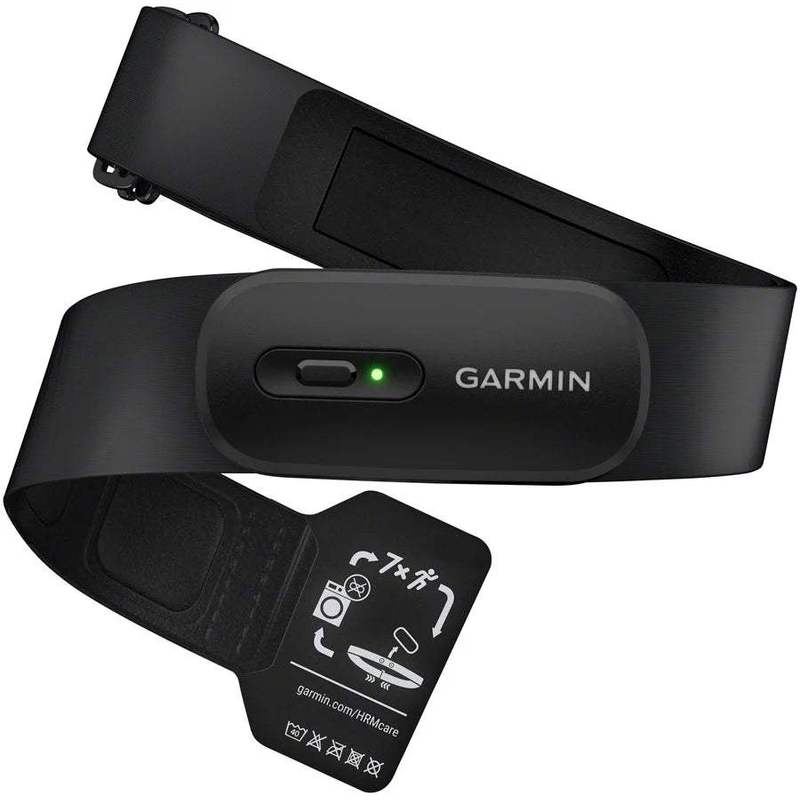
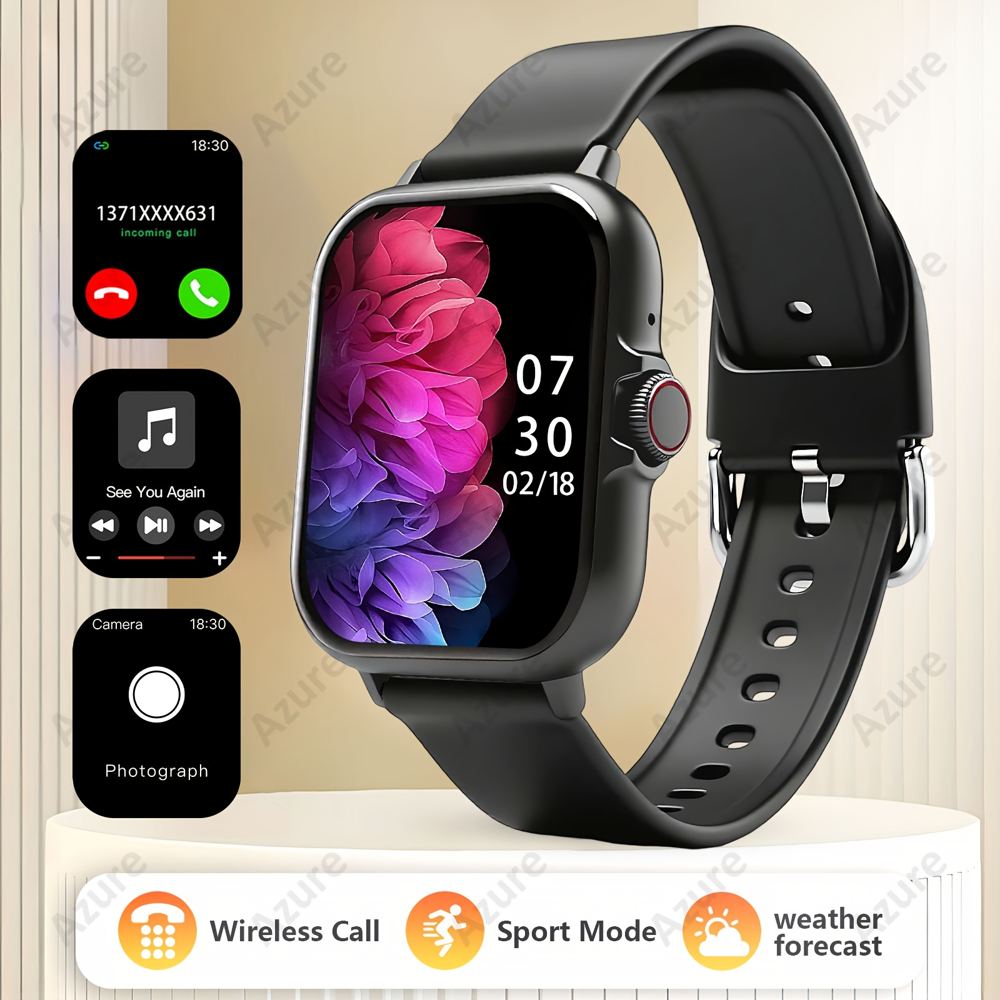
A heart-rate monitor — a chest strap like the Garmin HRM 200 heart rate monitor, the COROS heart rate monitor, or a sports smartwatch — is one of the most practical safety accessories an exerciser can own. A live number on your wrist or chest helps you notice when your heart rate is unusually high for an easy effort, when it isn't recovering between intervals, or when it's climbing steadily in heat — all early signals to slow down.
But an important boundary: these are awareness tools, not medical devices. A consumer monitor can miss arrhythmias, misread heart rate during high-intensity movement, and give false reassurance. A normal reading on a smartwatch does not rule out a heart problem, and an odd reading doesn't diagnose one. Use the data as a reason to pay attention — then let a professional do the interpreting.
Common Mistakes That Turn Small Problems Into Big Ones
- "It went away, so it must have been nothing." Chest pain that fades is still chest pain. Brief symptoms deserve evaluation, not relief.
- Copying someone else's tolerance. Your training partner's normal is not your normal. Compare yourself to your own baseline.
- Waiting to "see how it feels tomorrow" for severe or unusual symptoms. Hours matter for the serious stuff.
- No clearance after pregnancy complications. Gestational conditions change the rules — re-check with your provider before resuming.
For ongoing tracking that helps you and your doctor spot patterns, our guide on how to track your workouts covers what to log beyond reps and sets.
FAQ
Q: Is dizziness after a workout normal?
Light, brief lightheadedness right after stopping — especially after an intense set or hot session — is common and often just a blood-pressure adjustment. Sit down, drink water, and it should pass within a minute or two. Severe dizziness, dizziness that comes with chest pain or palpitations, or fainting are not normal and need medical evaluation before you train again.
Q: What if chest pain goes away quickly?
Still get it checked. Brief episodes of chest discomfort during exertion can be the earliest sign of something serious, and "it passed" doesn't rule anything out. Describe exactly what happened to your doctor — where it was, how long it lasted, what you were doing — and let them decide what follow-up is needed.
Q: Can a smartwatch detect heart problems?
No. A smartwatch or chest strap measures your pulse, and some models flag unusually high or irregular readings — useful prompts to pay attention. But consumer wearables can miss real problems and produce false alarms. They are awareness tools, not diagnostic devices. Any concerning symptom deserves a real medical evaluation regardless of what your device says.
Q: When can I return to exercise after a scare?
Only with medical clearance, and only with a plan. Many people are told to resume gradually — for example, a few days of easy walking before rebuilding intensity — but the specifics depend on what happened and what your doctor finds. Going straight back to the workout that caused the scare is the one approach to avoid.
Q: Should I stop exercising if I have a cold?
Above-the-neck symptoms (runny nose, mild congestion) with no fever usually allow easy activity; below-the-neck symptoms (chest congestion, body aches, fever, vomiting) mean rest. When in doubt, a rest day is never the wrong choice — fitness built over months isn't lost in a day.
Conclusion
The strongest exercisers aren't the ones who never stop — they're the ones who know exactly when to stop. Normal discomfort builds with effort and fades with rest; warning signs arrive suddenly, feel out of proportion, or don't ease. Learn the stop-now list by heart, give yourself permission to use it without embarrassment, get cleared before exercising through pregnancy, and treat your heart-rate monitor as a helpful co-pilot rather than a doctor. A missed workout costs you a day. A missed warning sign can cost far more.