Wall Pilates for beginners explained: how the wall adds support, a 20-minute starter routine, setup tips, and safe form for every level.
Wall Pilates for Beginners: What It Is and a Starter Routine
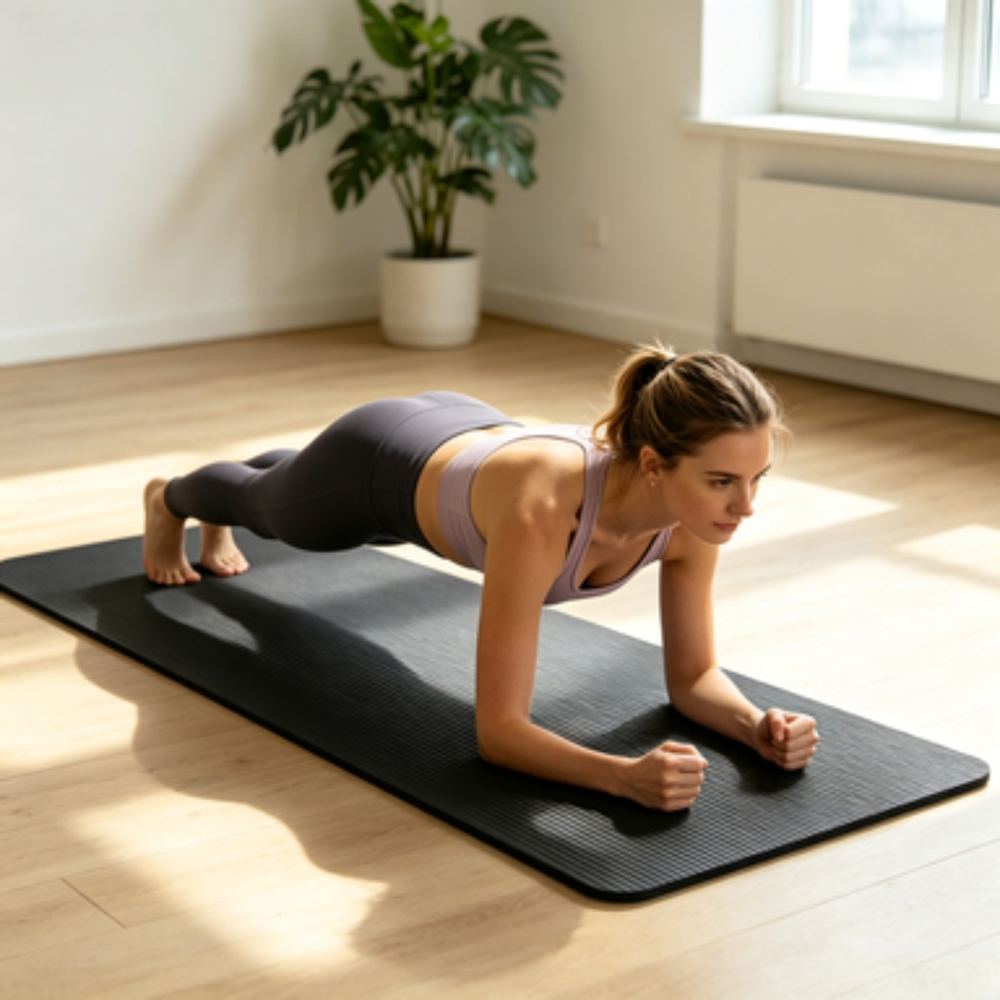
Wall pilates has become one of the most popular ways to start strength training at home. It takes the core principles of classical pilates — controlled movement, deep core engagement, breath, and precise alignment — and adds a wall as a built-in partner. The wall gives you feedback you can feel: where your back is, whether your posture is honest, and support when balance feels shaky. For beginners, that means focusing on moving well instead of worrying about falling over.
This guide explains what wall pilates is, why beginners love it, how to set up your space, and a complete 20-minute starter routine you can follow today — no studio or reformer required, just a clear patch of wall and a mat. Results vary with consistency, rest, and lifestyle; this routine is about learning to move with control.
This guide contains affiliate links. If you buy through them, VÉLORA may earn a commission at no extra cost to you.
What Wall Pilates Is (and Isn't)
Traditional pilates strengthens the deep muscles of your core, hips, and back through slow, deliberate movements. Wall pilates keeps those same movements but uses the wall for resistance, assistance, or feedback. Pressing your palms into the wall during a push-up adds upper-body work; leaning your back against the wall during a leg lift gives you stability to move slowly and precisely; placing your feet on the wall in a bridge adds a satisfying challenge for your glutes and hamstrings.
It is low-impact — your body stays supported, so joints take little pounding — making it a gentle entry point for new or returning exercisers. It is not a replacement for cardio, and it will not "sculpt" one body area: no exercise reduces fat from one spot. What it does well is teach your body to move as a unit — strong center, mobile hips, stable shoulders.
Why Beginners Like It
Three things make wall pilates especially beginner-friendly. First, the wall is a teacher. Pressed against it, you can feel whether your spine is neutral, whether your shoulders are creeping up, whether one hip works harder than the other. That instant feedback accelerates good form.
Second, the wall lowers the fear factor. Moves that feel wobbly alone — single-leg lifts, planks — feel manageable with a hand on the wall, so you can attempt the real movement sooner.
Third, it is endlessly adjustable. Slide your feet closer for less intensity, farther for more; hold a position for a breath or thirty seconds. The same routine challenges you on day one and day thirty if you adjust depth, tempo, and rest.
For a broader look at building a home pilates corner, see our guide to the best pilates equipment for home, and if you are starting from zero with floor work, the beginner home workout plan for women pairs well with this routine.
Setting Up Your Space
You need surprisingly little:
- A clear wall. About 1.5 meters of empty wall with nothing at body height. Any wall that bears your weight safely is fine.
- A mat. Floor moves are far more comfortable with cushioning — the Yoga Mat Extension EVA Pad is rollable and gives extra room for tall frames.
- Comfortable clothes and bare feet or grip socks. Pilates is traditionally done barefoot so you can feel the floor; grip socks are a good alternative on slippery surfaces.
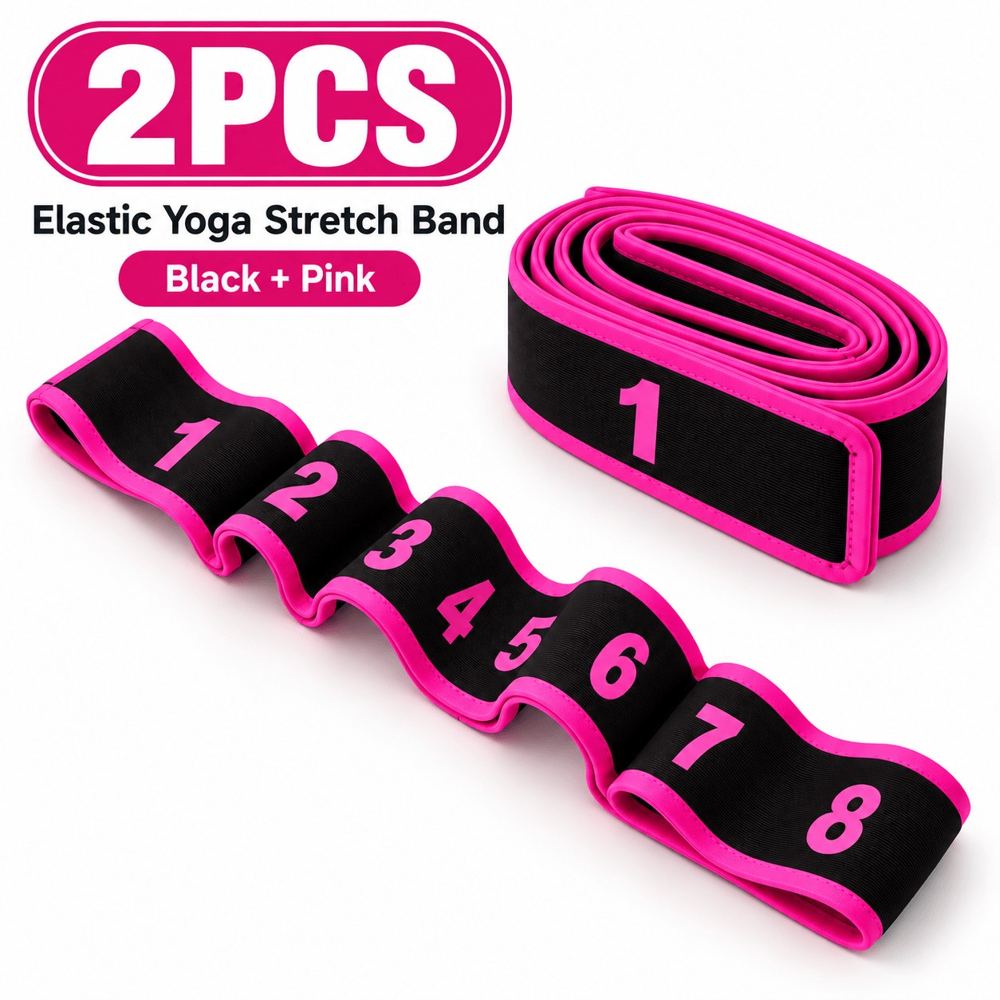
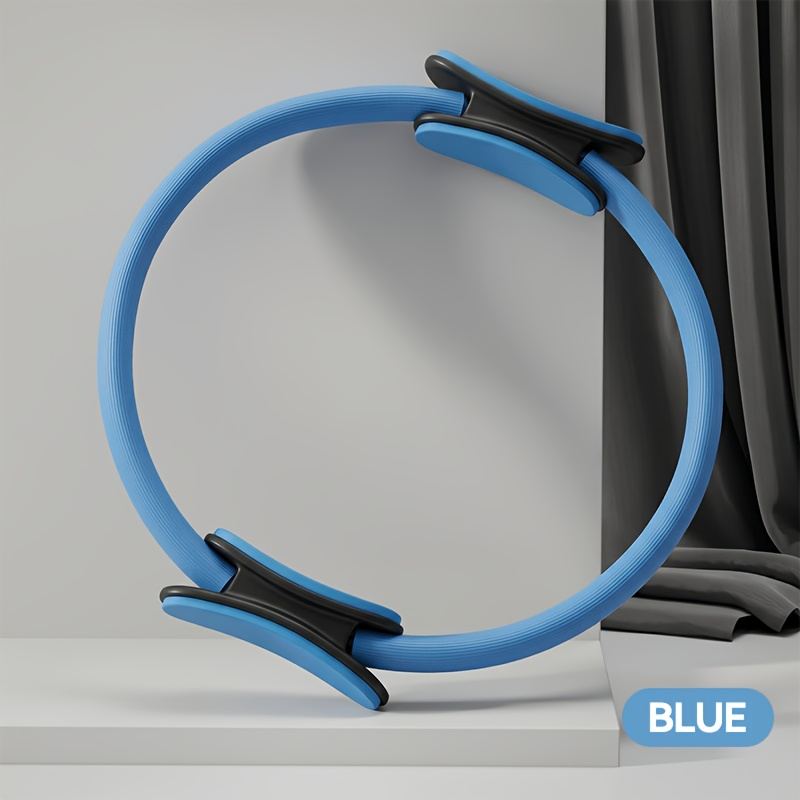
- Optional: a pilates ring and stretching strap. A ring adds gentle resistance to thigh and arm presses — the Temu Pilates Ring 15-inch is a classic tool. The Temu 2pcs 8-Loop Yoga Stretching Straps give fixed loops at multiple lengths for safe stretches.
Warm up 2–3 minutes: march in place, circle shoulders, gentle side bends. Keep water nearby.
The 20-Minute Starter Routine
Move slowly — each repetition should take about 3–4 seconds. Breathe naturally: inhale through the nose to prepare, exhale through the mouth on the effort (the lift, the press, the stand-up). Perform the routine 2–3 times per week on non-consecutive days.
1. Wall Sit
Purpose: Quadriceps and glute endurance, postural awareness. Starting position: Stand with your back flat against the wall, feet about 45 cm in front of the wall, hip-width apart. Technique: Slide your back down until your thighs are roughly parallel to the floor (or higher if that feels intense). Press your lower back gently toward the wall and keep your knees above your ankles, not caving inward. Hold: 15–45 seconds, 2–3 rounds with 30–60 seconds rest between. Beginner modification: Don't slide down as far; a shallow bend still builds strength. Common mistake: Letting the knees drift past the toes or holding your breath — keep breathing evenly.
2. Wall Push-Up
Purpose: Chest, shoulders, and triceps strength. Starting position: Face the wall, hands flat on it at chest height, shoulder-width apart. Step your feet back until your body forms a straight line from head to heels. Technique: Bend your elbows to bring your chest toward the wall, body in one line, elbows at roughly 45 degrees. Press back to start. Reps: 8–15, for 2–3 sets. Beginner modification: Stand closer to the wall. To progress, slow the lowering phase to a count of three. Common mistake: Letting the hips sag or jut back — brace your core as if someone might tap your shoulders.
3. Wall Glute Bridge March
Purpose: Glutes, hamstrings, and core stability. Starting position: Lie on your back with your mat perpendicular to the wall, feet flat on the wall with hips and knees at 90 degrees, arms resting by your sides. Technique: Press through your feet to lift your hips into a straight line from shoulders to knees. Keeping hips level, slowly lift one foot a few centimeters off the wall, hold a breath, and place it back. Alternate sides. Reps: 6–10 marches per side, 2 sets. Beginner modification: Skip the march and hold the bridge for 20–40 seconds instead. Common mistake: Arching the lower back instead of squeezing the glutes — think "belt buckle toward chin."
4. Standing Wall Leg Lift
Purpose: Hip strength and single-leg balance. Starting position: Stand sideways to the wall, one hand resting lightly on it for balance, feet together. Technique: Shift weight onto the inside leg. Slowly lift the outside leg to a comfortable height, standing knee soft, torso upright. Lower with control. Reps: 8–12 per leg, 2 sets. Beginner modification: Use a fingertip on the wall rather than a full hand grip — less help as you improve. Turn the toes slightly outward from the hip, not the knee. Common mistake: Leaning the whole body away from the lifting leg — the wall is a guide, not a crutch.
5. Wall Plank
Purpose: Full-body core stability. Starting position: Face the wall, place your forearms on it at shoulder height, and walk your feet back until your body is in a straight diagonal line. Technique: Press forearms into the wall, draw your navel gently toward your spine, squeeze your glutes. Keep your head in line with your spine. Hold: 20–45 seconds, 2–3 rounds. Beginner modification: Stay more upright (feet closer to the wall). To progress, move one step farther back or lift one foot briefly. Common mistake: Holding your breath or letting the shoulders rise — breathe steadily and keep the neck long.
6. Wall Roll-Down
Purpose: Spinal mobility and hamstring stretch, plus a calming finish. Starting position: Stand with your back against the wall, feet 15–20 cm in front of it, arms relaxed. Technique: Nod your chin to your chest, then peel your spine off the wall one segment at a time, rolling forward until your hands hang toward the floor (bend knees as needed). Hang for a breath or two, then rebuild back up the wall. Reps: 3–5 slow repetitions. Common mistake: Rushing the roll — take a full breath for every third of the descent. This is a cool-down, not a test.
Moves at a Glance
| Move | Primary muscles | Difficulty | Time/Reps per set | | --- | --- | --- | --- | | Wall sit | Quads, glutes | Beginner | 15–45 sec | | Wall push-up | Chest, shoulders, triceps | Beginner | 8–15 reps | | Wall glute bridge march | Glutes, hamstrings, core | Beginner+ | 6–10 per side | | Standing wall leg lift | Outer hip, glutes | Beginner | 8–12 per leg | | Wall plank | Core, shoulders | Beginner | 20–45 sec | | Wall roll-down | Spine, hamstrings | Easy | 3–5 slow reps |
Common Beginner Mistakes
- Moving too fast. Pilates is a slow-movement discipline. If you can fling through a rep, you are not getting the benefit — control is the workout.
- Forgetting to breathe. Holding your breath spikes blood pressure and tension. Exhale on the effort, inhale on the release; if in doubt, just keep breathing evenly.
- Chasing the deepest version. A shallow wall sit with perfect form builds more useful strength than a deep one with collapsed knees. Range comes with weeks of practice.
- Skipping the setup. Take the thirty seconds to position yourself properly against the wall before each move — good alignment is the entire point.
- Training through pain. Muscle effort and mild next-day soreness are normal. Sharp, shooting, or joint pain is a signal to stop and reassess.
Safety Notes
Clear the area of loose rugs or slippery mats before you start. If you feel dizzy, nauseated, or unusually short of breath, stop, sit down, and rest — these are signals, not failures. Anyone who is pregnant, recently postpartum, managing a chronic condition, or recovering from injury should get clearance from their doctor or physiotherapist before beginning, and follow that guidance over anything here. Wall pilates is low-impact, but low-impact is not the same as risk-free.
If you enjoy this style of mindful movement, our beginner yoga routine is a natural next step for flexibility and breath work.
Q: Is wall pilates actually effective, or just a trend?
A: The movements are proven strength exercises — wall sits, push-ups, bridges, and planks have been staples for decades. The wall adds support and alignment feedback. Effectiveness depends on consistency, progressive challenge, and sensible rest and nutrition.
Q: How often should beginners do wall pilates?
A: Two to three sessions per week on non-consecutive days is a solid starting point. Your muscles strengthen during recovery between sessions, so rest days are part of the program, not time off from it.
Q: Do I need any equipment to start?
A: No — a wall and enough floor space are the only requirements. A mat makes floor moves more comfortable, and tools like a pilates ring or stretching straps add variety later, but every move in this routine can be done with body weight alone.
Q: Can wall pilates help with posture?
A: It can help you become more aware of your posture and strengthen the muscles that support it — deep core muscles, glutes, and upper-back stabilizers. Many beginners notice they stand taller simply because they have practiced finding neutral alignment against the wall. It won't fix structural issues or replace professional treatment for back problems.
Q: How long before I notice a difference?
A: Most beginners feel steadier and more aware of their core within 3–4 weeks of consistent practice. Visible definition takes longer and depends on diet, sleep, and genetics. Track how you feel and what you can do — those are the honest measures.
Conclusion
Wall pilates removes the two biggest beginner barriers: fear of falling and uncertainty about form. Learn these six moves well, practice two or three times a week, and progress gradually by adjusting depth, distance, and time. Strength built slowly is strength that lasts.