"A gentle 20-minute beginner yoga routine with simple poses, breathing cues, and modifications. No experience needed — just a mat and a little floor space."
Beginner Yoga Routine: A Gentle 20-Minute Starter Flow
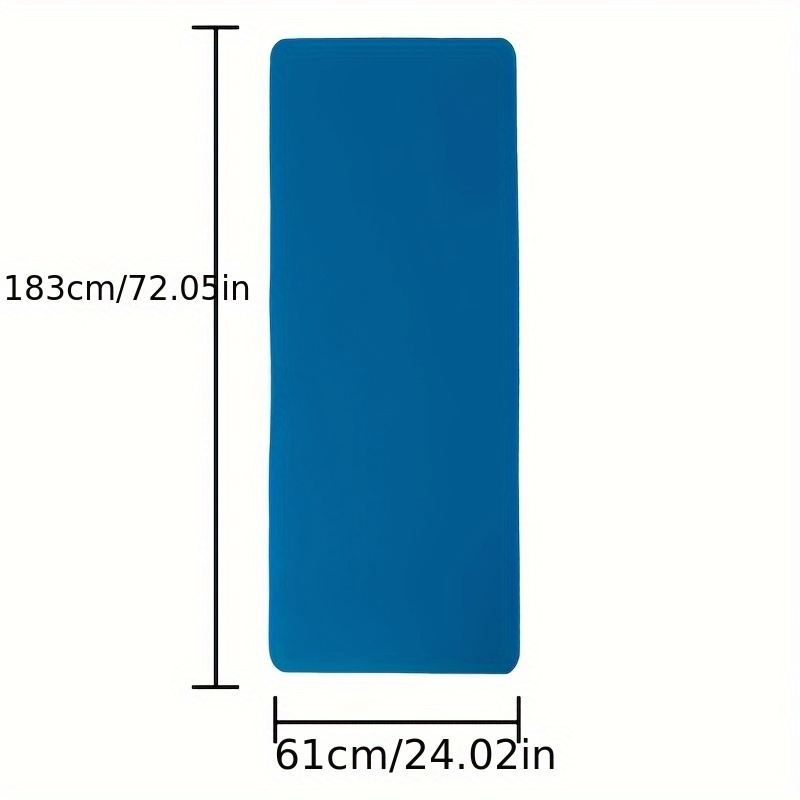
Starting yoga can feel intimidating — the classes look advanced, the poses have unfamiliar names, and everyone else seems to bend like a pretzel. Here is the truth: yoga is one of the most beginner-friendly forms of movement there is, because every pose can be simplified and every session can be done at your own pace. This 20-minute starter flow was designed for complete beginners. It requires no flexibility, no experience, and no special strength. Just a mat, comfortable clothes, and a quiet corner.
A quick honesty note: yoga will not transform your body overnight. What a regular gentle practice reliably offers is better mobility, steadier balance, easier breathing, and a calmer mind — benefits that build gradually over weeks and months, and results vary from person to person.
This guide contains affiliate links. If you buy through them, VÉLORA may earn a commission at no extra cost to you.
What You Need to Start
Very little, which is the beauty of it.
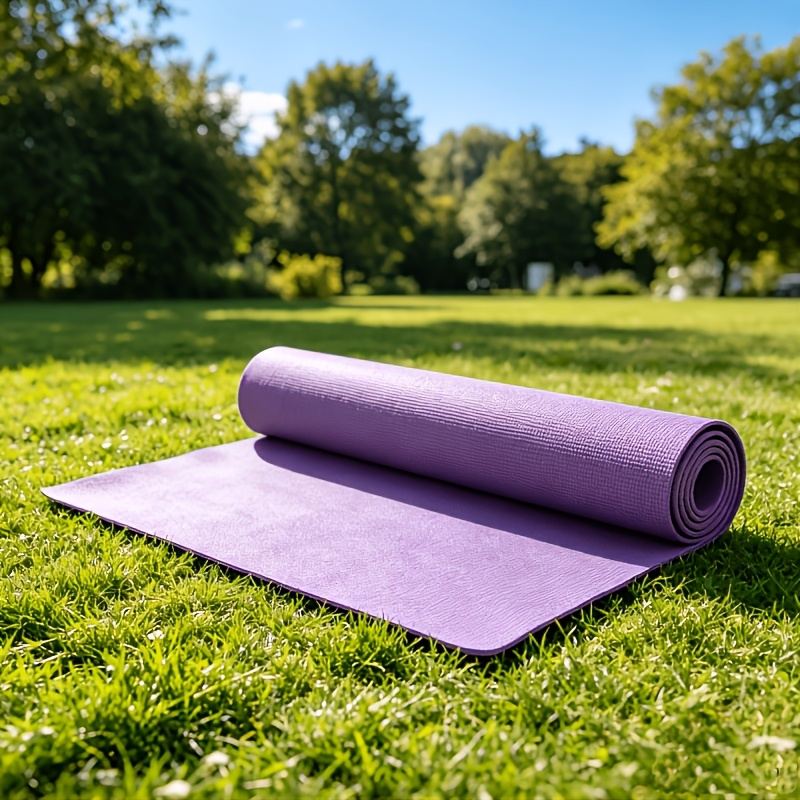
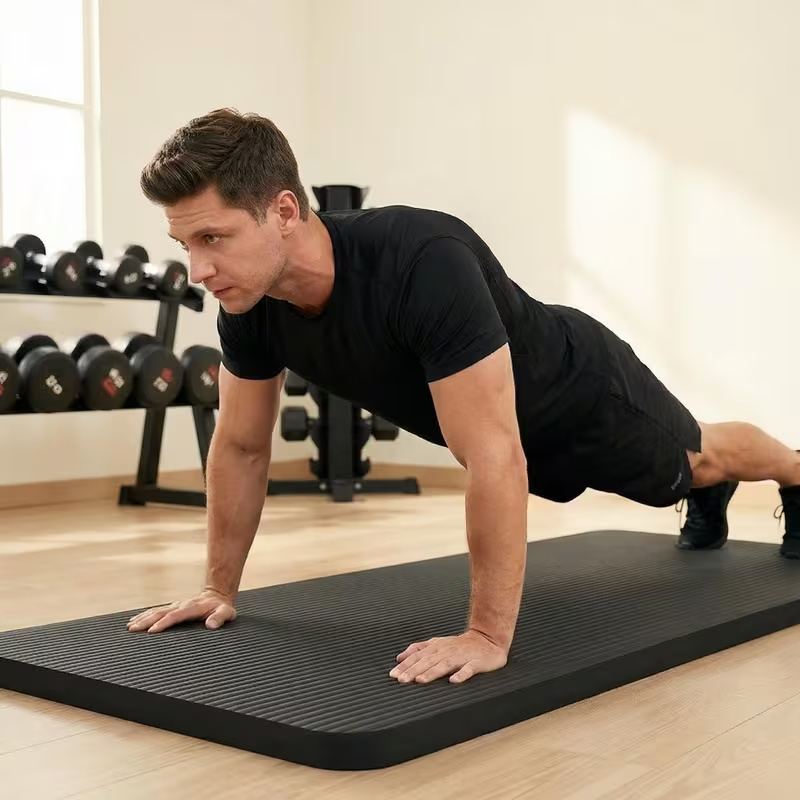
- A comfortable mat. An 8mm mat gives beginners forgiving cushioning for knees and wrists on hard floors. The 8mm Thick Non-Slip Yoga Mat is a solid starting point; if your knees are sensitive, our guide to the best yoga mats for bad knees explains what thickness and density to look for.
- Space. Enough floor to lie down with arms spread wide. Clear it of sharp corners and clutter.
- Comfortable clothing. Anything that lets you bend, reach, and sit without restriction. Bare feet give the best grip on a mat.
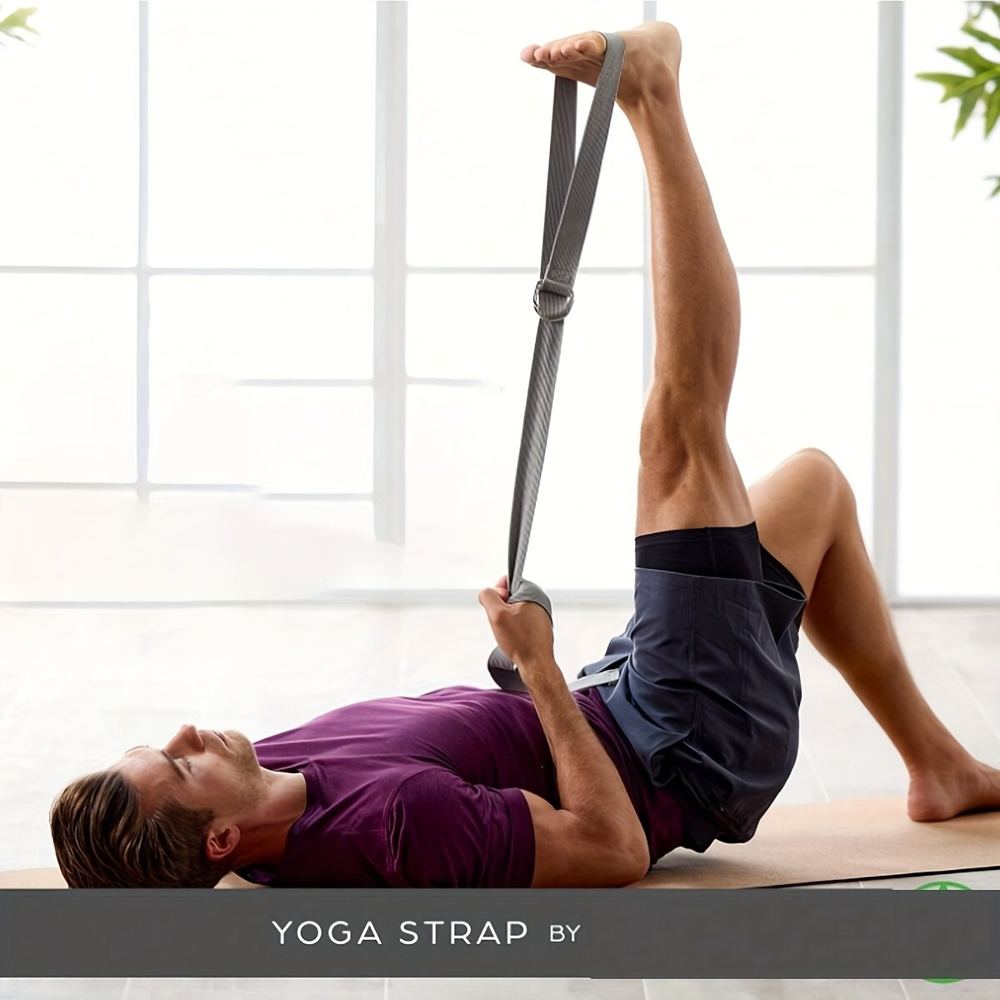
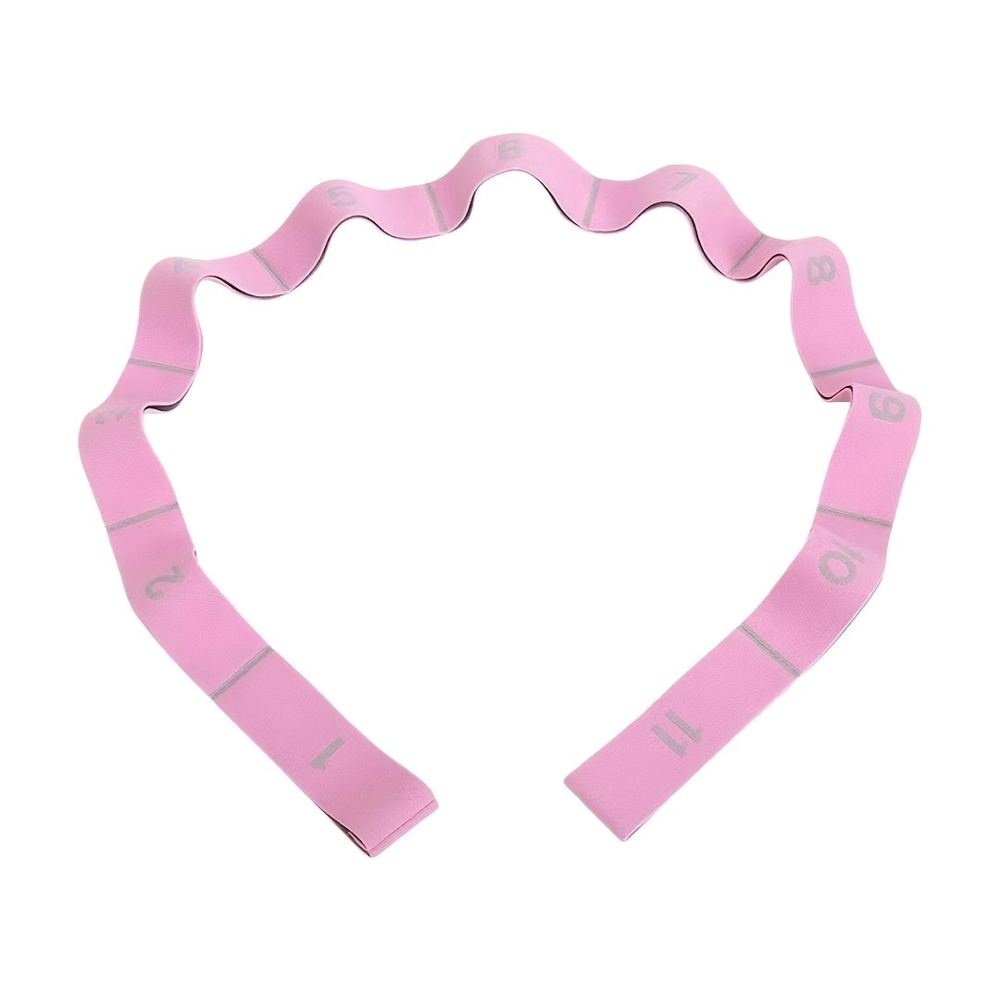
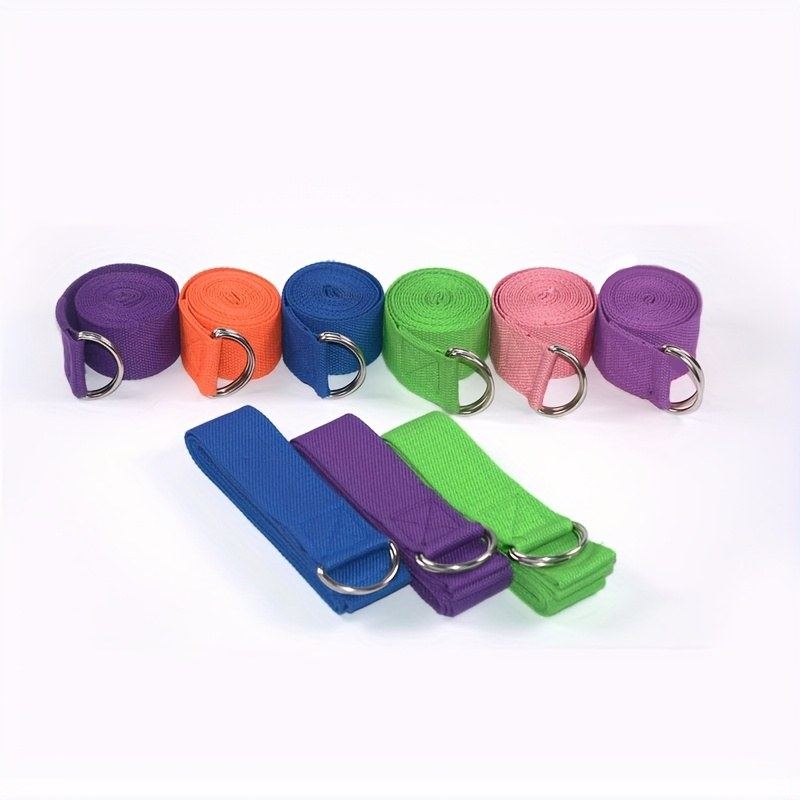
- Optional: a strap and a towel. A nylon yoga strap with metal D-ring bridges the gap when your hands cannot quite reach, and a folded non-slip yoga towel makes a handy knee pad.
That is genuinely everything. You do not need to be flexible first — flexibility is the result of the practice, not the entry requirement.
How to Use This Routine
Flow through the sections in order, spending roughly the time shown. Hold each pose for 3–5 slow breaths unless noted otherwise. The core breathing pattern throughout: inhale through the nose, exhale slowly through the nose or mouth. Never force a stretch into sharp pain — a mild, pleasant tension is the target; sharp or pinching pain means back off.
Practice frequency: 2–4 sessions per week on non-consecutive days is a realistic range for beginners. Even once a week builds familiarity and mobility over time. For help building a balanced weekly schedule around it, see our women's workout schedule guide.
The 20-Minute Flow
Part 1: Settle In (2 minutes)
Easy seated pose with breath awareness. Sit cross-legged on your mat, hands resting on your knees, spine tall but not stiff. If sitting cross-legged is uncomfortable, sit on a folded towel or cushion to lift your hips slightly. Close your eyes or soften your gaze. Take 8–10 slow breaths, simply noticing the air moving in and out. This two-minute reset signals to your nervous system that the rushing part of the day is over. Beginner modification: if your knees ride high and your back rounds, sit on a cushion — comfort matters more than how it looks.
Part 2: Wake Up the Spine (5 minutes)
1. Cat-cow (seated or on all fours). Come to hands and knees with wrists under shoulders and knees under hips. Inhale: drop your belly, lift your chest and tailbone (cow). Exhale: round your spine, tuck your chin and tailbone (cat). Move slowly for 6–8 breath cycles, letting the breath lead the movement. Purpose: gently mobilizes the entire spine and links breath to movement, the foundation of every yoga practice. Common mistake: rushing — take a full breath in and a full breath out for each position.
2. Thread the needle. From all fours, inhale your right arm up toward the ceiling, then exhale and slide it under your left arm, resting your right shoulder and temple on the mat. Hold 4–5 breaths, feeling a gentle twist through the upper back. Repeat on the other side. Beginner modification: keep your hips stacked over your knees and don't force the shoulder down — gravity does the work. Safety: if you feel pinching in the shoulder, reduce the twist and keep more weight in the knees.
Part 3: Standing Strength and Stretch (8 minutes)
3. Mountain pose to forward fold. Stand with feet hip-width apart, arms at your sides. Inhale, sweep your arms overhead, lengthening tall. Exhale, hinge at the hips and fold forward, bending your knees generously. Let your head hang heavy. Inhale, rise halfway with a flat back (hands on shins), exhale, fold again. Repeat 3–4 times. Breathing: inhale as you lengthen, exhale as you fold. Common mistake: locking the knees straight and rounding from the lower back — keep knees soft and hinge from the hips.
4. Low lunge. From your forward fold, step your right foot back into a lunge, lowering the back knee to the mat. Sink your hips forward and down until you feel a gentle stretch at the front of the right hip. Inhale, lift your arms overhead; exhale, settle deeper. Hold 4–5 breaths, then switch sides. Purpose: opens the hip flexors, which shorten from hours of sitting. Beginner modification: rest your hands on your front thigh instead of lifting them overhead. Technique tip: keep the front knee stacked over the ankle, not drifting past the toes.
5. Warrior II. From the lunge, turn your back foot flat and open your hips and arms to the side, front knee bent. Gaze over your front fingertips. Hold 4–5 breaths per side. Common mistakes: collapsing the front knee inward — press it gently outward in line with the second toe; holding the breath — keep it slow and steady. Safety: if the knee complains, shorten the stance.
6. Standing side bend. Feet wide, arms at your sides. Inhale, raise your right arm overhead; exhale, lean gently left, feeling the stretch along the right side of the torso. Hold 3 breaths, repeat on the other side. Purpose: opens the side body and the muscles between the ribs, which helps the breath expand more fully.
Part 4: Floor Work and Cool-Down (5 minutes)
7. Supine twist. Lie on your back, hug both knees to your chest, then drop them to the right while opening your left arm wide. Look left if your neck allows. Hold 5–6 breaths, then switch sides. Purpose: gentle rotation for the mid-back and a soothing release for the lower back. Safety: keep both shoulders as close to the floor as comfortable — don't force them down.
8. Bridge pose. Feet flat on the floor, hip-width apart, arms alongside you. Press through your heels and lift your hips, squeezing your glutes. Hold for 3 breaths, lower slowly, and repeat 3 times. Breathing: inhale to prepare, exhale as you lift. Beginner modification: place a folded towel under your sacrum and rest — a supported bridge gives most of the benefit with less effort. Purpose: activates the glutes and opens the front of the hips after the standing work.
9. Legs up the wall (or on the couch). Scoot your hips near a wall and rest your legs up it, or drape your calves over a couch seat. Arms rest at your sides. Close your eyes and breathe slowly for the final 2 minutes. Purpose: a deeply calming inversion that lets the legs fully relax — the perfect finish.
The Sequence at a Glance
| Section | Poses | Time | | --- | --- | --- | | Settle in | Easy seat + breath awareness | 2 min | | Spine warm-up | Cat-cow, thread the needle | 5 min | | Standing | Mountain flow, low lunge, warrior II, side bend | 8 min | | Floor & cool-down | Supine twist, bridge, legs up the wall | 5 min |
Breathing Basics for Beginners
You will hear yoga teachers say "ujjayi breath" and it sounds complicated — forget it for now. Your only job is to breathe slowly and steadily through the nose, matching one breath to one movement. Inhale on openings and lifts (arms overhead, chest lifting), exhale on folds and twists. If you lose track, simply return to slow breathing. No breath pattern should ever make you dizzy; if it does, breathe normally and rest.
Common Beginner Mistakes
- Comparing yourself to anyone. The person in the video has practiced for years. Your practice is yours — meet your body where it is today.
- Skipping the warm-up. The spine and hips need a few minutes of gentle movement before deeper stretches. The cat-cow section exists for a reason.
- Forcing flexibility. Stretching should never be sharp or painful. Mild tension that eases as you breathe is the signal you are in the right place.
- Holding your breath. New practitioners often hold their breath in challenging poses. If you notice it, soften the pose until the breath flows again.
- Skipping the cool-down. The final relaxation poses let your nervous system absorb the practice. Give them the full time.
Safety Notes
Yoga is low-impact and safe for most people: move pain-free and back off from sharp or pinching sensations. If you have a herniated disc, osteoporosis, or uncontrolled blood pressure, ask your doctor which poses to modify before starting. And if anything feels wrong, child's pose — knees wide, forehead on the mat, arms extended — is always available as a resting place.
FAQ
Q: I'm not flexible at all. Can I still do yoga?
Yes — inflexibility is the reason to start, not a reason to wait. This routine was written for stiff beginners: every pose has a modification, and props like a strap bridge the gaps. Flexibility improves gradually with consistent practice, and results vary from person to person. Nobody is watching, and there is no test.
Q: How often should a beginner practice yoga?
Two to four sessions per week is a realistic, sustainable range. Consistency matters far more than session length — a regular 20-minute practice beats an occasional 90-minute marathon. If you want yoga to be part of a broader fitness plan, our low-impact workouts for women guide shows how it pairs with walking, swimming, and strength work.
Q: Do I need special equipment to start?
A mat is the one thing worth having — practicing on a hard floor is uncomfortable and slippery carpet makes balance poses frustrating. Beyond that, a strap and a towel or cushion cover nearly every beginner need. Everything else (blocks, bolsters, fancy leggings) can wait until you know you love the practice.
Q: Is 20 minutes enough to get any benefit?
For a beginner, absolutely. Twenty minutes done regularly builds the habit, teaches the foundational poses, and delivers real mobility and relaxation benefits. As the routine becomes easy, you can extend holds, add a second round of the standing section, or explore longer classes — but the habit comes first.
Q: Will yoga help me lose weight?
Yoga is primarily a mobility, strength, balance, and stress-management practice. Gentle flows like this one burn modest calories; more vigorous styles burn more. Sustainable weight change comes from overall activity, nutrition, sleep, and individual factors — yoga can be a supportive part of that picture, but it is not a weight-loss shortcut, and no single routine guarantees results.
The Bottom Line
This 20-minute flow — breath awareness, cat-cow, thread the needle, mountain flow, low lunge, warrior II, side bend, supine twist, bridge, and legs up the wall — is everything a beginner needs to start yoga. Practice it two to four times a week, breathe slowly, modify freely, and never chase pain. In a few weeks you will notice the poses feel easier and your body moves a little more freely. That quiet progress is exactly what yoga is for.