Vibration plates promise effortless toning. This honest guide separates what research supports — balance, some strength gains — from the fat-loss fantasy.
Vibration Plates: What They Can and Can't Do
Stand on a vibrating platform for ten minutes a day and get the benefits of an hour at the gym. Melt fat while you stand still. Tone everything without breaking a sweat. If you've seen vibration plate ads, you've seen promises like these — and they're the reason this guide exists.
Vibration plates are real exercise equipment with some genuinely interesting uses. They're also wrapped in some of the most inflated marketing in home fitness. This guide separates the two honestly: what the research actually supports, what it doesn't, who might enjoy one, who should steer clear, and how to use one safely if you decide to try it.
This guide contains affiliate links. If you buy through them, VÉLORA may earn a commission at no extra cost to you.
What Is a Vibration Plate?
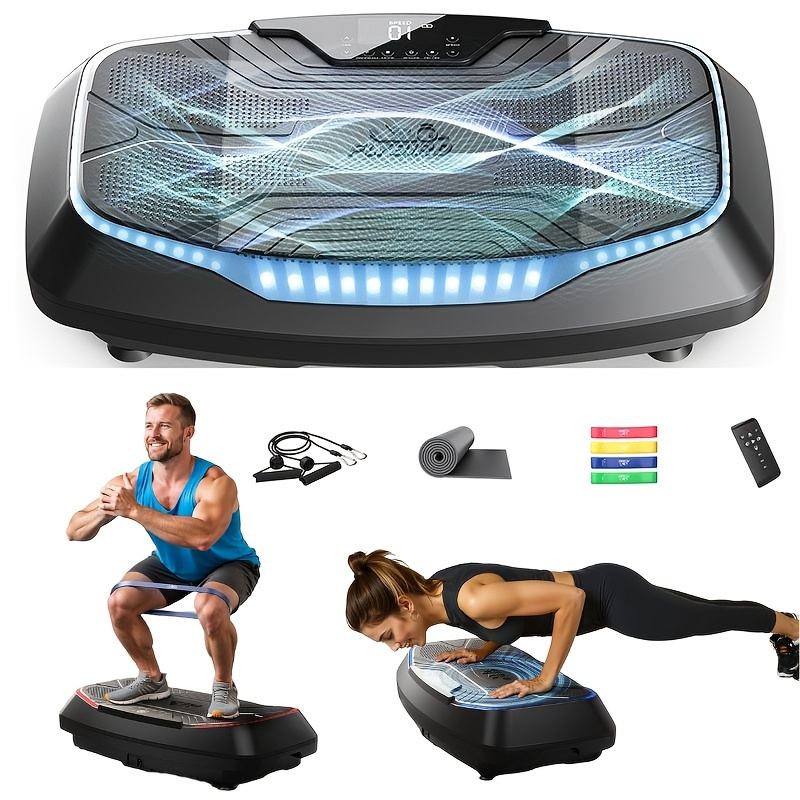
A vibration plate is a platform — roughly the size of a large bathroom scale, sometimes bigger — that vibrates at adjustable frequencies and intensities when you stand on it. You stand, squat, or perform exercises on the moving surface; the vibrations trigger rapid, small reflexive muscle contractions as your body works to stabilize itself.
Plates like the FLYBIRD 4D Vibration Plate, with its wide range of intensity levels, let you start very gently and adjust upward. The basic idea is plausible: an unstable, moving surface asks more of your stabilizing muscles than solid ground does.
What Vibration Plates Can Actually Do
Here's the honest, evidence-grounded picture. A few important caveats first: vibration-plate research consists mostly of small studies, results are mixed, and effects — where they exist — appear modest. Anyone quoting exact percentages or guaranteed outcomes is selling something, not citing science.
Balance and stability. This is the most plausible benefit. Standing on a moving surface forces constant micro-adjustments, and some small studies suggest vibration training can support balance — which is why the concept shows up in fall-prevention and rehab-adjacent contexts. Our balance exercises for women covers the same goal with zero equipment.
A small boost to strength exercises done on the plate. Doing squats, calf raises, or planks on a vibrating surface may add a modest extra stimulus compared to the same moves on solid ground. Note the key word: modest. The exercise is doing the work; the vibration is a small amplifier, not the main event.
Muscle activation and warm-ups. Brief, low-intensity sessions may help muscles "wake up" before activity. Think of it as a novel warm-up tool, not a training method.
Bone health — early and mixed. There's research interest in whether vibration stimulus affects bone density, but results are inconsistent and it's not a treatment for anything. If bone health is your concern, proven approaches — resistance training, adequate nutrition, and your provider's guidance — come first. Our strength training after menopause guide covers what actually moves the needle.
What Vibration Plates Can't Do
This is the section the ads hope you skip:
- They can't melt fat. No device shakes, vibrates, or zaps fat off your body. Fat loss comes from overall activity, nutrition, sleep, and time — and no exercise or device spot-reduces any area. Results vary, and "10 minutes a day melts belly fat" is pure marketing.
- They can't replace exercise. Ten minutes of standing on a plate is not equivalent to an hour of training, no matter what the infomercial says. The gap isn't close.
- They don't visibly "tone" muscles passively. Visible muscle tone comes from progressive resistance training plus nutrition. Standing still on a vibrating surface doesn't build meaningful muscle.
- They don't fix posture or back pain by themselves. If a plate helps you move more and that movement helps your back, great — but the plate isn't a therapy device.
Who Might Genuinely Enjoy One
- People who like low-impact variety. If traditional exercise bores you and a novel tool gets you moving, that's a real (if modest) win.
- Balance practice, especially as you get older — with a provider's okay and a wall or chair nearby at first.
- As a supplement to a real routine. Plate sessions plus actual strength work and walking is a reasonable combination. Plate sessions instead of those things is not.
Who Should Get Clearance First — or Skip It
Vibration is a physical stimulus, and it isn't appropriate for everyone:
- Pregnancy. Advise caution and get your provider's clearance first — and watch for warning signs to stop any exercise: dizziness, pain, unusual symptoms, or leaking.
- Joint replacements, implants, or electronic implants such as pacemakers.
- Recent fractures, surgery, or acute injuries.
- Severe osteoporosis, vertigo or dizziness disorders, or cardiovascular conditions.
- Anyone who feels dizzy, nauseous, or in pain on the plate. Stop immediately — those are full-stop signals, not things to push through.
When in doubt, ask your provider. A five-minute conversation beats months of wondering.
How to Use a Vibration Plate Safely
If you're a healthy adult giving it a try, the rules are simple: start low, keep it short, and let your body adapt.
Start at the lowest intensity for about 5 minutes. The novelty of vibration tempts everyone to crank it up on day one. Don't. Begin gently and increase intensity gradually over sessions, not within the first one.
Stance fundamentals: feet hip-width apart, knees soft — never locked. Locked knees transmit vibration straight up the skeleton uncomfortably. Keep a wall, chair, or rail within reach until your balance on the surface feels boring.
A sensible session structure (2–3 times per week, 5–15 minutes total):
- Warm-up: 2 minutes of easy standing, gentle knee bends, getting used to the sensation.
- Bodyweight squats on the plate: 2–3 sets of 8–12 reps, slow and controlled.
- Calf raises: 2–3 sets of 12–15 reps.
- Plank with hands on the plate: 2 sets of 20–30 seconds (advanced — build up to this).
- Glute bridges with feet on the plate edge: 2 sets of 10–12 reps.
- Cool-down: step off, walk around, gentle stretching.
Breathing: normal and steady — exhale on the effort phase of each move. Don't hold your breath against the vibration.
More isn't better here. Longer daily sessions don't multiply the modest benefits; they just multiply joint and comfort complaints. Short and consistent wins.
Marketing Claim vs. Reality
| The claim | The honest reality | |---|---| | "Melt belly fat in 10 minutes a day" | No device spot-reduces fat — this is marketing, not physiology | | "Equals an hour at the gym" | Not close; at best a modest supplement to real training | | "Tones muscles while you just stand there" | Standing adds little; exercises performed on the plate add a small stimulus | | "Improves balance" | Plausible, with some research support — keep expectations modest | | "Strengthens bones" | Early, mixed research; not a treatment; proven methods come first |
Setting Up Your Space
- Flat, stable floor. The plate needs solid footing — wobble under the wobble defeats the purpose.
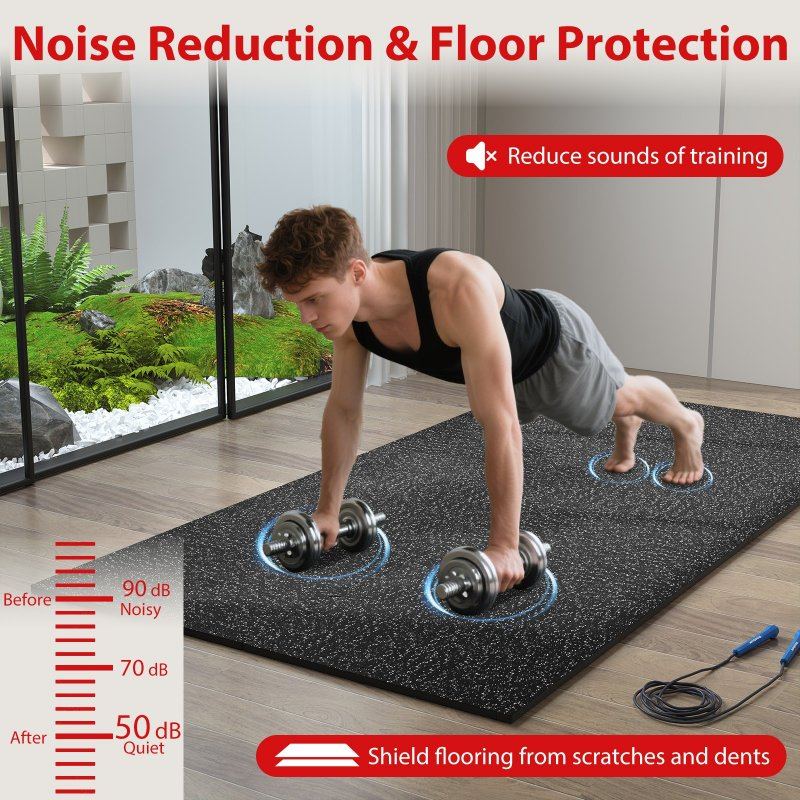
- A mat underneath. Interlocking rubber-top exercise mats damp vibration transfer to the floor (your downstairs neighbors will thank you), protect flooring, and give you a defined workout zone.
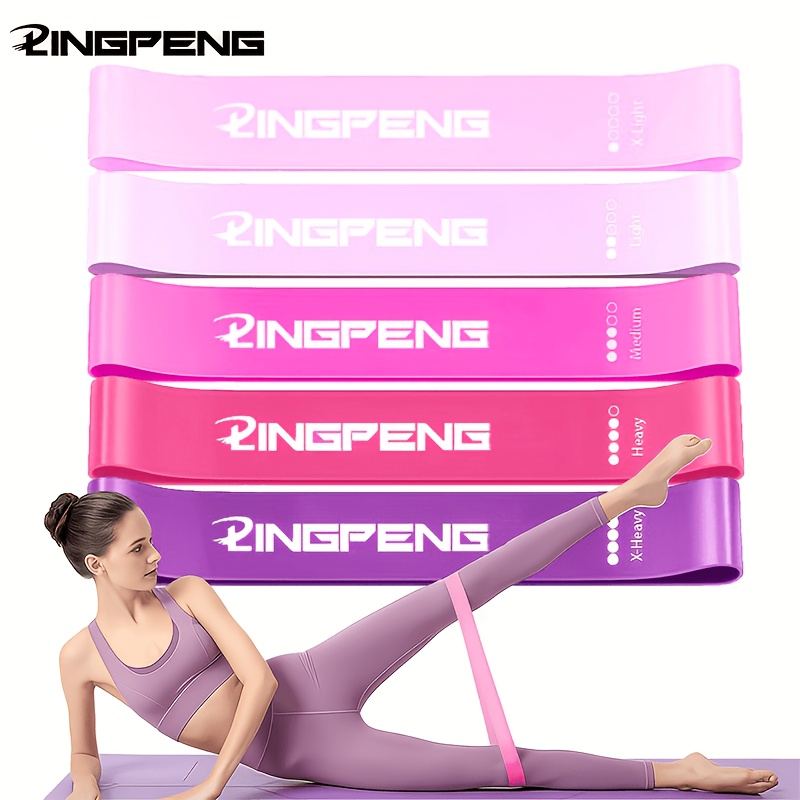
- Pair it with resistance bands. This is where a plate session becomes genuinely useful: loop resistance bands for banded squats, glute work, and upper-body moves turn "standing on a vibrating plate" into an actual low-impact workout. Our low-impact workouts for women has session ideas that pair well.
- Clear the area and keep balance support (wall or sturdy chair) within arm's reach for your first sessions.
Common Mistakes
- Starting at maximum intensity on day one. The single most common error — and the fastest route to dizziness, nausea, or just hating the thing.
- Locking the knees while standing on the plate. Soft knees, always.
- Long daily sessions expecting faster results. The benefits don't scale with duration.
- Using it as the entire fitness plan. A supplement, not a program.
- Ignoring warning signals. Dizziness, joint pain, or nausea mean stop — not "push through."
Safety Notes
- Soft knees, every rep, every session. Stop immediately for dizziness, nausea, headache, or any pain.
- Not for unsupervised children; keep pets clear of the moving platform.
- Medical conditions, implants, pregnancy, or recent injury: provider clearance first, no exceptions.
- Keep sessions short (5–15 minutes) and infrequent enough to recover — 2–3 times per week is plenty.
FAQ
Q: Do vibration plates burn belly fat?
No. No device, exercise, or vibration pattern spot-reduces fat from any area of the body. Fat loss comes from overall activity, nutrition, sleep, and time — and results vary from person to person. Any product promising to melt belly fat is making a marketing claim, not a factual one.
Q: Are vibration plates safe?
For healthy adults who follow the guidelines — low intensity to start, short sessions, soft knees — they're generally considered low-risk. But they're not appropriate for everyone: pregnancy, implants, recent fractures or surgery, severe osteoporosis, vertigo disorders, and cardiovascular conditions all warrant a provider's clearance first.
Q: How often should I use a vibration plate?
Two to three times per week, 5–15 minutes per session, is a sensible range. Daily marathon sessions don't increase the benefits — they just increase the odds of discomfort.
Q: Can a vibration plate replace my workouts?
No. It can supplement a routine built on real strength training, walking, and movement — adding a small balance and muscle-activation stimulus. As a replacement for exercise, it doesn't hold up.
Q: Do vibration plates actually help with balance?
There's some research support for balance improvements, and the mechanism is plausible — your stabilizing muscles work constantly on a moving surface. Keep expectations modest: it's one tool among many, and dedicated balance practice (which is free) works too.
Conclusion
A vibration plate is neither the miracle the ads promise nor the scam the skeptics claim. It's a modest tool: some plausible balance benefits, a small boost when you exercise on it, and a genuinely low-impact way to add variety to your movement. What it will never do is melt fat, replace training, or tone you while you stand still. Buy one for what it is — an interesting supplement to a real routine — and you'll never be disappointed by what it isn't.
