Foam roller, massage gun, or plain stretching — which recovery tool earns your money and time? An honest comparison of what each one does best.
Recovery Tools Compared: Foam Roller vs Massage Gun vs Stretching
Walk into any gym's recovery corner and you'll see three camps: the foam-roller faithful sprawled on the floor, the massage-gun converts buzzing away at their quads, and the quiet minority who just… stretch. They all claim to help you feel better after hard training. So which one deserves your money, your time, and your gym-bag space?
This is an honest, practical comparison — not a sales pitch. We'll look at what each tool actually does, how to use it properly, what it costs you in time and money, and who should pick which. One truth up front: no tool replaces the real foundations of recovery — sleep, rest days, and sensible training. These are helpers, not magic. Results vary from person to person, and none of these guarantees faster recovery or any particular outcome.
This guide contains affiliate links. If you buy through them, VÉLORA may earn a commission at no extra cost to you.
The Three Contenders: What Each One Actually Does
Massage Gun: Percussion Therapy
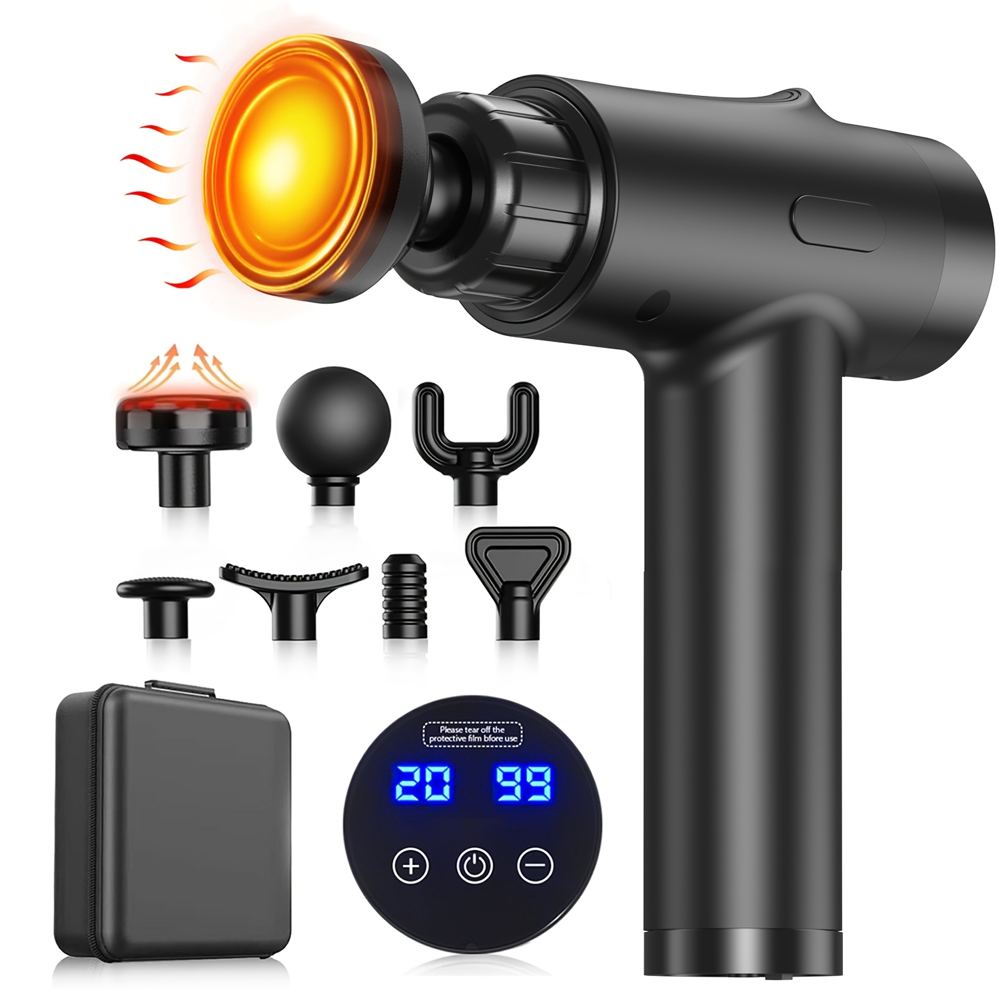
A massage gun delivers rapid pulses of pressure into muscle tissue through interchangeable heads. The idea is simple: targeted, mechanical stimulation to muscles that feel tight or tired. A model like the portable deep-tissue athlete massage gun comes with multiple attachments so you can match the head to the area — a flat head for larger muscles like quads, a bullet or cone head for pinpoint spots, a round head for general use.
How to use it: Work in slow passes over the muscle belly — the thick part of the muscle — never pounding on bones, joints, or the spine. Typical guidance is 30–60 seconds per muscle group, 1–2 times a day, using light to moderate pressure. Let the device's weight do the work; pressing hard defeats the purpose and can bruise tissue. Start on the lowest speed and increase only if it still feels comfortable.
Best for: Larger muscle groups after strength or cardio sessions, people short on time, anyone who wants precise, hands-free-feeling relief on specific spots like calves or glutes.
Foam Roller: Self-Myofascial Release
Foam rolling means using your body weight against a cylinder to apply pressure along muscles and connective tissue — often called self-myofascial release. It costs little, needs no charging, and covers broad areas (back, thighs, calves) quickly. For dedicated roller guidance, see our best foam rollers guide.
How to use it: Place the roller under the target muscle, use your hands and feet to control pressure, and roll slowly — about an inch per second — along the muscle. Pause and breathe on tender spots for 20–30 seconds rather than rolling frantically back and forth. Total: 1–2 minutes per area, once daily or after workouts. Roll the muscle, not the joint: avoid rolling directly over knees, elbows, the lower back's bony areas, or the neck.
Best for: Broad coverage of big muscle groups, budget recovery, people who want a screen-free, quiet routine.
Assisted Stretching: The Strap Method
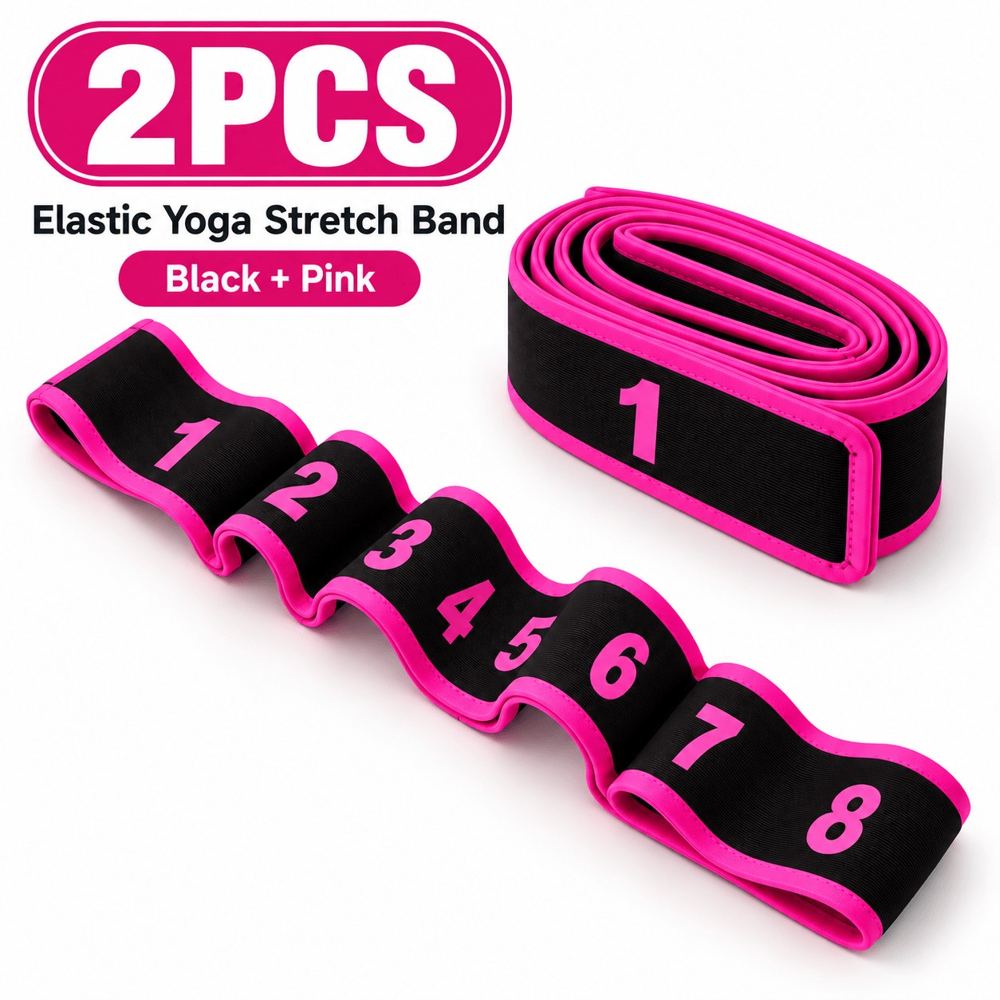
Stretching needs no technology at all — but most of us can't reach our own limits safely without help. A stretching strap with loops, like the 8-loop yoga stretching strap, lets you ease into positions gradually, hold them with control, and progress the range over weeks. It's the most portable and cheapest option of the three.
How to use it: Settle into the stretch until you feel gentle tension — never sharp pain — and hold for 20–60 seconds per side, repeating 2–4 rounds. Breathe slowly; tension tends to release on the exhale. This is active recovery work: unhurried, controlled, and best done when muscles are warm (after a workout or a warm shower), not on cold muscles first thing.
Best for: Flexibility goals, tight hips and hamstrings, anyone who wants a calm cooldown ritual, travelers (a strap weighs nothing).
Head-to-Head Comparison
| Factor | Massage gun | Foam roller | Stretching strap | |---|---|---|---| | Typical cost | Moderate–higher (device + attachments) | Low (one simple purchase) | Very low | | Time per session | 5–10 minutes | 5–10 minutes | 10–15 minutes | | Portability | Compact but needs charging | Bulky for travel, light at home | Fits in any bag | | Ease of use | Easiest — point and go | Some technique needed | Needs basic knowledge of stretches | | Noise | Noticeable buzz | Silent | Silent | | Best for | Targeted relief, time-pressed users | Broad muscle coverage on a budget | Flexibility, calm cooldowns | | Learning curve | Minimal | Low | Low–moderate | | Maintenance | Charge the battery | Wipe clean occasionally | None |
There's no overall winner — only the right tool for your situation. If you want precision and speed and don't mind the price, the massage gun earns its place. If you want maximum value and don't mind floor time, the roller is hard to beat. If your goal is flexibility and a wind-down ritual, nothing beats a strap and ten quiet minutes.
Who Should Pick Which
- Pick the massage gun if you're time-pressed, want precise work on specific muscles, train intensely several days a week, or dislike floor-based routines. For model-level detail, our best massage guns guide compares options.
- Pick the foam roller if you want the best value, like covering large areas (back, quads, IT-band region) in one pass, or prefer silent, screen-free recovery.
- Pick the stretching strap if flexibility is the goal, you travel, you want the cheapest effective option, or you enjoy a calm cooldown as part of your routine.
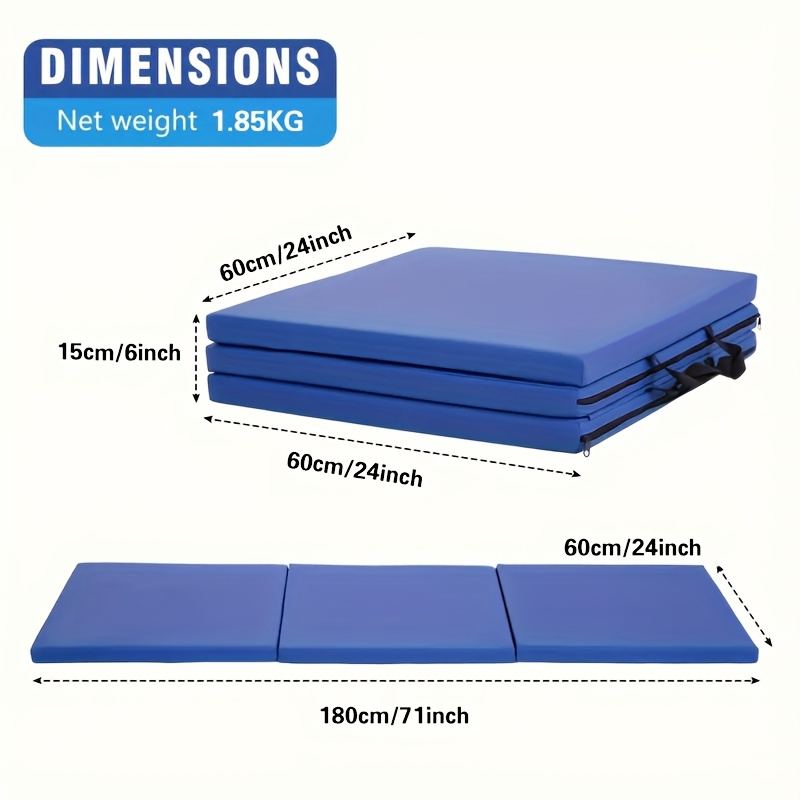
- Combine them if you can: many experienced exercisers use a massage gun for quick targeted work after training and a strap for a longer evening flexibility session. A folding PU foam gym mat makes any floor-based recovery more comfortable and is worth the small investment regardless of which tool you choose.
Safety Notes: Soreness Is Information, Pain Is a Signal
All three tools share the same safety logic: they should feel like relief, not punishment. A few rules:
- Soreness vs. pain. A dull, achy muscle that improves as you work it is normal post-exercise soreness. Sharp, shooting, or worsening pain is a signal to stop — never work through it with a tool.
- Avoid injured areas. Don't massage, roll, or aggressively stretch anything that's swollen, bruised, recently injured, or feels unstable. Tools can't heal injuries; rest and professional guidance do that.
- Skip bones, joints, and the neck. Massage guns and rollers belong on muscle bellies, not kneecaps, elbows, the spine's bony ridges, or the front of the neck.
- Gentle pressure wins. More pressure doesn't mean more recovery. Bruising, numbness, or pain that lingers after a session means you overdid it — back off next time.
- Results vary. Some people feel dramatically better after rolling; others notice little. Neither experience is wrong, and no tool guarantees faster recovery or injury prevention.
Wondering about timing? Our comparison of stretching before vs. after workouts settles the sequencing question in detail.
The Recovery Basics That Matter More Than Any Tool
Honest disclaimer: the three tools above are the final 10% of recovery. The other 90% is unglamorous and free:
- Sleep. Most muscle repair and adaptation happens during sleep. A short sleep schedule will undo the best recovery toolkit.
- Rest days. Muscles adapt during recovery, not during the workout. Training the same hard muscles daily without rest is how plateaus and injuries happen.
- Sensible programming. Gradual progression beats heroic effort. Soreness you can walk off is a sign of work; soreness that changes how you move for days is a sign of too much.
- Hydration and nutrition. Unremarkable, essential, and more impactful than any gadget.
Buy the tool that fits your routine — but don't expect it to compensate for four hours of sleep.
FAQ
Q: Can I use a massage gun every day?
Most people can use one daily on healthy, uninjured muscles, keeping sessions short — 30–60 seconds per muscle group, light to moderate pressure. But daily use isn't required, and it doesn't multiply the benefits. If an area is still sore from yesterday's session, give it rest instead of more percussion. And never use it on an injury or anything swollen without professional guidance.
Q: Should I foam roll before or after a workout?
Both have their place. A brief roll (about a minute per area) before training can be part of a warm-up; a longer, slower roll after training fits a cooldown. The one firm rule: don't do aggressive, painful rolling right before heavy lifting — you want muscles primed, not beaten up. For stretching specifically, see our stretching before vs. after guide.
Q: Do these tools actually speed up recovery?
They can help you feel better — reducing perceived tightness and soreness for many users — but the evidence for genuinely faster physiological recovery is mixed, and results vary widely between people. Think of them as comfort and mobility aids, not shortcuts. The proven recovery levers remain sleep, rest days, and gradual training.
Q: Which is best for tight hamstrings?
Assisted stretching with a strap is usually the most direct answer: lying hamstring stretches with a strap let you control the range precisely and hold 20–60 seconds per leg without straining your back. A foam roller covers the hamstrings well too, though the position takes practice. A massage gun can loosen the area quickly but won't build lasting flexibility — for that, the strap wins.
Q: Is a massage gun safe for beginners?
Yes, with the standard cautions: start on the lowest speed, use light pressure, stay on muscle bellies (never bones, joints, or the neck), and keep to 30–60 seconds per area. Beginners actually benefit from the ease of use — there's almost no technique to learn. Stop immediately if anything feels sharp or wrong.
The Bottom Line
A massage gun buys you speed and precision. A foam roller buys you broad coverage at a bargain price. A stretching strap buys you flexibility and calm for almost nothing. All three beat doing nothing, and none of them beats sleeping well and resting properly. Pick the one that matches your routine and your budget — or pair a gun for quick post-workout work with a strap for evening flexibility — and remember that the best recovery tool is consistency with the basics.