What should you eat before and after a workout? A beginner guide to timing, simple meal ideas, hydration, and easy meal prep — no strict rules.
Pre- and Post-Workout Nutrition Basics for Beginners
You've picked your workout — maybe a strength session, a brisk walk, or a home circuit. Now the question pops up: what should I eat before this, and what about after? You don't need a supplement stack or a perfect macro spreadsheet. You need two things — enough energy before you train so your workout feels good, and enough protein and carbohydrates afterward so your body can recover. This guide covers the basics: what to eat before training, what to eat after, hydration, and simple meal prep for busy days.
This guide contains affiliate links. If you buy through them, VÉLORA may earn a commission at no extra cost to you.
Why Eating Around Your Workouts Matters
Exercise is work your muscles perform, and work requires fuel. If you train on an empty stomach after a long day without eating, you're likely to feel sluggish, dizzy, or cut your session short — not because you're unfit, but because the tank is empty. On the flip side, eating a huge, heavy meal right before a workout can leave you nauseous and uncomfortable.
After training, your body does its repair work: muscles need protein to rebuild, and depleted energy stores need carbohydrates to refill. You don't have to get this perfect every time — but getting the basics right consistently makes workouts feel better and recovery smoother. If you're also thinking about how your sessions are structured, our guide on how to structure a workout pairs naturally with this one.
What to Eat Before a Workout
The goal before training is simple: easily digestible energy, without a full stomach. Timing matters more than the exact food:
- Full meal 2–3 hours before: eat normally — a balanced meal with carbs, protein, and a little fat. Think rice with chicken and vegetables, a sandwich, or oatmeal with fruit and yogurt.
- Small snack 30–60 minutes before: keep it light and carb-focused, since carbs are your body's fastest fuel. The closer to your workout, the smaller and simpler it should be.
Simple pre-workout snack ideas
- A banana (the classic for a reason — portable, quick energy)
- A slice of toast with honey or jam
- A small handful of dates or a date-energy ball
- A few rice cakes with a thin spread of peanut butter
- A small bowl of plain yogurt with a little fruit
- A sports drink or a glass of milk if you prefer something liquid
What to avoid right before training
- Very high-fat meals (fried food, heavy cheese) — they digest slowly and can sit uncomfortably
- Huge portions — give your stomach room
- Foods you know upset your stomach, especially high-fiber foods in large amounts right before intense exercise
- Trying anything brand new on a hard training day — test new foods on easy days first
The early-morning question
For easy sessions — a walk, gentle yoga, light mobility — training before breakfast is usually fine. For harder sessions (strength training, intervals, long cardio), eat something small first: half a banana, a few dates, or a small glass of juice. If you're regularly dizzy or fading halfway through morning workouts, that's your body asking for fuel.
What to Eat After a Workout
After training, your body is in repair mode. Give it protein (the building blocks muscles use to rebuild) and carbohydrates (to refill the energy you burned). Regular food does this job perfectly — nothing exotic needed.
The "anabolic window" myth, honestly explained
You may have heard you must eat protein within 30 minutes of your last rep or the workout was wasted. That's an exaggeration. The evidence supports eating a protein-containing meal within a few hours after training — not within minutes. If dinner is 60–90 minutes away, that's perfectly fine. If you trained in the morning and lunch is in three hours, have a snack now and a real meal later. Consistency of daily protein intake matters far more than minute-by-minute timing.
Simple post-workout meals
- Grilled chicken or fish with rice and vegetables
- Eggs on toast with a side of fruit
- Lentil dal with rice or roti
- Greek yogurt with granola and berries
- A protein-rich smoothie (milk, banana, peanut butter, oats)
- Beef or chicken stir-fry with noodles
Aim for a satisfying meal with both a protein source and a carbohydrate source — it doesn't need to be enormous, just real. Adequate post-workout protein supports the beginner strength training program you're following.
The Timing Cheat Sheet
| Timing | What to eat | Simple examples | |---|---|---| | 2–3 hours before | A normal balanced meal | Rice + chicken + veg, sandwich, oatmeal with fruit | | 30–60 min before | A small, carb-focused snack | Banana, toast with honey, a few dates | | Right before (5–15 min) | Only if needed: something tiny and liquid | A few sips of sports drink, a small piece of fruit | | 0–2 hours after | Protein + carbs in a real meal or snack | Chicken + rice, eggs on toast, yogurt with granola | | 2–4 hours after | Your next regular meal | Whatever your normal dinner/lunch looks like |
These are ranges, not commandments. Life happens — some days you'll eat 90 minutes before, some days three hours. The pattern matters more than any single day.
Hydration: The Quiet Performance Booster
If there's one nutrition factor beginners underestimate, it's water. Even mild dehydration can make a workout feel harder than it should — more fatigue, higher perceived effort, worse focus. The fix is simple: drink water throughout the day, have some before and during training, and rehydrate after.
Practical hydration guidelines:
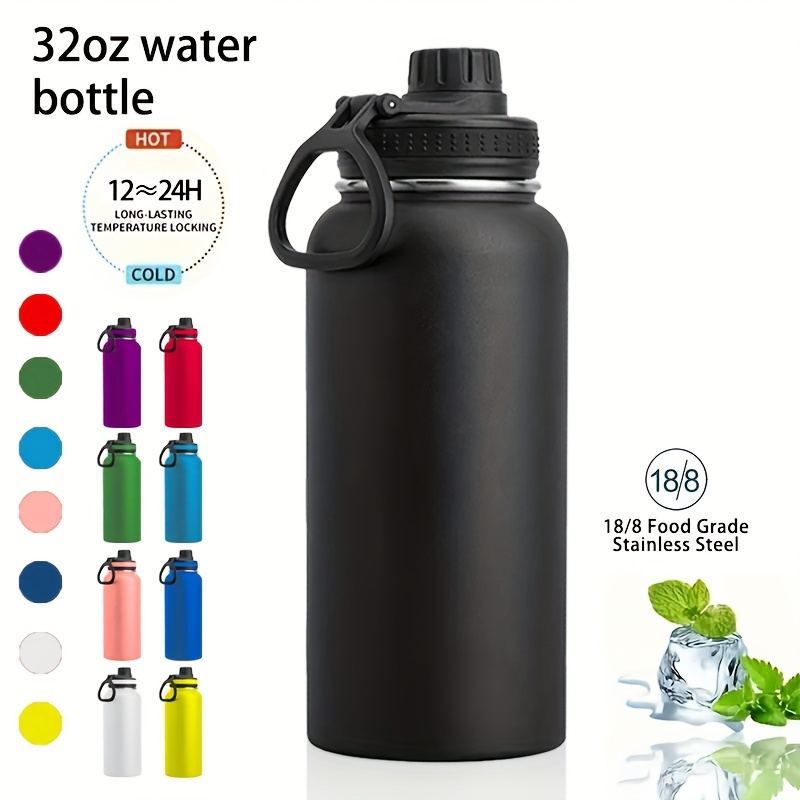
- Through the day: keep water within reach and sip regularly rather than chugging occasionally. A large insulated water bottle that keeps water cold makes this much easier — cold water is simply more inviting to drink.
- Before training: a glass or two in the hour before.
- During training: sip every 15–20 minutes, more in heat or long sessions.
- After training: drink to thirst, plus a little more.
For sessions under an hour in normal conditions, plain water is enough. For longer or very sweaty sessions (90+ minutes, hot weather), drinks with electrolytes can help. A moderate cup of coffee before a morning workout is fine for most people, but drink water alongside it, not instead of it.
Simple Beginner Meal Examples: A Sample Training Day
Here's what a sensible day looks like for someone training in the late afternoon: oatmeal with milk and banana for breakfast; rice with lentils and vegetables for lunch; a banana and a few dates as a pre-workout snack; training with water throughout; then grilled chicken, rice, and vegetables for dinner. Nothing exotic or expensive. If you train in the morning, shift the pattern: small snack before, real breakfast after. The framework adapts to your schedule.
Meal Prep Basics for Busy People
The reason most people eat poorly around workouts isn't knowledge — it's logistics. When you're hungry after training and nothing is ready, you grab whatever's closest. Meal prep solves this, and it doesn't have to be an all-day Sunday project.
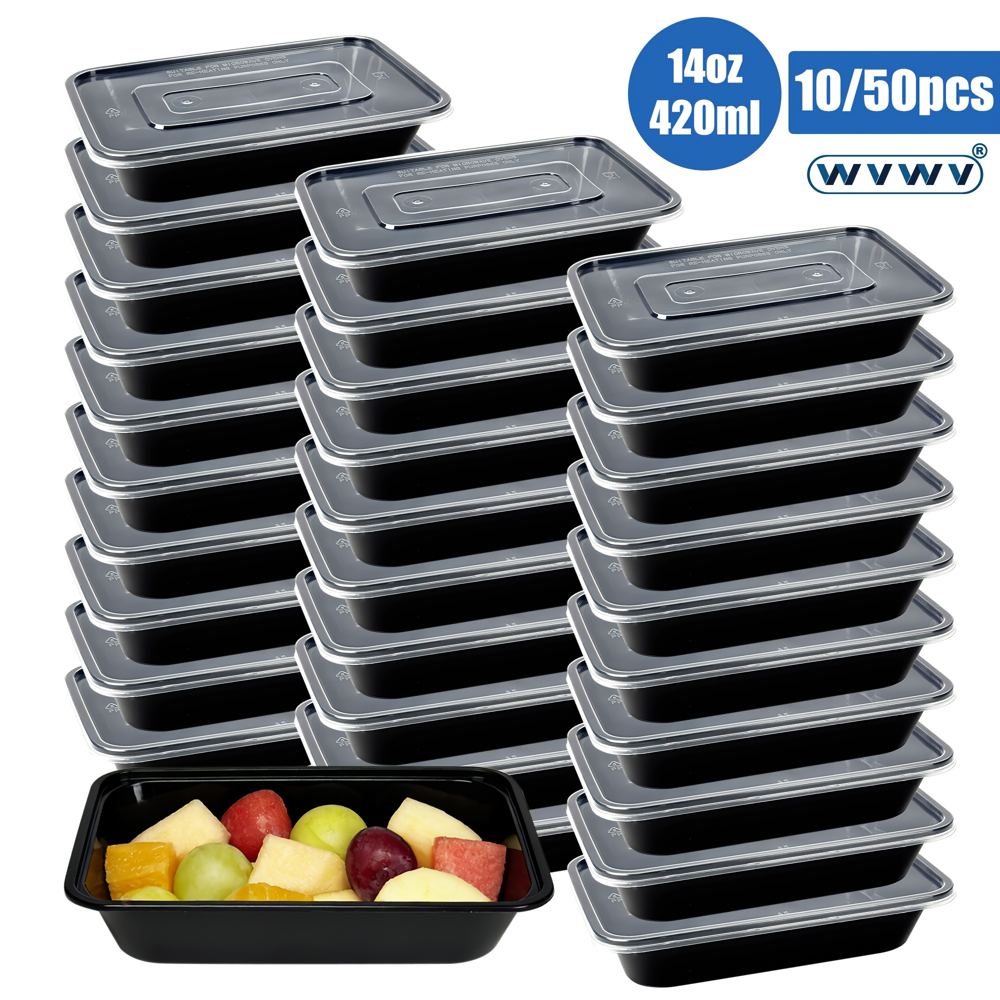
Start with just 3–4 portions. Cook a batch of rice, a tray of chicken or lentils, and chop some vegetables. Portion them into reusable meal prep boxes — having post-workout meals ready in the fridge removes the "what do I eat" decision entirely on busy days. Pre-portioned boxes also help you notice if you're consistently undereating after hard sessions.
Three beginner-friendly prep habits: batch one protein (chicken, eggs, lentils, or beans), batch one carb (rice, quinoa, pasta, or roasted potatoes — these keep 3–4 days refrigerated), and prep grab-and-go snacks (portioned nuts, washed fruit, or overnight oats). Keep it to a 60–90 minute session once or twice a week.
Pay Attention to Patterns, Not Perfection
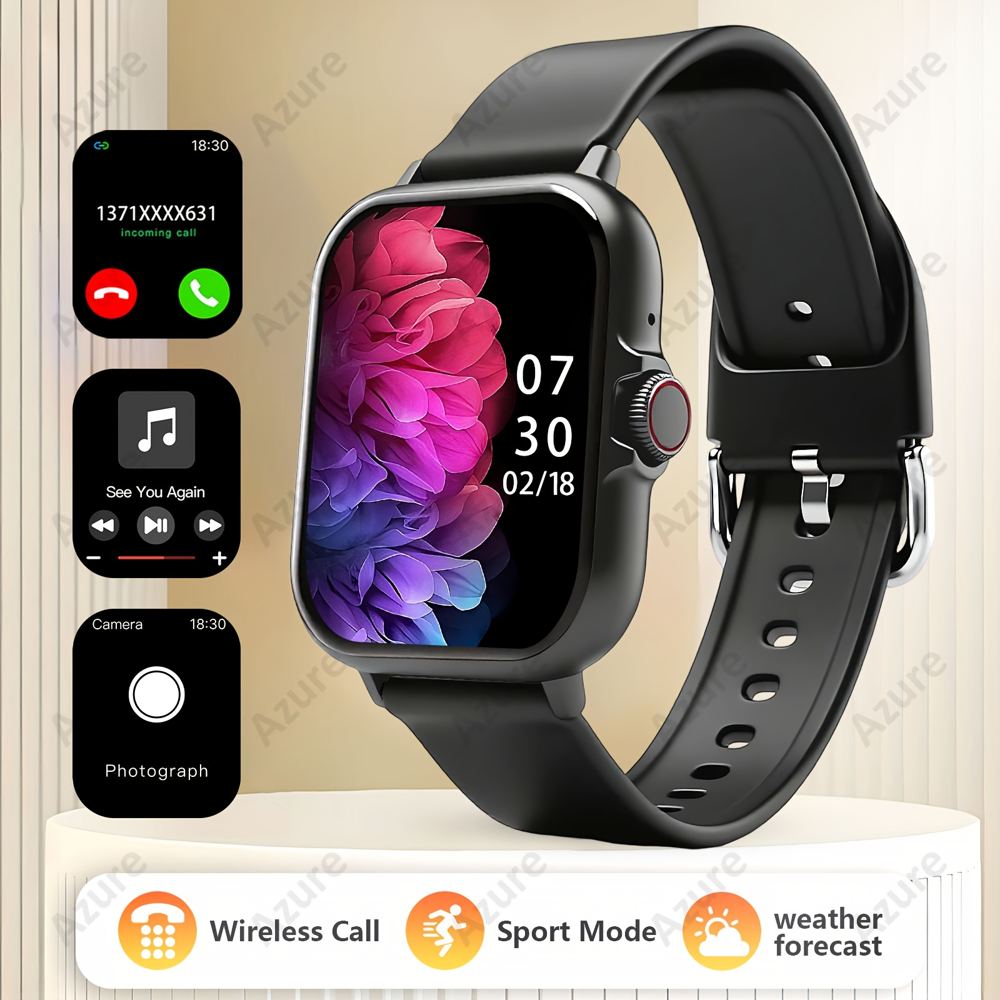
The final piece is feedback. For two weeks, casually note what you ate before training and how the session felt. A sports smartwatch that logs workouts and daily activity helps you spot patterns: are your best sessions on days you ate a real lunch? Do you crash when you skip the pre-workout snack? Your own data beats any generic rule. And remember that poor sleep ramps up hunger the next day — our guide on exercise and sleep explains why rest is part of your nutrition strategy too.
Common Beginner Mistakes
- Skipping the post-workout meal entirely. Training hard and then not eating for hours slows recovery and often leads to overeating later.
- Overcomplicating it. You don't need precise macros to start — regular balanced meals plus a pre-workout snack will take you far.
- Training fasted for hard sessions. Fine for an easy walk; a recipe for a miserable heavy workout.
- Drinking your calories without noticing. Sugary drinks around training add up fast; water should be the default.
- Ignoring how foods make you feel. If dairy before training bothers you, skip it. Your comfort is data.
Safety Notes
- If you have diabetes, use blood-sugar medication, or have any condition affected by food and exercise timing, talk to your healthcare provider about a personal plan — general advice doesn't replace medical guidance.
- Persistent dizziness, nausea, or fainting during or after exercise isn't normal — see a professional.
- If you have a history of disordered eating, approach structured eating advice cautiously and consider working with a qualified professional.
FAQ
Q: Should I eat before a morning workout?
For easy exercise like walking or gentle yoga, most people do fine without eating first — just have breakfast after. For harder sessions, eat something small 30–60 minutes before: half a banana, a few dates, or a small glass of juice. If you're often dizzy mid-workout, that's a sign to fuel first.
Q: What if eating before training makes me feel sick?
Eat lighter and earlier — a small liquid snack like a smoothie often sits better than solid food. Try eating 60–90 minutes before instead of 30, and avoid high-fat or very high-fiber foods right before exercise. If nausea persists, check with a healthcare professional.
Q: Do I need protein powder after my workouts?
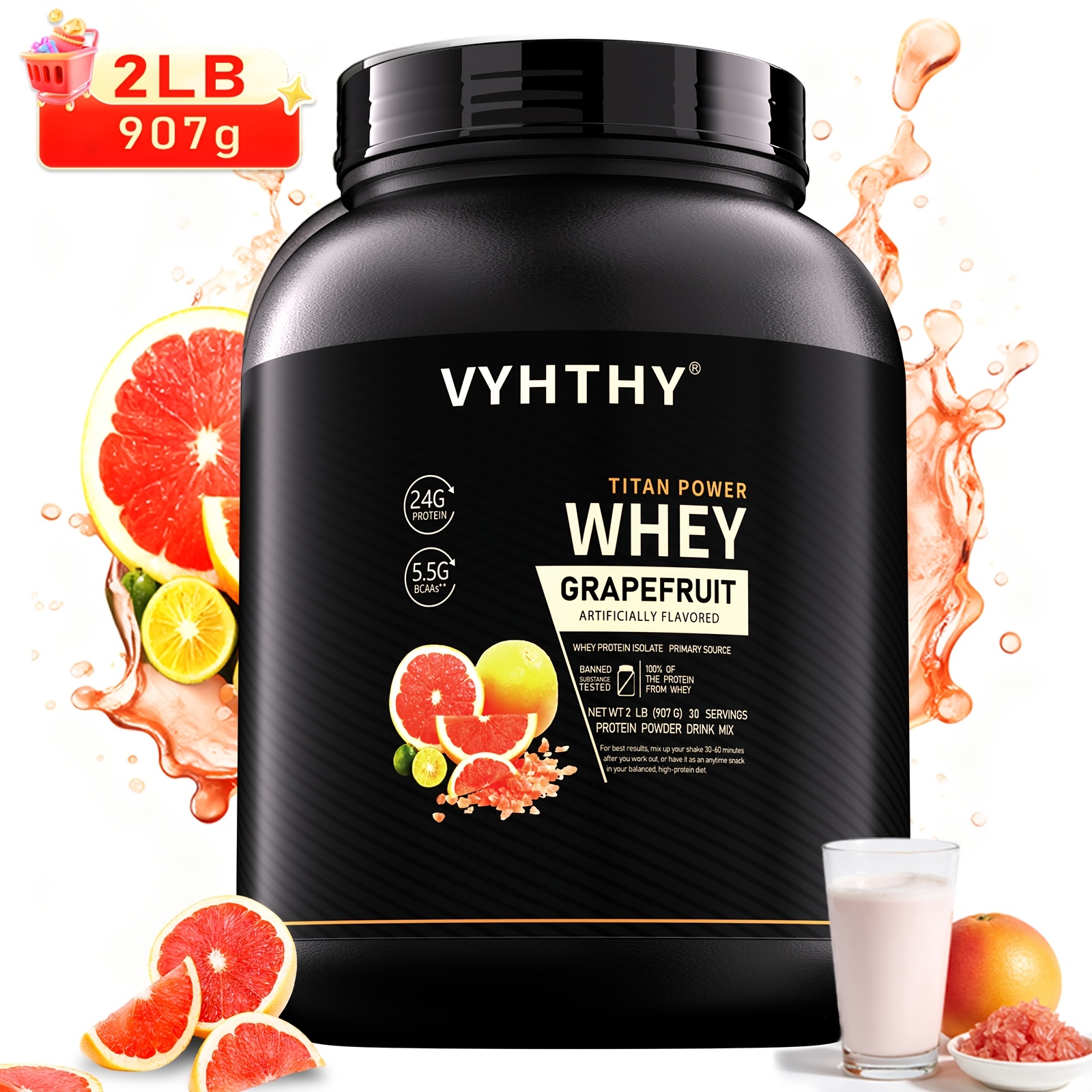
No — it's a convenience, not a requirement. Regular foods like chicken, eggs, fish, lentils, yogurt, and milk provide the same protein. Powder helps if you struggle to eat enough protein, but it isn't necessary for progress.
Q: Is coffee before a workout okay?
For most people, yes — a moderate cup 30–60 minutes before training is fine and may slightly improve focus and performance. Keep it to morning or early-afternoon sessions so it doesn't disrupt your sleep, and drink water alongside it. If caffeine makes you jittery or anxious, skip it — no workout requires coffee.
Q: I train late at night. What should I eat afterward?
Have a real but not enormous meal — eggs on toast, yogurt with fruit, or a small portion of dinner. Don't skip eating entirely just because it's late; your body still needs to recover. Keep it lighter than lunch if a heavy dinner affects your sleep.
Conclusion
Pre- and post-workout nutrition doesn't require a complicated system. Eat something energizing before you train, eat a real protein-and-carb meal within a few hours after, drink water consistently, and prep a few meals when you can. Get those basics right most days and your workouts will feel better and recovery smoother. Results vary, so pay attention to your own patterns — the best nutrition plan is the one you'll actually follow.