"A 10-minute morning stretching routine to loosen stiff joints, wake up your spine, and start the day energized. No equipment needed — do it in your pajamas."
Morning Stretching Routine: 10 Minutes to Start Your Day
Waking up stiff is one of the most universal human experiences. Overnight, the body rests in stillness for hours — joints settle, muscles cool and shorten slightly, and the spine compresses a little. That first-thing creakiness is normal. A short morning stretching routine loosens all of that gently, gets blood moving, and sets a noticeably better tone for the day than scrolling your phone in bed for ten extra minutes.
This routine takes ten minutes, needs no equipment, and can be done in your pajamas on a mat or a rug. It moves from head to toe in a sensible order: neck and shoulders first, then the spine, then the hips and legs. No experience needed, no flexibility required.
A quick honesty note: morning stretching will not permanently fix posture or erase years of desk-sitting in a week. What it reliably does is reduce morning stiffness, improve how your body feels through the first hours of the day, and build a small daily movement habit that compounds over time. Results vary, and consistency is the whole game.
This guide contains affiliate links. If you buy through them, VÉLORA may earn a commission at no extra cost to you.
Setting Up Your Morning Space
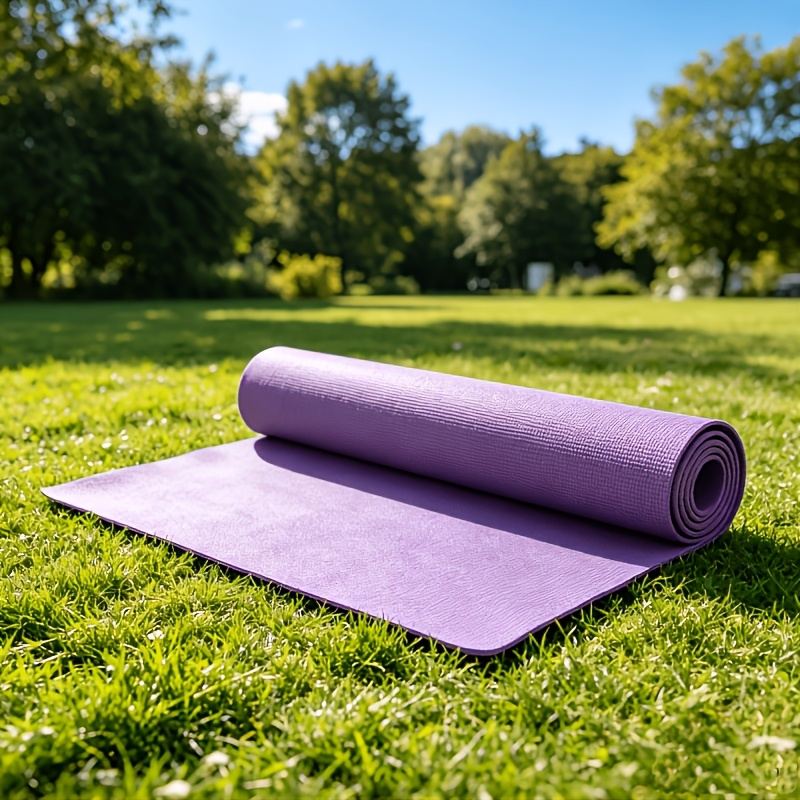
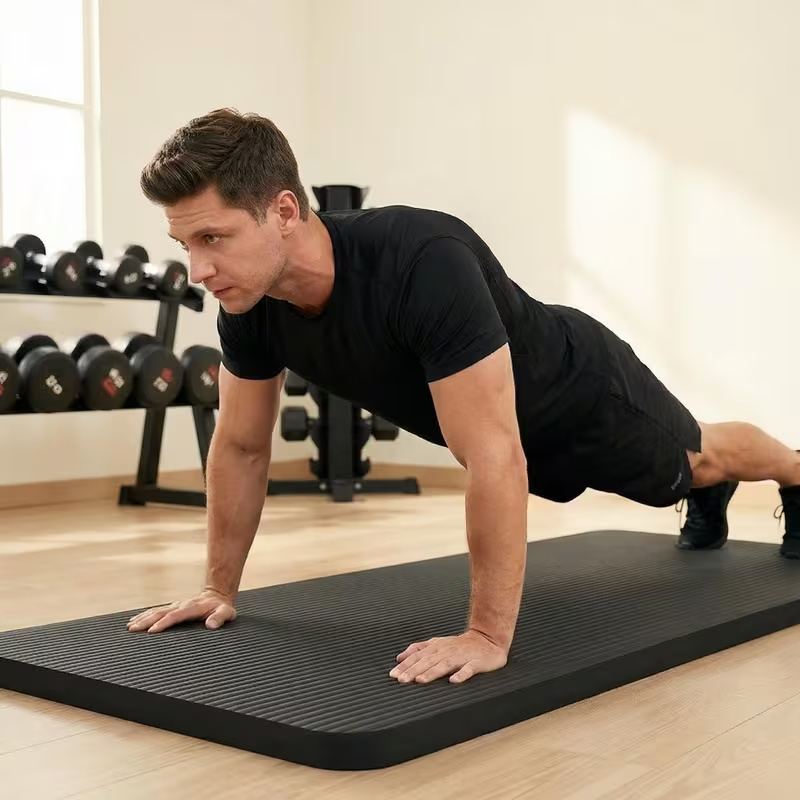
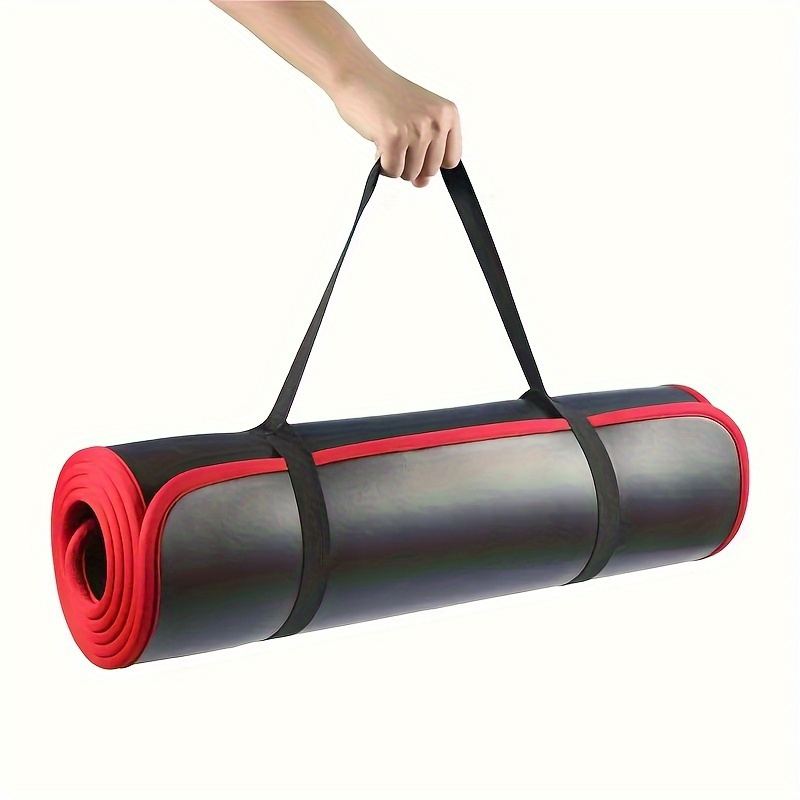
You need a patch of floor large enough to lie down and stretch your arms overhead. A mat makes it far more comfortable, especially on hard floors — an extra-thick mat like the 10mm Non-Slip Waterproof Yoga Mat cushions knees and elbows nicely during the floor section. If you like a little extra guidance on choosing the right thickness, our yoga mat thickness guide walks through the trade-offs. Keep water nearby, open a window or step toward daylight if you can, and give yourself the full ten minutes — this works best unhurried.
Breathing throughout: slow breaths through the nose. Inhale on openings and lifts, exhale as you settle into each stretch. Hold every stretch for 3–5 slow breaths (roughly 20–30 seconds) — long enough for the muscle to relax into it.
The Routine: Head to Toe
Minutes 0–2: Neck and Shoulders
Morning stiffness loves the neck. These start gentle because the cervical spine deserves respect first thing.
1. Slow neck circles. Sit or stand tall. Drop your chin toward your chest, then slowly roll your head to the right, back, left, and around — one full, unhurried circle per breath. Do 3 circles each direction. Technique tip: keep the movement smooth and small; never crank the neck or force a range that clicks painfully. Common mistake: tilting the head back sharply — keep the chin slightly tucked when the head goes behind you.
2. Ear-to-shoulder stretch. Sit tall, tilt your right ear toward your right shoulder without lifting the shoulder to meet it. Rest your right hand gently on the left side of your head for the lightest extra weight — no pushing. Hold 4–5 breaths, switch sides. Purpose: releases the upper trapezius and the side of the neck, where tension from sleep positions and pillow height collects. Beginner modification: skip the hand entirely and just let gravity work.
3. Shoulder rolls. Lift your shoulders to your ears, roll them back and down in big slow circles — 5 backward, 5 forward. Breathing: inhale as the shoulders lift, exhale as they roll down and back.
Minutes 2–4: Spine and Torso
4. Standing cat-cow. Place your hands on your thighs with knees softly bent. Inhale: arch the back slightly, lifting the chest and looking forward. Exhale: round the back, tucking the chin. Repeat 6–8 slow breath cycles. Purpose: wakes up the entire spine after hours of lying still, and pairs movement with breath to shake off sleepiness. Common mistake: moving from the neck only — let the whole spine participate, from tailbone to head.
5. Standing side bends. Feet hip-width apart, interlace your fingers and press your palms toward the ceiling. Exhale and lean gently to the right, feeling the left side of the torso lengthen. Hold 3 breaths, inhale back to center, repeat left. Technique tip: think of reaching up and over rather than collapsing sideways — keep both feet grounded.
6. Gentle standing twist. Feet hip-width apart, arms relaxed. Inhale, lift your arms to shoulder height; exhale, rotate your torso to the right, letting your arms swing gently and your gaze follow. Inhale back to center, exhale left. Repeat 4 times per side, easy and rhythmic. Purpose: mobilizes the mid-back, which stiffens overnight. Safety: keep the movement easy — this is a wake-up, not a workout.
Minutes 4–7: Hips and Hamstrings
Overnight stillness hits the hips and the backs of the legs hardest. This is the longest section because it pays the biggest dividends.
7. Hip circles. Stand on your left leg (hold a wall or chair for balance if needed) and draw slow circles with your right knee — 5 each direction — then switch legs. Purpose: lubricates the hip joint and wakes up the deep hip stabilizers. Beginner modification: make the circles small; the size of the circle matters far less than the smoothness.
8. Standing quad stretch. Still holding the wall if needed, bend your right knee and catch your right foot or ankle behind you, gently drawing the heel toward your glute while keeping your knees together. Hold 4–5 breaths per side. Common mistakes: arching the lower back to pull the foot closer — tuck the tailbone slightly instead; letting the standing knee lock — keep it soft. Purpose: opens the front of the thigh and hip flexor, both shortened by sitting and by sleeping with bent knees.
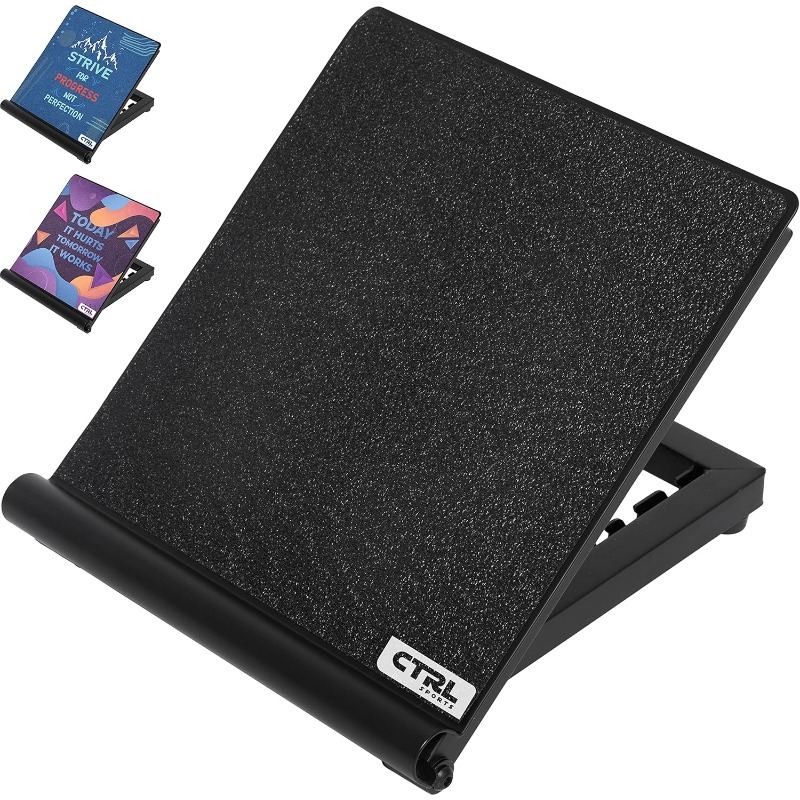
9. Calf stretch. Face a wall, step your right foot back about two feet, press the heel firmly toward the floor with the back leg straight. Lean gently into the wall until you feel the calf stretch. Hold 4–5 breaths per side. Technique tip: for a deeper, more consistent stretch, a 5-position adjustable calf stretcher slant board holds the angle for you so you can relax into it — especially nice for chronically tight calves. Purpose: calves tighten overnight and in heels or flat shoes alike; loose calves make walking and stairs feel easier all day.
10. Forward fold with bent knees. Feet hip-width apart, hinge at the hips and fold forward with generously bent knees, letting your head and arms hang heavy. Sway gently side to side. Stay for 5–6 breaths. Breathing: with each exhale, let the torso hang a fraction heavier. Safety: come up slowly afterward — roll up one vertebra at a time or bend the knees deeply and rise, to avoid lightheadedness.
Minutes 7–10: Wake Up the Feet and Finish Strong
11. Foot rolling. Place a firm ball under one foot and roll slowly from heel to arch to ball of the foot, pausing on tender spots for a breath or two. One minute per foot. A fascia massage ball is ideal for this — small enough to target the arch precisely. Purpose: the feet take your full body weight all day; waking up the plantar fascia first thing makes the first steps of the day noticeably more comfortable. Beginner modification: do this seated if standing on the ball feels too intense.
12. Full-body reach and breathe. Stand tall, interlace your fingers and press your palms to the ceiling, rising onto your toes. Stretch as long as you can for one deep inhale, then exhale and release everything with a sigh. Repeat 3 times. This is the period at the end of the sentence — a full-body wake-up that tells your nervous system the day has officially started.
The 10 Minutes at a Glance
| Time | Area | Moves | | --- | --- | --- | | 0–2 min | Neck & shoulders | Neck circles, ear-to-shoulder stretch, shoulder rolls | | 2–4 min | Spine & torso | Standing cat-cow, side bends, gentle twist | | 4–7 min | Hips & legs | Hip circles, quad stretch, calf stretch, forward fold | | 7–10 min | Feet & finish | Foot rolling, full-body reach × 3 |
Making It a Habit That Sticks
The best morning routine is the one you actually repeat. A few things that help:
- Anchor it to something you already do. Right after brushing your teeth, or while the coffee brews. Habits attach to existing rituals far better than to willpower.
- Lay the mat out the night before. Removing one tiny friction point — unrolling the mat — measurably increases follow-through.
- Keep it at ten minutes. A short routine you do daily beats a long one you abandon — resist the urge to expand it for the first month.
- It's fine to do it in pajamas. Comfort beats ceremony. The only requirement is showing up.
If you enjoy this and want to build toward a longer practice, our beginner's home workout plan and balance exercises guide are natural next steps.
Common Mistakes
- Stretching cold muscles aggressively. Morning muscles are at their stiffest — the first two minutes should feel like coaxing, not forcing. Intensity builds naturally as you warm up through the routine.
- Bouncing in stretches. Ballistic bouncing triggers the muscle's protective stretch reflex and can cause micro-strain. Slow, sustained holds are safer and more effective.
- Holding your breath. New stretchers often hold their breath without noticing. If a stretch feels stuck, exhale — the muscle usually releases on the out-breath.
- Craning the neck. Looking up sharply during floor or forward-fold stretches compresses the cervical spine. Keep the neck long and neutral.
- Skipping the feet. The foot-rolling minute looks minor and is disproportionately valuable — don't cut it.
Safety Notes
Morning stretching is gentle and safe for most people, but keep it pain-free: mild tension is fine, sharp or shooting pain is a stop signal. If you get dizzy standing up from forward folds, rise more slowly and keep a chair nearby. Those with herniated discs should avoid aggressive forward folding first thing in the morning — stick to the standing and side-bending sections. As always, unusual or persistent pain deserves a professional's eyes, not a stretch routine.
FAQ
Q: Is it normal to feel really stiff every morning?
Yes, very. Morning stiffness is a normal consequence of hours of stillness — joint fluid redistributes, muscles cool, and tissues temporarily shorten. It typically eases within 30–60 minutes of moving around. A stretching routine simply accelerates that process. If stiffness lasts for hours or comes with significant pain or swelling, that is worth discussing with a doctor.
Q: Can I do this routine every day?
Yes — this is designed as a daily practice. The stretches are gentle, the intensity is low, and nothing here needs a recovery day. Daily gentle mobility work is one of the safest exercise habits there is. Listen to your body: on sore or tired mornings, do the routine more gently rather than skipping it.
Q: Do I really need a mat for a 10-minute routine?
Not strictly — a rug or carpet works for the standing sections. But the calf stretch and any kneeling are far more comfortable on a mat, and having the mat laid out acts as a visual reminder to do the routine. If you practice on hard floors, a thicker mat is worth it; our yoga mat thickness guide covers the options.
Q: Will morning stretching help my posture?
It helps with the stiffness and tightness that contribute to slouching — especially the chest-opening and hip-flexor sections. But posture is a full-day habit involving how you sit, stand, and work, not something ten morning minutes can fix alone. Think of this routine as a daily reset, not a complete posture program.
The Bottom Line
Ten minutes, head to toe: neck circles and shoulder rolls, standing cat-cow and twists, hip circles and quad and calf stretches, a forward fold, foot rolling, and a full-body reach to finish. Done daily, this simple sequence takes the edge off morning stiffness and starts the day with your body awake and willing. Lay the mat out tonight — your tomorrow-morning self will thank you.