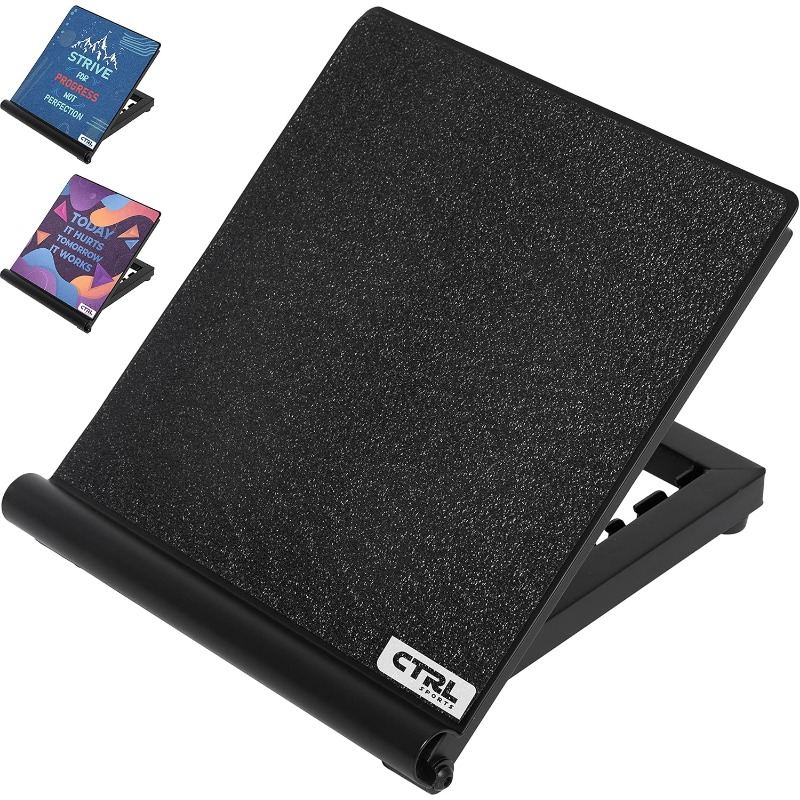
Mobility and flexibility are not the same thing. Learn what each one means, which one your training actually needs, and how to improve both safely.
Mobility vs Flexibility: What's the Difference and Why It Matters
You've probably heard "mobility" and "flexibility" used as if they mean the same thing — even fitness professionals mix them up. They don't. The difference decides whether your stretching routine actually helps your training. Once you understand what each one really is, you can stop guessing and start spending your time on the one your body needs most.
This guide contains affiliate links. If you buy through them, VÉLORA may earn a commission at no extra cost to you.
Flexibility: How Far a Joint Can Be Moved
Flexibility is passive range of motion — how far a joint can go when something else does the work. When you sit in a hamstring stretch and pull your leg toward you with a strap, that's flexibility. When someone else moves your arm for you, that's flexibility too. It's the raw material of movement: the maximum length your muscles and connective tissue will allow.
If your muscles physically cannot lengthen enough for a deep squat or overhead reach, no amount of effort will get you there. Many women arrive at exercise with genuinely stiff hamstrings, hip flexors, or chest muscles from years of desk sitting, and addressing that passive tightness is a real need.
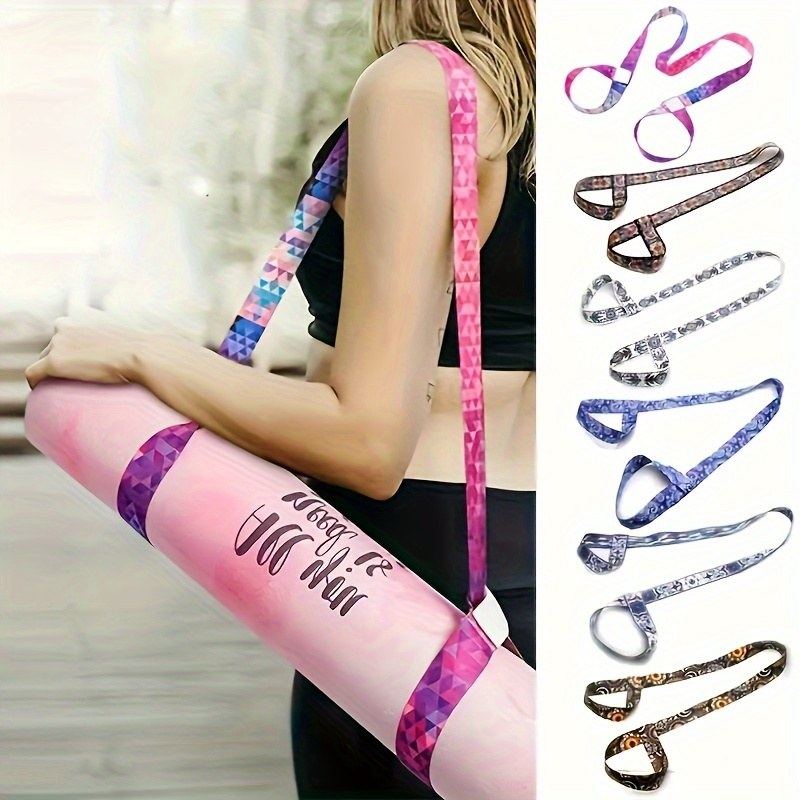
The standard tool is static stretching: ease into a mild pull (never sharp pain) and hold for 20–60 seconds per side. An adjustable yoga and Pilates stretching strap helps — it lets you hold stretches with good posture instead of rounding your back to reach your foot, and the adjustable tension keeps the pull gentle and progressive.
But flexibility has a blind spot. Being able to fold into a deep stretch while lying down tells you nothing about whether your body can actually use that range standing up, under load, in real life. That's where mobility comes in.
Mobility: How Much Range You Can Control
Mobility is active, controlled range of motion — how far you can move a joint using your own muscles while staying stable. A deep squat you lower yourself into and rise out of, with your knees tracking well and your torso upright, is mobility. Touching your toes while lying on the floor is flexibility. See the gap?
Mobility is flexibility plus strength plus coordination inside the range. It's the usable range — the one your squats, lunges, yoga poses, and daily movements actually run on. And for most people who train, it's the one that matters more. Here's why: having a large passive range you can't control is like owning a long lever without the muscle to operate it. The joint can go there, but nothing reliable holds it there — and that's where strains, pinches, and that vague sense of instability come from.
Mobility work looks different from static stretching. Instead of holding a long, passive pull, you move slowly and deliberately through ranges, with control:
- Controlled articular rotations (CARs): slow, large circles at one joint — shoulder, hip, ankle — 5–10 reps per direction, as big a circle as you can control smoothly.
- Cat-cow: on all fours, alternate arching and rounding the spine slowly for 8–12 reps, moving each segment deliberately. A gentle, beginner-friendly start — our guide to cat-cow spinal mobility walks through the form in detail.
- Hip openers: slow, controlled 90/90 hip switches or lunge-with-rotation sequences, 5–8 per side.
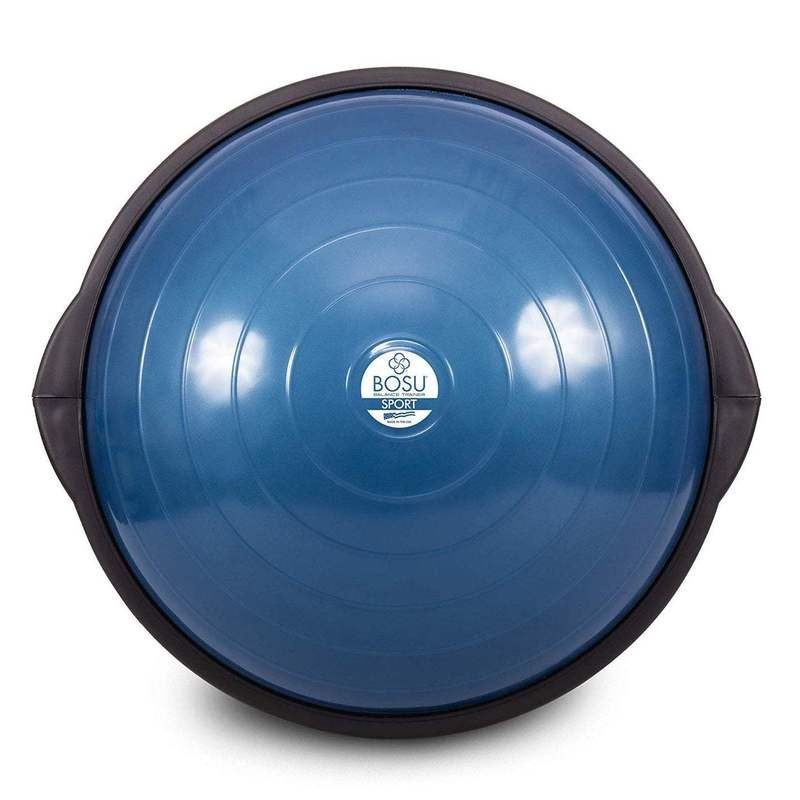
- Balance-integrated mobility: standing on one leg while tracing slow circles with the free foot, or doing it on a slightly unstable surface like a blue 50cm travel-size BOSU balance trainer once you're comfortable on flat ground — every wobble forces the muscles around your ankles, knees, and hips to work within a range. For men following the same logic, the principles match what we cover in our mobility routine for men.
Flexibility vs. Mobility: The Comparison
| Aspect | Flexibility | Mobility | |---|---|---| | Definition | Passive range of motion | Active, controlled range of motion | | Who's doing the work | Gravity, a strap, a partner, or momentum | Your own muscles, under control | | What it measures | How far tissues allow a joint to go | How far you can use a joint with stability | | Example | Lying hamstring stretch held 30 seconds | A deep bodyweight squat you control down and up | | Typical training | Static stretches, holds of 20–60 seconds | Slow rotations, cat-cow, controlled transitions, 5–10+ slow reps | | Best timing | After training, or separate easy sessions | Warm-ups and dedicated sessions | | Main risk if ignored | Stiff tissue limits positions (e.g., can't reach depth in a squat) | Shaky, uncontrolled joints despite "being flexible" | | Main risk if overdone badly | Aggressive pre-workout static stretching can temporarily reduce force output | Chasing range without building strength in it |
Which One Does Your Training Actually Need?
Most people need both, but mobility usually deserves the bigger share of your time. Flexibility is the size of the room; mobility is how well you can move around inside it. A huge room you keep tripping in isn't better than a medium room you navigate confidently.
A few rules of thumb:
- If you can't physically get into positions (can't sit into a squat, can't reach overhead without arching your back excessively) — prioritize flexibility. You need more raw range before control work pays off.
- If you can "touch your toes" but your squats feel unstable, your shoulders pinch, or yoga poses feel wobbly — prioritize mobility. The range is there; the control isn't.
- If you lift weights — do mobility first in the warm-up (hip circles, cat-cow, arm sweeps), and save static stretching for after training. Long passive holds before heavy lifting temporarily reduce strength output — the opposite of what you want under a bar.
- If you're mostly sedentary — short daily mobility sessions (10 minutes of slow joint circles and hip openers) will change how your body feels faster than a once-weekly marathon stretching session.
Simple Self-Tests for Each
You don't need a coach to get a rough read on where you stand. Try these honestly — no forcing, no pain.
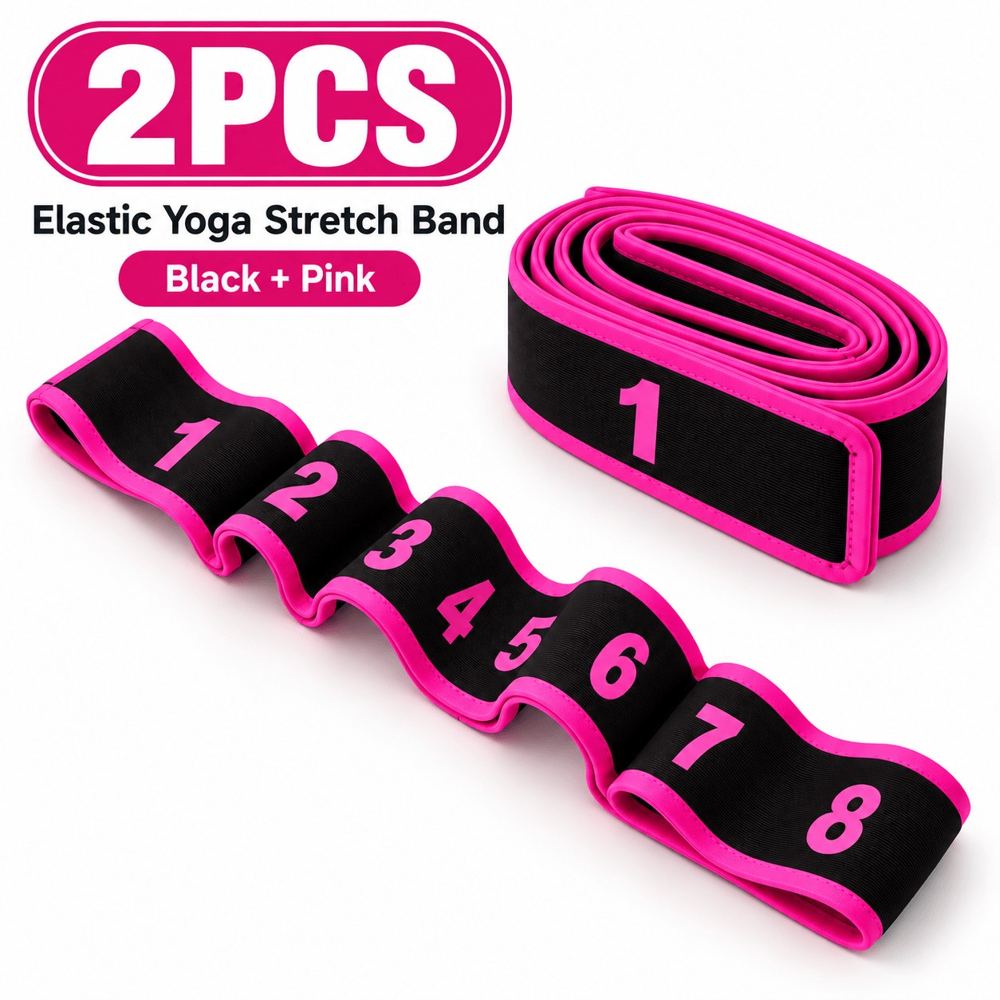
A flexibility test: the lying hamstring check. Lie on your back, one leg flat on the floor, and raise the other leg toward the ceiling with a straight (not locked) knee. If you can reach roughly 70–80 degrees from the floor without your lower back lifting off, your hamstring flexibility is in a normal functional zone. A set of 8-loop stretching straps makes this a comfortable, well-supported stretch — the loops give you handholds at multiple lengths so you can relax into the position instead of straining to reach.
A mobility test: the deep squat. Stand with feet roughly shoulder-width apart and lower yourself into a deep squat, heels down if you can, chest up, knees tracking over your toes. Can you get your hips below your knees and hold it without falling over, lifting your heels, or collapsing your chest? If yes, your hip, ankle, and thoracic mobility are working together. If not, the question isn't "how tight are my hamstrings?" — it's "where in the chain is control breaking down?"
A shoulder check: try reaching one hand over your shoulder and the other up your back. A big gap suggests limited range; if you can do it passively but not actively, the control side needs work.
How to Program Both in a Week
You don't need daily hour-long sessions. Here's a realistic template that fits around normal training:
- Warm-up (5–10 minutes): mobility only — ankle circles, hip circles, cat-cow, arm swings, bodyweight squats. 5–10 slow reps per movement.
- After training (5–10 minutes): 3–5 static stretches for the muscles you just worked, hold 20–60 seconds each, breathe deeply.
- Dedicated sessions (1–2 per week, 15–25 minutes): one mobility-focused (slow rotations, transitions, balance work) and/or one flexibility-focused (full-body static routine with the straps).
If you're new to this, start with two sessions total per week and build from there. For more on building a stretching habit, see how to improve flexibility.
Common Mistakes
- Aggressive static stretching before lifting. Long, hard holds right before heavy weights temporarily reduce force production and don't warm joints properly. Warm up with movement; stretch after.
- Chasing range without control. Forcing a deeper split or a bigger stretch without building strength in the new range. New range that nothing can stabilize is a liability, not an asset.
- Bouncing in stretches. Ballistic bouncing triggers the stretch reflex, which fights the stretch and raises strain risk. Slow and steady, always.
- Holding your breath. Stretching through a clenched, breath-held body is counterproductive — exhale as you ease deeper.
- Treating stretching as the warm-up. A cold muscle pulled hard is unhappy. Get blood flowing with light movement first.
Safety Notes
Stretching should feel like a mild pull or comfortable tension — never sharp, stabbing, or joint-y pain. Ease off if you feel tingling, numbness, or pain inside a joint rather than in the muscle. If you have hypermobile joints, focus on control work rather than chasing more range — you likely have plenty of flexibility already and need strength within it. Anyone with recent injuries, joint replacements, or connective-tissue conditions should check with a qualified clinician before starting a new mobility or flexibility routine.
FAQ
Q: Can you be flexible but not mobile?
Absolutely — it's one of the most common situations, especially among people who've done lots of static stretching but little controlled work. You might touch your toes easily yet feel wobbly in a lunge or unstable overhead. The fix isn't more stretching; it's slow, controlled movement through the range you already have.
Q: Which should I train first?
Start with whichever limits you. If you can't get into basic positions, build flexibility first. If positions are easy but feel unstable or weak, prioritize mobility. When in doubt, most desk-bound adults benefit most from beginning with gentle mobility work — it warms the joints, teaches control, and is hard to do wrong.
Q: Does stretching prevent injuries?
Stretching alone doesn't prevent injuries, and no single habit does. What reduces injury risk is a combination of sensible warm-ups, progressive training, adequate strength through full ranges, and not overdoing it. Static stretching has a place in that picture — especially after training — but it's one piece, not a shield. Be wary of anyone who promises a stretching routine will guarantee you'll never get hurt; results vary and no timeline or outcome can be guaranteed.
Q: How long until I notice a change?
It varies a lot between people — it depends on your starting point, consistency, age, and what you're training. Many people notice their joints feeling smoother within a few weeks of consistent practice (2–3 sessions per week). Lasting changes in range take longer and come from patient repetition. Anyone promising a specific result in a specific number of days is selling something, not coaching.
Q: Is it bad to stretch every day?
Gentle daily mobility work — slow joint circles, cat-cow, easy hip openers — is fine and even beneficial for most people. Hard static stretching to your end range every single day without recovery can irritate tissues. Follow the pattern: move daily, stretch deeply a few times a week.
Conclusion
Flexibility is how far your body can go; mobility is how well it can get there under its own power. You need both, but the one that makes your training better — steadier squats, cleaner lunges, more confident movement in daily life — is usually mobility. Test honestly, warm up with movement, stretch after training, and build control in every new inch of range.