A 15-minute men’s mobility routine for tight hips, shoulders and spine: twelve drills with breathing cues, beginner modifications, and common mistakes.
Men's Mobility Routine: Loosen Hips, Shoulders and Spine
Most men notice the same three problem areas by their thirties: hips that feel locked after sitting all day, shoulders that creep up toward the ears, and a spine that announces itself every morning. The fix is not complicated, but it is specific: a short, repeatable mobility routine that puts each of those areas through a full, controlled range of motion. Fifteen minutes, a few times a week, changes how you move, how you lift, and how you feel getting out of a chair.
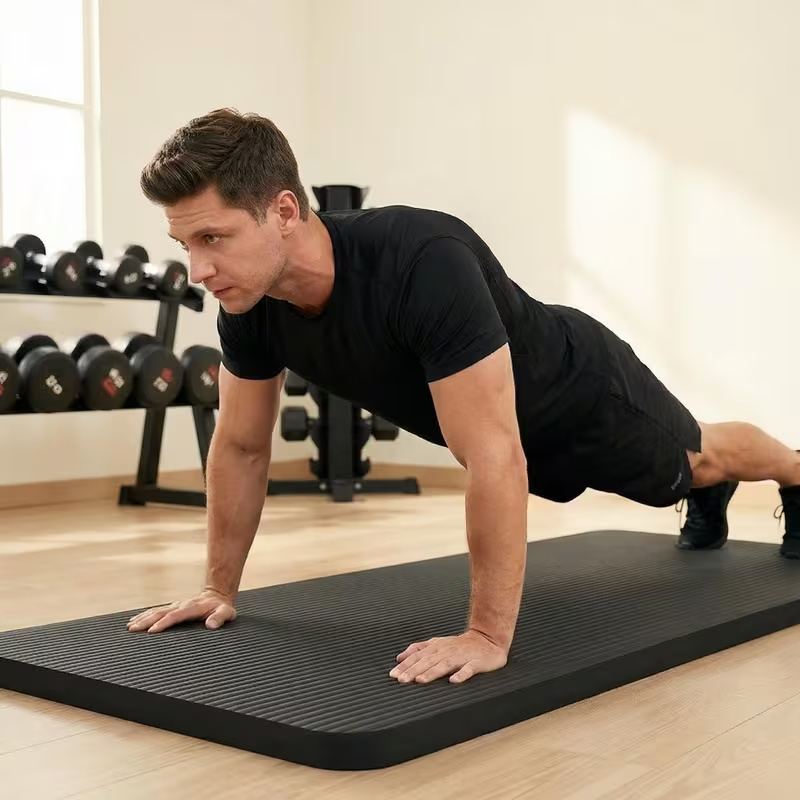
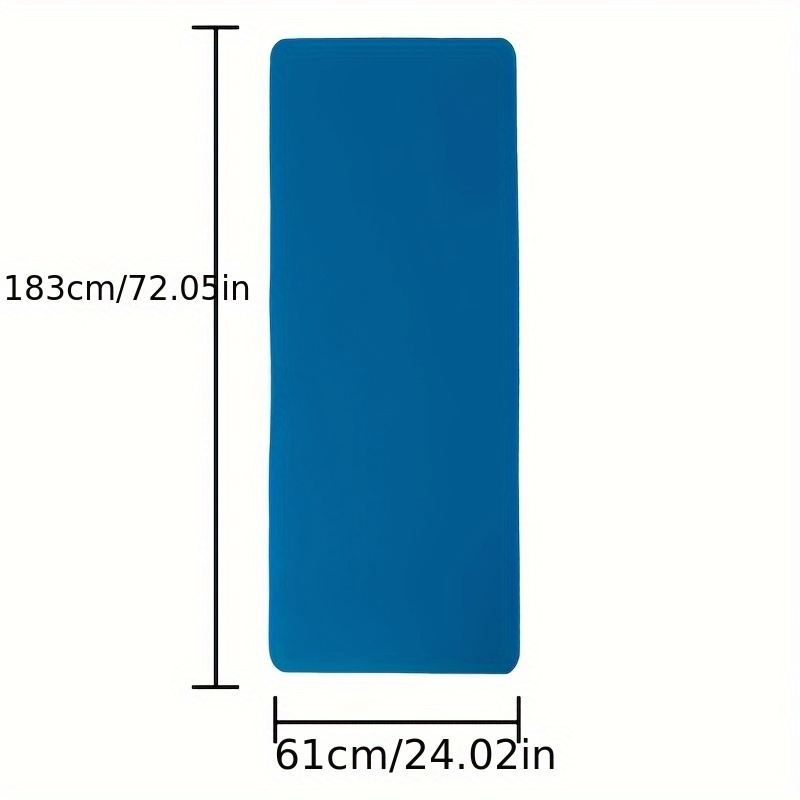
This guide gives you exactly that routine — twelve drills organized by area, with the purpose of each, how to do it, how to breathe, and how to scale it to your current flexibility. A cushioned surface makes floor work far more comfortable; a thick extended yoga mat or a non-slip 8mm mat both work well. Results vary, but most men notice easier squats, deeper presses, and less daily stiffness within a few consistent weeks.
This guide contains affiliate links. If you buy through them, VÉLORA may earn a commission at no extra cost to you.
Why Men Get Tight (and Why Stretching Alone Doesn't Fix It)
Tightness is rarely a muscle being "short" — it is usually a nervous system that has learned to guard a position it never visits. Sitting shrinks the hips' usable range, desk work rounds the thoracic spine, and heavy pressing without balancing pulling stiffens the shoulders. Passive stretching temporarily calms the area, but mobility work — moving actively through range with control and breath — teaches your body that the range is safe to keep.
That distinction matters: do this routine as movement, not as a holding contest. Slow, controlled repetitions with deep breathing outperform any painful stretch-hold. Our hip mobility guide explains the principles in more depth, and if your joints prefer gentler work, low-impact workouts pair well with mobility days.
How to Use This Routine
- When: 2–4 times per week, either as a standalone session or before lifting (it doubles as a warm-up).
- How long: 12–18 minutes total. Each drill: 30–60 seconds per side, 1–2 rounds.
- Breathing rule: Slow nasal breaths throughout. Exhale as you move into the stretch position; inhale as you ease out. Never hold your breath to push deeper.
- Intensity: You should feel a firm stretch or mild discomfort — never sharp pain. Back off any position that pinches, especially in the hips and shoulders.
- Progression: Add 10 seconds or a second round per drill before chasing harder variations.
Part 1: Hips — The Root of Most Stiffness
World's Greatest Stretch
Purpose: Opens hip flexors, hamstrings, thoracic spine, and calves in one flowing move.
Starting position: Standing, take a big step forward into a deep lunge.
Technique: Place both hands on the floor inside your front foot. Drop the back knee toward the ground to stretch the hip flexor; keep your front knee tracking over your ankle. Then rotate your torso, reaching the same-side arm toward the ceiling. Hold 5–10 seconds, switch arms, then step forward into the next lunge.
Reps: 4–6 lunges per leg, 1–2 rounds.
Beginner modification: Put your back knee on the mat and skip the rotation until balance allows.
90/90 Hip Switches
Purpose: Trains hip internal and external rotation — the range that desk-sitting erases.
Starting position: Seated, both knees bent at 90 degrees, legs rotated to one side.
Technique: Keeping your chest tall, slowly rotate both knees to the other side without lifting your hips off the floor. Move with control; do not fling.
Reps: 6–10 switches per side, 1–2 rounds.
Beginner modification: Sit on a folded towel to elevate the hips if your back rounds.
Pigeon Stretch
Purpose: Deep stretch for the glutes and outer hip (piriformis area).
Starting position: From all fours, bring your right knee forward behind your right wrist and slide your right foot toward your left hand; extend the left leg straight behind you.
Technique: Square your hips toward the floor as best you can and walk your hands forward until you feel a deep but tolerable stretch. Breathe into it for 30–60 seconds, then switch sides.
Beginner modification: Place a cushion under the hip of the bent leg if your hip does not reach the floor — never force it down.
Deep Squat Hold
Purpose: Restores the fundamental resting position the hips are built for.
Starting position: Feet shoulder-width apart, toes slightly out.
Technique: Sit down between your heels into a full-depth squat, keeping your heels down if possible. Rest your elbows inside your knees and press them gently outward. Hold 30–60 seconds, breathing deeply.
Beginner modification: Hold onto a doorframe or sturdy post, or place a book under each heel.
Part 2: Shoulders — Undoing the Desk
Wall Slides
Purpose: Retrains overhead shoulder movement and wakes up the upper back.
Starting position: Back, head, and forearms against a wall; feet a step away.
Technique: Slide your forearms slowly up the wall toward overhead, then back down, keeping contact the whole time. Ribs stay down — do not arch your lower back to cheat the range.
Reps: 8–12 slides, 1–2 rounds.
Beginner modification: Perform them lying on the floor instead of the wall — gravity helps less and the pattern is the same.
Thoracic Extension Over a Chair
Purpose: Reverses the rounded upper-back posture that feeds shoulder and neck pain.
Starting position: Seated on a chair, hands interlaced behind your head, elbows wide.
Technique: Lean back over the chair's top edge, opening your chest toward the ceiling. Hold each extension 3–5 seconds; move the contact point slightly up or down the spine between reps.
Reps: 8–10 extensions.
Common mistake: Craning the neck instead of extending the upper back — think chest up, chin slightly tucked.
Doorway Chest Stretch
Purpose: Opens the pecs and front delts, which tighten and pull shoulders forward.
Starting position: Forearm against a doorframe, elbow at shoulder height.
Technique: Step through until you feel a stretch across the chest. Adjust the elbow higher or lower to hit different fibers. Hold 30–45 seconds per side.
Common mistake: Letting the shoulder shrug toward the ear — keep it pulled gently down and back.
Part 3: Spine — Cat-Cow and Rotations
Cat-Cow
Purpose: Mobilizes the entire spine and teaches segmental control.
Starting position: All fours, hands under shoulders, knees under hips.
Technique: On an inhale, drop your belly and lift your chest and tailbone (cow). On a long exhale, round your whole back like a cat. Move slowly, one vertebra at a time, for 8–12 breath cycles.
Beginner modification: Move through a smaller range — the rhythm matters more than the depth.
Supine Thoracic Rotations
Purpose: Restores rotation through the mid-back, which protects the lower back during twists.
Starting position: Lying on your side, knees bent and stacked, arms extended in front of you.
Technique: Keeping your knees stacked and still, rotate your top arm open across your body, following your hand with your eyes. Exhale as you open; inhale as you return. Hold the open position 5 seconds.
Reps: 6–8 rotations per side.
Common mistake: Letting the top knee lift and fly — pin it down with your other hand if needed.
Part 4: Feet — Don't Skip the Foundation
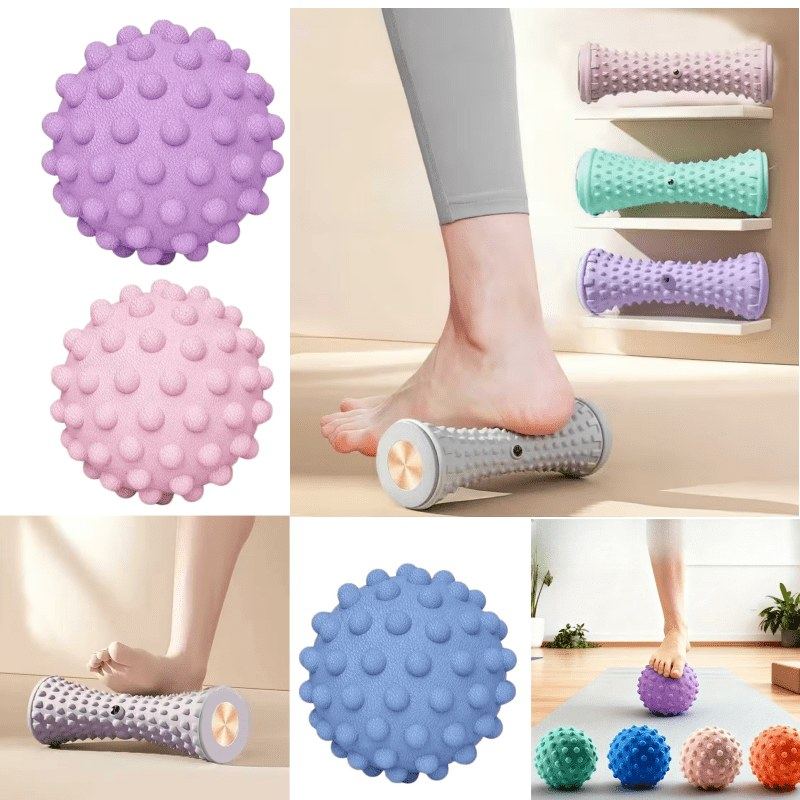
Foot Rolling
Purpose: Releases the plantar fascia and wakes up the feet, which influence ankle and knee mechanics.
Starting position: Standing or seated with a foot massager roller under one foot.
Technique: Roll slowly from heel to ball of the foot, pausing 10–15 seconds on tender spots. Do 60–90 seconds per foot.
Beginner modification: Start seated with light pressure, then progress to standing as tolerance builds.
Mobility vs. Stretching vs. Foam Rolling
| Method | What It Does | When to Use It | | --- | --- | --- | | Active mobility (this routine) | Moves joints through range with control; builds usable flexibility | 2–4x per week, or pre-workout | | Passive stretching | Holds a lengthened position; temporarily calms tight areas | Post-workout or before bed | | Foam rolling | Self-massage; reduces tissue sensitivity and perceived tightness | Before mobility work or on rest days |
They complement each other rather than compete. For a deep dive into rolling, see our guide to the best foam rollers.
Common Mistakes in Mobility Work
- Bouncing or forcing range. Mobility gains come from relaxed, repeated exposure — never from pain.
- Skipping breathing. Breath-holding tells the nervous system the position is dangerous. Slow exhales do the opposite.
- Only mobilizing what feels good. Most men skip the hard areas (usually hips). The drills you resist most are the ones you need most.
- Treating it as optional. Put mobility on the calendar like any other session, or it quietly disappears.
Safety Notes
- This routine is for healthy adults. If you have a herniated disc, hip impingement, shoulder instability, recent surgery, or any medical concern, check with your doctor or physiotherapist first.
- Sharp, pinching, or radiating pain (especially numbness or tingling down a limb) means stop the drill. Stretching discomfort should feel like firm tension, never like something catching or grinding.
- Warm up with 2–3 minutes of easy movement (walking, marching in place) if you are doing this routine cold.
FAQ
Q: How long until I feel a difference from a mobility routine?
Most men notice easier movement within 2–4 weeks of consistent practice. Structural, lasting changes in range of motion typically take 8–12 weeks or more, and results vary with age, training history, and consistency.
Q: Should I do mobility before or after lifting?
Both work for different reasons. Doing the routine before lifting is an excellent warm-up that improves movement quality. Doing it on rest days is active recovery. Choose the slot you will actually keep.
Q: Is cracking or popping during mobility bad?
Painless joint noises during movement are usually harmless. What matters is the absence of pain — if a pop comes with sharp pain, swelling, or a feeling of instability, get it checked.
Q: Can mobility work replace stretching completely?
Not quite. Active mobility builds controlled range, while passive stretching is better for winding down tight areas after hard training. Most men benefit from a mix of both rather than choosing sides.
Q: My hips are extremely tight — where do I start?
Start with the deep squat hold (using support) and the 90/90 switches, both in their beginner modifications. These two rebuild the most fundamental hip patterns. Add the pigeon stretch after two weeks of comfortable practice.
The Bottom Line
Stiff hips, rounded shoulders, and a cranky spine are not character traits — they are habits your body learned from sitting, and habits can be unlearned. This routine takes about fifteen minutes, needs nothing but floor space and a mat, and targets exactly the areas that tighten on men. Run it a few times a week, breathe through every rep, and judge it after a month of consistency, not a day. Your future self — the one who squats deep and turns without creaking — will thank you.
